
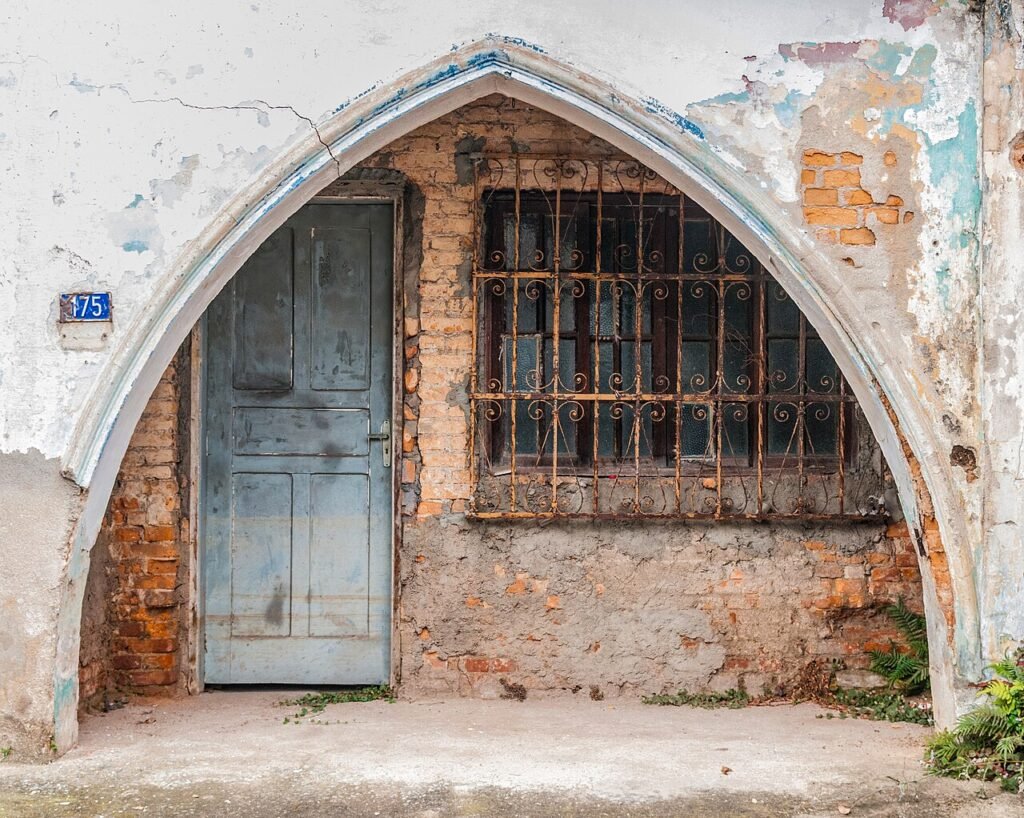
Yecuatla, Mexico Weekend: Coffee Trails (2026)
The morning mist rolls off the Sierra de Chiconquiaco like steam from a fresh cup of café de olla, and you’ll hear the roosters before you hear the church bells at San José. Somewhere down the cobblestone street, a woman is grinding masa for the day’s tamales, and that earthy, corn-and-banana-leaf aroma will pull you out of bed before your alarm ever gets the chance. This is Yecuatla—a small, fiercely proud Veracruz mountain town where life pulses at the rhythm of the coffee harvest and the rain on tin roofs.
Quick Facts Before You Go
- Best Months: December through March—dry season brings cool mountain mornings (55°F) and perfect afternoons for waterfall exploring. July gets gloriously green but rain arrives by 3pm like clockwork.
- Currency: Mexican Peso (MXN). About 17-18 pesos to $1 USD. Bring cash—only two ATMs in town, and they occasionally run dry.
- Language: Spanish dominates. You’ll find some English at the two tourist-friendly coffee fincas, but brush up on your “¿dónde está?” basics—you’ll be grateful for it.
- Budget: 800–1,200 pesos ($45–$70 USD) per day covers a comfortable hotel room, three meals, coffee tastings, and transport. This is one of Mexico’s most affordable mountain escapes.
- Getting There: Fly into Xalapa (El Lencero Airport, JAL) just 35 minutes away, or Veracruz City (VER) about 1.5 hours south. Book your flight at Skyscanner and aim for early morning arrivals—the twisty mountain road is easier in daylight.
Day 1: Cobblestones, Coffee Orchards & The Sunset Mirador

Mapa de localización del municipio de Yecuatla en estado de Veracruz, México., Yecuatla, Mexico
You’ll wake up in Yecuatla the way travelers always hope to—with a view of green mountains through a colonial window frame and the sound of brooms sweeping the plaza below. Start your first day slowly. The town wakes early but moves with intention, and you’ll want to match that pace. You’ll meet the day at the market, learn the story of a 400-year-old church, and end it watching the sun melt into the Gulf of Mexico from a viewpoint the tour buses haven’t discovered.
- Morning (8–11am): Make your way to the Mercado Municipal Yecuatla (Juan de la Luz Enríquez Street, 8am sharp) right as the women from the surrounding coffee communities arrive with their woven baskets. You’ll drink your first café de olla of the day here—served in a clay mug for 15 pesos ($1 USD) from Doña Chole’s puesto in the southwest corner. Try her plátanos asados (grilled plantains with crema and queso fresco, 25 pesos). Locals recommend doing a full loop before you buy; the best honey and vanilla arrive around 9:15am. From the market, take the short walk up to the Templo de San José, the parish church built in the 16th century. The current facade dates from 1789, and you’ll notice the original hand-carved wooden doors still swing open every morning. Visitors often stand quietly in the courtyard just listening to the finches and the creak of those old hinges.
- Lunch: Head three blocks north to Fonda El Sabor del Campo (Calle Miguel Hidalgo 42). This unassuming storefront does one thing spectacularly: the caldo de res (beef soup, 90 pesos) with hand-rolled tortillas from the communal molino across the street. You’ll find the menu written on a whiteboard and matriarch Doña Lupe will likely decide what you’re eating anyway. Order the jugo de naranja—that orange was probably on a tree two hours ago.
- Afternoon (1–5pm): After lunch, you’ll want to visit the Finca San Sebastián coffee cooperative (Carr. Tlapacoyan KM 74, 1pm tour daily). For 150 pesos ($9 USD), you’ll take a 90-minute walking tour through organic coffee plantings shaded by banana and chalahuite trees. You’ll see the whole journey from cherry to cup—the wet mill, the drying patios where beans roast under the Veracruz sun, and finally a cupping session where you’ll taste their signature pezolón varietal, which has notes of dark chocolate and tamarind. Travelers often discover that the cooperative’s women’s collective roasts some of the most nuanced beans in Mexico—the 250-gram bags (120 pesos) make excellent gifts. If you have energy afterward, walk to the Puente Viejo (Old Bridge), a colonial stone arch structure crossing the Río Yecuatla. You’ll spot locals washing clothes on the rocks below, a tradition that’s continued for centuries.
- Evening: Take a 15-minute taxi (80 pesos) up to Mirador El Miracol, a viewpoint at the edge of town where, on clear days, you can see all the way to the Gulf. Locals recommend arriving by 6pm. You’ll find families, young couples, and a wandering vendor selling elotes slathered in mayo and lime. Then make your way to Restaurante La Terraza de Veracruz (Calle Francisco Zarco 11, 7:30pm dinner). Request a table on the open-air second floor. The restaurant’s signature picadillo de soya is a local favorite, but you’ll want the filete de pescado a la veracruzana—fresh Gulf snapper in a sauce of tomatoes, olives, and capers, served with plátanos maduros (185 pesos, $10.50 USD). Save room for their choco-banana dessert with locally grown organic cacao.
Day 2: Waterfalls, A Hidden Pueblo & The Farewell That Lingers

Aerial shot of a Gothic cathedral in urban Mexico, Yecuatla, Mexico
Your second day requires an early start, a bit of stamina, and a willingness to trade the cobblestones for waterfall mist. It’s a day that rewards the adventurous—you’ll put your feet in cold mountain water, watch coffee farmers at work from a rustic bridge, and eat the single best mole you’ll have in the entire state of Veracruz. Prepare to get your shoes muddy, and you’ll be justly rewarded.
- Morning (7:30–11am): Skip the hotel breakfast and head straight to the Pancho Poza Ecological Park (10 minutes by taxi, 150 pesos round trip; entrance 60 pesos, open 8am). This network of emerald waterfalls and swimming holes sits outside town, and savvy visitors arrive early to beat the weekend crowds. You’ll walk a steep but manageable trail through tropical vegetation—banana palms, giant ferns, bromeliads dripping with moisture—to reach the main cascada, a 40-foot thundering curtain of water into a swimming hole. You’ll hear it before you see it. Pack a swimsuit because the water is shockingly clean and perfectly crisp. Hang your hammock from the riverside trees like the locals do. Most tourists only stay an hour; you’ll want three.
- Midday (11:30am–1pm): Back in town, head straight to El Mercadito Aroma (Calle Independencia 8) for the area’s signature tamales de hoja de plátano—Veracruz-style tamales steamed in banana leaves, packed with pork, chile chipotle, and a surprising whisper of green olives. You’ll eat three at 25 pesos each and consider ordering a fourth. For coffee, their jarra de cántaro (clay-pot spiced coffee, 40 pesos) is the real mountain tradition—cinnamon, anise, dark panela sugar, and a secret ingredient nobody at the counter will actually tell you. Sit at the shaded patio out back where hummingbirds follow the trumpet vine flowers.
- Afternoon (1–4:30pm): This is the moment travel writers and seasoned visitors will tell you about—a side trip to the neighboring community of La Peña, a tiny village settled by Totonac descendants who maintain stunning terraced vegetable gardens and coffee groves. Take a local bus (25 pesos, leaves hourly from Escuadrón Street) and plan to walk or hire a bicycle guide at the village entrance (100 pesos/hour). It’s a step back in time: women still pat tortillas by hand at clay comales, and the pre-Hispanic agricultural terraces are still irrigated exactly as they were hundreds of years ago. If you see the elderly Doña Margarita selling empanadas de flor de calabaza from her window near the chapel, buy as many as you can carry.
- Final Evening (5pm onward): Return to Yecuatla and make one last stop at the Museo Comunitario (open till 6pm, donation 20 pesos), a small but moving community museum documenting the region’s history from Totonac settlements through the coffee revolution—it’s only two rooms, but visitors consistently lose an hour in front of the original photographs documenting the 1910 revolution’s arrival in these mountains. For your farewell dinner, secure a table at Casa de Abuela (Calle Aldama 9, order ahead if possible) and order the mole rojo—a rich, brick-red marriage of ancho chiles, plantain, chocolate, and sesame that this family has been making for six generations. It arrives with hand-rolled tortillas and a side of frijoles de olla, and it costs 160 pesos ($9 USD). Stay for the live son jarocho music that starts Fridays and Saturdays around 8:30pm—passersby join in, and you’ll likely be pulled up to dance.
The Food You Can’t Miss
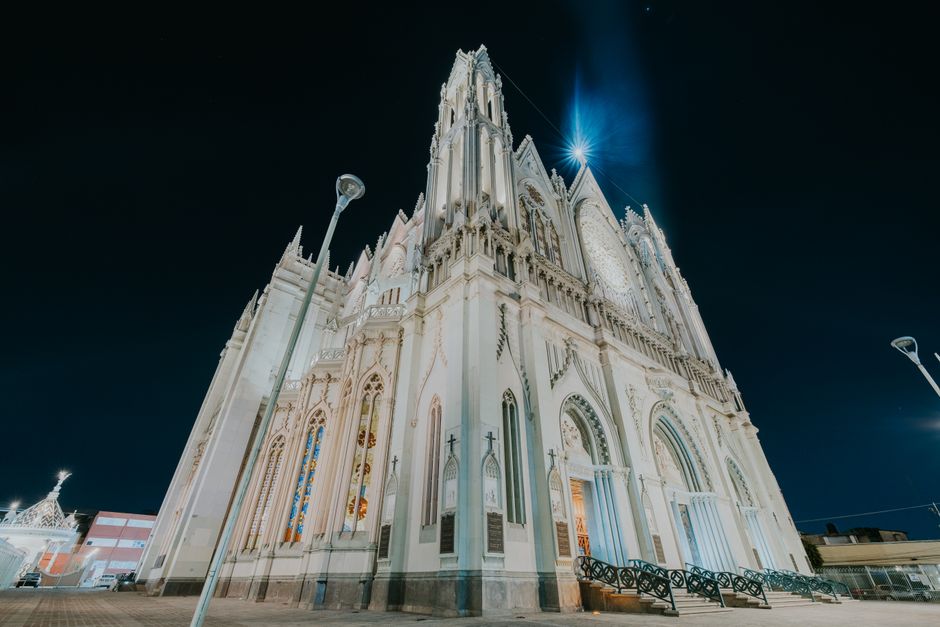
Captivating nighttime image of León Cathedral, Yecuatla, Mexico
Yecuatla’s food culture is a love letter to the mountains and the sea that straddle this region. You’ll find gourds of locally grown coffee everywhere, but the real magic happens in the breakfast stools and mid-afternoon market stands. The garnachas are a local obsession—thick, fried corn tortillas topped with shredded beef, salsa de chile de árbol, and pickled onions. Doña Chole in the market makes the best you’ll ever have for 15 pesos each, and by 9:30am she’s usually sold through her daily batch—go early.
You’ll also want to hunt down tostadas de pata, a strange-sounding but glorious Veracruz specialty featuring chilled, vinegary pork trotter atop a crispy tostada with avocado and x-ray-thin radish slices. Restaurante La Terraza de Veracruz serves the most elegant version in town (65 pesos for three), but the street vendor stationed on the plaza’s west corner on weekends gives visitors the unforgettable experience of watching him assemble your order with zero wasted motion while arguing with his parrot. Locals recommend you tip the parrot. You’ll agree.
Finally, no weekend in Yecuatla is complete without an evening spend at Café La Pareja (Calle Jiménez 14, open until 10pm), a tiny two-room coffee shop that doubles as the town’s unofficial late-night gathering spot. The owner, Señor Abel, will tell you everything about the local coffee harvest while you drink a 35-peso cappuccino that rivals anything you’ll find in Mexico City. Try his cafelis—an espresso shot layered with condensed milk and regional vanilla extract—and you’ll understand why longtime visitors insist Yecuatla’s coffee culture never quite leaves you.
Where to Stay for the Weekend
You’ll want to stay in the central town area rather than on the outskirts—the magic of Yecuatla is in its walkability, and your best mornings will involve stepping out your door and directly onto cobblestones. The Hotel Plaza Yecuatla (Calle Ignacio Zaragoza 5, doubles from 600–800 pesos/night) sits sleepily on the zócalo with heavy wooden balconies, commanding views of the church and mountains—it’s a colonial-era building with modern showers and excellent pressure, and the ground-floor restaurant serves a solid barbacoa weekend-only. It’s your most practical, stylish, and authentic base all at once.
If you’d prefer something smaller and family-run, consider the Casa de Huéspedes La Esmeralda (Calle Veracruz 22, 450–550 pesos/night)—just eight rooms, family courtyard, tropical gardens with hammocks, and a breakfast of fresh fruit, eggs, and strong local coffee included. The owner’s mother, Señora Carmelita, grows most of the fruit in her backyard orchard, including a yellow zapote you’ll likely taste for the first time in your life. For those seeking more charm, a handful of locals now offer Airbnb rooms inside restored coffee-era homes— you’ll find lovely options with colonial courtyards and antique details, typically $25–$40 per night. Newer hotels in the area appear on Booking.com regularly, and you’ll want to book on weekends, when Mexico City travelers discover the town’s under-the-radar appeal.

