
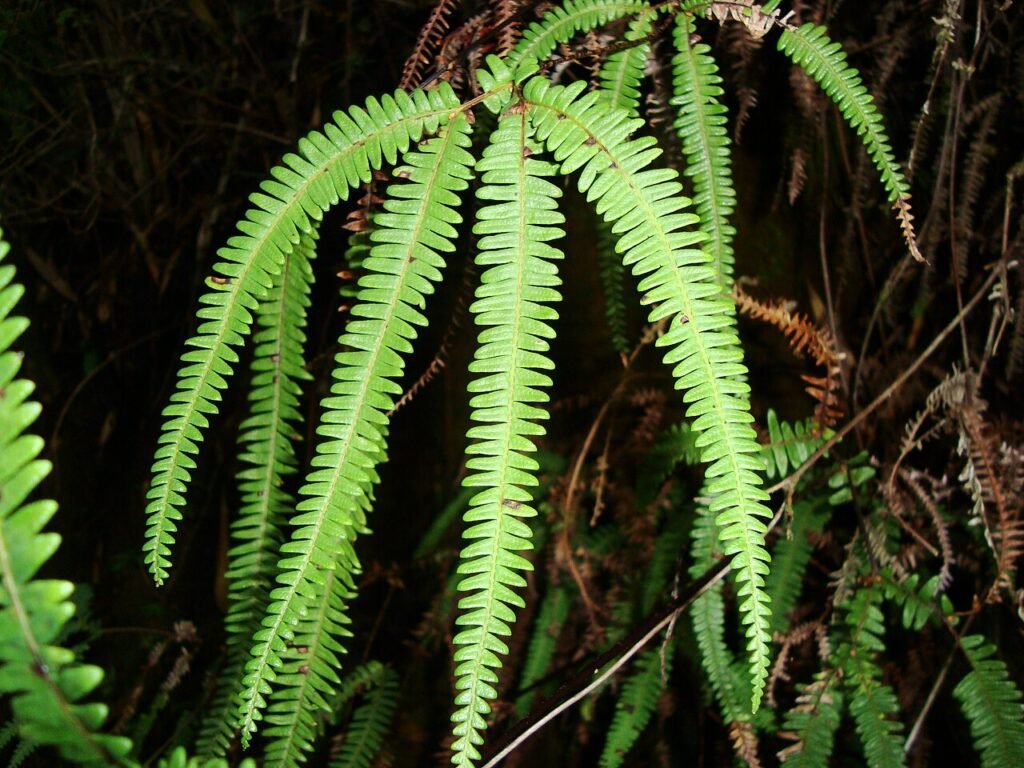
# Under the Ancient Alerces: The Soul of Valdivian Coastal Reserve, Chile
In the winter of 2005, a chainsaw fell silent in the mist-shrouded hills of southern Chile. The logging company that had held rights to cut the ancient alerce trees—some of them nearly 3,000 years old—sold its concession instead. The Nature Conservancy, alongside local Huilliche communities, had raised the funds to purchase 56,000 hectares of temperate rainforest, creating the Valdivian Coastal Reserve. When you stand beneath those towering alerces, their bark like rusted armor, you can still feel the weight of that decision.
The Story Behind Valdivian Coastal Reserve, Chile
Long before conservationists arrived, the Huilliche people—a branch of the Mapuche—called this coast Nahuelbuta (“tiger mountain”) and moved seasonally between the ocean and the Cordillera de la Costa. They knew the alerce as lawal, a tree so resistant to rot that its wood was used for canoes and houses. When Spanish conquistadors pushed south in the 16th century, they found these forests impenetrable. The conquistador Pedro de Valdivia, after whom the nearby city is named, was captured and executed by Mapuche warriors in 1553—his final stand less than 50 kilometers from the reserve’s current boundary.
Three centuries later, German settlers arrived in the 1850s, bringing beer-making, half-timbered houses, and a voracious appetite for timber. By the early 1900s, logging companies were hauling out alerce planks for export. You’ll see the remnants of railroad grades and ox-cart trails as you hike the Sendero Alerce Milenario—rusted rails half-swallowed by ferns. The critical turning point came in 2003, when a grassroots coalition of scientists, local guides, and Huilliche elders persuaded the Chilean government to cancel logging permits. The reserve officially opened in 2007, and today you walk through a forest that was almost lost. As the Huilliche say, “El bosque no habla, pero escucha”—the forest does not speak, but it listens.
Neighborhood by Neighborhood

Lagunas de Colún, Valdivian Coastal Reserve, Chile
Chaihuín Sector: The Gateway of Mist and Moss
Your journey into the reserve begins at the Chaihuín ranger station, a modest wooden building where you’ll sign in and pay the entry fee (CLP $5,000 per day for foreigners as of 2025). This is the most accessible corner of the reserve, with gravel roads leading to a series of trailheads. The air here is so damp that you can nearly drink it; travelers often discover their clothes never fully dry. The main trail, Sendero Alerce Milenario, winds 2.5 kilometers through a forest where every branch wears a beard of bromeliads and moss drips from every trunk. You’ll see the oldest alerces—labeled with their estimated ages: “Árbol #17 – 2,450 años.” Stop at the wooden platform overlooking the Chaihuín River estuary; at low tide, you’ll spot cormorants drying their wings on black rocks. Just beyond the ranger station, the beach stretches for kilometers, wild and empty, where sea lions sometimes haul out. The rustic Hostal Chaihuín (about CLP $25,000 per night) offers simple rooms and a communal fireplace where you’ll swap stories with birders from Germany and backpackers from Santiago.
Colún Sector: The Wild Edge of the Pacific
For the traveler who craves solitude, Colún is the reserve’s untamed heart. Accessed by a 12-kilometer gravel road that demands a high-clearance vehicle (or a 3-hour hike from Chaihuín), this sector feels like the end of the world. The trail to Colún Beach drops through thick olivillo forest where Darwin’s frogs—small, green, and nearly extinct—hide in the leaf litter. Locals recommend arriving before 10 a.m., when the morning sun cuts through the canopy and illuminates the crimson flowers of the copihue, Chile’s national flower. The beach itself is a scythe of black sand where the Pacific thunders in with a force that will rattle your chest. There’s no accommodation here, only a primitive campground with pit toilets and a shelter. Seasoned travelers bring their own stove and water filter. The reward: you’ll have this coastline nearly to yourself. At night, the sky is so dark that the Southern Cross seems close enough to touch.
Valdivia City: The German-Huilliche Fusion
While not inside the reserve, Valdivia city is everyone’s launch point—a 45-minute drive northeast. This city of 160,000 is a curious marriage: Huilliche river culture meets German beer-hall tradition. Your best bet is to spend a day here before heading into the forest. Walk the Costanera along the Calle-Calle River, where seafood stalls sell choritos (mussels) steamed with white wine. The Mercado Fluvial, a cluster of floating docks at the river’s edge, is where fishermen unload their catch at dawn—congrio, reineta, and the prized merluza austral. In the town center, you’ll find the German legacy in the Casa Hoffman, a half-timbered building that now houses the city’s tourist office. Savvy visitors book a seat at the riverfront restaurant La Última Frontera, where the chef-owner Doña Martina serves a version of curanto that she learned from her Huilliche grandmother—shellfish, pork, and potatoes steamed in a pit covered with nalca leaves. Plan to arrive by 1 p.m., as she only cooks one batch per day.
The Local Table: What Natives Actually Eat
The Pacific tempers everything on the table here. Travelers often discover that Huilliche cuisine doesn’t fuss—it trusts the ocean and the earth. The defining dish is curanto al hoyo, and you must seek it out. The process is spectacular: a hole is dug in the ground, filled with hot stones, and layered with giant nalca leaves, then almejas (clams), choritos, longaniza (pork sausage), chicken, and potato cakes called milcaos. Everything steams for about an hour in the earth. The best place to experience this is not in a restaurant but at the home of the family-run operation Curanto de la Abuela in the village of Mehuín, 30 minutes from the reserve. You’ll need to call a day ahead (phone: +56 9 8765 4321) and bring cash (CLP $18,000 per person). Locals say the secret is the nalca leaf, which imparts a subtle tartness that cuts through the richness.
The other essential ingredient is merquén, a smoked chili-and-coriander blend that the Mapuche have used for centuries. You’ll find it sprinkled on everything from grilled choripán to boiled potatoes. For a quick lunch in Valdivia, stop at the Feria Fluvial market at 8 a.m. for a sanguche de machas (razor clam sandwich)—piled high, served on a soft roll with lemon. The vendor next to the blue awning, Don Pedro, has been there since 1992. He’ll charge you about CLP $4,000 and you’ll eat standing, juice running down your chin. That’s how locals do it.
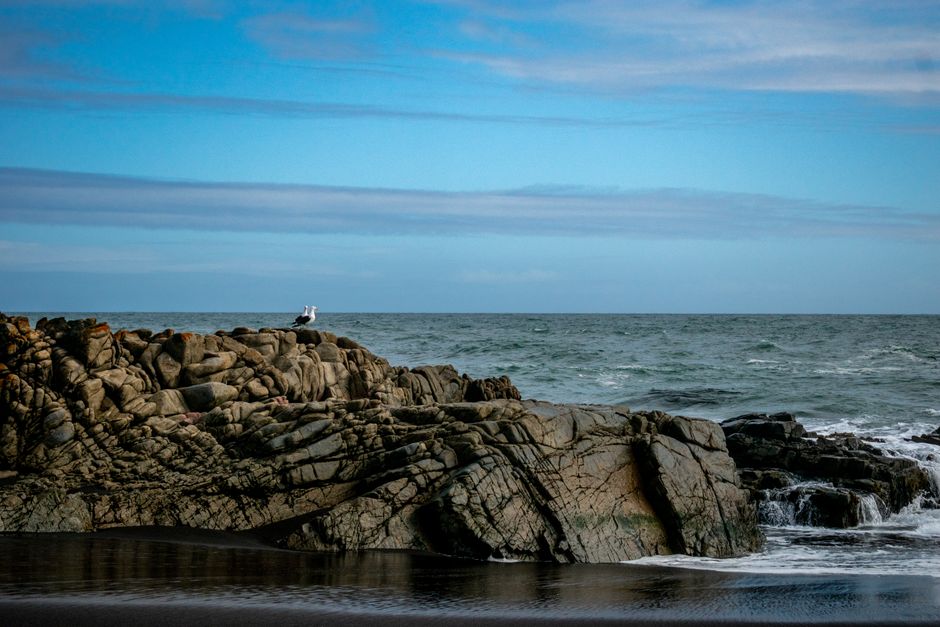
Scenic view of rocky coastline and ocean in Constitución, Valdivian Coastal Reserve, Chile
Art, Music & Nightlife
The creative pulse of this region beats to a traditional rhythm—literally. The Mapuche instrument kultrun (a ceremonial drum) and trutruca (a long horn) are still played at nguillatún ceremonies in nearby rural communities. Artisans in the town of Niebla, just south of Valdivia, weave chamales (woolen saddle blankets) on hand-looms using designs that predate the Spanish. You can visit the cooperative Tejidos del Mar on Calle Arturo Prat, where the women sell directly—expect to pay CLP $30,000–$60,000 for a full blanket.
Nightlife, such as it is, stays in Valdivia. The city’s craft beer scene exploded after the 2010 earthquake, and you’ll find no fewer than a dozen microbreweries clustered along Avenida Alemania. Cervecería Kunstmann, founded in the 1990s by a German-Chilean family, is the most famous—you can tour the brewery and taste a flight of five beers (CLP $8,000) in a beer hall with vaulted wooden ceilings. For live music, head to Bar La Playa on Isla Teja, where local bands play cueca and folk rock on Friday nights. In January, the Festival de la Cerveza draws thousands to Valdivia’s riverside, with music stages and tap tents that stay open until 2 a.m. But inside the reserve, your nightlife will be the sound of the wind through alerces and the phosphorescent glow of bioluminescent fungi on tree roots—don’t expect any bars.

Majestic view of Torres del Paine mountains with tranquil lake in Patagonia, Valdivian Coastal Reserve, Chile
Practical Guide
- Getting There: Fly into Valdivia’s Pichoy Airport (ZAL) from Santiago. LATAM and Sky Airline operate 2–3 daily flights (about 1 hour, 15 minutes). Round-trip fares from Santiago start at $120 USD. Book at Skyscanner. From the airport, a taxi to Valdivia city costs CLP $15,000. To reach the reserve, continue by bus or rental car.
- Getting Around: The most practical way is to rent a 4×4 from Valdivia (about $50/day from Budget at the airport). Otherwise, take a local bus from Valdivia to Niebla (CLP $800, 30 minutes), then a shared colectivo to Chaihuín (CLP $4,000, another 45 minutes). Colectivos run every 2 hours until 6 p.m. For Colún, you’ll need a 4×4 or hire a guide.
- Where to Stay: In Valdivia, the Hotel del Sur ($$) on the riverfront is reliable. Near the reserve, Hostal Chaihuín ($) is the only formal lodging. For wilderness camping at Colún, reserve at the ranger station (no online booking). Check options on Booking.com.
- Best Time: October through March (spring and summer). January and February are driest, but expect rain even then—about 8 days per month. The alerce flowers in November, a rare sight. April and May bring abundant mushrooms.
- Budget: Expect to spend about $80–$120 USD per day, not including flights. Entry fee: CLP $5,000. Camping: free. Meals: CLP $10,000–$20,000. Guided hikes: $40–$60 USD.
What Surprises First-Time Visitors
The rain, of course. Travelers often arrive envisioning Patagonia’s stark peaks and find instead a temperate rainforest that receives up to 4,000 mm of rain annually—even in summer, a fine drizzle is the norm. But what shocks most is how warm the forest feels. The alerce trees create a microclimate, trapping humidity and heat; you’ll hike in a T-shirt while the wind howls off the Pacific. And the silence. The thundering waves at Colún are so constant that your ears eventually tune them out, and then you hear the drip of water from leaf to leaf, the creak of ancient branches, the call of the chucao—a small, secretive bird that the Huilliche consider a spirit guide. Locals recommend stopping when you hear that call and waiting. The bird might cross your path, a sign of good luck.
Another surprise: the lack of crowds. Unlike Torres del Paine or Chiloé, the Valdivian Coastal Reserve remains under the radar. On any given day, you might see a dozen other visitors. Season

