
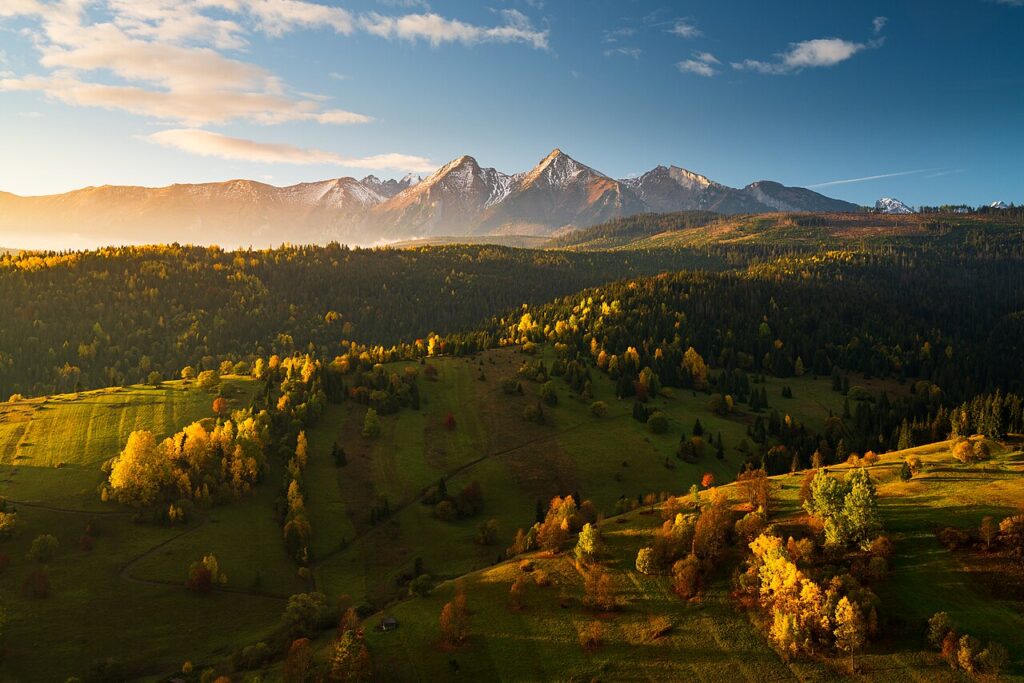
Tatra Mountains, Slovakia for Adventurers: 7 Via Ferrata and Hiking Challenges That Put the Alps to Shame (2026)
Your fingers grip the cold steel cable as the wind whips across your face at 2,000 metres. Below, the emerald valley of Hrebienok stretches out like a miniature world, while the jagged peaks of the High Tatras cut into the sky above. This is the moment you realize: the Tatra Mountains don’t just match the Alps – they out-hike, out-climb, and out-thrill them, with far fewer crowds and a raw, unpolished beauty that leaves you breathless.
The Main Event: The Hrebienok Via Ferrata (Žltá cesta)
For adrenaline seekers, the Tatra Mountains’ best introduction to vertical adventure is the Hrebienok Via Ferrata, known locally as Žltá cesta (Yellow Trail). This 1.2-kilometre route climbs the rocky face of Lomnický štít’s lower slopes, starting from the Hrebienok mountain station (1,285 m) and ending at the Rainerova chata refuge. You’ll navigate ladders, suspension bridges, and exposed traverses – all while secured to a steel cable. The total elevation gain is around 350 metres, and the climb takes 2–3 hours, depending on your pace. Difficulty is moderate, with a few exposed sections that require a steady head for heights. Best time of day: start by 8:00 AM to avoid afternoon thunderstorms (common from June to August). Cost: via ferrata set rental is €15–€20 from the Hrebienok Rental shop next to the cable-car station; you’ll also need the Tatra National Park entry fee (€2 per person). Insider tip: bring your own carabiner and helmet if you have them – the rental kits are well-maintained but can be stiff. Locals recommend starting early and packing a thermos of tea; the mountain air can be biting even in summer.
Activity #1: The Rysy Summit Hike – Conquer the Polish-Slovak Border Crown
If you’re after the ultimate Tatra summit, you set your sights on Mount Rysy (2,503 m), the highest peak in Poland and the second-highest in Slovakia. This isn’t a stroll: you’ll gain over 1,100 metres of elevation from the trailhead at Popradské Pleso (1,510 m). The standard route follows the red trail up through rocky scree, past the impressive Kmeťov vodopád (Kmeť Waterfall) at 1,700 m, and then a final exposed ridge to the summit. Expect 8–10 hours for the round trip. Start no later than 6:00 AM; the weather can turn violent by late afternoon. Cost: free aside from the park entry fee. What to bring: sturdy boots, at least 3 litres of water, a windproof jacket, and a headlamp – you may descend in twilight. Travelers often discover that the Polish side (from Morskie Oko) is more crowded; savvy visitors use the Slovak approach from Popradské Pleso. Locals recommend checking the mountain weather forecast at the TANAP visitor centre in Štrbské Pleso before you go. The summit rewards you with a pair of matching border markers and a view that stretches across the entire Tatras – nothing but jagged granite and silence.
Activity #2: Štrbské Pleso to Popradské Pleso – A Gentle Lake-to-Lake Classic
After a hard day on the via ferrata or summit trail, your legs deserve a gentler adventure. This 7-kilometre hike linking two of the most famous glacial lakes in the High Tatras takes about 3–4 hours one way, with only 200 metres of elevation gain. You’ll start at the iconic Štrbské Pleso (1,350 m), a deep emerald lake surrounded by spruce forests, and follow the blue-marked trail through the Mlynická dolina valley. The path winds past the Mlynický vodopád waterfall (free to view) and ends at Popradské Pleso (1,510 m), another stunning lake with a mountain hotel. Cost: free (park entry included). Best time: June to September. Insider tip: pack a picnic and take the detour to the Batizovské pleso (adds 1 hour) for even more dramatic scenery. You’ll find a small restaurant at Popradské Pleso serving traditional Slovak halušky (potato dumplings with sheep cheese) for around €8 – a perfect refuel before you turn back or catch the bus to Štrbské Pleso. Travelers often discover that this trail is family-friendly and offers a gentle taste of the Tatras without the adrenaline.

Havran, Belianske Tatra Mountains, Slovakia
Refuel: Where Adventurers Eat
After a day of climbing and hiking, your appetite will be ferocious. Head to Koliba Patria in Štrbské Pleso (local favourite for over 20 years). Order the Bryndzové halušky (sheep cheese dumplings with bacon) for €9, or the grilled trout from the Tatra streams for €12. The patio overlooks the lake – perfect for reliving your summit stories. For a quicker but authentic option, try Bufet u Kamzíka at the Hrebienok cable-car top station: their open-face sandwiches (chlebíčky) with herring or ham are €3–€4, and the hot mulled wine (€2.50) will warm you up after a via ferrata. If you’re in Poprad town, don’t miss Pivovar Tatra, a microbrewery that serves up thick goulash with dumplings (€7) and their own unfiltered lager (€2.50 a pint). Locals recommend the honey beer – a sweet reward after the Rysy hike. For a splurge, book a table at Grand Hotel Kempinski’s Veduta Restaurant in Štrbské Pleso; the venison steak with lingonberry sauce (€28) is exquisite, but you’ll need a reservation.
Base Camp: Where to Stay
Adventurers need a base that understands early starts and muddy boots. Hotel Sorea Trigan in Štrbské Pleso offers no-frills comfort, a secure gear room, and breakfast from 6:30 AM – ideal before you hit the trails. Doubles from €70 per night; book via Booking.com. For more character, try Penzion Fortuna in Starý Smokovec, a family-run guesthouse with a drying room for wet gear and a hearty Slovak breakfast buffet (€8 extra). Doubles from €55. If you want luxury after a hard day, the five-star Grand Hotel Kempinski has a spa and guided off-road jeep tours – but you’ll pay €250+ per night. For budget-minded climbers, Mountain Hostel 4Fun in Poprad (€25 per dorm bed) offers lockers, a communal kitchen, and shuttle info to the trails.

A mountain range with snow covered mountains in the background, Tatra Mountains, Slovakia
Gear & Prep Checklist
- Via ferrata set (harness, lanyard with two carabiners, helmet) – rentable at Hrebienok or Ostrva stations
- Waterproof hiking boots with good ankle support – scree and wet granite are treacherous
- Layered clothing (merino wool base, fleece, waterproof shell) – weather changes from sun to hail in 20 minutes
- Fitness requirement: you should be able to hike 800–1,000 metres of elevation gain without stopping for breath
- Safety consideration: check the daily avalanche and weather report at TANAP.sk – lightning storms are common after 2 PM on exposed ridges
Getting There & Around
- Flights: Fly into Poprad-Tatry Airport (TAT) or Kraków Airport (KRK, Poland) – Poprad is 20 minutes from the mountains, Kraków 2.5 hours by car. Book at Skyscanner
- Local Transport: The TEŽ electric train runs from Poprad through Štrbské Pleso, Starý Smokovec, and Tatranská Lomnica – a single ride is €1.50. Buses connect to Hrebienok cable-car base. For via ferrata access, take the cable car up from Starý Smokovec to Hrebienok (€14 round trip)
- Best Season: June to September for via ferrata and high-altitude hiking; July and August are warmest but can be crowded. For less traffic and crisp autumn colours, go in mid-September

White snow moantains, Tatra Mountains, Slovakia
Is Tatra Mountains, Slovakia Worth It?
The honest answer: yes, but not if you require luxury lodges and groomed trails at every turn. The Tatras are raw, demanding, and wildly beautiful – more like the Dolomites 30 years ago than the Alps today. You’ll find fewer lift lines, quieter summits, and a gritty authenticity that seasoned travelers adore. If your heart races at the thought of clinging to a steel cable above a glacial valley, or if you dream of a summit where the only sound is the wind, then this is your place. But if you need a five-star breakfast buffet before a gentle 3-hour ramble, you might prefer the Swiss Alps. For true adventurers, though, the Tatras deliver a bargain price (€20 per day for gear, food, and transport) with world-class challenges. Come for the via ferrata, stay for the lakes, and leave with a deeper respect for the mountains that Slovaks call their national treasure.

