
Tari, Papua New Guinea Weekend: Highlands Culture (2026)
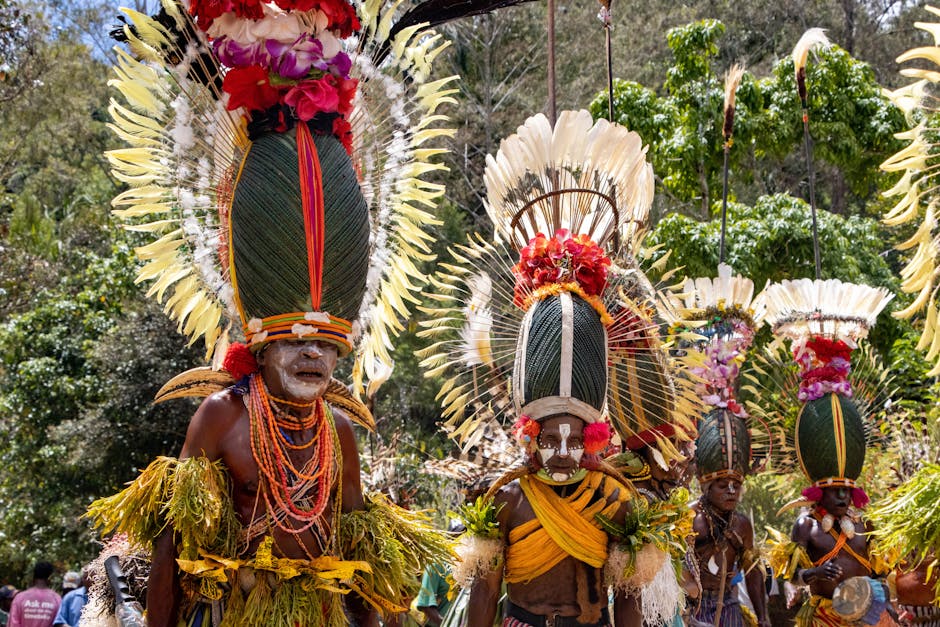
The first light in Tari breaks not with silence, but with a low, rhythmic hum. It’s the sound of hundreds of voices beginning the day, mingling with the distant crow of a rooster and the crisp, thin air of the Southern Highlands. You breathe in the scent of woodsmoke and damp earth, a smell as ancient as the mountains themselves. For 48 hours, you are a guest in a world where tradition is worn proudly on the body, in the vibrant yellow and red ochre of a Huli warrior’s face paint, and in the intricate, towering wigs that are not costumes, but a living history.
Quick Facts Before You Go
- Best Months: May to October during the drier “cool” season. Trails are passable, and major cultural shows are often scheduled.
- Currency: Papua New Guinea Kina (PGK). 1 PGK ≈ 0.27 USD. Cash is king; bring clean, un-torn bills.
- Language: Huli and Tok Pisin are primary. Basic English is understood in guesthouses and at the market, but learning a few Tok Pisin greetings like “Monin” (Good morning) is cherished.
- Budget: A realistic daily cost is 300-500 PGK ($80-$135 USD) for basic lodging, meals, and local guide fees. This is not a luxury destination.
- Getting There: Fly into Tari Airport (TIZ) via Air Niugini or PNG Air from Port Moresby (POM). The flight is about 1.5 hours. Book at Skyscanner
Day 1: Immersion in the Heart of Huli Land
You start the morning with a strong, local coffee on the veranda of your lodge, watching the mist lift from the valley. Today is about connection. The pace here is measured, dictated by the sun and the seasons, not a clock. Your goal isn’t to tick off sights, but to understand a way of life. Locals recommend moving with respect and an open mind; you are walking into a living cultural tapestry.
- Morning (8-11am): Visit the Tari Market. This is the vibrant, beating heart of the district. Go early to see it come to life. You’ll find stalls of brilliant orange kaukau (sweet potato), bundles of greens, and smoked meats. But the real spectacle is the people. Huli men with their iconic wigs adorned with feathers of the Raggiana bird-of-paradise and women in traditional grass skirts conduct their trade. It’s a photographer’s dream, but always, *always* ask for permission before taking a portrait. A small market purchase (5-10 PGK) is a good gesture.
- Lunch: Your best bet is a simple meal at a local kai bar (food stall). Look for one serving mumu—a traditional feast of pork, sweet potato, and greens cooked in an underground oven with hot stones. A plate costs around 15-25 PGK. For a more familiar setting, the restaurant at the Ambua Lodge offers excellent, safe buffets for guests and pre-arranged visitors (approx. 60 PGK).
- Afternoon (1-5pm): Arrange through your lodge for a visit to a nearby Huli clan settlement. This is the core of your Tari experience. For a fee of about 100-150 PGK per person (often negotiated as a group rate), you’ll be welcomed by a family or clan leader. You’ll see the Huli wig school (“Huli Ako”), where young men (initiates) live in isolation for up to 18 months, growing and crafting their ceremonial wigs from their own hair. You may witness the intricate process of applying face paint from natural clays and ochres. This is not a performance; it’s an invitation into their daily cultural practice.
- Evening: Enjoy dinner back at your lodge. As darkness falls, the sounds of the highlands change. Listen for the chorus of insects and distant singing. If you’re lucky, your hosts might share legendary stories of the Huli’s ancestral figure, Hela, and the origins of their wigmen traditions, tales passed down for generations around fires just like this.

A senior woman stands smiling amidst vibrant traditional Papua New Guinean …, Tari’s District, Papua New Guinea
Day 2: From Waterfalls to Weaving
Your second day balances the profound cultural immersion with the stunning natural beauty that shapes Huli life. The air feels fresher today, and you have a sense of the landscape’s scale. Savvy visitors know that the true magic often lies just beyond the main paths, in the quiet moments beside a river or in the skilled hands of a craftswoman.
- Morning: Take a guided walk to the Tagali River area or a local waterfall, like the ones near Ambua. Your guide (essential, approx. 80 PGK for a half-day) will point out medicinal plants and birdlife, including the chance to spot the magnificent Raggiana bird-of-paradise, the national bird. Breakfast beforehand is usually provided by your lodge—expect fresh tropical fruit like pawpaw and maybe pancakes.
- Midday: Your main attraction is a deeper dive into traditional crafts. Visit a local family known for their bilum (string bag) weaving. Women create these incredibly strong and beautiful bags from tree bark or purchased wool, each pattern telling a story. You can watch and often purchase one directly from the artisan for 50-200 PGK depending on size and complexity. The insider tip? Go with your guide who knows the families; this ensures your visit is welcome and your purchase supports the artisan directly.
- Afternoon: Explore the quieter areas around Tari town itself. Visit the local Catholic or Lutheran mission, which often has a small, interesting history of the area’s contact with the outside world, which only began in earnest in the 1930s. Then, simply sit and observe daily life. Watch children playing, men discussing the day. This unstructured time is when travelers often discover the most genuine interactions.
- Final Evening: For your farewell, a special mumu might be arranged by your lodge if you’re in a group. If not, a final hearty meal at the lodge is perfect. As you eat, reflect on the quote from a Huli elder you might have heard: “We do not own the land; we are its custodians for our children.” It’s a philosophy you can feel in every interaction here.

Stunning aerial view of Port Moresby, Tari’s District, Papua New Guinea
The Food You Can’t Miss
Dining in Tari is about sustenance and tradition rather than culinary complexity. The Highlands diet is built on the “staples”: kaukau (sweet potato), taro, rice, and greens, often supplemented with protein from pork or freshwater fish. The undisputed king of experiences is the mumu. This isn’t just a meal; it’s a social event. A pit is dug, stones heated, and layers of meat, tubers, and leafy vegetables are wrapped in banana leaves and left to steam for hours. The result is incredibly tender, smoky, and flavorful food. You’ll likely try this at a cultural visit or a lodge-arranged event.
For everyday eating, your street food is the kai bar. Look for simple, hearty plates of rice with tinned fish (often called “tinpis”) or stewed chicken for about 10-15 PGK. Fresh tropical fruit is a must—buy a sweet, juicy pineapple or a handful of passionfruit from the market for a few kina. At lodges like Ambua or the Tari Gap Lodge, you’ll be served buffet-style meals that are safe for foreign stomachs and often include soups, roasted meats, vegetables, and fresh fruit. Plan to spend 50-80 PGK per person for lodge meals. Remember, this is a remote area; variety is limited, but the quality of the local produce is exceptional.

Tranquil coastal view featuring waves, lush greenery, and a vibrant sunset sky., Tari’s District, Papua New Guinea
Where to Stay for the Weekend
Accommodation in Tari is functional and focused on the cultural experience. There are no large hotels or resorts. Your choice is between a few established lodges that cater to travelers and researchers.
Ambua Lodge is the most famous, located about a 45-minute drive from Tari town at a higher, cooler elevation (around 7,000 feet). It consists of traditional-style rondavels with private verandas offering breathtaking valley views. It’s a full-service lodge with meals, guided tours, and cultural visits expertly arranged. This is the most comfortable option, with prices starting around 600-800 PGK per person per night, including meals and some tours. Book well in advance.
Closer to town, Tari Gap Lodge is a more modest but perfectly adequate option. It offers basic, clean rooms and a central location for accessing the market and arranging local guides. Prices are lower, around 200-350 PGK per night, with meals extra. For the truly intrepid, some local guesthouses in town offer very basic rooms for under 100 PGK, but these have shared facilities and require maximum flexibility. For standard bookings, check Booking.com for the lodges. Given the remote nature, direct email booking via the lodge websites is often more reliable. Airbnb is not a practical option here.
Before You Go: Practical Tips
- Getting Around: There are no taxis or public buses for tourists. Your transport will be arranged by your lodge via 4WD vehicle. A half-day trip can cost 150-300 PGK depending on distance and group size. Walking is possible in immediate areas but always with a local guide for safety and cultural respect.
- What to Pack: 1) Sturdy, broken-in hiking boots for muddy, uneven trails. 2) A quality rain jacket—the weather changes instantly. 3) Small denomination, clean Kina notes for market purchases and tips. 4) Power bank/battery pack as electricity can be intermittent.
- Common Tourist Mistakes: 1) Failing to hire a local guide. It is disrespectful and unsafe to wander into clan lands unannounced. A guide is your cultural bridge and permission. 2) Bargaining aggressively at the market. This is a subsistence economy. Pay the asked price for small items; it’s a significant income for the seller.
- Money-Saving Tip: Travel as part of a small group (3-4 people). You can split the cost of guides and vehicle hire, which are your biggest expenses after lodging. A guide for a day that might cost 250 PGK total becomes 60 PGK each in a group of four.

