Surxondaryo, Uzbekistan (2026)
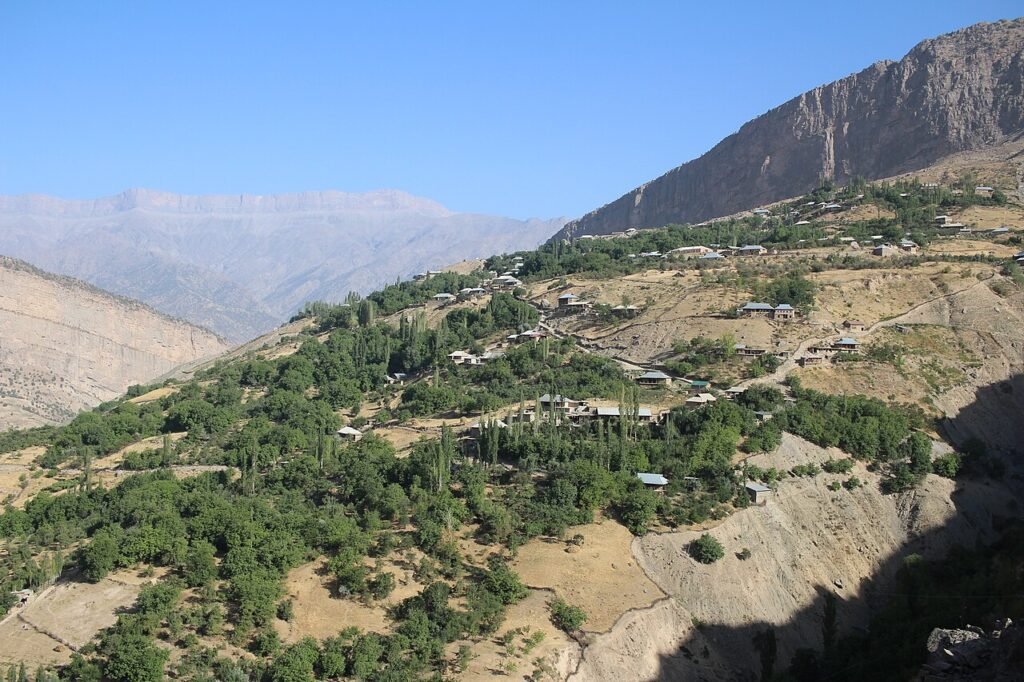
You wake to the sound of your own breath fogging in the cold morning air, your tent pitched at 3,200 meters on a rocky saddle above the Hissar Range. The first rays of sun hit the Bajaisang Peak, turning its limestone cliffs into a wall of fire. Below, the green ribbon of the Surkhan River cuts a path through the valley, and somewhere between the wild walnut forests and ancient rock art, you realize: this is the adventure you didn’t know you were looking for. Surxondaryo, Uzbekistan’s forgotten southern province, is raw, remote, and utterly extraordinary.
The Main Event: Hiking the Hissar Mountain Traverse
Your best bet for the signature adventure here is the three-day Hissar Traverse, a challenging but doable trek that links the high pastures of Kyrgyz-Bulak with the famous Boysun plateau. Start in the village of Pashkhurt, about an hour’s drive from Boysun town. Most travelers hire a local guide through the Boysun Adventure Club (expect to pay around $50-60 per day per group, including a licensed guide and a donkey for your gear). The trail climbs steadily for the first day through juniper forests, then emerges above the treeline where you’ll see the legendary Sarmych springs – locals call it “the place where the mountains drink” – and the vast caves that pepper the white limestone cliffs. Plan to start your hike no later than 7:00 AM to beat the midday heat; even at altitude, temperatures can hit 28°C by noon. You’ll need at least one liter of water per person per hour, but savvy travelers know to carry a water filter – you can fill up from the glacial streams that run alongside the trail.
The traverse ends dramatically at the Zinkur-ata rock shelter, a sacred pilgrim site where you’ll find 2,000-year-old petroglyphs of ibex, warriors, and hunting scenes. The final descent into the village of Pasurkhoy is a knee-jarring, 400-meter drop that will have you questioning every step – but the reward is a homestay feast of *osh* (plov), fresh yogurt, and strawberries from the locals’ gardens. Expect to feel completely wrecked but triumphantly alive. The full traverse covers 42 kilometers over three days, and the difficulty is firmly “hard” – the altitude hits 4,000 meters at the highest pass. The best time of day to start any leg is early morning, and the perfect season is late September, when the snow has cleared and the autumn colors turn the walnuts gold.
Insider tip: Most trekkers miss the side trip to the 70-meter-deep Uzbekhovuz cave near the Pashkhurt trailhead. Ask your guide for a rope – half a day’s detour, and you’ll have the entire shaft to yourself. No other tourist does this.
Activity #1: Horse Trekking to Alpomish Peak
If you want to feel like a Silk Road nomad without the blisters, your answer is a horse trek from the village of Vayron to the sacred peak of Alpomish (3,140 meters). This is not a gimmicky tourist ride – you’re given a well-trained Karabair horse, a native breed known for its endurance on rocky terrain. The 14-kilometer route takes about six hours round-trip, and you’ll ride through apricot orchards, past limestone cliffs covered in ancient petroglyphs, and finally into the alpine meadows where shepherds live in traditional yurts. Begin from the Boysun Adventure Club base at 8:00 AM sharp. The rate is $25 per hour, and you’ll want a full six hours to appreciate the summit views east toward the Tajik border. Expect to pay in cash (soms are preferred, though USD works at major hubs). Your guide, usually a local shepherd named Bakhtiyor or Rustam, will share stories about the folk hero Alpomish, who supposedly threw a stone across the entire valley – you’ll see the crater where it landed. Locals recommend bringing a pack of apricot leather (kurut) as a snack for your horse; they love it, and it earns you their trust instantly.
The best time of day is the morning – by 11:00 AM, the sun is harsh, and the horses get lazy. You’ll be provided with a basic helmet and a woven saddle blanket, but seasoned travelers advise you to bring your own riding gloves and a light fleece – even in summer, the summit winds bite. For photographers, the golden hour on the descent is magical, with the Surkhan River snaking 1,200 meters below you. This trek is a perfect warm-up for the full traverse, or a stand-alone adventure if you’re tight on time. The physical difficulty is moderate – you need to know how to trot and post, but your horse will handle the technical terrain. Just remember to stretch your legs afterward; riders often discover their thighs have turned to jelly.
Activity #2: River Rafting on the Surkhan Darya
After spending days at altitude, you’ll want to come down to the roaring waters of the Surkhan Darya for a completely different kind of adrenaline. The best section for rafting runs from the village of Shargun south to Denau – a 23-kilometer stretch of Class III-ish rapids that churns through a canyon of red sandstone. You can book through the regional tourism office in Termez (ask for the “Surkhan Raft” crew; they operate every Friday from May to September). Commercial trips cost $45 per person for a 2-hour run, including a wetsuit, helmet, and certified guide – you’re in an 8-seater raft, so you’ll coordinate with the paddlers. Safety is solid, but you’re far from any hospital; the only emergency rescue is via a dirt road that parallels the river. You’ll need to arrive at the Shargun put-in point (65 km from Boysun) by 9:00 AM. The water level peaks in late May when snowmelt is at its fullest, making the rapids bigger and arguably more thrilling. Locals recommend the early run because the canyon walls create shade only in the morning; by midday, you’re baking. Bring a dry bag for your phone – you will get splashed, guaranteed. If you’re not up for paddling, there’s a standing-wave spot near the village of Denau where you can body-surf in a life jacket, a favorite of local teenagers.
What makes this rafting experience different from, say, Colorado or the Alps is the raw wilderness around you. You’ll drift past ancient irrigation systems, wild pistachio trees, and occasionally run into shepherds leading their flocks across the river. There are zero commercial facilities along the route – just you, the water, and the occasional eagle soaring overhead. Your guide will point out the crumbling remains of a 2nd-century Sogdian fortress perched on the canyon rim, a reminder that this was once a boundary of empires. The trip ends with a dinner of freshly caught river fish – *frol* – cooked over an open fire at the take-out point. This is a half-day experience (around 4 hours total), and you’ll want to book at least 48 hours in advance through your hotel or the tourism office in Termez. Visits are allowed with a permit if you’re trekking in border areas – your operator will arrange it.

Location of Surxondaryo Region (Surxondaryo Viloyati) in Uzbekistan., Surxondaryo, Uzbekistan
Refuel: Where Adventurers Eat
After burning 3,000 calories on the trail, your body demands serious fuel. In Boysun town, make a beeline for **Chorsu Oshxona** (14 Ulitsa Samarkand), a family-run diner that has been feeding mountain guides for two decades. Their *halim* – a slow-cooked wheat and mutton porridge – is legendary, and at $3 a bowl, you’ll order two. Travelers consistently rave about the *kebab Surkhandarya*: chunks of marinated lamb grilled over a pit of apricot wood, served with raw onion salad and fresh flatbread. Open from 7 AM to 9 PM daily.
For a proper sit-down meal with a cold beer (yes, they’ve got it), head to **Karvon Café** in Denau (1 Mirzo Ulugbek Street). The menu is simple but perfect for adventurers: *osh* with horse sausage, refreshing *suzma* yogurt drinks, and a local specialty called *shashlik*, skewered wild lamb that you’ll swear tastes like nowhere else. A full meal runs about $8. The owner, Jamshid, is a former mountain biker – he’ll happily give you trail beta over your meal, and locals recommend asking him about the secret waterfall on the Sherobod Pass. They’re open from noon until midnight.
If you’re based in Termez for your rafting, hit **Bazar Tavern** (near the main bazaar, open from dawn). It’s a no-frills place where guides go for pre-run fuel. Order the *lagman* – a steaming bowl of pulled noodles in broth with vegetables and beef – for $2.50. You’ll leave with a full stomach and a strange regret that you can’t stay longer. For a slightly higher-end dinner, **Oasis Restaurant** (Bokhara Street, Termez) does a fantastic *plov* with chickpeas, raisins, and copious amounts of lamb fat. It’s $6, and the rooftop seating gives you views of the Amu Darya as the sun sets. Don’t skip the *chay* – their mint tea is the real deal.
Base Camp: Where to Stay
Active travelers in Surxondaryo have three solid options, each tailored to your adventure base. In Boysun town, **Boysun Guesthouse** (12 Uzbekiston Street) is the de facto home for trekkers. Run by the guide association, it offers basic dorm beds ($10/night) and private doubles ($25) with hot showers – a godsend after icy mountain streams – and secure storage for your bikes and gear. The staff will wake you at 5 AM for early hikes and pack a simple breakfast of bread, cheese, and eggs to go. Book ahead via [Booking.com](https://www.booking.com) for peace of mind.
For those who prefer comfort after intensity, **Sanobar Hotel** in Termez (opposite the Andrei Ovchinnikov Peak monument) is a three-star property with a pool, laundry service, and a restaurant that actually serves decent western breakfasts. Doubles run from $40/night. It’s your best bet for river rafting trips, and the staff can arrange transport to the put-in point. The only catch: no alcohol served, which is fine for most but a letdown for a few. Mention you’re adventurers and they’ll let you check in early for a fee.
Finally, for a truly authentic experience, book a yurt stay with **Pamiran Yurt Camp** (set up seasonally from June to September near the upland pastures of the Hissar range). Your hosts are a nomadic family of shepherds who cook *kumis* (fermented mare’s milk) and serve lamb soup under stars. It’s about $30 per night, including all meals. There’s nothing luxurious about it – you’ll sleep on woven carpets wrapped in blankets – but waking up to the sound of horse hooves and the sun breaking over the peaks is better than any five-star hotel. You can reserve through your tour operator or find links on [Booking.com](https://www.booking.com) in the summer months.
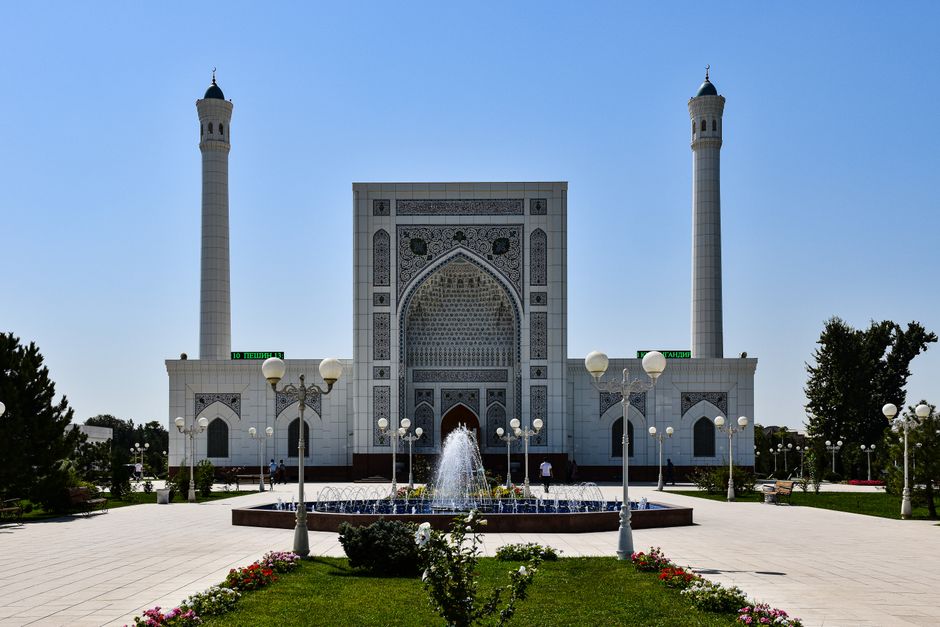
Beautiful mosque with intricate design and fountains under a clear blue sky., Surxondaryo, Uzbekistan
Gear & Prep Checklist
- **Hydration system:** A 2-liter hydration bladder or water bottles plus a high-quality water filter (e.g., Sawyer Mini) – the glacial streams are pure but not iodine sterile.
- **Trekking pole(s):** The descents on the Hissar Traverse are brutal on knees; a lightweight pole will save you. You can buy basic ones in Boysun for $10, but bring your own if you have a favorite.
- **Altitude-friendly clothing:** Layers, including a down jacket for the summit crossings and a waterproof shell for sudden thunderstorms. Nights can drop to -5°C even in July at 4,000 meters.
- **Fitness requirement:** Build up to 6-8 hours of daily hiking with a 10-12 kg pack before you arrive. The traverse is not technical, but the altitude and endless switchbacks will humble anyone.
- **Safety consideration:** Register your trek with the local tourism police in Boysun – it’s free and takes 10 minutes. They can alert rescue teams if you don’t return on a planned date. Also, be aware of the proximity to the Afghan border; your permit (arranged by your guide) is mandatory for certain areas.
Getting There & Around
- Flights: The nearest airport is Termez International Airport (TMJ), served by Uzbekistan Airways daily flights from Tashkent. Expect to pay about $50-70 one way if booked a week ahead. Book at [Skyscanner](https://www.skyscanner.com). Alternatively, fly to Samarkand and take a 4-hour train/bus ride to

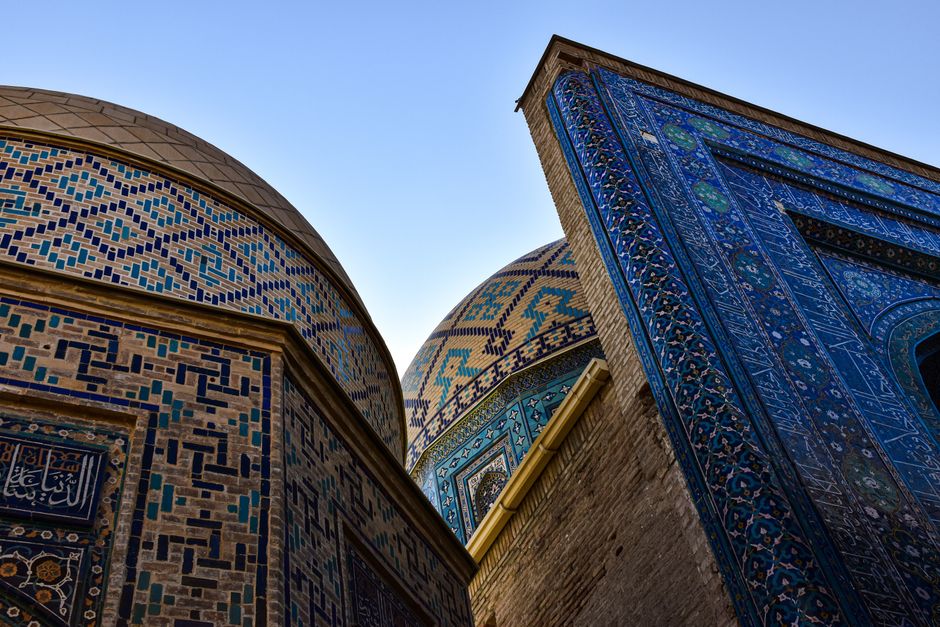
Explore the stunning mosaic patterns and domes of Shah-i-Zinda, Surxondaryo, Uzbekistan