
Pisac, Peru’s Incredible Ruins, Markets & Sacred Valley Serenity (2025)
At 7 AM on a Sunday, the air in Pisac’s main plaza fills with the scent of roasting *cuy* (guinea pig) and the sound of Quechua bartering. This isn’t just a market day; it’s the largest indigenous market in the Sacred Valley, where over 200 vendors from remote villages converge. While most day-trippers from Cusco arrive by 11 AM, savvy travelers know the real magic happens before the tour buses do, when you can watch the plaza transform and negotiate directly with weavers for exquisite, one-of-a-kind textiles.
Why Pisac, Peru Stands Out

Brown rocks, Pisac, Peru
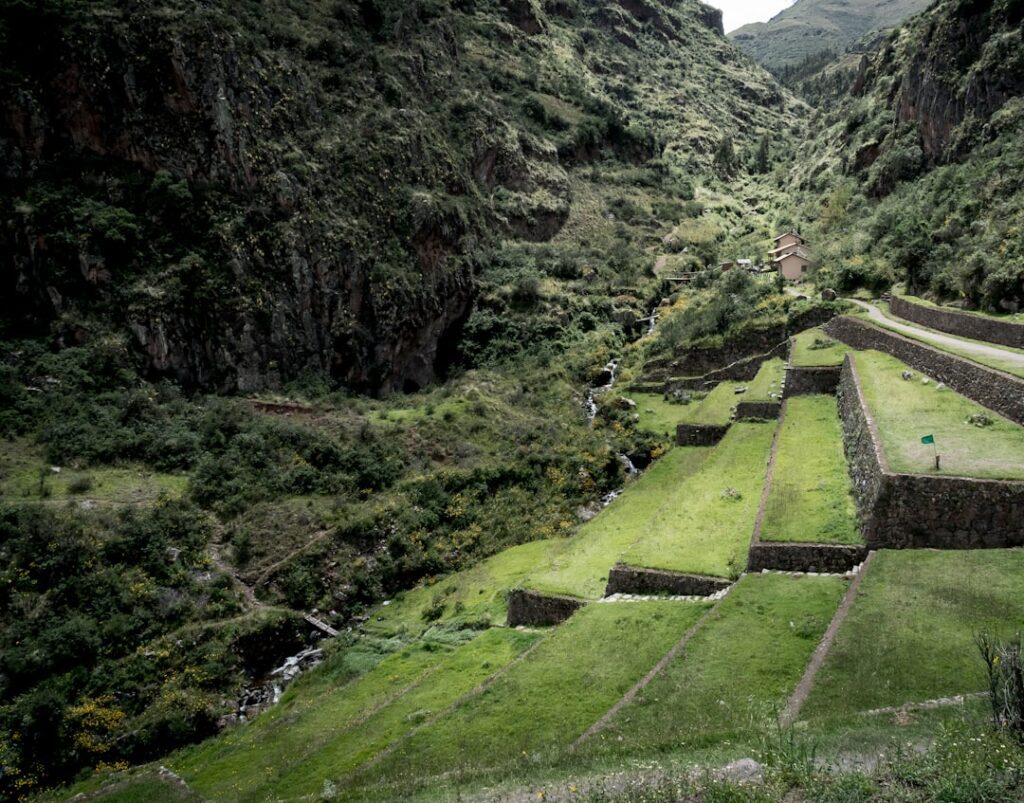
- Historic Architecture: The Pisac Archaeological Park, built by Inca Pachacuti around 1440 AD, features stunning agricultural terraces, a solar observatory, and a cliffside necropolis with over 3,000 tombs.
- Cultural Scene: The Sunday *Feria Dominical* market is a vibrant, centuries-old tradition where you can witness authentic Quechua culture and purchase textiles directly from the communities that weave them.
- Local Specialties: You must try *Choclo con Queso*—giant-kerneled Andean corn served with a slab of local cheese, a simple yet perfect snack sold by street vendors.
Pro Tip: Visit the ruins on a Tuesday, Wednesday, or Thursday. The famous market is on Sunday, but the ruins are packed. On these quieter weekdays, you’ll often have entire sections of the terraces to yourself. Arrive at the site gate by 7:30 AM to witness a spectacular, crowd-free sunrise over the valley.
Map of Pisac, Peru
Use these interactive maps to explore Pisac, Peru and plan your route:
📍 View Pisac, Peru on OpenStreetMap
🗺️ Open Pisac, Peru in Google Maps
Planning Your Trip: Practical Essentials
Getting There and Around
- By Air: Fly into Alejandro Velasco Astete International Airport (CUZ) in Cusco. Major airlines include LATAM, Avianca, and Sky Airline. From Cusco, take a 90-minute colectivo (shared van) or taxi to Pisac. Book flights at Skyscanner for best deals.
- By Train: There is no direct train to Pisac. The scenic Belmond Hiram Bingham train runs from Cusco to Machu Picchu. For Pisac, road transport is your only option. For other Peruvian rail journeys, check Trainline or the national railway website.
- By Car: The drive from Cusco takes about an hour via the PE-3S highway. Rental cars are available in Cusco, but note that driving in the Sacred Valley requires caution. Compare car rentals at RentalCars.com.
- Local Transport: Colectivos (shared vans) run constantly between Cusco’s Puputi Street and Pisac’s main bridge (S/8-10 or ~$2-3 USD). In town, everything is walkable. Taxis for short trips within Pisac cost S/5-10.
Best Time to Visit
The dry season (May-September) offers the most reliable weather for hiking the ruins, but it’s also peak tourist season. Shoulder months provide a fantastic balance of good weather and fewer visitors.
| Season | Weather | Highlights |
|---|---|---|
| Dry Season (May–Sep) | Sunny days, cold nights (55-70°F / 13-21°C), almost no rain. | Ideal for hiking ruins; vibrant, clear skies; crowded markets and sites. |
| Wet Season (Dec–Mar) | Frequent rain, lush greenery (50-68°F / 10-20°C). | Fewer tourists, lower prices, emerald-green landscapes; some trails can be muddy. |
| Shoulder (Apr & Oct–Nov) | Mild, sporadic showers (52-72°F / 11-22°C). | Best value; pleasant weather; you’ll experience local life without the high-season bustle. |
Budgeting for Pisac, Peru

A forest of trees, Pisac, Peru
| Category | Budget | Mid-range | Luxury |
|---|---|---|---|
| Accommodation | Hostel: S/40-80 ($10-20) | Boutique Hotel: S/240-400 ($60-100) | Luxury Lodge: S/600+ ($150+) |
| Meals | Market Stall: S/15-25 ($4-7) | Restaurant: S/40-80 ($10-20) | Gourmet: S/120+ ($30+) |
| Transport | Colectivo: S/8 ($2) | Local Taxi: S/10-20 ($3-5) | Private Driver: S/200+ ($50+) |
| Activities | Ruins Entry: S/70 ($18)* | Guided Tour: S/100-150 ($25-38) | Private Guide + Ceremony: S/400+ ($100+) |
| Daily Total | S/133-183 ($34-46) | S/390-650 ($98-163) | S/1320+ ($330+) |
*Part of the Cusco Tourist Ticket (BTC), which is S/130 for a partial 2-day ticket or S/200 for a full 10-day pass.
Top Attractions and Must-See Sights
| Attraction | Description | Hours | Entry Fee |
|---|---|---|---|
| Pisac Archaeological Site | Vast Inca citadel with breathtaking terraces, temples, and a famous Intihuatana (sun clock). | 7:00 AM – 6:00 PM | Included in Cusco Tourist Ticket (BTC) |
| Pisac Artisan Market | The vibrant heart of town, especially on Sundays, for authentic textiles, jewelry, and local produce. | Daily, 8:00 AM – 5:00 PM (Biggest Sun) | Free |
| Santuario Animal de Cochahuasi | A wildlife sanctuary rescuing Andean condors, pumas, and other native species, just 15 minutes from town. | 9:00 AM – 5:30 PM | S/20 ($5) |
| Iglesia San Pedro Apóstol | A beautiful 17th-century colonial church built atop Inca foundations, located on the main plaza. | Mass times only (usually evenings) | Free (donation) |
3-Day Itinerary: Pisac, Peru’s Highlights & Hidden Gems
Day 1: Inca Engineering & Market Immersion
- Morning (7:00 AM): Take a taxi (S/25) up to the **Pisac Ruins** main entrance. Hike down through the terraces, military area, and temple sector, reaching the Q’allaqasa cliffside tombs by 10:00 AM for the best light.
- Afternoon (12:30 PM): Exit at the lower gate and walk 20 minutes into town. Have lunch at **El Horno de Pizac**, a local favorite, for a wood-fired pizza with Andean ingredients or a hearty *Lomo Saltado* (S/35-50).
- Evening (6:00 PM): Explore the quieter artisan stalls around the plaza. For dinner, head to **Cuchara de Palo** at the Pisac Inn for innovative Novo-Andean cuisine like alpaca medallions in a berry sauce (S/60-90).
Day 2: Culture, Crafts & Condors
- Morning (8:00 AM): If it’s Sunday, dive into the **Main Market**. On other days, visit the **Mercado de Artesanías** for calmer shopping. Then, take a 10-minute taxi (S/15) to **Santuario Animal de Cochahuasi** for their 11:00 AM condor flight demonstration.
- Afternoon (1:00 PM): Return to town for a late lunch at **Ulrikes Café**, known for its German-Peruvian fusion and arguably the best coffee in the Sacred Valley (S/30-50).
- Evening (5:00 PM): Join a **ceremonial coca leaf reading** or a **traditional weaving demonstration** offered by cultural centers like the Pisac Inn. Follow with a casual dinner of empanadas from a street vendor.
Day 3: Sacred Valley Exploration
- Morning (8:00 AM): Hire a taxi for 3 hours (approx. S/120) to visit the nearby **Salineras de Maras** (the stunning salt mines) and the circular Inca terraces at **Moray**. Your driver will wait as you explore.
- Afternoon (12:30 PM): Ask your driver to drop you at **Hacienda Sarapampa** for a unique lunch and a tour learning about the cultivation of giant white corn (Reservation required, ~S/80).
- Evening (6:00 PM): Enjoy a final, relaxed evening at **Mullu**, a restaurant with a gorgeous garden patio, for fresh trout from the Urubamba River and a pisco sour (S/40-70).
Cultural Insights & Etiquette
- Language: Spanish is official; Quechua is widely spoken. Learn basics: “Allillanchu” (Hello in Quechua), “Sulpayki” (Thank you), “¿Cuánto cuesta?” (How much?).
- Customs: Always ask permission before photographing people, especially locals in traditional dress. A simple “¿Foto?” with a smile is polite.
- Tipping: 10% is standard in restaurants if service isn’t included. For guides, tip S/20-40 per day. For taxi drivers, rounding up is fine.
- Dress Code: Dress in layers for changing weather. When visiting churches or sacred sites, modest dress (covered shoulders/knees) is respectful.
- Business Hours: Shops: 9 AM-6 PM. Restaurants: Lunch 12-3 PM, Dinner 6-9 PM. Many places close on Tuesday afternoons. Major holidays like Inti Raymi (June) can affect hours.
Where to Eat: Pisac, Peru’s Best Bites
Pisac’s food scene blends hearty Andean staples with a surprising touch of international flair, thanks to a community of expats and returning Peruvians. The market is your best classroom for authentic flavors.
Must-Try Local Specialties
- Choclo con Queso: The ultimate street food. Look for ladies with large pots of corn near the market entrance.
- Cuy al Horno: Roasted guinea pig, a traditional Andean protein. For the full experience, try it at a market stall on Sunday.
- Trout (Trucha): Fresh from the Urubamba River, often served grilled or in a garlic sauce. **Mullu** restaurant does an excellent version.
Restaurant Recommendations by Budget
| Type | Restaurant | Specialty | Price Range |
|---|---|---|---|
| Budget | Market Food Stalls (Main Plaza) | Menú del Día (set lunch), Cuy, Empanadas | S/10-25 ($3-7) |
| Mid-range | Ulrikes Café (San Francisco St.) | Homemade Strudel, Strong Coffee, Sandwiches | S/25-50 ($6-13) |
| Fine dining | Cuchara de Palo (Pisac Inn, Plaza) | Novo-Andean Tasting Menu, Alpaca Dishes | S/60-120 ($15-30) |
Where to Stay
Accommodation ranges from basic hostels to stunning valley-view lodges. Staying near the plaza is most convenient, but properties along the river offer tranquility. Compare prices and book at Booking.com or Airbnb for apartments.
Best Neighborhoods for Accommodation
- Plaza de Armas & Central Pisac: The heart of the action, steps from the market, restaurants, and transport. Can be noisy on market nights. Ideal for first-time visitors and shoppers.
- Along the Urubamba River: A 10-15 minute walk from the center, these lodges offer serene gardens, mountain views, and bird songs. Perfect for relaxation and nature lovers.
- Road to the Ruins (Zona Alta): A few hotels are perched on the hillside, offering spectacular panoramic views. You’ll need a taxi to get to town, but you’ll wake up to sunrise over the valley.

Tree on a hill under a bright blue sky., Pisac, Peru
FAQs: Your Pisac, Peru Questions Answered
1. Is Pisac, Peru safe at night?
Pisac is generally very safe. The main plaza is well-lit and active in the evenings. As in any destination, practice common sense: stick to central areas after dark, don’t flash valuables, and consider taking a taxi (S/5) if your accommodation is a dark walk away.
2. What currency is used and are credit cards accepted?
The Peruvian Sol (PEN/S/) is the currency. Have cash (small bills) for the market, colectivos, and small eateries. Many hotels and nicer restaurants accept credit cards (Visa/Mastercard), but always confirm. ATMs are available near the plaza.
3. How do I get from the airport to Pisac?
From Cusco (CUZ) airport, take an official taxi to the city center (S/25-30), then a colectivo from Puputi Street to Pisac (S/8, 90 mins). For ease, you can book a private transfer directly from the airport to your Pisac hotel for ~S/150-200 ($38-50). Book airport transfers at GetYourGuide for convenience.
4. Do I need to speak the local language?
You can manage with basic Spanish. In tourist areas, some English is spoken. Learning a few Quechua greetings (like “Allillanchu”) will earn you huge smiles and is a sign of deep respect for the local culture.
5. What’s the appropriate dress code?
Think practical layers: a t-shirt, fleece, and a waterproof jacket. Sturdy walking shoes are essential for the ruins. For towns and markets, casual
{“@context”: “https://schema.org”, “@type”: “FAQPage”, “mainEntity”: [{“@type”: “Question”, “name”: “What is the best time to visit Pisac?”, “acceptedAnswer”: {“@type”: “Answer”, “text”: “The best time to visit Pisac depends on your preferences. Generally, the dry season offers the most pleasant weather for sightseeing and outdoor activities.”}}, {“@type”: “Question”, “name”: “How many days do I need in Pisac?”, “acceptedAnswer”: {“@type”: “Answer”, “text”: “Most travelers spend 3-5 days in Pisac to see the main attractions. A week allows for a more relaxed pace and day trips.”}}, {“@type”: “Question”, “name”: “Is Pisac expensive to visit?”, “acceptedAnswer”: {“@type”: “Answer”, “text”: “Pisac can be visited on various budgets. Accommodation ranges from hostels to luxury hotels, and local restaurants offer affordable dining.”}}]}
Related Guides
Explore more destinations similar to Pisac:

