
New Delhi, India’s Best Mughal Grandeur, Spice-Laden Alleys & Timeless Bazaars (2026)
Sunrise over the Yamuna River casts a honeyed glow on the red sandstone of the 17th-century Red Fort, a UNESCO World Heritage site that once housed emperors. Below, the ancient lanes of Chandni Chowk, laid out in 1650 by Princess Jahanara, are already humming with the clatter of cycle rickshaws and the sizzle of parathas in ghee. This is New Delhi, a city where over 3,000 years of history isn’t just in museums—it’s the very air you breathe, a layered tapestry of empires from the Mughals to the British Raj, all pulsing with relentless, modern energy.
Why New Delhi, India Stands Out

Man sitting inside yellow and green autorickshaw, New Delhi, India
- Historic Architecture: The towering Qutub Minar, a 73-meter victory tower started in 1199, is the world’s tallest brick minaret and a stunning symbol of the Delhi Sultanate’s dawn.
- Cultural Scene: The annual Qutub Festival transforms the ancient monument’s grounds into a stage for classical music and dance under the stars, a magical fusion of heritage and art.
- Local Specialties: You haven’t truly experienced Delhi until you’ve tried a plate of butter-drenched, soft Roomali Roti and rich Butter Chicken, a dish born in the city’s Moti Mahal restaurant in the 1950s.
Pro Tip: To experience major sites like Humayun’s Tomb or the Lotus Temple in relative peace, aim for a weekday opening time (usually 9 AM). For markets, late afternoons (4-6 PM) are less chaotic than peak lunch hours. The absolute sweet spot for weather and festivals is October to November.
Map of New Delhi, India
Use these interactive maps to explore New Delhi, India and plan your route:
📍 View New Delhi, India on OpenStreetMap
🗺️ Open New Delhi, India in Google Maps
Planning Your Trip: Practical Essentials
Getting There and Around
- By Air: Indira Gandhi International Airport (DEL) is a major hub with direct global connections. The Airport Express Metro (₹60, 20 minutes) is your fastest, cheapest bet to the city center. Book flights at Skyscanner for best deals.
- By Train: New Delhi Railway Station is India’s busiest, with iconic trains like the Rajdhani Express connecting major cities. Book AC class for comfort. Reserve tickets at Trainline or the national railway website.
- By Car: Driving in Delhi is challenging for newcomers. If you rent, hire a driver. Day trips to Agra are best done by pre-booked car (approx ₹4000-5000). Compare car rentals at RentalCars.com.
- Local Transport: The Delhi Metro is efficient, air-conditioned, and cheap (₹10-60). Use the “Tourist Card” for unlimited travel. Auto-rickshaws are ubiquitous—always insist on the meter or agree on a fare beforehand.
Best Time to Visit
Delhi experiences extreme seasons. The ideal window is the cool, sunny winter, perfect for exploration. Monsoon brings relief but also humidity, while summer is intensely hot.
| Season | Weather | Highlights |
|---|---|---|
| Summer (Jun–Aug) | Very Hot (30°C-45°C) & Dry, then Monsoon rains | Lowest hotel rates; indoor museums and early morning visits are your best bet; crowds are minimal. |
| Winter (Dec–Feb) | Cool & Sunny (5°C-22°C), Chilly mornings | Perfect for all sightseeing; peak festival season (Diwali, Christmas); hotel prices are at their highest. |
| Shoulder (Apr–May/Sep–Oct) | Warm to Hot (25°C-35°C) | Good deals on accommodation; September-October offers pleasant evenings and the pre-festival buzz. |
Budgeting for New Delhi, India

People walking on the hallway, New Delhi, India
| Category | Budget | Mid-range | Luxury |
|---|---|---|---|
| Accommodation | Hostel/Guesthouse: ₹800-1500/night | 3-4 Star Hotel: ₹4000-8000/night | 5-Star Heritage Hotel: ₹15,000+/night |
| Meals | Street Food/Dhaba: ₹200-400/meal | Restaurant: ₹600-1200/meal | Fine Dining: ₹2500+/meal |
| Transport | Metro/Auto: ₹200-300/day | App Cabs (Uber/Ola): ₹600-1000/day | Private Car & Driver: ₹3000+/day |
| Activities | Many monuments (₹0-250 entry) | Guided Tours (₹1000-2000) | Private Heritage Walks, Spa Experiences |
| Daily Total | ₹1500-2500/day | ₹6000-10,000/day | ₹20,000+/day |
Top Attractions and Must-See Sights
| Attraction | Description | Hours | Entry Fee |
|---|---|---|---|
| Red Fort (Lal Qila) | A majestic 17th-century Mughal fort and UNESCO site, symbol of Indian independence where the PM hoists the flag annually. | 9:30 AM – 4:30 PM (Closed Mon) | ₹35 (Indians), ₹500 (Foreigners) |
| Humayun’s Tomb | The sublime 1570s garden tomb that inspired the Taj Mahal, a masterpiece of Persian architecture set in serene charbagh gardens. | Sunrise to Sunset | ₹30 (Indians), ₹500 (Foreigners) |
| Qutub Minar Complex | Home to the iconic brick minaret and ruins of the first city of Delhi, showcasing early Afghan architecture. | 7:00 AM – 5:00 PM | ₹35 (Indians), ₹500 (Foreigners) |
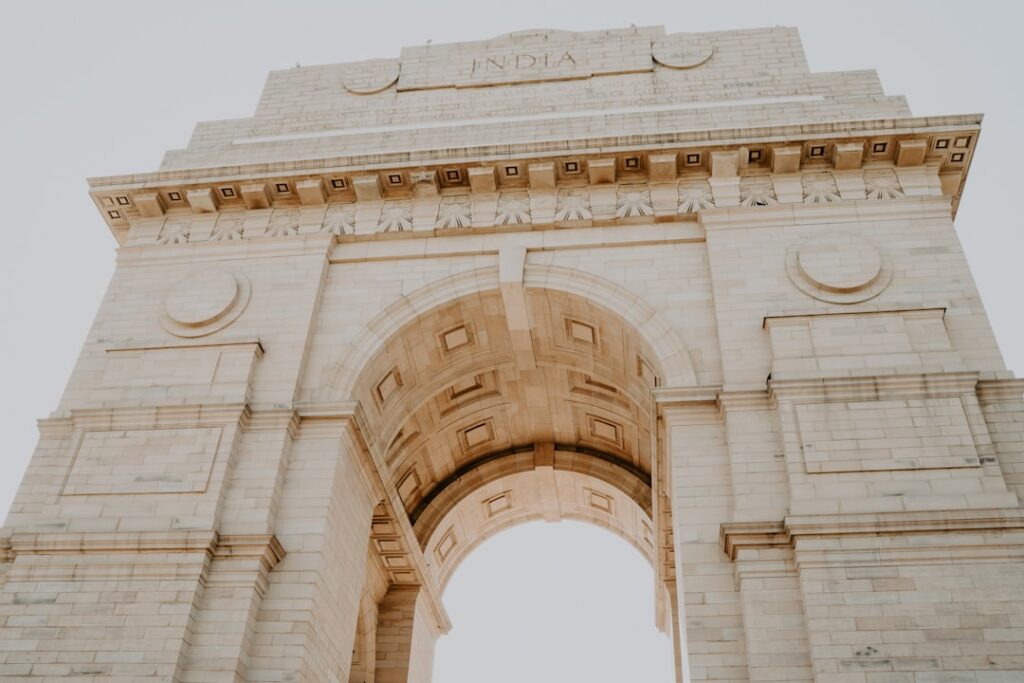
| India Gate & Rajpath | A solemn war memorial arch and the grand ceremonial boulevard, best experienced at dusk when locals gather for strolls. | Open 24 Hours | Free |
3-Day Itinerary: New Delhi, India’s Highlights & Hidden Gems
Day 1: Mughal Majesty & Old Delhi’s Chaos
- Morning (7:30 AM): Beat the crowds at Humayun’s Tomb (opens at sunrise). The morning light on the red sandstone and white marble is breathtaking. Explore the adjacent Nizamuddin Dargah area.
- Afternoon (12:30 PM): Dive into Chandni Chowk by cycle rickshaw (₹200-300 per ride). Stop for a legendary lunch at Karim’s near Jama Masjid, founded in 1913, for their Mutton Burra and Seekh Kebabs.
- Evening (5:30 PM): Visit the immense Jama Masjid (free, ₹300 for camera). Then, head to the rooftop of Hotel Broadway for a drink overlooking the mosque, followed by dinner at Veda for modern Indian cuisine in a glamorous setting.
Day 2: Colonial Grandeur & Spiritual Calm
- Morning (9:00 AM): Tour the Rashtrapati Bhavan (President’s Estate) and Parliament area. Pre-book the highly recommended “Change of Guard” ceremony online (Saturdays in winter, ₹50).
- Afternoon (1:00 PM): Lunch at Indian Accent (The Lodhi Hotel) for an award-winning, inventive take on Indian flavors (set menu from ₹3500). Then, find peace at the Bahá’í House of Worship, the stunning Lotus Temple.
- Evening (4:30 PM): Explore the artsy lanes of Hauz Khas Village, a blend of medieval ruins, boutiques, and cafes. Stay for dinner at one of the lake-view restaurants like Social or Naivedyam for South Indian fare.
Day 3: Ancient Monuments & Market Treasures
- Morning (8:00 AM): Take the Metro (Yellow Line to Qutub Minar, ₹30) to the Qutub Complex. Marvel at the iron pillar that hasn’t rusted in over 1600 years.
- Afternoon (12:00 PM): Head to South Delhi for lunch at Sagar Ratna in Defence Colony for superb vegetarian dosas. Then, shop for handicrafts, textiles, and spices at Dilli Haat (entry ₹30), an open-air craft bazaar.
- Evening (6:00 PM): For your final night, enjoy a classic “Mughlai” dinner at Bukhara (ITC Maurya), famous for its Dal Bukhara and kebabs. Book weeks in advance.
Cultural Insights & Etiquette
- Language: Hindi is official, but English is widely spoken in tourist areas. Learn a few phrases: “Namaste” (Hello), “Shukriya” (Thank you), “Kitna hua?” (How much is it?).
- Customs: Use your right hand for eating and giving/receiving items. Remove shoes before entering homes, temples, and some shops. Public displays of affection are frowned upon.
- Tipping: 10% is standard in restaurants if service charge isn’t included. Tip porters ₹50-100 per bag, and drivers ₹200-300 for a full day.
- Dress Code: Dress modestly, especially at religious sites. Cover shoulders and knees. Loose, breathable cotton is ideal for the climate.
- Business Hours: Shops generally open 10 AM-8 PM, with some closing 1-4 PM. Government sites and museums often close on Mondays.
Where to Eat: New Delhi, India’s Best Bites
Delhi’s cuisine is a royal inheritance, from the kebabs of the Mughal courts to the street-side chaat. Dining ranges from century-old establishments in Old Delhi to globally acclaimed modern restaurants. Don’t be afraid of the street food—just choose busy stalls with high turnover.
Must-Try Local Specialties
- Chaat: The city’s iconic savory snack. Try the crispy, yogurt-drenched Dahi Bhalla at Baba Nagpal Corner in Lajpat Nagar or the tangy Aloo Tikki at BTW in Old Delhi.
- Butter Chicken & Roomali Roti: The original is still served at Moti Mahal Delux in Daryaganj, where it was invented. The buttery, tomato-based gravy is legendary.
- Parathas: Stuffed flatbreads fried in ghee. Paranthe Wali Gali in Chandni Chowk is the historic lane dedicated to them, with fillings from potato to rabri (sweet condensed milk).
Restaurant Recommendations by Budget
| Type | Restaurant | Specialty | Price Range |
|---|---|---|---|
| Budget | Kake Da Hotel, Connaught Place | No-frills, legendary North Indian curries and tandoori chicken since 1942. | ₹300-500 per person |
| Mid-range | Yeti – The Himalayan Kitchen, Hauz Khas | Authentic Nepali and Tibetan momos (dumplings) and thukpa in a cozy setting. | ₹800-1200 per person |
| Fine dining | Indian Accent, The Lodhi Hotel | World-ranked progressive Indian cuisine with a global twist (like blue cheese naan). | ₹3500-5000+ per person |
Where to Stay
Your neighborhood choice defines your Delhi experience. Connaught Place is central and well-connected, South Delhi (Hauz Khas, GK) is upscale and leafy, while Paharganj near New Delhi Station is the classic backpacker hub. Compare prices and book at Booking.com or Airbnb for apartments.
Best Neighborhoods for Accommodation
- Connaught Place: The commercial heart with colonial-era circular design. Pros: Excellent metro hub, central to everything, dining options galore. Cons: Can be noisy, traffic-heavy. Suits: First-time visitors and business travelers.
- South Delhi (Hauz Khas, Greater Kailash): Upscale, residential, and green. Pros: Quieter, trendy cafes, boutiques, close to many attractions. Cons: Further from Old Delhi, relies more on cabs. Suits: Families and travelers seeking a relaxed, local vibe.
- Paharganj (Main Bazaar): The bustling budget zone near the railway station. Pros: Incredibly cheap stays, backpacker community, great street food. Cons: Overwhelmingly chaotic, noisy, less polished. Suits: Solo backpackers on a tight budget.

Brown cart near silver car, New Delhi, India
FAQs: Your New Delhi, India Questions Answered
1. Is New Delhi, India safe at night?
Central and tourist areas like Connaught Place, South Delhi, and major market complexes are generally safe at night. As in any major city, exercise caution: avoid poorly lit alleys, don’t flash valuables, and use registered app-based cabs (Uber/Ola) for transportation after dark. Women travelers should be particularly vigilant in crowded areas.
2. What currency is used and are credit cards accepted?
The Indian Rupee (INR/₹) is the currency. Credit/debit cards are widely accepted in malls, hotels, and mid-to-high-end restaurants. However, you must carry cash for auto-rickshaws, street food, small shops, and tips. ATMs are plentiful. Notify your bank of travel plans to avoid card blocks.
3. How do I get from the airport to the city center?
The Airport Express Metro (₹60, 20 mins to New Delhi Station) is fastest. Pre-paid taxi counters (₹500-800 to CP/South Delhi, 45-60 mins) are reliable. App cabs (Uber/Ola) are also available. Avoid unsolicited touts. Book airport transfers at GetYourGuide for convenience.
4.
Explore More Destinations
- Jozani, Tanzania on a Budget: an Ancient Forest for $35/Day (2026)
- Nsumbu, Zambia on a Budget: Wild Africa for $40/Day (2026)
- Semporna, Malaysia on a Budget: Paradise for $35/Day (2026)
- Khuzestan, Iran on a Budget: Ancient Empires for $30/Day (2026)
- Ngerulmud, Palau on a Budget: Island Majesty for $45/Day (2026)
Ready to Visit New Delhi?
Start planning your trip today. Compare hotels, find the best tours, and get insider tips.
Your adventure in New Delhi starts here →
{“@context”: “https://schema.org”, “@type”: “FAQPage”, “mainEntity”: [{“@type”: “Question”, “name”: “What is the best time to visit New Delhi?”, “acceptedAnswer”: {“@type”: “Answer”, “text”: “The best time to visit New Delhi depends on your preferences. Generally, the dry season offers the most pleasant weather for sightseeing and outdoor activities.”}}, {“@type”: “Question”, “name”: “How many days do I need in New Delhi?”, “acceptedAnswer”: {“@type”: “Answer”, “text”: “Most travelers spend 3-5 days in New Delhi to see the main attractions. A week allows for a more relaxed pace and day trips.”}}, {“@type”: “Question”, “name”: “Is New Delhi expensive to visit?”, “acceptedAnswer”: {“@type”: “Answer”, “text”: “New Delhi can be visited on various budgets. Accommodation ranges from hostels to luxury hotels, and local restaurants offer affordable dining.”}}]}
Related Guides
Explore more destinations similar to New Delhi:

