
Kurdistan, Iraq’s Best Mountains, Mesopotamian History & Unmatched Hospitality (2026)
Ask locals about Kurdistan, and they’ll tell you about the 4,000-year-old Citadel of Erbil, a UNESCO World Heritage site that’s been continuously inhabited longer than any other place on Earth. Most guidebooks miss this completely, focusing instead on regional politics. Yet, here in the semi-autonomous region of Iraqi Kurdistan, travelers discover a distinct culture of legendary warmth, where the Zagros Mountains meet ancient Assyrian ruins, and the scent of kebabs grilling over open fires fills bustling, safe city bazaars.
Why Kurdistan, Iraq Stands Out

A group of mannequin heads with hats on them, Kurdistan, Iraq
- Historic Architecture: The 13th-century Mudhafaria Minaret in Erbil, a Seljuk-era masterpiece of intricate brickwork, stands as a testament to the region’s layered history.
- Cultural Scene: The vibrant Newroz (Persian New Year) celebrations each March 21st, marked by massive bonfires, traditional dancing, and picnics in the mountains, are a profound cultural experience.
- Local Specialties: You must try Dolma, a savory masterpiece of vegetables, vine leaves, and sometimes fruit stuffed with spiced rice and meat, slow-cooked to perfection.
Pro Tip: For the perfect balance of pleasant weather and cultural immersion, target the shoulder months of April-May or late September-October. You’ll avoid the intense summer heat and the occasional winter snow in the mountains, while catching vibrant green landscapes or autumn colors.
Map of Kurdistan, Iraq
Use these interactive maps to explore Kurdistan, Iraq and plan your route:
📍 View Kurdistan, Iraq on OpenStreetMap
🗺️ Open Kurdistan, Iraq in Google Maps
Planning Your Trip: Practical Essentials
Getting There and Around
- By Air: Erbil International Airport (EBL) and Sulaymaniyah International Airport (ISU) are the main gateways. Fly with regional carriers like FlyDubai, Turkish Airlines, or Iraqi Airways. A taxi to Erbil city center costs about 15,000-20,000 IQD ($10-$14). Book flights at Skyscanner for best deals.
- By Train: Passenger rail services within the Kurdistan Region are currently limited. For long-distance travel from other parts of Iraq, buses are the primary overland option.
- By Car: Renting a car with a driver is highly recommended for day trips to mountain sites like Rawanduz. Roads between major cities are good. Compare car rentals at RentalCars.com.
- Local Transport: Within cities, use orange taxis; always agree on a price before getting in (3,000-5,000 IQD for short trips). Ride-hailing apps like Careem operate in Erbil.
Best Time to Visit
Kurdistan’s climate varies dramatically from plains to peaks. Spring and autumn offer the most comfortable all-around conditions for exploring both cities and the highlands.
| Season | Weather | Highlights |
|---|---|---|
| Summer (Jun–Aug) | Hot and dry (30°C-40°C / 86°F-104°F). Mountain areas are cooler. | Vibrant evening street life in cities; ideal for visiting higher-altitude areas like Barzan. Fewer crowds at historical sites. |
| Winter (Dec–Feb) | Cold, with rain and occasional snow, especially in the mountains (0°C-10°C / 32°F-50°F). | Dramatic, snow-capped mountain scenery; cozy tea-house culture. Some mountain roads may be impassable. |
| Shoulder (Apr–May/Sep–Oct) | Mild and pleasant (15°C-25°C / 59°F-77°F). Perfect hiking weather. | Optimal for all activities: city tours, hiking, and archaeological visits. Lush green landscapes in spring, golden hues in autumn. |
Budgeting for Kurdistan, Iraq

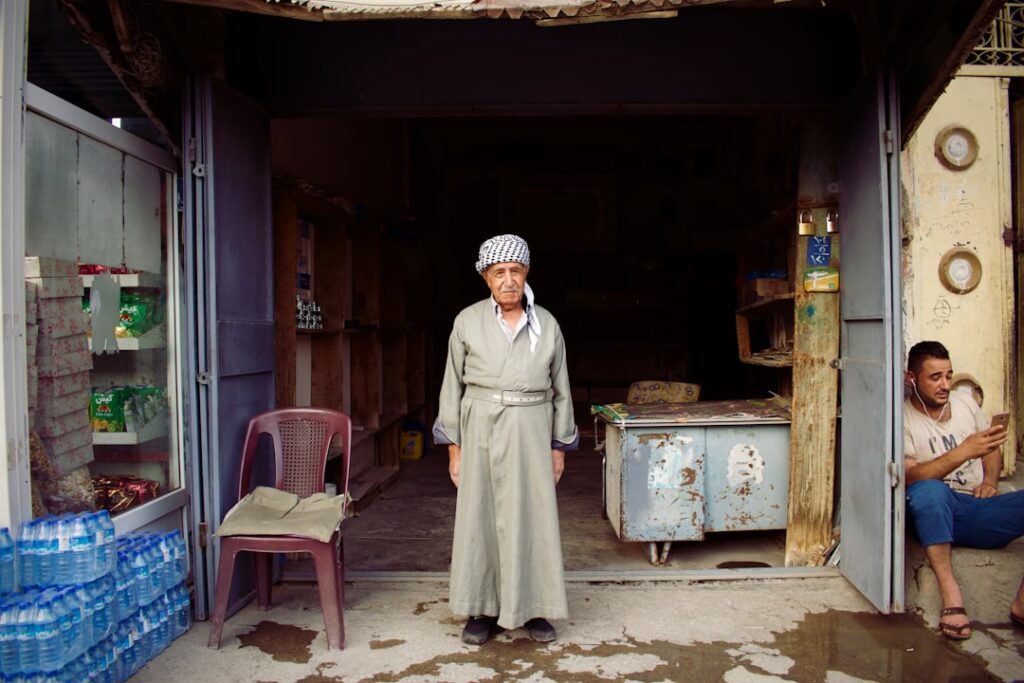
Selective focus photo of man, Kurdistan, Iraq
| Category | Budget | Mid-range | Luxury |
|---|---|---|---|
| Accommodation | Hostel/guesthouse: 25,000-40,000 IQD ($17-$27) | 3-4 star hotel: 60,000-120,000 IQD ($40-$80) | 5-star international chain: 150,000+ IQD ($100+) |
| Meals | Street food & local kebab shops: 5,000-10,000 IQD ($3.50-$7) | Restaurant meal: 15,000-25,000 IQD ($10-$17) | Fine dining: 40,000+ IQD ($27+) |
| Transport | Shared taxis/local buses: 3,000-8,000 IQD ($2-$5.50) | Private taxi for day: 50,000-80,000 IQD ($34-$54) | Private car & driver: 100,000+ IQD ($68+) |
| Activities | Citadel visits, bazaars, park strolls (free) | Site entry fees, guided day tours: 10,000-30,000 IQD ($7-$20) | Private multi-day guided tours |
| Daily Total | 40,000-60,000 IQD ($27-$40) | 100,000-180,000 IQD ($68-$120) | 250,000+ IQD ($170+) |
Top Attractions and Must-See Sights
| Attraction | Description | Hours | Entry Fee |
|---|---|---|---|
| Erbil Citadel | A mesmerizing, ancient raised settlement with origins over 6,000 years ago, offering panoramic city views. | 9:00 AM – 8:00 PM | Free (small fee for some museums inside) |
| Rawanduz Canyon & Bekhal Waterfall | Breathtaking mountain scenery, the dramatic Gali Ali Beg waterfall, and the nerve-testing Bekhal Bridge. | Daylight hours | Free (parking fees may apply) |
| Amna Suraka (Red Security Museum) | A former Ba’athist intelligence headquarters turned powerful museum documenting Kurdish resilience. | 9:00 AM – 5:00 PM | 5,000 IQD (~$3.50) |
| Shanidar Cave | An archaeological site near Barzan where Neanderthal remains were discovered, set in stunning mountain terrain. | Daylight hours | Free (guide tip appreciated) |
3-Day Itinerary: Kurdistan, Iraq’s Highlights & Hidden Gems
Day 1: The Heart of Ancient Erbil
- Morning (7-9 AM): Start at the **Qaysari Bazaar** just below the Citadel as it opens. Wander through lanes selling spices, textiles, and gold. Your best bet is to sip sweet tea with a local shopkeeper.
- Afternoon (12-3 PM): Explore the **Erbil Citadel** itself, visiting the **Kurdish Textile Museum** and **Civilization Museum**. For lunch, head to **Ainkawa** (the Christian quarter) and try **Mazzika Restaurant** for exceptional grilled meats and mezze.
- Evening (6-8 PM): Join locals for the evening stroll (*paseo*) in **Samî Abdulrahman Park**. Afterwards, enjoy dinner at **Haji Ghorab** for a classic, no-frills Kurdish *tikka* and *kubba* experience.
Day 2: Mountains & Modern History
- Morning (7 AM): Hire a car/driver (approx. 80,000 IQD for the day) for the 2-hour scenic drive to **Rawanduz Canyon**. Stop at the **Bekhal Waterfall** and walk across the **Bekhal Bridge**.
- Afternoon (12-3 PM): Continue to the town of **Rawanduz** for lunch at **Aso Restaurant**, known for its fresh trout from local streams. Explore the small bazaar.
- Evening (6-8 PM): Return to Erbil and visit the sobering but essential **Amna Suraka Museum** (open until 5 PM, plan accordingly) to understand modern Kurdish history. Dine in style at **Mazi Restaurant** in the Divan Hotel for upscale Kurdish cuisine.
Day 3: Culture, Crafts & Departure
- Morning (9 AM): Visit the **Mudhafaria Minaret** and the adjacent **Sharafkhan Mosque**. Then, explore the **Museum of Fine Arts** near the Citadel to see contemporary Kurdish work.
- Afternoon (12-3 PM): Enjoy a final feast at **Baran Restaurant** in Ainkawa, famous for its *Dolma* and *Biriyani*. Pick up last-minute souvenirs of Kurdish carpets or *keffiyehs* from the bazaar.
- Evening (6 PM): For your final evening, savor a sunset view from a rooftop café like **Café 11** overlooking the Citadel, a perfect farewell to this resilient region.
Cultural Insights & Etiquette
- Language: Kurdish (Sorani dialect) is primary. Arabic is widely understood. Learn basics: “Slaw” (Hello), “Sipas” (Thank you), “Choni?” (How are you?). English is common in tourist areas.
- Customs: Hospitality (*mêvanparêzî*) is sacred. You will likely be invited for tea. Accept graciously. Always use your right hand for eating and handing items. Public displays of affection are frowned upon.
- Tipping: Not mandatory but appreciated. Round up taxi fares. In restaurants, 5-10% is generous if service charge isn’t included.
- Dress Code: Modesty is key. Women should cover shoulders and knees; loose-fitting clothing is best. Men should avoid shorts in cities. In Ainkawa (Christian quarter), dress is more liberal.
- Business Hours: Government hours: 8 AM-2 PM. Shops: 9 AM-1 PM, reopen 4 PM-9 PM. Many close Friday (the day of rest). Be mindful during Ramadan, when eating/drinking in public during daylight is disrespectful.
Where to Eat: Kurdistan, Iraq’s Best Bites
Kurdish cuisine is a hearty, aromatic blend of Mesopotamian and Persian influences, centered on grilled meats, rice, fresh herbs, and stuffed vegetables. Dining is a social event, with meals often shared from large central platters.
Must-Try Local Specialties
- Kebab (Tikka & Shawarma): The undisputed king. Succulent marinated lamb or chicken, grilled over charcoal. Try it at any bustling street-side grill, but **Haji Ghorab** in Erbil is legendary.
- Biriyani (Kurdish Style): A fragrant rice dish with tender meat, raisins, nuts, and caramelized onions, distinct from its South Asian cousin. **Baran Restaurant** in Ainkawa serves an outstanding version.
- Kleicha: A date-filled cookie, often shaped like a half-moon, that’s the region’s signature sweet. Buy them fresh from bakeries in the Qaysari Bazaar.
Restaurant Recommendations by Budget
| Type | Restaurant | Specialty | Price Range |
|---|---|---|---|
| Budget | Haji Ghorab (Erbil, near Citadel) | Authentic, no-frills kebabs and kubba | 8,000-15,000 IQD ($5-$10) |
| Mid-range | Mazzika (Ainkawa, Erbil) | Extensive mezze platters and grilled meats | 20,000-35,000 IQD ($13-$23) |
| Fine dining | Mazi Restaurant (Divan Hotel, Erbil) | Elevated traditional cuisine in an elegant setting | 40,000+ IQD ($27+) |
Where to Stay
Accommodation ranges from international luxury chains to family-run guesthouses. Erbil offers the widest selection, while Sulaymaniyah provides a more local feel. Compare prices and book at Booking.com or Airbnb for apartments.
Best Neighborhoods for Accommodation
- Citadel Area & Downtown Erbil: The historic heart, walking distance to major sites and bazaars. Can be noisy. Ideal for first-time visitors wanting immersion.
- Ainkawa (Erbil): The Christian quarter, known for its excellent restaurants, cafes, and slightly more liberal atmosphere. A short taxi ride from the Citadel. Great for foodies.
- Sulaymaniyah City Center: The cultural capital of the region, with a vibrant intellectual and arts scene. Offers a grittier, more authentically Kurdish urban experience.

Snow covered mountain during sunset, Kurdistan, Iraq
FAQs: Your Kurdistan, Iraq Questions Answered
1. Is Kurdistan, Iraq safe at night?
Yes, the Kurdistan Region is notably safe. Cities like Erbil and Sulaymaniyah have a strong security presence and very low crime rates against tourists. You’ll see families and groups socializing in parks and cafes until late. As in any city, practice standard caution in unfamiliar areas, but overall, travelers report feeling very secure.
2. What currency is used and are credit cards accepted?
The Iraqi Dinar (IQD) is the official currency. As of writing, the approximate rate is 1,470 IQD to $1 USD. Carry cash, as it’s king here. While major hotels and some upscale restaurants in Erbil accept credit cards, the vast majority of transactions, including taxis, markets, and local eateries, are cash-only. ATMs are widely available in cities.
3. How do I get from the airport to the city center?
From Erbil International Airport (EBL), the most convenient option is an official airport taxi. The fixed fare to downtown Erbil or the Citadel area is approximately 20,000 IQD ($14). The journey takes 30-45 minutes depending on traffic. Pre-booking a transfer is also possible. Book airport transfers at GetYourGuide for convenience.
4. Do I need to speak the local language?
Not at all. While learning a few Kurdish phrases is greatly appreciated, you’ll find English widely spoken in hotels, major restaurants, and by many shopkeepers in tourist areas. In more remote locations, a smile and simple gestures go a long way. Having Google Translate or a phrasebook handy is a savvy traveler’s move.
5. What’s the appropriate dress code?
D
Explore More Destinations
- Jozani, Tanzania on a Budget: an Ancient Forest for $35/Day (2026)
- Nsumbu, Zambia on a Budget: Wild Africa for $40/Day (2026)
- Semporna, Malaysia on a Budget: Paradise for $35/Day (2026)
- Khuzestan, Iran on a Budget: Ancient Empires for $30/Day (2026)
- Ngerulmud, Palau on a Budget: Island Majesty for $45/Day (2026)
Ready to Visit Kurdistan?
Start planning your trip today. Compare hotels, find the best tours, and get insider tips.
Your adventure in Kurdistan starts here →
Related Guides
Explore more destinations similar to Kurdistan:

