
Nagasaki, Japan’s Best Resilience, Fusion & Panoramic Beauty (2026)
Dusk on Mount Inasa reveals Nagasaki’s true character: a city of lights cradled by deep green hills, its harbor a mirror for a million shimmering reflections. As the Nagasaki Ropeway glides you 333 meters up, the scent of salt air mixes with the distant chime from Oura Church. This is a city that has mastered the art of layered beauty, where Portuguese traders, Dutch merchants, and Chinese scholars left an indelible mark long before its modern history began, creating a cultural tapestry unlike any other in Japan.
Why Nagasaki, Japan Stands Out

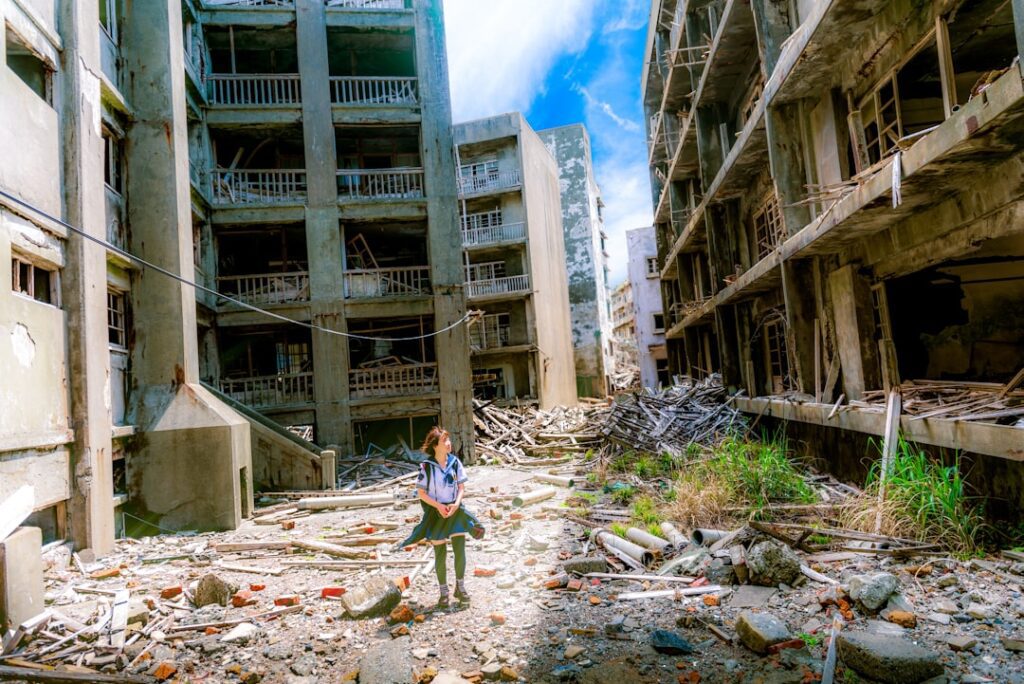
White concrete building, Nagasaki, Japan
- Historic Architecture: Glover Garden’s Western-style mansions, like the 1863 Glover Residence, showcase the unique Meiji-era fusion when Japan reopened to the world.
- Cultural Scene: The Nagasaki Kunchi Festival in October features vibrant dragon dances and unique performances passed down through specific city districts for centuries.
- Local Specialties: You must try Champon, a hearty noodle soup born from Chinese influence, featuring a rich pork and seafood broth piled high with vegetables and noodles.
Pro Tip: For the iconic “10 Million Dollar Night View” from Mount Inasa with minimal crowds, take the ropeway up just before sunset, but plan your descent for after 8:00 PM when the tour buses have left. The view is just as stunning, and you’ll have more space to breathe.
Map of Nagasaki, Japan
Use these interactive maps to explore Nagasaki, Japan and plan your route:
📍 View Nagasaki, Japan on OpenStreetMap
🗺️ Open Nagasaki, Japan in Google Maps
Planning Your Trip: Practical Essentials
Getting There and Around
- By Air: Nagasaki Airport (NGS) is connected domestically from Tokyo (Haneda), Osaka, and Seoul. A 40-minute bus ride to Nagasaki Station costs ¥1,230. Book flights at Skyscanner for best deals.
- By Train: The Kamome limited express connects Nagasaki to Hakata Station in Fukuoka in under 2 hours. Using a Japan Rail Pass is highly efficient. Reserve tickets at Trainline or the national railway website.
- By Car: Driving is less ideal in the compact city center, but useful for exploring nearby Unzen. Parking can be costly. Compare car rentals at RentalCars.com.
- Local Transport: The city’s tram network is your best friend. A flat fare of ¥140 per ride, or a one-day pass for ¥600, covers most sights. Check official city transport websites for passes and schedules.
Best Time to Visit
Nagasaki’s mild climate makes it a year-round destination, but each season paints the city with a different brush. Spring and autumn are universally ideal, offering comfortable temperatures and stunning natural backdrops.
| Season | Weather | Highlights |
|---|---|---|
| Summer (Jun–Aug) | Warm & humid, 25-32°C (77-90°F), rainy season in June/July | Vibrant greenery, summer festivals like the Nagasaki Peace Bell ceremony on August 9th; can be crowded and muggy. |
| Winter (Dec–Feb) | Cool & dry, 5-12°C (41-54°F), rarely snows in the city | Illuminations and Christmas markets (like at Huis Ten Bosch), crisp air for walking, fewer tourists. |
| Shoulder (Apr–May/Sep–Oct) | Mild & pleasant, 15-25°C (59-77°F), low rainfall | Perfect for exploring on foot. April brings cherry blossoms at Peace Park; October hosts the spectacular Nagasaki Kunchi Festival. |
Budgeting for Nagasaki, Japan

Brown concrete cross on top of gray concrete pillar, Nagasaki, Japan
| Category | Budget | Mid-range | Luxury |
|---|---|---|---|
| Accommodation | ¥4,000-7,000 for hostels/capsule hotels | ¥10,000-18,000 for business hotels/ryokans | ¥30,000+ for luxury hotels like Hotel Monterey Nagasaki |
| Meals | ¥800-1,500 for street food/ramen shops | ¥2,000-4,000 for sit-down Champon or Shippoku cuisine | ¥8,000+ for multi-course kaiseki or fine dining |
| Transport | ¥600/day tram pass | Trams + occasional taxi (¥700-1,500 per trip) | Private taxi tours (¥20,000+ for half-day) |
| Activities | Free parks, temples, Atomic Bomb Museum (¥200) | Glover Garden (¥610), Dejima (¥520), Ropeway (¥1,250) | Private guide, harbor dinner cruises, onsen resort visits |
| Daily Total | ¥6,000-9,000 | ¥15,000-25,000 | ¥45,000+ |
Top Attractions and Must-See Sights
| Attraction | Description | Hours | Entry Fee |
|---|---|---|---|
| Nagasaki Peace Park & Atomic Bomb Museum | A profoundly moving memorial to the 1945 atomic bombing, centered on the haunting “Hypocenter Park” statue. | 8:30 AM – 5:30 PM (last entry 5:00 PM) | Museum: ¥200 |
| Glover Garden & Oura Church | An open-air museum of historic Western merchant homes with stunning city views, adjacent to Japan’s oldest standing Christian church. | 8:00 AM – 6:00 PM (seasonal variations) | Garden: ¥610, Church: ¥1,000 |
| Mount Inasa Ropeway & Viewpoint | Accessible by ropeway, the summit offers Nagasaki’s legendary “10 Million Dollar” night view, ranked among Japan’s top three. | Ropeway: 9:00 AM – 10:00 PM | Round-trip: ¥1,250 |
| Dejima | A fascinating reconstructed fan-shaped island that was the sole Dutch trading post in Japan during its 200-year isolation. | 8:00 AM – 9:00 PM (some buildings close earlier) | ¥520 |
3-Day Itinerary: Nagasaki, Japan’s Highlights & Hidden Gems
Day 1: History & The Peace Legacy
- Morning (8:30 AM): Start soberly at the Atomic Bomb Museum (¥200). Arrive early for contemplation before crowds. Walk through the adjacent Peace Park to see the Fountain of Peace and the towering Peace Statue.
- Afternoon (1:00 PM): Take tram #1 or #3 to Hamaguchi-machi for lunch at Shikairo, the reputed birthplace of Champon (expect ¥1,500-2,000). Afterwards, explore the historic Sophia University district and the 26 Martyrs Monument.
- Evening (6:30 PM): Head to the Nagasaki Seaside Park for a sunset stroll. For dinner, try Yosso (¥2,500) near Shianbashi for local specialties like Sara Udon (crispy noodles with a thick sauce).
Day 2: Cultural Fusion & Panoramic Views
- Morning (9:00 AM): Explore Dejima (¥520) to step into the Edo-period Dutch quarter. Then, walk to Shinchi Chinatown, Japan’s oldest, for a mid-morning snack of kakuni manju (braised pork bun).
- Afternoon (12:30 PM): Take tram #5 to the Glover Garden stop. Explore the mansions and gardens (¥610). Don’t miss the free audio guide. For lunch, the garden’s Former Mitsubishi No.2 Dock House cafe offers light meals with a view.
- Evening (7:00 PM): Take the Mount Inasa Ropeway (¥1,250 round-trip) for the iconic night view. Dine at the summit’s Top of Inasa restaurant (reservations recommended, courses from ¥4,000) or return to town for dinner in the Gotoji area.
Day 3: Temples, Trade & Local Life
- Morning (8:00 AM): Take a bus or taxi to Suwa Shrine, Nagasaki’s most important Shinto shrine, climbing the long stone staircase for a serene start. Then, visit the beautiful Kofukuji Temple, the oldest Obaku Zen temple in Japan (¥300).
- Afternoon (1:00 PM): Wander the Meganebashi (Spectacles Bridge) area. Have lunch at a nearby Shippoku restaurant like Kagetsu (historic but pricey, from ¥5,000) for a fusion feast. Explore the antique shops on Hamanomachi Arcade.
- Evening (6:00 PM): Enjoy a final stroll along the Nakashima River, beautifully lit at night. For a memorable last meal, seek out a jūshu (local sake) tasting at a bar in the Doza area paired with Nagasaki’s famous castella sponge cake.
Cultural Insights & Etiquette
- Language: Basic phrases like “Arigatou gozaimasu” (Thank you) are appreciated. In tourist areas, you’ll find some English signage. Locals recommend learning “Oishii” (Delicious) for meals.
- Customs: When visiting temples, peace memorials, or churches, maintain a respectful quiet demeanor. It’s polite to bow slightly when receiving items or saying thank you.
- Tipping: Tipping is not practiced in Japan and can cause confusion. Excellent service is standard. Rounding up a taxi fare is acceptable.
- Dress Code: Modest dress is required for religious sites. Cover shoulders and knees. Comfortable walking shoes are essential for Nagasaki’s hills.
- Business Hours: Major stores open 10:00 AM-8:00 PM. Many museums close on Mondays (or the following day if Monday is a holiday). Banks and offices typically operate 9:00 AM-5:00 PM on weekdays.
Where to Eat: Nagasaki, Japan’s Best Bites
Nagasaki’s cuisine is a delicious history lesson. You’ll find exceptional Chinese-inspired noodles, Portuguese-derived sweets, and unique “Shippoku” banquet cuisine that blends Japanese, Chinese, and European techniques.
Must-Try Local Specialties
- Champon: A hearty noodle soup with pork, seafood, and vegetables in a milky broth. For the classic experience, head to the original Shikairo in Chinatown.
- Sara Udon: Crispy fried noodles topped with a thick, savory sauce containing seafood and vegetables. Yosso is the most famous purveyor, with several locations.
- Castella: A fluffy sponge cake introduced by Portuguese merchants in the 16th century. Fukusaya, founded in 1624, is the legendary shop to buy it. Don’t miss the honey flavor.
Restaurant Recommendations by Budget
| Type | Restaurant | Specialty | Price Range |
|---|---|---|---|
| Budget | Ringer Hut (multiple locations) | Reliable, delicious Champon and Sara Udon in a casual chain setting. | ¥700-¥1,200 |
| Mid-range | Kameya Honten (Shianbashi) | Historic restaurant famous for its sumptuous Shippoku course meals. | ¥3,000-¥6,000 per person |
| Fine dining | Ryotei Kagetsu (near Meganebashi) | An iconic, high-end establishment serving exquisite multi-course Shippoku cuisine in a traditional garden setting. | ¥10,000+ per person |
Where to Stay
Most visitors stay near Nagasaki Station for transport convenience or the Shinchi Chinatown/Hamanomachi area for dining and atmosphere. Compare prices and book at Booking.com or Airbnb for apartments.
Best Neighborhoods for Accommodation
- Nagasaki Station Area: Ideal for train travelers, with many business hotels (Dormy Inn, Richmond Hotel). It’s a tram hub but feels more commercial in the evenings.
- Shinchi Chinatown/Hamanomachi: The heart of the action, surrounded by restaurants, shops, and close to Dejima. Perfect for foodies who want to be in the center of nightlife.
- Hillside near Glover Garden: Offers quieter, often more scenic lodging with beautiful views. Best for those seeking a peaceful retreat, though it may require more walking or taxi rides to central sights.

White and green train on rail during night time, Nagasaki, Japan
FAQs: Your Nagasaki, Japan Questions Answered
1. Is Nagasaki, Japan safe at night?
Extremely safe. Nagasaki has very low crime rates. Well-lit streets and an active evening dining scene mean you can comfortably walk around popular areas like Chinatown and Shianbashi late into the night. As always, exercise standard personal awareness.
2. What currency is used and are credit cards accepted?
The Japanese Yen (¥) is the currency. Major hotels, department stores, and restaurants accept credit cards (Visa, Mastercard). However, many smaller restaurants, market stalls, temples, and tram ticket machines are cash-only. Savvy visitors know to always carry ¥5,000-¥10,000 in cash.
3. How do I get from the airport to the city center?
The most efficient way is the airport limousine bus. It takes about 40-50 minutes to Nagasaki Station (the main terminal) and costs ¥1,230. Tickets are purchased at the counter just outside arrivals. A taxi costs approximately ¥8,000-¥10,000. Book airport transfers at GetYourGuide for convenience.
4
Explore More Destinations
- Jozani, Tanzania on a Budget: an Ancient Forest for $35/Day (2026)
- Nsumbu, Zambia on a Budget: Wild Africa for $40/Day (2026)
- Semporna, Malaysia on a Budget: Paradise for $35/Day (2026)
- Khuzestan, Iran on a Budget: Ancient Empires for $30/Day (2026)
- Ngerulmud, Palau on a Budget: Island Majesty for $45/Day (2026)
Ready to Visit Nagasaki?
Start planning your trip today. Compare hotels, find the best tours, and get insider tips.
Your adventure in Nagasaki starts here →
Related Guides
Explore more destinations similar to Nagasaki:

