
Hiroshima, Japan’s Ultimate Peace, Resilience & Culinary Perfection (2026)
At 8:15 AM on August 6, 1945, the world changed forever above Hiroshima. Today, the Peace Memorial Park stands where the atomic bomb detonated, but the city’s story is not one of tragedy alone—it’s a profound testament to rebirth. You’ll find a vibrant, green metropolis where solemn reflection exists alongside joyful discovery, from the iconic floating torii gate of Miyajima to the sizzling griddles of an okonomiyaki restaurant. This is a city that teaches, nourishes, and inspires in equal measure.
Why Hiroshima, Japan Stands Out

A building on a dock, Hiroshima, Japan
- Historic Architecture: The Atomic Bomb Dome (1915), a UNESCO site, is the preserved skeleton of a building that withstood the blast, serving as a stark and powerful symbol of peace.
- Cultural Scene: The Miyajima Water Fireworks Festival in August illuminates the sacred Itsukushima Shrine with over 5,000 pyrotechnics reflected in the Seto Inland Sea.
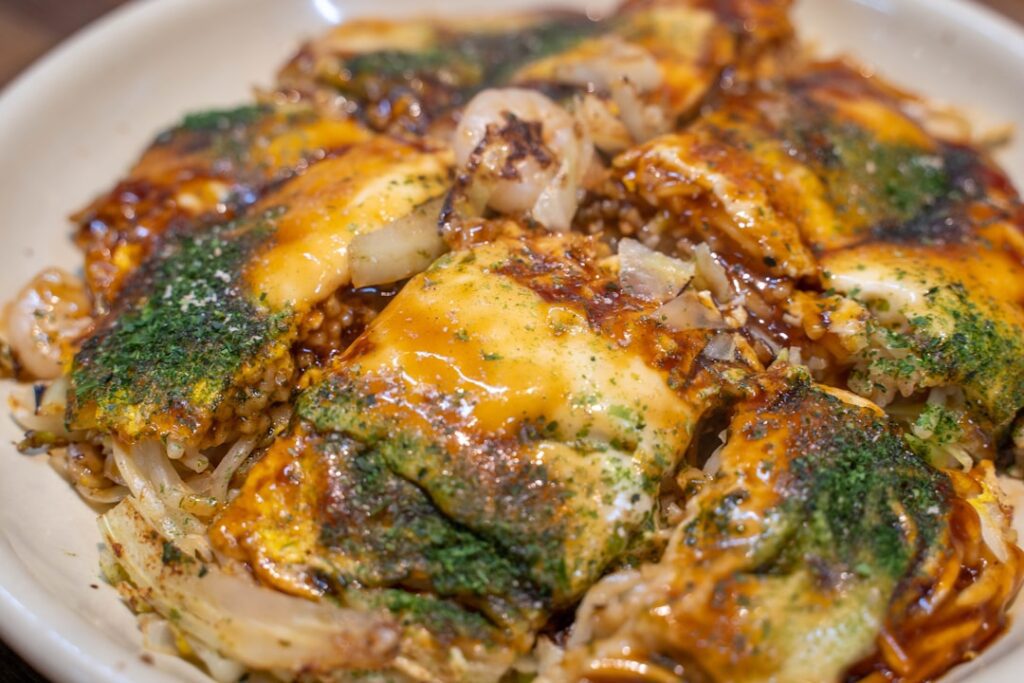
- Local Specialties: You must try Hiroshima-style okonomiyaki, a savory layered pancake with noodles, cabbage, and your choice of meat or seafood, cooked on a hotplate right before you.
Pro Tip: For the perfect Miyajima visit, time your arrival for high tide (check online tide tables) to see the iconic torii gate “floating,” then stay until late afternoon when the day-trip crowds dissipate, revealing a serene, spiritual island atmosphere.
Map of Hiroshima, Japan
Use these interactive maps to explore Hiroshima, Japan and plan your route:
📍 View Hiroshima, Japan on OpenStreetMap
🗺️ Open Hiroshima, Japan in Google Maps
Planning Your Trip: Practical Essentials
Getting There and Around
- By Air: Hiroshima Airport (HIJ) is connected domestically and to some Asian hubs. A 45-minute limousine bus (¥1,370) runs to the city center. Book flights at Skyscanner for best deals.
- By Train: The Sanyo Shinkansen line stops at Hiroshima Station. The trip from Osaka is about 1.5 hours (¥10,000) and from Tokyo roughly 4 hours. Reserve tickets at Trainline or the national railway website.
- By Car: Driving is less efficient in the city but useful for exploring the wider Chugoku region. Parking can be costly. Compare car rentals at RentalCars.com.
- Local Transport: The Hiroshima Electric Railway (Hiroden) tram network is charming and covers key sights. A one-day pass costs ¥700. For Miyajima, take the Hiroden tram to Miyajimaguchi Station (¥270), then a 10-minute ferry (¥180 one-way).
Best Time to Visit
Hiroshima enjoys mild weather, but the shoulder seasons offer the ideal blend of comfort, beauty, and manageable crowds. Spring brings cherry blossoms, while autumn showcases fiery foliage, especially on Miyajima.
| Season | Weather | Highlights |
|---|---|---|
| Summer (Jun–Aug) | Hot & humid, 25-33°C (77-91°F), rainy season in June/July. | Lush greenery, vibrant festivals like Peace Memorial Ceremony (Aug 6), but crowded and sticky. |
| Winter (Dec–Feb) | Cool & dry, 2-10°C (36-50°F), rarely snows in the city. | Fewest crowds, crisp air perfect for museum visits, and possible snow-capped views of Miyajima. |
| Shoulder (Apr–May/Sep–Oct) | Mild & pleasant, 15-25°C (59-77°F), low rainfall. | Best overall conditions. April for sakura, November for koyo (autumn leaves). Ideal for walking and photography. |
Budgeting for Hiroshima, Japan

A river running through a city next to tall buildings, Hiroshima, Japan
| Category | Budget | Mid-range | Luxury |
|---|---|---|---|
| Accommodation | Capsule hotel or hostel: ¥3,000-6,000/night | Business hotel or ryokan: ¥8,000-15,000/night | Premium hotel (Rihga Royal): ¥25,000+/night |
| Meals | Convenience store meals, street food: ¥2,000/day | Local restaurants, okonomiyaki: ¥4,000-6,000/day | Fine dining, kaiseki: ¥10,000+/meal |
| Transport | Tram day pass: ¥700, local ferries | Add occasional taxis: ¥1,500-3,000/day | Private car hire with driver |
| Activities | Peace Park (free), city walks | Museum entries (¥500 each), Miyajima ferry | Private guided tours, cultural workshops |
| Daily Total | ¥6,000-10,000 | ¥15,000-25,000 | ¥40,000+ |
Top Attractions and Must-See Sights
| Attraction | Description | Hours | Entry Fee |
|---|---|---|---|
| Hiroshima Peace Memorial Museum | A sobering, essential journey through the history and human impact of the atomic bombing. | 8:30 AM-6:00 PM (Mar-Nov), closes 5:00 PM Dec-Feb | ¥200 |
| Itsukushima Shrine (Miyajima) | A UNESCO World Heritage site famous for its “floating” vermilion torii gate set in the sea. | 6:30 AM-6:00 PM (varies seasonally) | ¥300 |
| Hiroshima Castle | A faithful 1958 reconstruction of the original 1590s castle, offering history exhibits and city views. | 9:00 AM-6:00 PM (Mar-Nov), closes 5:00 PM Dec-Feb | ¥370 |
| Shukkei-en Garden | A serene 17th-century landscape garden with miniaturized scenery, perfect for quiet contemplation. | 9:00 AM-6:00 PM (Apr-Sep), closes 5:00 PM Oct-Mar | ¥260 |
3-Day Itinerary: Hiroshima, Japan’s Highlights & Hidden Gems
Day 1: History & Reflection in the City
- Morning (7-9 AM): Start early at the Peace Memorial Park. Visit the Cenotaph, Flame of Peace, and the haunting Atomic Bomb Dome before the crowds arrive. The morning light here is profoundly peaceful.
- Afternoon (12-3 PM): Spend 2+ hours at the Peace Memorial Museum. For lunch, head to Okonomimura, a multi-story building dedicated to okonomiyaki. Try your pancake at Nagataya on the third floor for a classic taste.
- Evening (6-8 PM): Stroll through the bustling Hondori Shopping Arcade. For dinner, savor oysters—a local specialty—at Kaki-tei, a short walk from the Peace Park.
Day 2: Sacred Miyajima Island
- Morning (8 AM): Take the tram and ferry to Miyajima (total transit ~1 hour, ¥450 one-way). Arrive for high tide to photograph the floating torii gate. Explore the intricate Itsukushima Shrine (¥300).
- Afternoon (12-3 PM): Sample grilled momiji manju (maple-leaf-shaped cakes) from street vendors. Hike or take the ropeway up Mt. Misen for breathtaking views (ropeway round-trip ¥1,800). Lunch on fresh seafood at a restaurant along the waterfront.
- Evening (6 PM): As day-trippers leave, the island becomes magical. If staying overnight, enjoy a ryokan dinner. Otherwise, return to Hiroshima for dinner at Hassho, known for its anago (conger eel).
Day 3: Culture, Castles & Local Life
- Morning (9 AM): Visit Shukkei-en Garden. Then, explore Hiroshima Castle (¥370). Don’t just go to the top; the samurai history exhibits inside are fascinating.
- Afternoon (1 PM): Take a short tram ride to the Mazda Museum (advance online booking required, free). This 90-minute tour showcases Hiroshima’s impressive industrial spirit. For lunch, try Hiroshima-style tsukemen at Ramen-tei Hacchan near the museum.
- Evening (6 PM): For your final meal, dive into the local drinking scene in the Nagarekawa area. Enjoy small plates and Hiroshima’s excellent sake at a standing bar (tachinomi) like Nakashima.
Cultural Insights & Etiquette
- Language: Key phrases: “Arigatou gozaimasu” (Thank you), “Sumimasen” (Excuse me/Sorry). English is limited but signage at major sights is good. A translation app is handy.
- Customs: Bow slightly when greeting. At temples/shrines, perform the ritual purification: wash hands and mouth at the chozuya. Be respectful and quiet in the Peace Memorial Park.
- Tipping: Not practiced and can cause confusion. Excellent service is standard. You may leave a small thank-you note instead.
- Dress Code: Modest dress for temples (cover shoulders/knees). Comfortable shoes are essential for walking. Remove shoes when entering tatami mat areas, ryokans, and some restaurants.
- Business Hours: Museums often close on Mondays (or Tuesday if Monday is a holiday). Department stores close around 8 PM, while bars and restaurants stay open later.
Where to Eat: Hiroshima, Japan’s Best Bites
Hiroshima’s cuisine is defined by the sea and the griddle. The Seto Inland Sea provides pristine oysters and conger eel, while the city’s signature okonomiyaki is a hearty, customizable meal. Savvy visitors know to look for small, busy eateries filled with locals.
Must-Try Local Specialties
- Hiroshima-style Okonomiyaki: Layers of batter, cabbage, noodles, protein, and sauce, cooked on a hotplate. Head to Okonomimura (the “Okonomiyaki Village”) to compare styles from dozens of vendors.
- Oysters (Kaki): Best from October to March. Enjoy them raw, grilled, fried, or in a hotpot. The waterfront restaurants on Miyajima or Kaki-tei in Hiroshima city are top choices.
- Anago (Conger Eel): More delicate than unagi (freshwater eel), often served over rice (anago meshi) or grilled. Hassho near the castle is legendary for this dish.
Restaurant Recommendations by Budget
| Type | Restaurant | Specialty | Price Range |
|---|---|---|---|
| Budget | Okonomimura (Various stalls), Hondori Arcade | Hearty, freshly made okonomiyaki | ¥800-1,500 per person |
| Mid-range | Hassho (2-1 Mikawacho, Naka Ward) | Exquisite anago (conger eel) dishes | ¥2,000-4,000 per person |
| Fine dining | Kanawa (Floating Restaurant, Naka Ward) | Premium oyster course meals on a boat | ¥8,000-15,000 per person |
Where to Stay
Most travelers stay near Hiroshima Station for transport convenience or in the downtown/Kamiyacho area for proximity to nightlife and the Peace Park. For a unique experience, consider a ryokan on Miyajima. Compare prices and book at Booking.com or Airbnb for apartments.
Best Neighborhoods for Accommodation
- Hiroshima Station Area: Ultra-convenient for Shinkansen arrivals/departures, with many business hotels. It’s more functional than charming, but your best bet for efficiency.
- Downtown (Kamiyacho/Hondori): The heart of the action, steps from shopping, dining, and the Peace Park. You’ll find a wider range of hotels and a vibrant evening atmosphere.
- Miyajima Island: Offers a serene, traditional stay in a ryokan with kaiseki meals and night-time access to the shrine. Perfect for those seeking a deep cultural immersion, though you’ll need to plan around ferry schedules.

Peace memorial park in hiroshima, japan.
FAQs: Your Hiroshima, Japan Questions Answered
1. Is Hiroshima, Japan safe at night?
Extremely safe. Hiroshima is known for its low crime rate. Normal precautions apply—stick to well-lit areas—but you can comfortably walk through downtown areas at night. The Peace Park is beautifully lit but very quiet after dark.
2. What currency is used and are credit cards accepted?
The Japanese Yen (¥) is the currency. Major credit cards are accepted at hotels, department stores, and many restaurants. However, smaller eateries, street vendors, and shrines often operate on cash only. Your best bet is to always carry ¥5,000-10,000 in cash.
3. How do I get from the airport to the city center?
The most efficient way is the limousine bus, which takes 45-50 minutes to Hiroshima Station and costs ¥1,370. Taxis are available but expensive (approx. ¥15,000). There is no direct train. Book airport transfers at GetYourGuide for convenience.
4. Do I need to speak the local language?
Not at all, but it’s appreciated. English signage is common at tourist sites and on public transport. In restaurants with picture-less menus, pointing or using a photo translation app works well. Learning basic greetings will earn you warm smiles.
5. What’s the appropriate dress code?
Smart-casual is fine everywhere. Cover shoulders and knees when visiting temples and shrines. Remove your shoes when entering homes, ryokans, and some traditional restaurants (look for shoe racks or slippers provided). Comfortable walking shoes are non-negotiable.
Final Thoughts: Hiroshima, Japan Awaits
Hiroshima offers a travel experience unlike any other—a powerful emotional journey that ultimately leaves you feeling hopeful
Related Guides
Explore more destinations similar to Hiroshima:
- Albuquerque, USA’s Ultimate Balloons, Breaking Bad & Ancient Petroglyphs (2025)
- Ksamil’s Cold Water Springs, Albania (2026)
- Koroni, Greece’s Best Castles, Coastlines & Authentic Peloponnese Charm (2026)
- Mokala National Park, South Africa: Hidden Rhinos, Rare Species & Rustic Solitude (2026)
{“@context”: “https://schema.org”, “@type”: “FAQPage”, “mainEntity”: [{“@type”: “Question”, “name”: “What is the best time to visit Hiroshima?”, “acceptedAnswer”: {“@type”: “Answer”, “text”: “The best time to visit Hiroshima depends on your preferences. Generally, the dry season offers the most pleasant weather for sightseeing and outdoor activities.”}}, {“@type”: “Question”, “name”: “How many days do I need in Hiroshima?”, “acceptedAnswer”: {“@type”: “Answer”, “text”: “Most travelers spend 3-5 days in Hiroshima to see the main attractions. A week allows for a more relaxed pace and day trips.”}}, {“@type”: “Question”, “name”: “Is Hiroshima expensive to visit?”, “acceptedAnswer”: {“@type”: “Answer”, “text”: “Hiroshima can be visited on various budgets. Accommodation ranges from hostels to luxury hotels, and local restaurants offer affordable dining.”}}]}

