
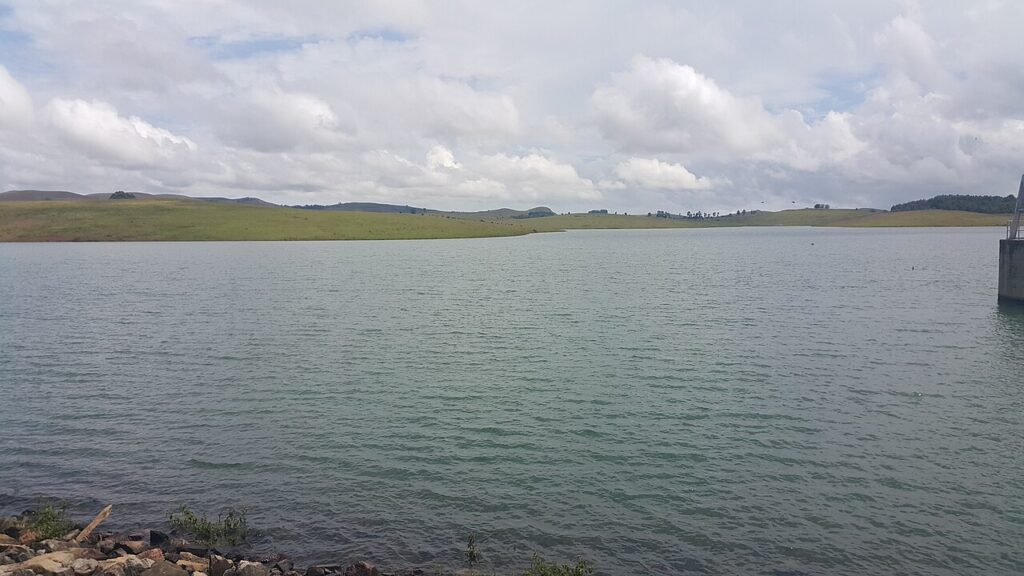
# The Ultimate Mambilla Plateau, Nigeria Guide: Cool Climates, Tea Plantations & Ancient Traditions
Only around 3,000 international tourists visit Mambilla Plateau each year, yet this highland paradise offers temperatures rarely dropping below 50°F—a stark contrast to Nigeria’s tropical heat. Here’s what you’re missing: sprawling tea estates that supply 80% of Nigeria’s tea, ancient Mambilla villages perched on volcanic ridges, and the chance to hike Chappal Waddi, the country’s highest peak at 2,419 meters. While tourists flock to the crowded beaches of Lagos or the bustling markets of Abuja, savvy travelers retreat to this cool, green sanctuary where fog rolls through valleys at dawn and the scent of freshly plucked tea leaves fills the air. Locals recommend arriving in December for crisp, clear skies that make the plateau look like an African version of Scotland.
## Why Mambilla Plateau, Nigeria Stands Out
– **Historic Architecture:** The colonial-era Gembu Rest House (built 1946) still stands as a stone-and-timber reminder of British administrative rule, now a rustic lodge offering panoramic views of the surrounding hills.
– **Cultural Scene:** The annual Mambilla New Yam Festival (held every August) features rhythmic drumming, masked dancers, and the ceremonial blessing of the season’s first harvest—a spectacle you won’t find in any guidebook.
– **Local Specialties:** Must-try *Mambilla smoked fish with yam porridge*—a smoky, savory dish that locals simmer over open fires and serve with a side of fresh chili.
**Pro Tip:** Plan your visit for late December through early February when the dry season peaks and the tea plantations are lush green; avoid May to September when heavy rains cause road closures and limit hiking opportunities. Start your mornings early (by 6:30 AM) to catch the mist lifting over the valleys—it’s the photographer’s golden hour.
## Map of Mambilla Plateau, Nigeria
Use these interactive maps to explore Mambilla Plateau, Nigeria and plan your route:

The natural lush green vegetation, Mambilla Plateau, Nigeria
📍 View Mambilla Plateau, Nigeria on OpenStreetMap
🗺️ Open Mambilla Plateau, Nigeria in Google Maps
## Planning Your Trip: Practical Essentials
### Getting There and Around
– **By Air:** Fly into Yola Airport (YOL) from Abuja or Lagos on Air Peace or Arik Air (flights cost around ₦50,000–₦80,000 one-way). From Yola, it’s a scenic 6-hour drive (about 230 km) to Gembu, the plateau’s main town. You can book flights at Skyscanner for best deals. Arrange a shared taxi or private vehicle in Yola (₦8,000–₦15,000 per person) for the journey.
– **By Train:** No rail lines reach Mambilla Plateau. Your best bet is flying to Yola or driving from Jalingo (Taraba State capital), about 4 hours away. Reserve a car or driver through your accommodation—local drivers know the winding mountain roads well.
– **By Car:** If you’re adventurous, drive from Abuja via Lafia and Wukari (8–10 hours). Roads are mostly unpaved after Gembu; a 4×4 is recommended for the last stretches, especially during the rainy season. Compare car rentals at RentalCars.com—but note that few international companies operate in this region, so hiring a driver with a vehicle is more practical.
– **Local Transport:** Once on the plateau, shared taxis (known as “danfo” or “bush taxis”) run between Gembu and nearby villages (costing ₦200–₦500 per trip). For exploring remote areas like Chappal Waddi or Kofai Waterfalls, hire a motorcycle taxi (₦1,000–₦2,000 per hour) or arrange a guided tour. Check with the Taraba State Tourism Board for recommended drivers.
## Best Time to Visit
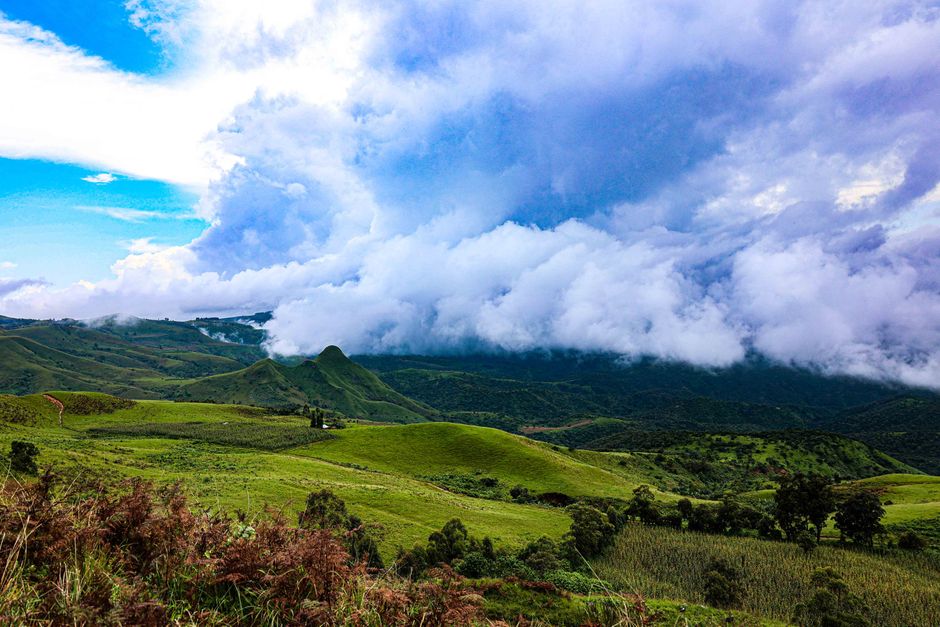
Lush green Mambilla Plateau under dramatic cloudy skies in Taraba, Nigeria., Mambilla Plateau, Nigeria
| Season | Weather | Highlights |
|——–|———|————|
| Summer (Jun–Aug) | 50–70°F (10–21°C), frequent rain, foggy mornings | Lush green landscapes, fewer tourists, cultural festivals like New Yam (Aug). Expect muddy hikes and some road closures. |
| Winter (Dec–Feb) | 45–65°F (7–18°C), mostly dry, crisp mornings | Best for hiking Chappal Waddi, clear views of the Cameroon mountains, tea harvesting season. Peak tourist season—book lodging early. |
| Shoulder (Apr–May & Sep–Oct) | 50–68°F (10–20°C), moderate rain | Wildflowers bloom (Apr), birdwatching excellent; crowds are thin, and prices drop. April and October offer a good balance of weather and solitude. |
## Budgeting for Mambilla Plateau, Nigeria
*Note: Prices in Nigerian Naira (₦) approximate; USD conversions at ₦740 = $1 (2025 rates). Cash is king on the plateau—ATMs are scarce in Gembu, so bring enough Naira from Yola or Jalingo.*
## Top Attractions and Must-See Sights
| Attraction | Description | Hours | Entry Fee |
|————|————-|——-|———–|
| Chappal Waddi Peak | Highest point in Nigeria (2,419 m), part of the Cameroon line volcanic range. A 6-hour round-trip hike through montane forest with stunning views. | 6 AM–4 PM (guided only) | ₦2,000 per person (guide fee ₦5,000–₦8,000 extra) |
| Mambilla Tea Estate | One of Nigeria’s few tea plantations, established in the 1950s. You’ll walk through rows of Camellia sinensis, watch the withering and rolling process, and taste fresh tea. | 8 AM–5 PM (best before noon) | ₦3,000 per person for guided tour |
| Kofai Waterfalls | A 30-meter cascade plunging into a turquoise pool, accessible via a 2-km trail from Kofai village. Perfect for a cool dip after the hike. | Dawn to dusk | Free (pay ₦500 parking fee at village) |
| Gashaka-Gumti National Park | Nigeria’s largest national park (6,731 km²) touches the plateau’s eastern edge. Spot chimpanzees, buffalo, and over 500 bird species. | 6 AM–6 PM (dry season only) | ₦2,000 entry, plus ₦5,000 for vehicle and guide |
## 3-Day Itinerary: Highlights & Hidden Gems of Mambilla Plateau, Nigeria

A stunning aerial view of the iconic Zuma Rock near Abuja, Mambilla Plateau, Nigeria
### Day 1: Tea & Tranquility
– **Morning:** Start your day at Mambilla Tea Estate (open 8 AM). Take the guided tour at 9 AM—you’ll learn how the leaves are handpicked and processed, then enjoy a complimentary cup of freshly brewed tea on the veranda overlooking the valley. Most tourists skip the 7 AM plucking session, but locals recommend arriving early to see workers in action.
– **Afternoon:** Head to Gembu town for lunch at **Mambilla Guest House Restaurant** (order the *fura da nono*—millet balls soaked in fermented milk—for ₦800). Afterwards, visit the Gembu Rest House to snap photos of its colonial architecture and the panoramic view of the Cameroon mountains.
– **Evening:** Drive 30 minutes to **Sabon Gari Village** for a traditional Mambilla drumming and dance performance (arrange through your guesthouse, ₦2,000 per person). Dinner at **Titi’s Bukka** in Gembu—try the smoked fish with yam porridge (₦1,500). End the evening stargazing from your lodge’s terrace; the plateau has almost zero light pollution.
### Day 3: Waterfalls & Village Life
– **Morning:** Take a shared taxi (₦500) to Kofai Village, 25 km east of Gembu. Begin the 2-km hike to Kofai Waterfalls at 7 AM—the trail is steep but shaded. You’ll reach the pool by 8:30 AM, when the light is best for photographs. Swim in the refreshing water before the heat builds.
– **Afternoon:** Return to Kofai Village for lunch at **Mama Halima’s Eatery**—a simple shack serving *tuwo shinkafa* (rice pudding) with *miyan kuka* (baobab leaf soup) for ₦700. Join the village elders for a storytelling session (locals will wave you over; it’s free but polite to offer ₦500 as thanks). Travelers often discover that this unplanned encounter is the highlight of their trip.
– **Evening:** Drive back to Gembu for a farewell dinner at **The Plateau View Restaurant** (located at Gembu Hotel). Order the grilled goat meat with plantains (₦2,500). If you’re lucky, a local musician might be playing the *lute*—a traditional string instrument. Your driver will take you back to your lodge by 9 PM.
### Day 2: Summit & Wildlife
– **Early Morning (cost included):** Hire a guide and motorcycle (₦7,000 total) for a 5 AM departure to **Chappal Waddi** trailhead. The hike takes 3 hours up through cloud forest; you’ll reach the summit around 9 AM. From the top, you can see the Cameroon Volcanic Line stretching south. Guides carry a breakfast of bread and hot tea—don’t skip this; the altitude makes you hungry.
– **Afternoon:** Descend by noon and drive 1.5 hours to **Gashaka-Gumti National Park’s** Serti sector. Have lunch at the park’s basic canteen (₦1,000 for rice and beans). Take a guided forest walk at 2 PM to spot chimpanzees and the rare *Preuss’s guenon*. The park ranger (required, ₦5,000) will share stories of the nomadic Fulani cattle herders who share the landscape.
– **Evening:** Return to Gembu by 6 PM. Dinner at **Barajeel Fast Food** (a surprising spot with Nigerian-Chinese fusion—try the jollof fried rice with chicken, ₦1,800). Settle in for the night at your guesthouse; if you’re lucky, the fog will lift enough for a glimpse of the Milky Way.
## Cultural Insights & Etiquette
– **Language:** The Mambilla people speak their own language (also called Mambilla), but Hausa and English are widely understood in Gembu. Learn a few words: *sannu* (hello in Hausa), *na gode* (thank you). Smile and nod; it goes a long way.
– **Customs:** Greetings are important—always say hello to elders first. Avoid pointing your feet at someone while sitting. When entering a village, ask permission to take photographs (usually granted with a small gift of ₦100 or sweets for children).
– **Tipping:** Not mandatory, but appreciated. Round up fares for taxi drivers (e.g., ₦2,000

