
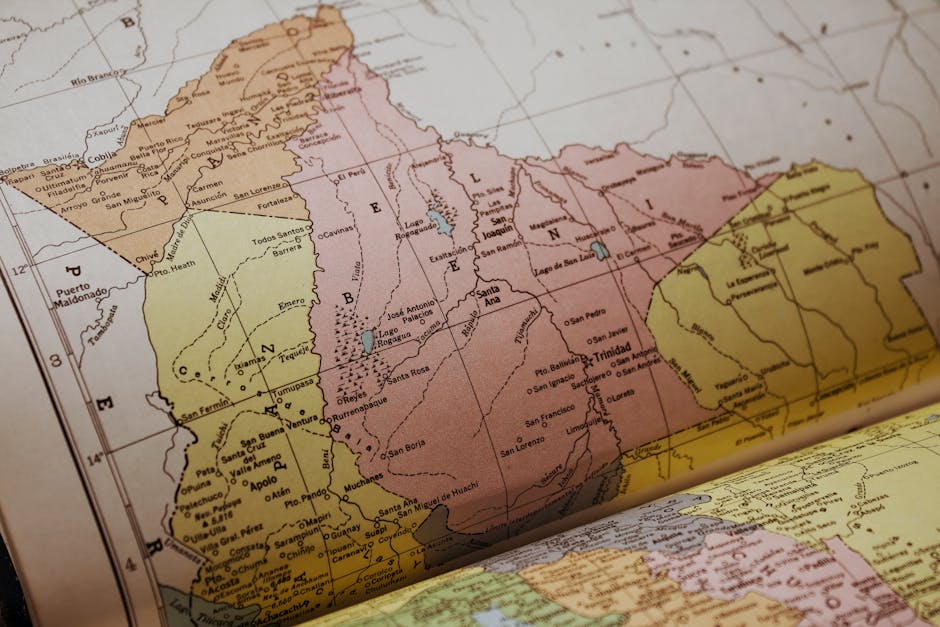
Los Llanos, Venezuela’s Incredible Wildlife, Cowboy Culture & Epic Savannahs (2026)
While crowds flock to the Caribbean coast for beaches, Los Llanos, Venezuela delivers a raw, unfiltered encounter with nature on a scale few places on Earth can match. This vast tropical savannah, covering nearly one-third of the country, is home to over 350 bird species, 50 mammal species, and the world’s highest concentration of anacondas. Here, the soundtrack isn’t traffic, but the chorus of howler monkeys, chattering capybaras, and the distant call of a jabiru stork. This is South America’s Serengeti, where the horizon stretches forever and the real luxury is space, silence, and spectacle.
Why Los Llanos, Venezuela Stands Out

Open vintage atlas showing Spain and Portugal with a Venezuelan passport on top, Los Llanos, Venezuela
- Historic Architecture: The Hato El Cedral ranch, established in the 1950s, is a classic example of a working *hato* (cattle ranch) and serves as the archetypal base for wildlife safaris in the region.
- Cultural Scene: The annual Toros Coleados festival, a unique Venezuelan rodeo where cowboys (*llaneros*) bring down bulls by the tail, showcases the region’s deep-rooted equestrian and cattle-herding traditions.
- Local Specialties: You must try *Carne en Vara*, succulent beef slow-roasted over an open fire, a culinary tradition born from the *llanero* cowboy lifestyle.
Pro Tip: The absolute best time to visit is the dry season from December to April. As waterholes shrink, wildlife concentrates around remaining lagoons, making animal sightings—from pink river dolphins to massive caiman—dramatically easier. Book your *hato* stay at least 3-4 months in advance for this peak period.
Map of Los Llanos, Venezuela
Use these interactive maps to explore Los Llanos, Venezuela and plan your route:
📍 View Los Llanos, Venezuela on OpenStreetMap
🗺️ Open Los Llanos, Venezuela in Google Maps
Planning Your Trip: Practical Essentials
Getting There and Around
- By Air: Most travelers fly into Simón Bolívar International Airport (CCS) in Caracas. From there, you’ll take a domestic flight to either Barinas (BRM) or San Fernando de Apure (SFD). Conviasa and other local carriers operate these routes. Book flights at Skyscanner for best deals.
- By Train: There are no passenger train services into Los Llanos. The region is accessed by road or air.
- By Car: A 4-5 hour drive from Caracas on the *Autopista Regional del Centro* will bring you to the western edges of Los Llanos. A 4×4 is highly recommended, especially in the wet season. Compare car rentals at RentalCars.com.
- Local Transport: Once at your booked *hato* (ranch/lodge), all transportation for wildlife viewing is included via open-top safari trucks, boats, and on horseback. Between towns, *por puestos* (shared taxis) are the common, albeit slow, mode of transport.
Best Time to Visit
Your experience in Los Llanos is entirely dictated by the seasons—the dry season offers unparalleled wildlife viewing, while the wet season transforms the plains into a vast, flooded inland sea perfect for birdwatching and boat safaris.
| Season | Weather | Highlights |
|---|---|---|
| Dry Season (Dec–Apr) | Hot & dry, 30-35°C (86-95°F). Minimal rain. | Peak wildlife viewing at waterholes, best for seeing caiman, capybaras, anacondas, and deer. High season for tourism. |
| Wet Season (May–Nov) | Hot & humid, 25-30°C (77-86°F). Frequent heavy afternoon rains. | Lush green landscapes, spectacular bird migration (May-July), flooded plains for boat trips, fewer visitors and lower prices. |
| Shoulder (Nov/May) | Transitional weather, chance of storms. | A mix of dry and wet season activities, good birding as species move, and the beginning or end of peak animal concentrations. |
Budgeting for Los Llanos, Venezuela

Signpost showing distances to various waterfalls around the world under a c…, Los Llanos, Venezuela
| Category | Budget | Mid-range | Luxury |
|---|---|---|---|
| Accommodation | $40-60/night (basic posada) | $100-180/night (full-board at a good hato) | $250+/night (premium hato with private guides) |
| Meals | $5-10 (local eatery, *arepa* stands) | $15-25 (set meals at hatos included) | $30+ (gourmet ranch cuisine) |
| Transport | $2-5 (*por puesto* rides) | $50-100 (domestic flight leg) | $150+ (private transfers from airport) |
| Activities | Free (birdwatching near towns) | $80-150/day (all-inclusive safari package at hato) | $200+/day (private boat/vehicle, specialist guides) |
| Daily Total | $50-80 | $200-350 | $500+ |
Top Attractions and Must-See Sights
| Attraction | Description | Hours | Entry Fee |
|---|---|---|---|
| Hato El Cedral | A legendary working cattle ranch turned wildlife refuge, famous for guaranteed sightings of capybaras, caiman, anacondas, and hundreds of birds. | Activities at dawn & dusk; lodge all day | Packages from $180/night (full board & safaris) |
| Hato Piñero | One of the oldest and most respected conservation-focused hatos, offering exceptional guided safaris across 80,000 hectares of pristine plains and gallery forests. | Guided tours at 6 AM & 4 PM | Packages from $220/night (all-inclusive) |
| Río Capanaparo | Take a boat safari on this vital river to spot giant river otters, pink dolphins, and countless water birds along its banks. | Boat trips typically 3-4 hours, morning or afternoon | $50-80 per person (arranged through hatos) |
| San Fernando de Apure | The unofficial capital of Los Llanos, a bustling town where you can experience authentic llanero culture, music in the plaza, and visit the local market. | Town always accessible; market best 7 AM-1 PM | Free to explore |
3-Day Itinerary: Los Llanos, Venezuela’s Highlights & Hidden Gems
Day 1: Arrival & Immersion in Cowboy Country
- Morning: Take an early domestic flight from Caracas to Barinas Airport (BRM). You’ll be met by your pre-arranged transfer from your chosen *hato* (a 2-hour drive). The journey itself is your first safari—watch for hawks and cattle egrets along the roadside.
- Afternoon: Settle into your lodge and enjoy a welcome lunch of *Pabellón Criollo* (shredded beef, black beans, rice, and plantains). At 4:00 PM, embark on your first open-top truck safari. Your guide will teach you to spot spectacled caiman, capybaras (the world’s largest rodent), and vibrant birdlife like the scarlet ibis.
- Evening: After dusk, take a spotlight safari to see the nocturnal world: giant anteaters, crab-eating foxes, and the glowing eyes of caiman. Dinner at the *hato* is a communal affair, often followed by live *joropo* music, the fast-paced folk music of the plains.
Day 2: River Safari & The Search for Giants
- Morning: Sunrise safari at 6:00 AM ($0, included) – the coolest part of the day when predators are active. Search for the elusive anaconda sunning itself and troops of howler monkeys. Return for a hearty cowboy breakfast.
- Afternoon: After lunch, head out on a 3-hour boat safari ($60 per person) along a secluded *caño* (creek). This is your best chance to see the endangered Orinoco crocodile and playful families of giant river otters. Keep your camera ready for the stunning jabiru stork.
- Evening: Witness a true *llanero* tradition: the *ordeño* (milking) and learn how cowboys work with the land. Dinner features the iconic *Carne en Vara*. Savvy visitors know to ask for a *llanero* coffee—strong, black, and sweetened with *papelón* (raw cane sugar).
Day 3: Birding Bonanza & Cultural Farewell
- Morning: A dedicated birdwatching walk at 6:30 AM. With over 350 species, highlights include the hoatzin (a prehistoric-looking bird), the bright orange *turpial* (Venezuela’s national bird), and massive flocks of ibis. Enjoy a final ranch breakfast.
- Afternoon: Check out and transfer back to Barinas or San Fernando de Apure. If time allows, stop at a local market to buy a *sombrero de pelo de guama* (the traditional woven palm hat) as a souvenir. Have a final lunch at a local eatery like **Arepera La Llanera** for authentic, cheap *arepas* stuffed with cheese and meat.
- Evening: Catch your return flight to Caracas, or if staying overnight, head to the main plaza in San Fernando to see locals socialize—a perfect, authentic end to your plains adventure.
Cultural Insights & Etiquette
- Language: Spanish is essential. Key phrases: “*Buenos días, llanero*” (Good day, cowboy), “*¿Qué fauna podemos ver hoy?*” (What wildlife can we see today?). English is rarely spoken outside major hatos.
- Customs: The *llanero* is revered for his toughness, horsemanship, and musicality. Show respect for this culture. It’s polite to greet people when entering a room or starting a conversation.
- Tipping: At hatos, tipping your guide $10-15 per day and camp staff $5-10 total per day is a generous and appreciated practice, usually done at checkout.
- Dress Code: Practical, lightweight field clothing: long pants, long-sleeved shirts, a wide-brimmed hat, and sturdy boots for protection from sun, insects, and brush. Neutral colors (khaki, green) are best for wildlife viewing.
- Business Hours: Towns generally operate 8 AM-12 PM and 2 PM-6 PM, with a long midday break. Hatos run on their own schedule, dictated by animal activity and meal times.
Where to Eat: Los Llanos, Venezuela’s Best Bites
Dining in Los Llanos is an extension of the cowboy experience—hearty, meat-centric, and deeply flavorful. Most visitors eat all meals at their booked *hato*, which is the best way to try authentic preparations. In towns, simple eateries serve the staples.
Must-Try Local Specialties
- Carne en Vara: The definitive dish. Whole cuts of beef (often *ternera*, veal) are salted and slow-roasted on a spit over an open wood fire. The result is smoky, juicy, and incredibly tender. Try it at any working *hato* like **Hato El Frío** or **Hato Piñero**.
- Sancocho de Gallina: A rich, hearty chicken stew with root vegetables like yuca and *ñame*, considered a restorative meal. Look for it at local *fondas* (small family-run restaurants) in San Fernando de Apure.
- Queso de Mano Llanero: A semi-soft, stretchy cheese made from cow’s milk, eaten fresh with *arepas* or as a snack. The best is bought from roadside vendors or local markets early in the morning.
Restaurant Recommendations by Budget
| Type | Restaurant | Specialty | Price Range |
|---|---|---|---|
| Budget | Arepera La Llanera (San Fernando de Apure) | Fresh *arepas* stuffed with endless fillings | $3-5 per meal |
| Mid-range | Hato Lodge Dining (Various locations) | All-inclusive buffet-style meals featuring local specialties | Included in lodge package |
| Fine dining | Hato Piñero’s Main Lodge Restaurant | Gourmet interpretations of llanero cuisine in an elegant ranch setting | $25-40 for a special multi-course dinner |
Where to Stay
Accommodation is almost exclusively at *hatos* (ranches), which range from rustic to luxurious. These are all-inclusive experiences with meals, safaris, and lodging bundled together. Booking directly through the ranch websites or reputable tour operators is essential. Compare prices and book at Booking.com for some options or Airbnb for apartments in gateway towns like Barinas.
Best Neighborhoods for Accommodation
- Working Wildlife Hatos (El Cedral, Piñero, El Frío): The classic experience. You’re staying on a vast, private reserve with expert guides. Pros: incredible wildlife access, all-inclusive, authentic. Cons: remote, require advance booking. Perfect for wildlife enthusiasts and photographers.
- San Fernando de Apure: The main urban hub. Pros: more dining options, cultural immersion, cheaper hotels. Cons: not in the wilderness, need to book day trips to nearby hatos. Suits budget travelers and those wanting a mix of town and country.
- Barinas (City & Outskirts): The western gateway. Pros: easier airport access, a range of hotels. Cons: a 1-2 hour drive to the best wildlife areas. Ideal for the first/last night or for those with a rental car exploring independently.

The Griffith Observatory with Los Angeles skyline backdrop at sunset, Los Llanos, Venezuela
FAQs: Your Los Llanos, Venezuela Questions Answered
1. Is Los Llanos, Venezuela safe at night?
Within the confines of your booked *hato*, you are very safe. These are private, guarded properties. When in towns like San Fernando de Apure, exercise standard urban precautions: avoid walking alone in poorly lit areas at night, don’t flash valuables, and take registered taxis for evening travel. The wilderness itself poses natural hazards (wild animals, terrain), so always follow your guide’s instructions.
2. What currency is used and are credit cards accepted?
The official currency is the Venezuelan Bolívar (VES). However, due to hyper
Related Guides
Explore more destinations similar to Los Llanos:
- Tijuana, Mexico’s Hidden Street Food, Craft Beer & Border Culture (2025)
- Livingston, Guatemala on a Budget: How to Live Like a King for $35/Day (2026)
- Mashhad’s Ferdowsi Tomb, Iran: Ultimate Epic Poetry, Persian Pride & Architectural Grandeur (2025)
- Tsingy’s Uniqueness, Madagascar: Hidden Stone Forests, Lemurs & Underground Rivers (2026)
{“@context”: “https://schema.org”, “@type”: “FAQPage”, “mainEntity”: [{“@type”: “Question”, “name”: “What is the best time to visit Los Llanos?”, “acceptedAnswer”: {“@type”: “Answer”, “text”: “The best time to visit Los Llanos depends on your preferences. Generally, the dry season offers the most pleasant weather for sightseeing and outdoor activities.”}}, {“@type”: “Question”, “name”: “How many days do I need in Los Llanos?”, “acceptedAnswer”: {“@type”: “Answer”, “text”: “Most travelers spend 3-5 days in Los Llanos to see the main attractions. A week allows for a more relaxed pace and day trips.”}}, {“@type”: “Question”, “name”: “Is Los Llanos expensive to visit?”, “acceptedAnswer”: {“@type”: “Answer”, “text”: “Los Llanos can be visited on various budgets. Accommodation ranges from hostels to luxury hotels, and local restaurants offer affordable dining.”}}]}

