
Guna Yala, Panama’s Incredible Coral Reefs, Molas & Island-Hopping Freedom (2026)
While crowds flock to the high-rises of Panama City, Guna Yala delivers a world governed by a different rhythm, where 365 palm-fringed islands dot a turquoise sea and the Guna people have maintained a fiercely autonomous culture since their 1925 revolution. Here, you won’t find paved roads or chain hotels; your currency is the US dollar, but the real economy runs on community consensus, vibrant textiles, and the bounty of the ocean. This is a destination where you trade convenience for a profound connection, sleeping in bamboo huts on islands no larger than a soccer field.
Why Guna Yala, Panama Stands Out

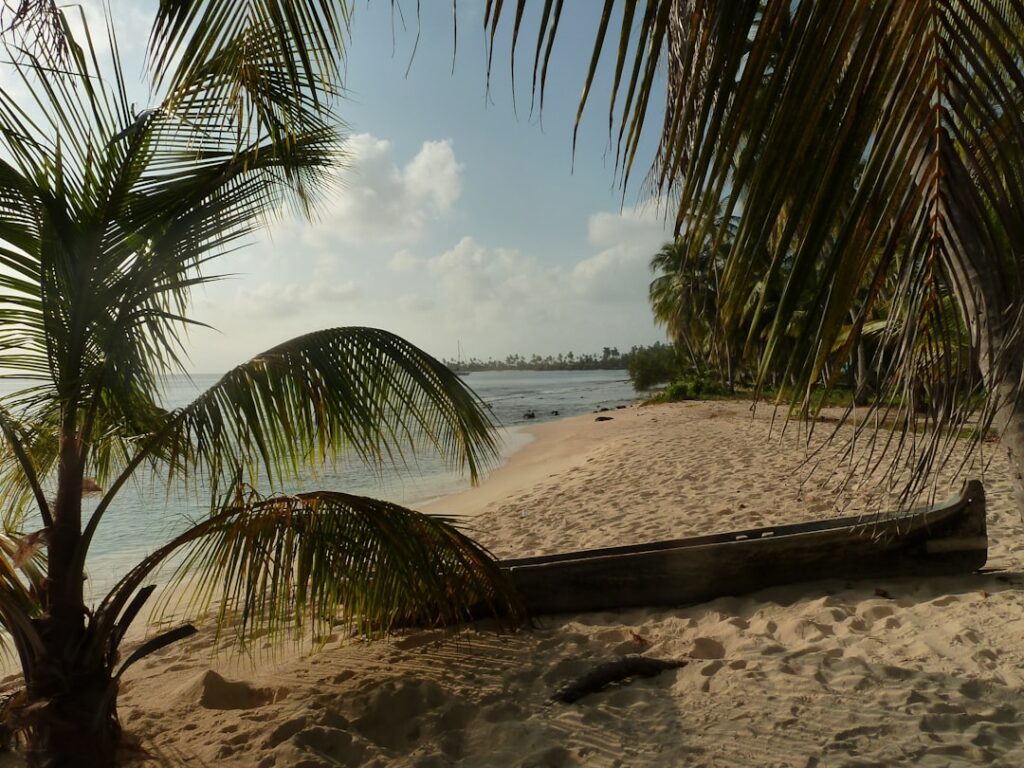
A sailboat in the distance on a tropical beach, Guna Yala, Panama
- Historic Architecture: The traditional Guna *bohío*, a thatched-roof, open-sided communal hut built from cane and palm, represents a centuries-old architectural philosophy of community living and harmony with the tropical environment.
- Cultural Scene: The annual *Inna Mutiki*, or “Great Festival,” features days of chanting, traditional dancing, and the ritual consumption of fermented chicha, celebrating community milestones and Guna cosmology.
- Local Specialties: You must try fresh-caught lobster, often grilled over an open fire and served with coconut rice and fried plantains, a simple dish that captures the essence of the sea.
Pro Tip: The absolute best time to visit is during the dry season from mid-December to mid-April. For the perfect balance of good weather and slightly fewer visitors, target the shoulder weeks of late November or late April. Avoid the rainy season (May-November), especially October and November, when heavy rains and strong winds can ground boats and make travel between islands difficult.
Map of Guna Yala, Panama
Use these interactive maps to explore Guna Yala, Panama and plan your route:
📍 View Guna Yala, Panama on OpenStreetMap
🗺️ Open Guna Yala, Panama in Google Maps
Planning Your Trip: Practical Essentials
Getting There and Around
- By Air: Most travelers fly from Panama City’s Albrook Airport (PAC) to one of several airstrips in Guna Yala, like Playón Chico or Corazón de Jesús, on Air Panama. Flights are ~45 minutes. Book flights at Skyscanner for best deals.
- By Train: There are no train services to or within Guna Yala. All access is by air or a 4×4 vehicle followed by boat.
- By Car: The adventurous route involves a 2.5-hour 4×4 drive from Panama City to Cartí, where you take a boat to the islands. The road is rough. Compare car rentals at RentalCars.com if you choose this path.
- Local Transport: Transport is exclusively by boat (*cayuco* or *lancha*). Your lodge will arrange transfers. Expect to pay $20-50 per person for inter-island trips, depending on distance.
Best Time to Visit
Guna Yala’s climate is tropical, defined by a distinct dry and wet season. Your experience is profoundly shaped by when you go, as the weather dictates sea conditions and activity availability.
| Season | Weather | Highlights |
|---|---|---|
| Dry Season (Dec–Apr) | Sunny, low humidity, calm seas. Temps 85-90°F (29-32°C). | Ideal for snorkeling, diving, and island-hopping. Peak tourist season with higher prices. Guaranteed smooth boat travel. |
| Wet Season (May–Nov) | Frequent heavy rains, higher humidity, rougher seas. Temps 80-88°F (27-31°C). | Lush greenery, lowest prices, and few tourists. However, boat trips are weather-dependent, and some lodges close in peak rain months (Oct-Nov). |
| Shoulder (Late Nov / Late Apr) | Transitional; generally good weather with occasional brief showers. | Best value. You’ll enjoy decent weather, calmer seas, and significantly fewer visitors than in peak dry season. |
Budgeting for Guna Yala, Panama

Guna Yala woman in a handcrafted canoe holding colorful textiles in Panama., Guna Yala, Panama
| Category | Budget | Mid-range | Luxury |
|---|---|---|---|
| Accommodation | $25-40/night (basic hut, shared bath) | $80-150/night (private hut, private bath, meals included) | $200+/night (premium eco-lodge, all-inclusive) |
| Meals | $5-10 (simple rice, fish, plantains) | $15-25 (lodge meal plan, fresh seafood) | $30+ (multi-course dinners, lobster) |
| Transport | $20 boat trips, shared rides | $30-50 private boat charters | $75+ for exclusive full-day boat tours |
| Activities | Free (beach time, village visits) | $20-40 (snorkel gear rental, guided tours) | $100+ (PADI dive courses, private fishing) |
| Daily Total | $50-80 | $130-220 | $300+ |
Top Attractions and Must-See Sights
| Attraction | Description | Hours | Entry Fee |
|---|---|---|---|
| The San Blas Islands | Hop between pristine, uninhabited cays like Isla Perro or Isla Iguana for world-class snorkeling right off the beach. | Daylight hours | Boat tour required ($25-50) |
| Guna Village of Achutupu | Experience daily Guna life, see women sewing intricate molas, and understand the community’s matrilineal social structure. | Respectful visits during day | ~$3-5 community fee |
| Coral Reefs & Shipwreck | Snorkel vibrant reefs teeming with life or dive the famous *Wreck of the 480*, a sunken cargo ship near Isla Perro. | Daylight hours | Snorkel gear $10/day; Dive ~$80 |
| Isla Aguja (Needle Island) | Visit this uniquely thin, picturesque island, often cited in photos, for the ultimate castaway fantasy. | Daylight hours | Boat tour required |
3-Day Itinerary: Guna Yala, Panama’s Highlights & Hidden Gems
Day 1: Arrival & Island Immersion
- Morning (7-9 AM): Catch an early Air Panama flight from Albrook to Playón Chico. The aerial view of the archipelago is your first breathtaking welcome. Your lodge’s boat will meet you for transfer.
- Afternoon (12-3 PM): Settle into your *bohío*, then enjoy a fresh lunch at your lodge, likely grilled corvina (sea bass). Post-lunch, take a short boat ride to a nearby “natural pool”—a shallow sandbar in the middle of the ocean—for a surreal swim.
- Evening (6-8 PM): Watch the spectacular sunset with a cold Panamá beer. Dinner at the lodge is a communal affair, featuring the day’s catch. Afterward, stargaze; the lack of light pollution makes the Milky Way vividly clear.
Day 2: Snorkeling & Cultural Exchange
- Morning (8 AM): Charter a boat ($40-60 per person) for a half-day island-hopping tour. Your first stop is Isla Perro for snorkeling on the vibrant reef and seeing the shipwreck just offshore. Bring bread to feed the tropical fish.
- Afternoon (1 PM): Have a packed picnic lunch on the white sands of Isla Iguana. Then, visit the traditional Guna village of Río Sidra or Achutupu. Pay the small community fee, respectfully observe, and perhaps purchase a mola directly from the artisan.
- Evening (7 PM): Return to your lodge. For dinner, splurge on a lobster feast (arranged in advance, ~$25). Listen to the sounds of the jungle and sea merging in the darkness.
Day 3: Relaxation & Departure
- Morning (9 AM): Enjoy a leisurely morning on your “home” island. Swim, read in a hammock, or take a kayak out to explore the immediate coastline. This is the day to fully embrace the *tranquilo* pace.
- Afternoon (12 PM): One last magnificent lunch—perhaps coconut rice with octopus stew. Settle any bills with your lodge (cash only). Boat transfer back to the airstrip for your afternoon flight to Panama City.
- Evening: You’ll be back in Panama City by dusk, with your senses full of salt air, vibrant colors, and the profound peace of the islands.
Cultural Insights & Etiquette
- Language: The Guna speak Dulegaya, but many (especially men involved in tourism) speak Spanish. Basic Spanish phrases help. *Nuedi* (hello), *Dage malo* (thank you).
- Customs: Always ask permission before photographing Guna people, especially the women. It’s polite and often requires a small fee ($1-2). The society is matrilineal—property and social lineage pass through women.
- Tipping: Not a traditional custom but appreciated for exceptional service. A 5-10% tip for your lodge hosts or boat captain is a generous gesture.
- Dress Code: Modesty is key in Guna villages. Women should avoid shorts and sleeveless tops; a knee-length skirt or pants and a t-shirt are appropriate. Swimwear is only for the beaches and uninhabited islands.
- Business Hours: Life follows the sun. Villages are active from early morning. Most tourist services operate from ~7 AM to 6 PM. Remember, this is not a commercialized zone; patience and flexibility are essential virtues.
Where to Eat: Guna Yala, Panama’s Best Bites
Dining in Guna Yala is almost exclusively tied to your accommodation. Meals are prepared fresh from the day’s catch and local staples. Don’t expect menus; you’ll be served what’s fresh and delicious. The cuisine is simple, flavorful, and deeply connected to the environment.
Must-Try Local Specialties
- Grilled Lobster or Langosta: The quintessential luxury, often simply grilled over coals with a squeeze of lime. Best enjoyed at any lodge that offers it as a special dinner.
- Pescado Frito con Patacones: Whole fried fish (like snapper or corvina) served with crispy fried green plantains. A staple lunch found at every lodge.
- Arroz con Coco: Rice cooked in rich coconut milk, providing a subtly sweet and creamy base for seafood dishes. The defining flavor of the region.
Restaurant Recommendations by Budget
| Type | Restaurant | Specialty | Price Range |
|---|---|---|---|
| Budget | Your Lodge’s Communal Table | Daily catch with rice and plantains | $8-12 per meal |
| Mid-range | Sapibenega Lodge Restaurant (Isla Wailidup) | Fresh lobster and octopus dishes | $15-25 per meal |
| Fine dining | Dolphin Lodge (Isla Uaguinega) | Multi-course seafood dinners with advance notice | $30+ per meal |
Where to Stay
Accommodation ranges from rustic to comfortable eco-lodges, all using sustainable local materials. Booking is often done via WhatsApp or email directly with the lodge. Compare some listed options and book at Booking.com or Airbnb for apartments in Panama City, but for Guna Yala itself, direct contact is key.
Best Islands for Accommodation
- Isla Wailidup (Sapibenega Area): A popular hub with several lodges, good snorkeling nearby, and a vibrant social scene. Ideal for first-timers and those wanting more activity options.
- Isla Yansaladup (Corazón de Jesús Area): Offers a mix of tranquility and access to cultural visits in nearby mainland villages. Good for a balanced experience.
- Remote Eastern Islands (Mormakeetupu, etc.): For true isolation. These lodges are harder to reach but offer unparalleled privacy and pristine environments. Best for seasoned travelers seeking solitude.

Idyllic beach scene with palm trees and huts in Guna Yala, Guna Yala, Panama
FAQs: Your Guna Yala, Panama Questions Answered
1. Is Guna Yala, Panama safe at night?
Yes, the Guna Yala comarca is generally very safe. Crime against tourists is extremely rare. The primary safety concerns are environmental: sun exposure, dehydration, and boat safety. Always wear a life jacket on boat transfers and be mindful of your belongings near water. Within the close-knit Guna communities, social order is strongly maintained.
2. What currency is used and are credit cards accepted?
The official currency is the US Dollar. Bring plenty of cash in small denominations ($1, $5, $10, $20 bills). There are no ATMs in the islands, and credit cards are almost universally not accepted. You’ll need cash for everything: community fees, mola purchases, tips, and extra drinks.
3. How do I get from the airport to the city center?
This refers to Panama City. From Tocumen International (PTY), the cheapest option is the Metro bus ($1.25) to Albrook Station. Official airport taxis cost ~$30-35 to the city center. For Guna Yala, you fly from the domestic Albrook Airport (PAC). Book airport transfers in Panama City at GetYourGuide for convenience.
4. Do I need to speak the local language?
No, but it helps. You can manage with basic Spanish. English is spoken at most tourist lodges but is less common in villages. Learning a few Dulegaya greetings will earn you warm smiles and show deep respect for your hosts.
5. What’s the appropriate dress code?
As noted, modesty in villages is non-negotiable. Pack lightweight, loose-fitting clothing that covers shoulders and knees for community visits. For the islands, swimsuits, cover-ups, shorts, and t-shirts are perfect. Don’t forget a wide-brimmed hat, reef-safe sunscreen, and sturdy sandals for getting in/out of boats.
Final Thoughts: Guna Yala, Panama Awaits
Guna Yala is not a destination you simply see; it’s one you feel. It challenges the modern traveler to slow down
{“@context”: “https://schema.org”, “@type”: “FAQPage”, “mainEntity”: [{“@type”: “Question”, “name”: “What is the best time to visit Guna Yala?”, “acceptedAnswer”: {“@type”: “Answer”, “text”: “The best time to visit Guna Yala depends on your preferences. Generally, the dry season offers the most pleasant weather for sightseeing and outdoor activities.”}}, {“@type”: “Question”, “name”: “How many days do I need in Guna Yala?”, “acceptedAnswer”: {“@type”: “Answer”, “text”: “Most travelers spend 3-5 days in Guna Yala to see the main attractions. A week allows for a more relaxed pace and day trips.”}}, {“@type”: “Question”, “name”: “Is Guna Yala expensive to visit?”, “acceptedAnswer”: {“@type”: “Answer”, “text”: “Guna Yala can be visited on various budgets. Accommodation ranges from hostels to luxury hotels, and local restaurants offer affordable dining.”}}]}
Related Guides
Explore more destinations similar to Guna Yala:
- Sichuan’s 2025 Secret: Pandas, Peppers & 3 Ancient Wonders
- Statue of Liberty, USA: Best Iconic Views, Immigrant History & Monumental Engineering (2025)
- Stunning Sayulita, Mexico Secrets’s Essential Best Places to Visit (2025)
- Tasikmalaya, Indonesia: Ultimate Bamboo Crafts, Spiritual Retreats & Volcanic Vistas (2025)

