
Kazakhstan Steppe, Kazakhstan: Incredible Endless Horizons, Nomadic Spirit & Epic Journeys (2026)
Just before dawn, the silence of the Kazakhstan Steppe is broken only by the distant call of a steppe eagle. As the sun crests the horizon, it illuminates a sea of feather grass stretching over 804,500 square kilometers—an area larger than Texas—turning the landscape into a shimmering, golden ocean. This isn’t a single destination, but a vast, living corridor of history where the ancient Silk Road caravans once moved to the rhythm of horse hooves. Here, the journey itself is the ultimate attraction.
Why Kazakhstan Steppe, Kazakhstan Stands Out

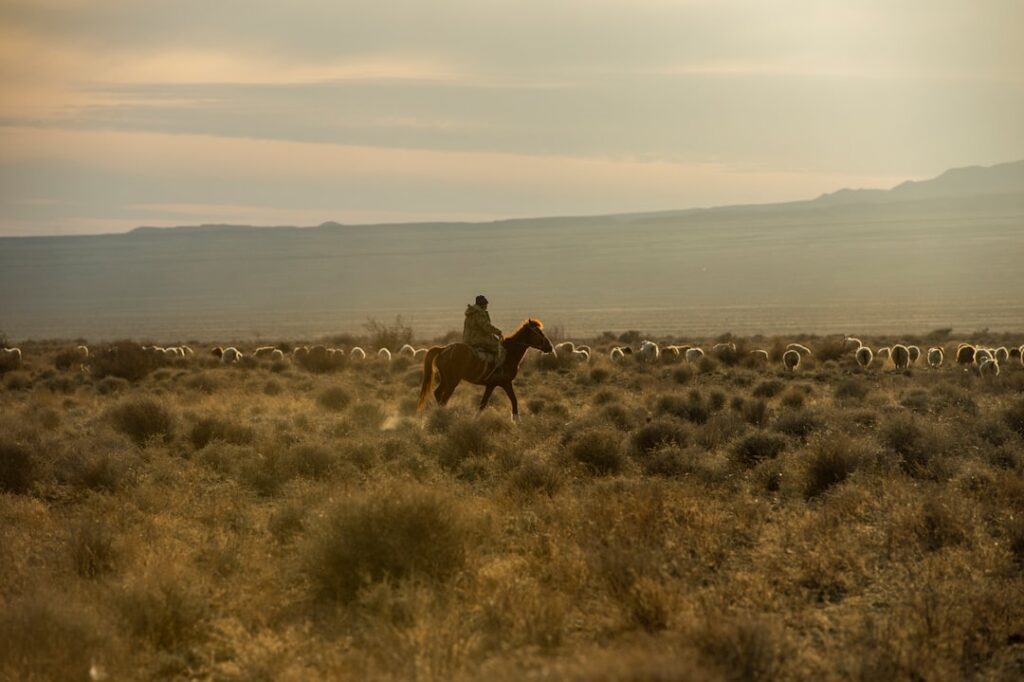
Herd of sheeps, Kazakhstan Steppe, Kazakhstan
- Historic Architecture: The Mausoleum of Khoja Ahmed Yasawi in Turkistan, a 14th-century UNESCO site, is a masterpiece of Timurid architecture and a pilgrimage center that showcases the region’s deep spiritual history.
- Cultural Scene: The annual Nauryz festival in March, celebrating the spring equinox, transforms villages with traditional games, horse racing (Kokpar), and the sharing of Nauryz Kozhe, a symbolic seven-ingredient dish.
- Local Specialties: You must try Beshbarmak, the national dish of boiled horse or lamb meat over handmade noodles, traditionally eaten from a shared platter with your hands.
Pro Tip: The absolute best time to experience the steppe is late May to early June. The weather is mild, the wildflowers (especially the iconic red poppies) are in full bloom, and the famous summer heat and biting flies haven’t yet arrived. For the authentic nomadic experience, plan your visit around a small-town festival rather than the major cities.
Map of Kazakhstan Steppe, Kazakhstan
Use these interactive maps to explore Kazakhstan Steppe, Kazakhstan and plan your route:
📍 View Kazakhstan Steppe, Kazakhstan on OpenStreetMap
🗺️ Open Kazakhstan Steppe, Kazakhstan in Google Maps
Planning Your Trip: Practical Essentials
Getting There and Around
- By Air: Major international gateways are Nursultan Nazarbayev International Airport (NQZ) in Astana and Almaty International Airport (ALA). Air Astana is the main carrier. From there, you’ll need domestic flights to hubs like Shymkent or Kyzylorda to access the steppe. Book flights at Skyscanner for best deals.
- By Train: The Kazakh railways are an iconic way to traverse the steppe. The overnight train from Almaty to Nur-Sultan (approx. 14 hours) cuts right through the heart of it. For Silk Road sites, trains to Turkistan are key. Reserve tickets at Trainline or the national railway website.
- By Car: A 4×4 vehicle is essential for exploring beyond main highways. The M32 highway from Shymkent to Kyzylorda offers classic steppe views. Rental agencies are found at major airports. Compare car rentals at RentalCars.com.
- Local Transport: Between towns, shared taxis (marshrutkas) are common but schedules are informal. In the steppe itself, there is no public transport; travel is by arranged tour or private vehicle.
Best Time to Visit
Your experience is dramatically shaped by the season. Summers are for epic journeys under big skies, while spring brings a brief, beautiful bloom. Winters are harsh but offer a stark, silent beauty for the intrepid.
| Season | Weather | Highlights |
|---|---|---|
| Summer (Jun–Aug) | Hot & dry (25°C-35°C / 77°F-95°F), intense sun, occasional strong winds. | Best for long-distance travel, attending festivals, and staying in yurts; peak tourist season for Kazakhs. |
| Winter (Dec–Feb) | Extremely cold (-15°C to -30°C / 5°F to -22°F), snowy, and windy. | For hardy adventurers only; landscapes are hauntingly beautiful and monochromatic; very few tourists. |
| Shoulder (Apr–May/Sep–Oct) | Mild & pleasant (10°C-20°C / 50°F-68°F); spring has rain, autumn is dry. | Ideal for comfortable exploration; spring wildflowers (May) are spectacular; fewer crowds and insects. |
Budgeting for Kazakhstan Steppe, Kazakhstan

Buildings during nighttime, Kazakhstan Steppe, Kazakhstan
| Category | Budget | Mid-range | Luxury |
|---|---|---|---|
| Accommodation | Hostel/Guesthouse: 5,000-10,000 KZT ($11-$22) | Local Hotel/Yurt Stay: 20,000-40,000 KZT ($44-$88) | Premium Tour Lodges: 60,000+ KZT ($132+) |
| Meals | Street food/Chaykhana: 1,500-3,000 KZT ($3-$7) | Local Restaurant: 5,000-8,000 KZT ($11-$18) | Fine Dining in Cities: 15,000+ KZT ($33+) |
| Transport | Marshrutka/Train (2nd class): 2,000-5,000 KZT ($4-$11) | Car Rental (per day): 25,000 KZT ($55) + fuel | Private Driver/Guide: 60,000+ KZT ($132+) |
| Activities | Hiking, village visits: Free-5,000 KZT ($11) | Guided Day Tours: 15,000-30,000 KZT ($33-$66) | Multi-day All-Inclusive Nomadic Tours: 150,000+ KZT ($330+) |
| Daily Total | 15,000-25,000 KZT ($33-$55) | 50,000-80,000 KZT ($110-$176) | 150,000+ KZT ($330+) |
Top Attractions and Must-See Sights
| Attraction | Description | Hours | Entry Fee |
|---|---|---|---|
| Mausoleum of Khoja Ahmed Yasawi (Turkistan) | An unfinished 14th-century architectural gem and the country’s first UNESCO site, revered as a spiritual center. | 9:00 AM – 6:00 PM, Closed Mon | ~500 KZT ($1.10) |
| Korgalzhyn Nature Reserve | A UNESCO Biosphere where the steppe meets wetlands, hosting flamingos and the rare Saiga antelope. | Daylight hours; arrange tours in advance | Tour dependent, ~15,000 KZT ($33) |
| Singing Dune (Altyn-Emel National Park) | A 150-meter tall dune that produces a mysterious low hum when the sand slides, set against mountain vistas. | Sunrise to Sunset | Park entry ~1,500 KZT ($3.30) |
| Petroglyphs at Tamgaly Tas | Ancient rock carvings dating from the Bronze Age to the Turkic period, depicting deities, animals, and rituals. | Daylight hours | ~1,000 KZT ($2.20) |
3-Day Itinerary: Kazakhstan Steppe, Kazakhstan’s Highlights & Hidden Gems
Day 1: Silk Road History & Spiritual Heart
- Morning (7-9 AM): Depart Shymkent early for the 2-hour drive to Turkistan. Be at the Mausoleum of Khoja Ahmed Yasawi as it opens to avoid the heat and crowds. Marvel at the majestic turquoise dome and intricate tilework.
- Afternoon (12-3 PM): Explore the surrounding historic complex, including the underground mosque (Hilvet). For lunch, head to Kazyna restaurant in Turkistan for an excellent Beshbarmak (approx. 3,500 KZT / $8).
- Evening (6-8 PM): Return to Shymkent. Enjoy dinner at Assorti restaurant, known for its lavish dastarkhan (spread) of local dishes. Try the shashlik (grilled skewers).
Day 2: Into the Wild Steppe & Nomadic Life
- Morning (7 AM): Join a pre-booked guided tour (approx. 25,000 KZT / $55 per person) from Shymkent to a working Kazakh horse farm. Learn about the revered Akhal-Teke horses and try your hand at traditional archery.
- Afternoon (1 PM): Enjoy a lunch prepared by a nomadic family—likely fresh Kurt (dried cheese), bread, and tea—inside a traditional yurt. Participate in setting up a yurt to understand its ingenious design.
- Evening (6 PM): Witness a small-scale Kui performance (traditional folk music) around a campfire as the sun sets over the endless plains, an unforgettable sensory experience.
Day 3: Ancient Art & The Aral Sea Legacy
- Morning (6 AM): Take an early train or drive from Kyzylorda to the Aral Sea viewpoint near Aralsk. The journey (3-4 hours) shows the stark reality of the ecological zone. See the haunting ship graveyard.
- Afternoon (12 PM): Have a simple lunch in Aralsk. Visit the Local History Museum to understand the region’s past and tragic transformation. Return to Kyzylorda.
- Evening (7 PM): For your final dinner, savor local river fish at Syrdariya restaurant in Kyzylorda. Reflect on the vast, resilient landscape you’ve traversed.
Cultural Insights & Etiquette
- Language: Kazakh and Russian are both official. Learn a few Kazakh phrases: “Salametsiz be?” (Hello), “Rakhmet” (Thank you), “Kosh keldiniz!” (Welcome). In rural areas, Russian is less common.
- Customs: Always accept offered tea or food—it’s a sign of hospitality. When entering a yurt, do not step on the threshold. Use your right hand for giving and receiving items.
- Tipping: Not traditionally expected, but becoming more common in tourist areas. 10% in restaurants is appreciated. For guides and drivers, 5-10% of the tour cost is a good gesture.
- Dress Code: Modesty is valued, especially outside cities. Cover shoulders and knees when visiting religious sites. Pack sturdy, wind-resistant clothing and a hat for the steppe.
- Business Hours: Shops typically open 9 AM-6 PM, often with a lunch break. Government offices close by 5 PM. Many museums are closed on Mondays.
Where to Eat: Kazakhstan Steppe, Kazakhstan’s Best Bites
Kazakh cuisine is hearty, meat-centric, and designed for sustenance. Meals are social events, often centered around a shared platter. Don’t look for fancy presentation; seek authenticity and flavor.
Must-Try Local Specialties
- Beshbarmak: The national dish, meaning “five fingers,” is boiled meat (horse, lamb, or beef) served over wide noodles with onion sauce. Best tried in a local home or a traditional restaurant like Adal in Nur-Sultan.
- Kumys: Fermented mare’s milk, a slightly sour and fizzy probiotic drink central to nomadic culture. It’s an acquired taste but a must-try experience, often offered at yurt stays.
- Baursak: Deep-fried, puffy dough balls, often sweetened. They are a staple at celebrations and are perfect paired with tea. You’ll find them everywhere, from street stalls to fine dining.
Restaurant Recommendations by Budget
| Type | Restaurant | Specialty | Price Range |
|---|---|---|---|
| Budget | Local Chaykhana (Teahouse) – Any town | Plov (rice pilaf), Lagman (noodle soup), and endless tea. | 1,500-3,000 KZT ($3-$7) |
| Mid-range | Gakku (Chain in major cities) | Modern takes on Kazakh classics in a clean, contemporary setting. | 5,000-8,000 KZT ($11-$18) |
| Fine dining | Navat (Almaty & Nur-Sultan) | Elevated traditional cuisine with live folk music in a stylish caravanserai-like atmosphere. | 15,000+ KZT ($33+) |
Where to Stay
Accommodation ranges from Soviet-era hotels in cities to authentic yurt camps on the steppe. Booking in advance is crucial for yurt stays and during festival times. Compare prices and book at Booking.com or Airbnb for apartments.
Best Neighborhoods for Accommodation
- Turkistan: Stay near the Mausoleum to be immersed in history. It’s a small town, so everything is walkable. Best for history buffs and pilgrims.
- Shymkent: The southern gateway to the steppe and Silk Road sites. Offers a wide range of hotels and is the best base for organized tours into the surrounding plains.
- Yurt Camps (e.g., near Korgalzhyn or Altyn-Emel): For the quintessential experience. These are often in remote locations with basic facilities (shared toilets, no Wi-Fi) but offer unparalleled stargazing and cultural immersion.

Old, abandoned building next to railroad tracks., Kazakhstan Steppe, Kazakhstan
FAQs: Your Kazakhstan Steppe, Kazakhstan Questions Answered
1. Is Kazakhstan Steppe, Kazakhstan safe at night?
Yes, the steppe region is generally very safe. Crime rates are low. The primary safety concerns are environmental: extreme weather, getting lost in vast, unmarked areas, or encountering wildlife. Never venture off-road alone without a guide, reliable vehicle, and satellite communication.
2. What currency is used and are credit cards accepted?
The currency is the Kazakhstani Tenge (KZT). Carry ample cash, especially in the steppe where ATMs are nonexistent and credit cards are rarely accepted outside city hotels and upscale restaurants. USD or EUR can be exchanged easily in cities.
3. How do I get from the airport to the city center?
From major airports like Almaty (ALA), you can take a official taxi (fixed price desks inside arrivals, approx. 5,000 KZT to city center), the Airport Bus (#92), or a Yandex Go app taxi (like Uber
Related Guides
Explore more destinations similar to Kazakhstan Steppe:
- Anjouan, Comoros’s Best Waterfalls, Sultans & Spice-Scented Trails (2026)
- Dire Dawa, Ethiopia: Best Railway Heritage, Khat Markets & Desert Oasis Culture (2025)
- Kopaonik, Serbia’s Ultimate Powder, Peaks & Panoramic Bliss (2026)
- Lake Sevan, Armenia: Ultimate Alpine Waters, Ancient Monasteries & Armenian Hospitality (2025)
{“@context”: “https://schema.org”, “@type”: “FAQPage”, “mainEntity”: [{“@type”: “Question”, “name”: “What is the best time to visit Kazakhstan Steppe?”, “acceptedAnswer”: {“@type”: “Answer”, “text”: “The best time to visit Kazakhstan Steppe depends on your preferences. Generally, the dry season offers the most pleasant weather for sightseeing and outdoor activities.”}}, {“@type”: “Question”, “name”: “How many days do I need in Kazakhstan Steppe?”, “acceptedAnswer”: {“@type”: “Answer”, “text”: “Most travelers spend 3-5 days in Kazakhstan Steppe to see the main attractions. A week allows for a more relaxed pace and day trips.”}}, {“@type”: “Question”, “name”: “Is Kazakhstan Steppe expensive to visit?”, “acceptedAnswer”: {“@type”: “Answer”, “text”: “Kazakhstan Steppe can be visited on various budgets. Accommodation ranges from hostels to luxury hotels, and local restaurants offer affordable dining.”}}]}

