
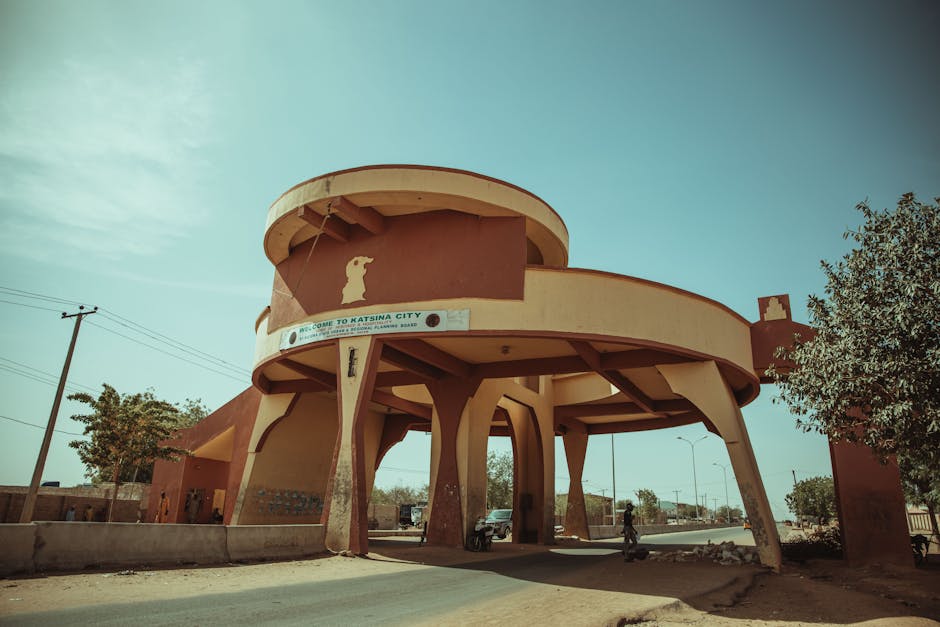
Katsina, Nigeria’s Stunning History, Handcrafts & The Heart of Hausaland (2026)
While international travelers flock to Lagos for its beaches or Abuja for its politics, fewer than 5,000 foreign tourists annually discover the ancient, beating heart of Hausa culture in Katsina. Founded in 1100 AD, this city was a preeminent seat of the powerful Hausa Kingdoms, a center of Islamic scholarship, and a terminus of the Trans-Saharan trade routes. Today, you can walk the same 14th-century walls that once protected caravans laden with gold, salt, and ivory, and find a living museum where traditional crafts and royal heritage aren’t just preserved—they’re part of daily life.
Why Katsina, Nigeria Stands Out
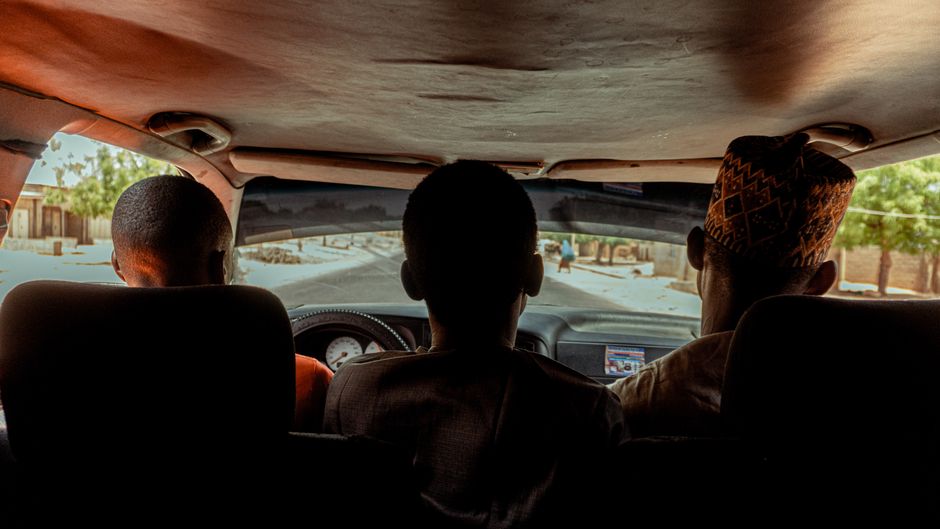
A scenic road trip view from the backseat of a car driving in Daura, Nigeria., Katsina, Nigeria
- Historic Architecture: The Gobarau Minaret, a 50-foot tower built in the early 1700s, served as both a watchtower and a symbol of Islamic scholarship for centuries.
- Cultural Scene: Durbar Festival, a spectacular, centuries-old equestrian display of horsemanship, music, and royal regalia held during Eid celebrations.
- Local Specialties: Tuwo Shinkafa, a smooth, savory rice pudding served with rich, spicy miyan kuka (baobab leaf soup) and succulent goat meat.
Pro Tip: Plan your visit for the cooler, dry months between November and February. Not only is the weather pleasant (around 25-30°C), but you also have a chance to experience the Durbar if your trip coincides with Eid al-Fitr or Eid al-Adha. Arrive at major sites like the Emir’s Palace by 9 AM to avoid the midday heat and have the place almost to yourself.
Map of Katsina, Nigeria
Use these interactive maps to explore Katsina, Nigeria and plan your route:
📍 View Katsina, Nigeria on OpenStreetMap
🗺️ Open Katsina, Nigeria in Google Maps
Planning Your Trip: Practical Essentials
Getting There and Around
- By Air: Katsina’s Umaru Musa Yar’Adua Airport (DKA) has direct flights from Abuja on Air Peace and Arik Air (approx. 1.5 hours). A taxi from the airport to the city center costs about ₦2,500. Book flights at Skyscanner for best deals.
- By Train: The modern Abuja-Kaduna rail line connects to a road link for Katsina. The full journey from Abuja takes about 6-7 hours by combined train and bus. Reserve tickets at Trainline or the national railway website.
- By Car: A road trip from Kano takes roughly 2.5 hours via the A9 highway. Driving offers flexibility to stop at roadside villages. Parking in the old city can be tight. Compare car rentals at RentalCars.com.
- Local Transport: Your best bets are motorcycle taxis (okada) for short trips (₦100-₦300) and yellow-painted three-wheeled kekes for slightly longer journeys. For a full-day tour, negotiate with a private taxi driver for around ₦15,000.
Best Time to Visit
Katsina has a hot, semi-arid climate with two main seasons: a long, intensely hot dry season and a shorter, humid rainy season. Savvy travelers target the dry season’s cooler window for exploration.
| Season | Weather | Highlights |
|---|---|---|
| Cool Dry Season (Nov–Feb) | Pleasant and sunny, 20-32°C, no rain. | Ideal for all sightseeing; potential to witness the spectacular Durbar festival during Eid. |
| Hot Dry Season (Mar–May) | Very hot and dusty, 28-40°C, Harmattan winds possible. | Fewer visitors, but outdoor activities are best planned for early mornings and late afternoons. |
| Rainy Season (Jun–Sep) | Hot and humid, 24-35°C, with heavy afternoon showers. | Lush, green landscapes; some rural roads may become difficult to navigate. |
Budgeting for Katsina, Nigeria

Elderly Nigerian woman in Funtua beside traditional house, selling goods., Katsina, Nigeria
| Category | Budget | Mid-range | Luxury |
|---|---|---|---|
| Accommodation | Guesthouse: ₦8,000 – ₦12,000/night | Standard Hotel: ₦18,000 – ₦25,000/night | Premium Hotel: ₦35,000+/night |
| Meals | Local eateries/street food: ₦1,000 – ₦2,500/meal | Hotel/restaurant: ₦3,500 – ₦6,000/meal | Fine dining (limited): ₦8,000+/meal |
| Transport | Okada/Keke: ₦500 – ₦1,500/day | Private taxi (half-day): ₦7,000 – ₦10,000 | Private car & driver (full day): ₦20,000+ |
| Activities | Palace & Museum entry: ₦500 – ₦1,000 each | Guided city tour: ₦10,000 | Custom cultural tour/experiences: ₦30,000+ |
| Daily Total | ₦10,000 – ₦15,000 | ₦30,000 – ₦45,000 | ₦70,000+ |
Top Attractions and Must-See Sights
| Attraction | Description | Hours | Entry Fee |
|---|---|---|---|
| Katsina Emir’s Palace (Gidan Korau) | A stunning, centuries-old complex with intricate mud architecture, serving as the official residence of the Emir. | 9 AM – 5 PM (External viewing only; special permission needed inside) | Free (External) |
| Gobarau Minaret & Mosque | The iconic 18th-century tower, once the tallest structure in Hausaland, offering a glimpse into Islamic history. | 8 AM – 6 PM Daily | ₦500 |
| Katsina State Museum & Old City Walls | Houses relics of the kingdom, including royal regalia, while the nearby ancient walls stretch for kilometers. | 9 AM – 4 PM (Closed Mondays) | ₦1,000 |
| Kurmi Market | A sprawling, historic market established in the 14th century, perfect for finding traditional crafts like leatherwork and pottery. | 8 AM – 7 PM Daily | Free |
3-Day Itinerary: Katsina, Nigeria’s Highlights & Hidden Gems
Day 1: Royal Heritage & Ancient Walls
- Morning (7-9 AM): Start at the Gobarau Minaret. The morning light is perfect for photos, and you’ll beat the heat. Climb the base for a view over the old city.
- Afternoon (12-3 PM): Explore the Katsina State Museum to understand the region’s history. For lunch, head to Mama Put’s Spot near the museum for an authentic, budget-friendly plate of Tuwo Shinkafa with miyan taushe (pumpkin soup).
- Evening (6-8 PM): Take a walk along a restored section of the Old City Walls near Kofar Sauri Gate as the sun sets. For dinner, try Greenwich Hotel Restaurant for well-prepared Nigerian classics in a clean setting.
Day 2: Crafts, Culture & Commerce
- Morning (8 AM): Dive into the sensory overload of Kurmi Market (₦0 entry, but bring cash for purchases). Your mission: find the leatherworkers’ section for hand-tooled bags and the pottery stalls for traditional Hausa water jars.
- Afternoon (1 PM): Enjoy lunch at Katsina Motel Restaurant, known for its suya (spicy grilled meat). Then, visit the Katsina Craft Village (near the museum) to see artisans weaving, dyeing, and embroidering textiles in real-time.
- Evening (6 PM): Experience local life at a popular spot like De Olde Palace (not the actual palace), a relaxed garden restaurant where you can enjoy a cold drink and grilled chicken.
Day 3: Spiritual Legacy & Local Life
- Morning (9 AM): Hire a taxi (approx. ₦8,000 for 4 hours) to visit the Daura Old Mosque (about 1.5 hours drive). This ancient mosque is one of the oldest in Nigeria, with a unique architectural style.
- Afternoon (1 PM): Have lunch in Daura at a local spot like Maiwaya Restaurant before returning to Katsina. En route, ask your driver to stop at a village to see traditional Hausa compound architecture.
- Evening (6 PM): For your final evening, savor a special dinner at Charcoal Grill by Hamdala, one of the city’s top spots for expertly grilled fish and meats. Reflect on your journey through the heart of Hausaland.
Cultural Insights & Etiquette
- Language: Hausa is the primary language. Useful phrases: “Sannu” (Hello), “Na gode” (Thank you), “Yaya dai?” (How are you?). English is understood in hotels and businesses.
- Customs: Always greet people before asking questions or taking photos. The right hand is used for eating and giving/receiving items. Show respect when discussing the Emir or traditional institutions.
- Tipping: Not mandatory but appreciated. Round up taxi fares. A tip of ₦500-₦1,000 is generous for a guide or restaurant server.
- Dress Code: Modesty is key. For both men and women, clothing that covers shoulders and knees is respectful, especially when visiting religious or traditional sites.
- Business Hours: Shops generally open 9 AM – 6 PM, often closing for Friday prayers (12 PM – 2 PM). Government offices and museums may close by 4 PM.
Where to Eat: Katsina, Nigeria’s Best Bites
Katsina’s cuisine is classic Hausa fare—hearty, flavorful, and centered around grains like millet and rice, soups, and grilled meats. Dining is often a communal and social experience. Don’t just eat; engage with the food culture.
Must-Try Local Specialties
- Tuwo Shinkafa with Miyan Kuka: The ultimate comfort food. The smooth, slightly elastic rice “paste” is perfect for scooping up the tangy, nutritious baobab leaf soup. Try it at any local “buka” (eatery).
- Suya: Thinly sliced beef or chicken, marinated in a potent mix of ground peanuts, peppers, and spices, then grilled over charcoal. Find the best at dedicated suya spots, like those near Katsina Motel, in the evening.
- Fura da Nono: A refreshing drink made from fermented cow milk (nono) and millet or sorghum balls (fura). It’s a popular, probiotic-rich breakfast or snack sold by street vendors.
Restaurant Recommendations by Budget
| Type | Restaurant | Specialty | Price Range |
|---|---|---|---|
| Budget | Mama Put’s Spot (Near Museum) | Daily soups and stews with tuwo or rice | ₦1,000 – ₦2,000 |
| Mid-range | Katsina Motel Restaurant (Ibrahim Taiwo Rd) | Reliable Nigerian staples & excellent suya | ₦2,500 – ₦5,000 |
| Fine dining | Charcoal Grill by Hamdala (GRA) | Premium grilled meats, fish, and international dishes | ₦5,000 – ₦10,000+ |
Where to Stay
Accommodation in Katsina ranges from basic guesthouses to a few comfortable, modern hotels. Most hotels are located in the Government Reserved Area (GRA) or along the main roads, offering easier access for drivers. Compare prices and book at Booking.com or Airbnb for apartments.
Best Neighborhoods for Accommodation
- Government Reserved Area (GRA): The most upscale area, with wider streets, quieter surroundings, and the city’s best hotels like the Katsina Motel and Greenwich Hotel. It’s a short drive from the old city.
- Along Ibrahim Taiwo Road: This major artery has several good mid-range hotels with convenient locations, easy access to transport, and nearby restaurants. It’s a practical choice for most travelers.
- Old City Vicinity: Staying near the old walls offers an immersive atmosphere. Options are more limited and basic, but you’ll be within walking distance of historic sites and Kurmi Market.
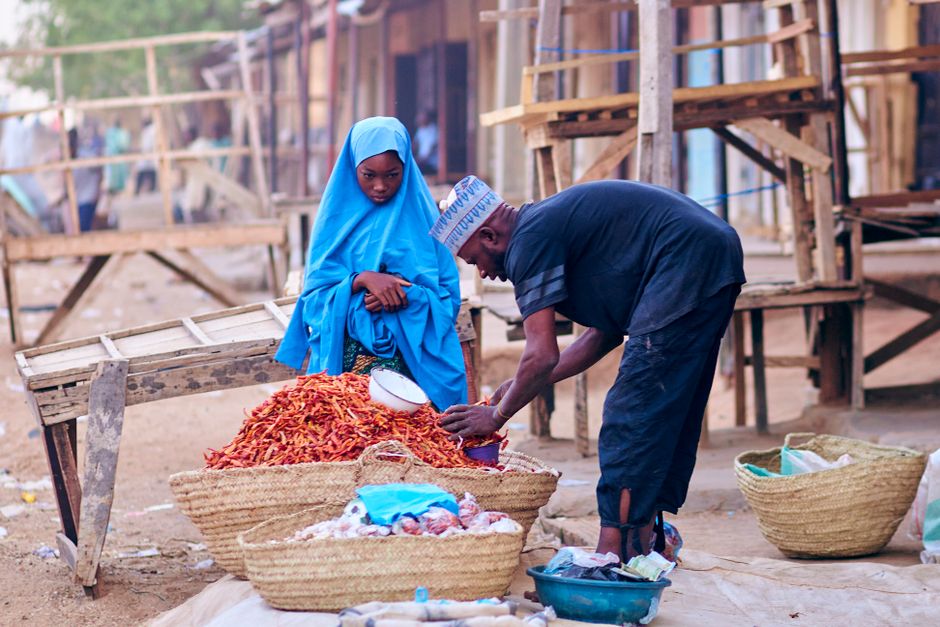
A local vendor and customer at a traditional outdoor market in Katsina, Nigeria.
FAQs: Your Katsina, Nigeria Questions Answered
1. Is Katsina, Nigeria safe at night?
Katsina is generally considered safe, but common-sense precautions are essential. Avoid walking alone in poorly lit areas at night. Use registered hotel taxis or kekes for evening transport. It’s wise to stay informed about the current security situation in the broader northwestern region before and during your trip.
2. What currency is used and are credit cards accepted?
The Nigerian Naira (₦) is the currency. Carry ample cash, as credit cards are rarely accepted outside major hotels in the GRA. ATMs are available in the city center and GRA, but it’s best to withdraw cash in Abuja or Kano before arriving as a backup.
3. How do I get from the airport to the city center?
Umaru Musa Yar’Adua Airport is about 15 minutes from the city. Your only reliable option is taxi. Official airport taxis charge a fixed rate of around ₦2,500-₦3,000 to most hotels in the city. Book airport transfers at GetYourGuide for convenience.
4. Do I need to speak the local language?
No, but it helps immensely. English is used in business and tourism settings. Learning a few basic Hausa greetings (Sannu, Na gode) will earn you warm smiles and shows respect. For deeper exploration, consider hiring a local guide who can translate.
5. What’s the appropriate dress code?
Dress modestly to respect the conservative, predominantly Muslim culture. For both men and women, clothing should cover
Related Guides
Explore more destinations similar to Katsina:
- Tinghir, Morocco’s Essential Oases, Kasbahs & Berber Culture (2025)
- Bafia, Cameroon’s Best Culture, Crafts & Untamed Landscapes (2026)
- Epi Island, Vanuatu’s Hidden Kava, Coral Reefs & Unwritten History (2026)
- Chéticamp, Canada: Essential Acadian Culture, Rugged Coastlines & World-Class Hiking (2025)
{“@context”: “https://schema.org”, “@type”: “FAQPage”, “mainEntity”: [{“@type”: “Question”, “name”: “What is the best time to visit Katsina?”, “acceptedAnswer”: {“@type”: “Answer”, “text”: “The best time to visit Katsina depends on your preferences. Generally, the dry season offers the most pleasant weather for sightseeing and outdoor activities.”}}, {“@type”: “Question”, “name”: “How many days do I need in Katsina?”, “acceptedAnswer”: {“@type”: “Answer”, “text”: “Most travelers spend 3-5 days in Katsina to see the main attractions. A week allows for a more relaxed pace and day trips.”}}, {“@type”: “Question”, “name”: “Is Katsina expensive to visit?”, “acceptedAnswer”: {“@type”: “Answer”, “text”: “Katsina can be visited on various budgets. Accommodation ranges from hostels to luxury hotels, and local restaurants offer affordable dining.”}}]}

