

Biak, Indonesia Weekend: Coral Reefs, WWII Relics & The Sunrise That Stays With You (2026)
Quick Facts Before You Go
- Best Months: October through April (dry season, calm seas, visibility up to 40 meters for diving)
- Currency: Indonesian Rupiah (IDR). 1 USD ≈ 15,500 IDR. Bring cash—ATMs are scarce outside Biak City.
- Language: Indonesian (Bahasa Indonesia) spoken widely; English is limited to hotels and dive centers. Learn “terima kasih” (thank you) and “selamat pagi” (good morning)—locals light up when you try.
- Budget: 500,000–1,200,000 IDR ($32–$77 USD) per day for mid-range travel including meals, transport, and activities. Diving adds 500,000–800,000 IDR per trip.
- Getting There: Fly into Frans Kaisiepo International Airport (BIK). Direct flights from Jakarta (5.5 hours) via Garuda Indonesia or Lion Air. Book at Skyscanner for the best fares.
Day 1: Coral Gardens & Craters of the Pacific War
You start your morning with the taste of salty sea air and the rumble of a becak (three-wheeled taxi) carrying you toward the harbor. Travelers often wake earlier than planned here—the equatorial sun rises like a copper coin at 5:45am, and by 6:30, the fish market is already alive with shouting vendors and the thwack of machetes opening tuna. Today, you’ll plunge into waters that hold secrets from both nature and history.
- Morning (8–11am): Head to Teluk Cenderawasih National Park for a morning snorkeling trip. Join a local boat from Bosnik Beach (25,000 IDR entry fee, 150,000 IDR for a shared boat). You’ll drift over coral gardens where clownfish dart among anemones and parrotfish crunch coral within arm’s reach. The water is bathtub-warm at 29°C. Savvy visitors bring a waterproof pouch for their phone—you’ll regret not having one when a sea turtle surfaces beside you.
- Lunch: Stop at Warung Makan Bahari on Jalan Bosnik for ikan bakar rica-rica—grilled red snapper slathered in fiery chili paste. One whole fish with steamed rice and a plate of papaya lalap (fresh vegetables) costs 45,000 IDR. Ask for “setengah pedas” (half spicy) if you’re not a chili veteran. Locals recommend washing it down with es kelapa muda—young coconut water served in the shell with ice.
- Afternoon (1–5pm): Dive into World War II history at Gua Jepang (Japanese Cave), a 500-meter network of tunnels carved into limestone during the 1944 Allied invasion. You’ll walk through caverns where Japanese soldiers hid munitions and, according to local stories, a few refused to surrender until weeks after the war ended. Entry is free, but bring a headlamp—the darkness deep inside is absolute. Afterward, visit Monumen Perjuangan Rakyat Biak (People’s Struggle Monument) at the town square, where a 1944 Sherman tank sits as a rusted sentinel. Travelers often pause here, imagining the roar of battle that once echoed over these now-peaceful streets.
- Evening: Dinner at Rumah Makan Seafood Biak Indah on Jalan Yos Sudarso. Order the kepiting saus padang (crabs in spicy Padang sauce)—two crabs cost around 120,000 IDR—and sit on the open terrace where the evening breeze carries the scent of salt and frangipani. Afterward, walk five minutes to Pantai Bosnik for sunset. Locals gather here with guitars and sweet tea; you’ll hear songs in Indonesian and the Biak language, sung to the rhythm of waves on coral sand.
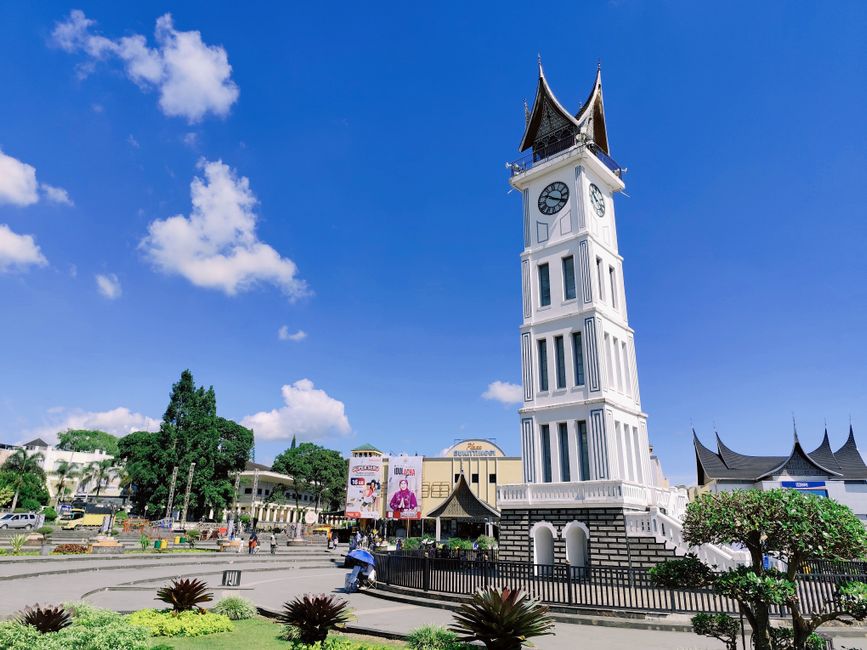
Scenic view of the iconic Jam Gadang clock tower under a blue sky in Bukittinggi, Biac, Indonesia
Day 2: Island Hopping & The Village Where Time Stands Still
- Morning (7:30–10:30am): Take a public speedboat from Pelabuhan Biak Kota to Pulau Owi (75,000 IDR per person, 45-minute ride). This tiny island—just 2 kilometers across—was a Dutch colonial rubber plantation and later a US air base in 1944. Today, it’s ringed by a beach of crushed coral so white it squeaks under your feet. You’ll find a single homestay and a warung serving nasi kuning (turmeric rice with fried egg and tempeh, 20,000 IDR). Spend the morning snorkeling the house reef—turtles are so common here that locals don’t bother naming them.
- Midday: Return to Biak mainland and visit Kampung Inpres, a traditional Biak village near the airport. The houses stand on stilts over a turquoise lagoon, connected by wooden walkways. You’ll see women weaving noken (traditional Papuan bags made from orchid fiber) and children paddling dugout canoes. The key to avoiding crowds? Arrive at 11:30am, just before the tour groups finish lunch. Walk to the tiny church at the village center—its coral-stone walls date to 1910, and the view across the lagoon will stop you mid-stride.
- Afternoon (1:30–4:30pm): Explore Pasar Biak (Biak Market) on Jalan Merdeka. This is no souvenir trap—it’s the pulsing heart of local life. You’ll find pyramids of nutmeg and cloves, baskets of live mud crabs, and piles of ubi jalar (sweet potatoes) in purple and orange. Try sagu bakar—a chewy, smoky bread made from sago palm starch, grilled over charcoal (5,000 IDR each). Travelers often overlook the batik section upstairs, where elderly women sew intricate Papuan motifs—spider webs representing creation stories and bird-of-paradise feathers for the soul’s journey.
- Final Evening: Your farewell dinner deserves something special. Book a table at Rumah Makan Papua Asli on Jalan Imam Bonjol. This family-run restaurant serves papeda—a gluey sago porridge that’s the staple of Papuan cuisine—with ikan kuah kuning (fish in yellow turmeric broth). The texture takes getting used to (think molten glass), but the flavor is a revelation: coconut, lemongrass, and the faint bitterness of galangal. A full meal with juice costs 60,000 IDR. As you eat, the owner might tell you the old Biak creation myth—how the first man was born from a bamboo stalk split by a bird-of-paradise. You’ll leave with a full stomach and a story to carry home.
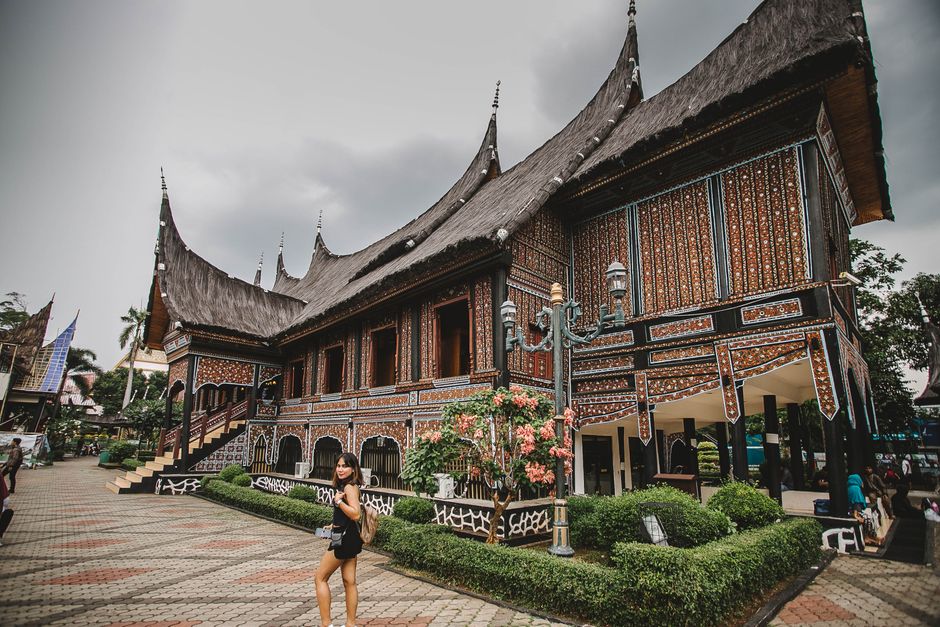
Beautiful traditional Indonesian building with detailed architecture and a …, Biac, Indonesia
The Food You Can’t Miss
Biak’s cuisine is a fusion of Papuan tradition and the spice trade routes that have washed through this archipelago for centuries. The star ingredient is sago—the starch extracted from sago palm trunks that forms the base of nearly every traditional meal. Travelers who arrive expecting nasi goreng and satay are surprised to find a completely different culinary landscape. At Pasar Malam Biak (night market, open from 6pm daily on Jalan Ahmad Yani), you’ll find sate bulus—skewers of freshwater turtle meat grilled over coconut-shell charcoal, basted with a sweet soy and ginger glaze (8,000 IDR per stick). It sounds unusual, but the meat is tender, smoky, and unlike anything you’ve tasted.

Close-up view of ancient stone sculptures and architecture at Borobudur Temple, Biac, Indonesia
For a full restaurant experience, RM Sari Laut on Jalan Bosnik serves coto Makassar—a beef offal soup so rich and nutty it could restore your faith in food. The secret is the kacang tanah (peanut) base, ground with lemongrass and candlenut. A bowl with rice cake costs 35,000 IDR. What locals order off-menu: sambal dabu-dabu—a raw chili, tomato, and calamansi salsa that they spoon over everything. It’s simple, explosive, and you’ll wish you’d discovered it on Day 1.
Where to Stay for the Weekend
Your best bet for a weekend base is Bosnik Beach, where the breeze off Cenderawasih Bay keeps the air fresh and the sunsets are unobstructed. Swiss-Belhotel Biak (Jalan Bosnik, rooms from 650,000 IDR/night) offers air conditioning, a pool, and the most reliable Wi-Fi on the island—crucial if you need to upload photos of that sea turtle. Ask for a room facing the bay; the sunrise from your balcony is worth the premium. For a more authentic experience, Homestak Lina di Pulau Owi (book through local agents at Biak Harbor, 200,000 IDR/night including meals) gives you a thatched bungalow on a beach where the nearest neighbor is a hermit crab. The trade-off is no electricity after 10pm and a bucket shower—but you’ll sleep to the sound of waves and wake to a breakfast of grilled fish and sago pancakes.
The Kota Biak center offers budget options like Hotel Rimba Papua (Jalan Yos Sudarso, 250,000 IDR/night)—basic but clean, with a rooftop terrace perfect for watching the harbor activity. The location puts you walking distance from the market and night food stalls, but expect motorbike noise until midnight. For links and booking: Booking.com has the best hotel selection, while Airbnb occasionally lists homestays on nearby islands—though you’ll find better deals by showing up and negotiating directly.
Before You Go: Practical Tips
- Getting Around: The most practical option is hiring an ojek (motorbike taxi) for 50,000–80,000 IDR per hour. Negotiate the full day upfront (around 400,000 IDR for 8 hours). For traveling between beaches, becak (cycle rickshaws) cost 15,000–30,000 IDR for short trips within Biak City. Renting your own motorbike costs 150,000 IDR/day, but roads east of Bosnik can be potholed and unlit—save it for confident riders only.
- What to Pack: A headlamp with spare batteries (essential for cave explorations and power outages, which happen daily), reef-safe sunscreen (local shops don’t carry it), a dry bag for boat trips, and a printed copy of your passport (authorities occasionally ask for ID at village checkpoints).
- Common Tourist Mistakes: First, ignoring the tide schedule—several beaches, including the beautiful Pantai Weda, become inaccessible at high tide. Check with your hotel for daily tide charts. Second, photographing locals without asking. Biak culture values hormat (respect); a quick hand gesture and smile before taking a photo is non-negotiable. Offer to show them the picture afterward—you’ll get smiles and sometimes an invitation for coffee.
- Money-Saving Tip: Avoid the hotel restaurant markup. At Swiss-Belhotel, a fried rice costs 85,000 IDR. Walk 200 meters to Warung Hj. Aminah on Jalan Bosnik and get the same dish with free sambal for 25,000 IDR. The difference in quality? None. The difference in atmosphere? Everything—you’ll eat next to fishermen fixing nets and children doing homework by kerosene lamp.

