
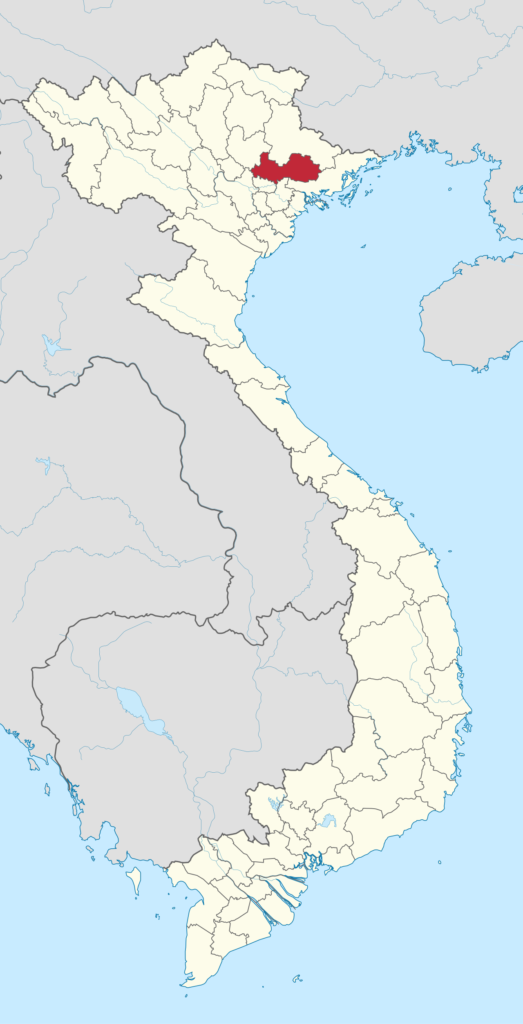
Bac Giang, Vietnam Weekend: Lychee Orchards (2026)
Quick Facts Before You Go
- Best Months: May to July for lychee harvest (the whole province smells like honey), or September to November for cooler hiking weather and fewer tourists.
- Currency: Vietnamese Dong (VND). Approx. 24,000 VND = 1 USD. Cash is king in rural markets; ATMs are only reliable in Bac Giang city center.
- Language: Vietnamese. English is spoken very little outside tourist spots—download Google Translate’s offline Vietnamese pack and learn “cảm ơn” (thank you). Locals appreciate the effort.
- Budget: Realistic daily cost for a comfortable weekend break is 1,000,000–1,500,000 VND (≈ $40–60 USD) per person, excluding accommodation—enough for meals, transport, and entrance fees.
- Getting There: The nearest major airport is Noi Bai International Airport (HAN) in Hanoi, about 50 km west. A taxi or private car takes 1–1.5 hours and costs 400,000–600,000 VND. Book flights at Skyscanner. You can also take a local bus from Hanoi’s Gia Lam station (50,000 VND, 2 hours).
Day 1: Pagoda Whispers & Lychee Lane
You start your morning with the dust of ancient temples on your shoes. Bac Giang’s spiritual heart beats in its pagodas, and the best place to feel it is Bo Da Pagoda—a centuries-old gem that most tourists overlook. By noon, you’ll trade incense smoke for the syrupy scent of lychee orchards, and by evening you’ll be eating the province’s famous bánh cuốn on a plastic stool under a neon sign. This is Bac Giang at its most honest.
- Morning (8–11am): Head to Bo Da Pagoda (Chùa Bổ Đà) in Viet Yen district, about 20 km south of the city. Built in the 11th century, it’s one of Vietnam’s oldest pagodas and houses 100 unique Buddha statues carved from stone. Entry is free, but you’ll want to donate 10,000–20,000 VND for incense. Arrive before 9am to watch monks chant in the main hall; the low murmur echoes off the ancient wooden beams. Tip: climb the small hill behind the pagoda for a panoramic view of the surrounding lychee groves.
- Lunch: Drive or taxi 15 minutes to Quán Bánh Cuốn Cô Hoa (68 Nguyễn Văn Cừ, Phường Ngô Quyền). Locals recommend the bánh cuốn thịt (steamed rice rolls with minced pork and mushrooms) for 35,000 VND per plate, served with fresh herbs and dipping fish sauce. The woman who runs the stand, Cô Hoa, has been making these rolls for 30 years—watch her ladle the batter onto the cloth steamer like a chef performing a ritual. Pair with a glass of iced chè long nhãn (longan dessert drink, 15,000 VND) to cool off.
- Afternoon (1–5pm): Two options. First, adventurous travelers rent a motorbike from Quốc Toàn Motorbike Rental (29 Lê Lợi, 200,000 VND/day) and ride through the lychee orchards of Lục Ngạn district, about 40 km east. From mid-May to July, you can pick lychees directly from the tree (farmers charge 20,000–30,000 VND per kilogram). If you’re here off-season, visit Cẩm Sơn Lake instead—a peaceful reservoir ringed by pine forests, perfect for a 2-hour kayak rental (50,000 VND per hour). Savvy visitors know the north shore is less crowded; you’ll find only the sound of water and wind.
- Evening: Dinner at Nhà hàng Thủy Tạ on the edge of Cẩm Sơn Lake (address: Thọ Xương, 15-minute drive from city center). Order the grilled cá chép (carp) with turmeric and dill, wrapped in rice paper with herbs—a local specialty known as cá chép kho tộ. The fish is caught fresh from the lake that morning; prices hover around 150,000–200,000 VND per serving. Afterward, stroll along the lake’s wooden walkway; the evening breeze carries faint bamboo flute music from a nearby temple.

Bac giang, Vietnam
Day 2: Silk Villages & The Final Feast
Your second morning begins with the rhythmic thump of wooden looms in Thọ Xương Village, where silk has been woven by hand for over 500 years. Midday brings you to a mountain pagoda so quiet you can hear your own footsteps on stone, and your final evening is a farewell dinner of goat meat stewed in bamboo shoots—a dish that embodies the rugged soul of this province. You’ll leave Bac Giang with your hands smelling of incense and your memory full of flavors.
- Morning (7–9am): Breakfast at Phở Dũng (42 Nguyễn Thị Lưu, open 6–10am). Their phở bò tái (rare beef pho) is unassuming but addictively clear-brothy; a bowl costs 40,000 VND. Then drive 7 km north to Thọ Xương Silk Village (Làng Lụa Thọ Xương). You’ll watch artisans weave silk on ancient looms in family-run workshops. Try your hand at winding a bobbin (the grandmothers will laugh but guide you). Travelers often buy a scarf or a square of raw silk for 80,000–150,000 VND—a fraction of what you’d pay in Hanoi’s craft markets.
- Midday (10am–12pm): From the silk village, trek 15 minutes east to Chùa Thánh Chúa (Holy Mother Pagoda) on a hillside. Most tourists skip it, but locals recommend it for the frescoes of 18th-century Buddhist murals that wrap around the inner walls. Entry is donation-based (10,000 VND). The secret to avoiding crowds? Come at 11:30am—everyone else is eating lunch, and you’ll have the pagoda to yourself. Spend 30 minutes sitting on the bench under the ancient banyan tree; the cicada drone is hypnotic.
- Afternoon (1–4pm): Explore Bac Giang Central Market (Chợ Bắc Giang, on Phạm Ngũ Lão Street). It’s a maze of stalls selling everything from live eels to ceramic pots. Wander the dry goods section for dried persimmons (40,000 VND per pack) and local honey (80,000 VND for 500ml). Heads-up: the market gets chaotic around 3pm when suppliers arrive; go before 2pm for easier navigation. Don’t miss the alley of street-food stalls at the back—seasoned travelers grab a styrofoam bowl of bún chả (grilled pork with noodles) for 25,000 VND.
- Final Evening (5:30pm onward): For your farewell dinner, book a table at Quán Dê Dũng Yên (48 Phố Dũng Yên, near the city center). This family-run spot specializes in dê tái chanh—raw goat meat tossed in lime juice, lemongrass, and crushed peanuts—and lẩu dê (goat hotpot) with bamboo shoots and wild herbs. A full hotpot for two runs about 300,000 VND. The atmosphere is pure Bac Giang: metal tables, plastic stools, the hum of Vietnamese karaoke from next door, and the heat of a charcoal brazier at your feet. Pair it with a cold bia Hà Nội (10,000 VND) and watch the stars appear over the rooftops.
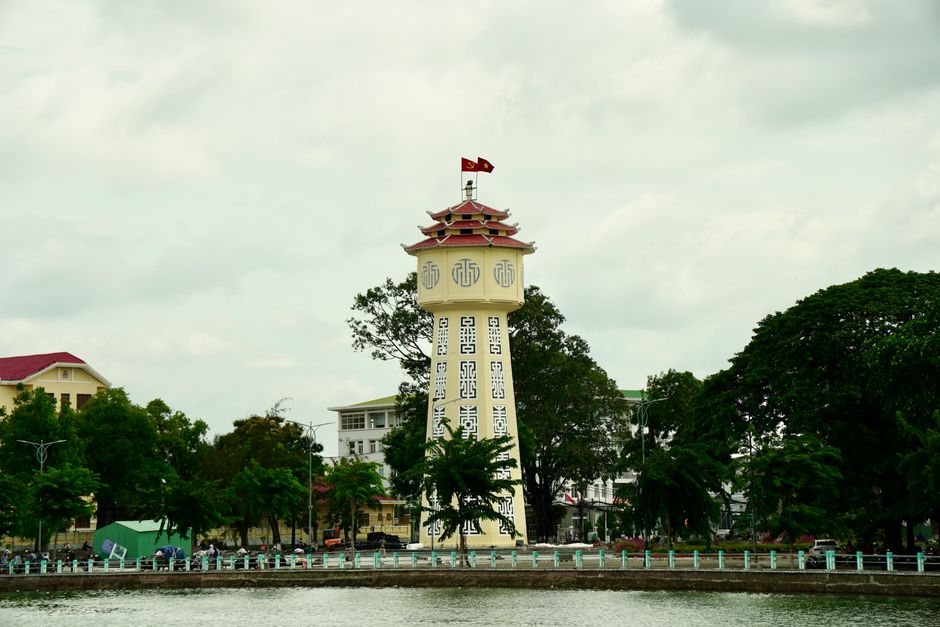
Discover the unique architecture of the Bac Lieu water tower, Bac Giang, Vietnam
The Food You Can’t Miss
Bac Giang’s food is a quiet rebellion against Hanoi’s culinary dominance. You’ll find bold, rustic flavors that rely on the province’s forests, rivers, and lychee groves. Start with the legendary bánh cuốn—not the thin, delicate version from the capital, but a thicker, chewier roll stuffed with minced pork and wood ear mushrooms. The best is at Quán Bánh Cuốn Bà Hào (15 Nguyễn Văn Trỗi, 35,000 VND per plate), a tiny stall where the grandmother behind the counter has been steaming these rolls since the 1980s. You’ll dip them in a smoky fish sauce spiked with chili—each bite is a testament to patience.
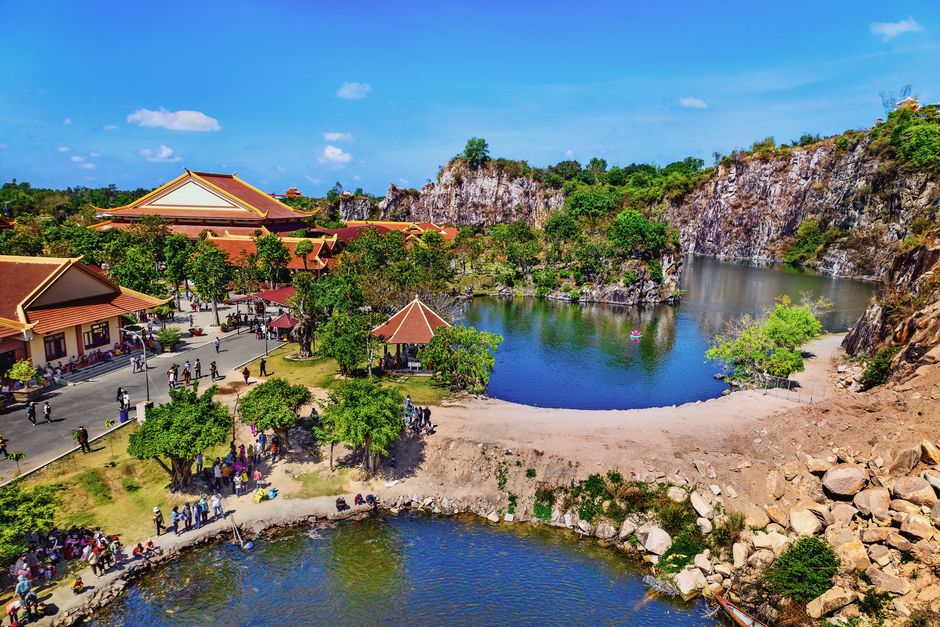
Aerial view of a temple by a tranquil lake surrounded by rocky cliffs in An…, Bac Giang, Vietnam
Street-food explorers should seek out chả lá lốt—beef meatballs wrapped in pepper leaves and grilled over charcoal, served with a tangy tamarind dipping sauce. A skewer of four costs 10,000 VND at the night market on Nguyễn Thị Minh Khai Street, open Fridays and Saturdays from 6pm. The secret? Look for the old man with the striped apron; his family has sold chả lá lốt here for three generations.
For a sit-down meal that’s still budget-friendly, Nhà hàng Cá Hồi Sapa (22 Lê Lợi) offers an upscale take on grilled salmon with local herbs—a dish that northern Vietnam does better than anywhere. Prices start at 120,000 VND per portion. But the real highlight is lychee season (May–July), when street vendors walk through market lanes with baskets of freshly picked fruit, selling them for 15,000–20,000 VND per kilo. Travelers often end up buying a whole crate—and you will too, because no lychee in the world tastes as fragrant as one picked an hour earlier from a Lục Ngạn orchard.
Where to Stay for the Weekend
For a weekend break, you’ll want convenience and local character. The city center near Nguyễn Văn Cừ Street puts you within walking distance of markets and bus stops—ideal if you’re relying on taxis. A solid mid-range choice is Khách sạn Bắc Giang (129 Nguyễn Văn Cừ, from 500,000 VND/night). Rooms are basic but clean, with free breakfast and a helpful staff that can arrange motorbike rentals. Check via Booking.com for current deals.
If you prefer quiet and nature, stay near Cẩm Sơn Lake, about 15 km from the city. Homestay Hồ Cẩm Sơn (Thọ Xương, from 350,000 VND/night) offers wooden cabins on stilts, with hammocks overlooking the water. The host family cooks excellent local dinners (ask for chả cá, 80,000 VND extra). Book through Airbnb for more options. For a splurge, the four-star Mường Thanh Hotel Bắc Giang (130 Lê Lợi, from 900,000 VND/night) has a swimming pool and a rooftop bar—perfect for stretching out after a day of temple hopping.
Before You Go: Practical Tips
- Getting Around: The best way to explore is by motorbike—rentals cost 150,000–200,000 VND per day. Taxis within the city are cheap (20,000–50,000 VND per trip) but rare outside town; use the app Grab (like Uber) for reliable pricing. A ride from the city to Bo Da Pagoda runs about 100,000 VND. Alternatively, local buses connect Bac Giang to Hanoi every 30 minutes (50,000 VND).
- What to Pack: Insect repellent (mosquitoes are fierce near lakes), a light rain jacket (sudden showers are common from May to October), comfortable walking shoes for temple steps and market alleys, and a hat for the midday sun. If you’re coming for lychee season, bring a reusable bag—you’ll need it for all the fruit you’ll buy.</

