
Rutog, Tibet (China Administered) Weekend: Lake Storms (2026)
The wind carries a sharp, mineral-scented bite as it whips off Pangong Tso at dawn, mixing with the smoky sweetness of juniper incense drifting from the town’s chorten. At 4,300 meters, Rutog (日土县) feels less like a destination and more like the last whisper of civilization before the Karakoram wilderness. You’ll pull your down jacket tighter, blow steam from your chai, and realize: this is the Tibet you came to find.
Quick Facts Before You Go
- Best Months: June through September, when the high passes are clear, daytime highs reach 15-18°C, and the lake isn’t frozen brittle. July and August bring the richest alpine wildflowers. Avoid October-May unless you have a serious fondness for -20°C nights and snow-blocked roads.
- Currency: Chinese Yuan (RMB/CNY). Exchange rate hovers around ¥7.15 to $1 USD. Bring cash from Shiquanhe — the nearest functional ATM is back there, and card readers are nearly non-existent.
- Language: Tibetan (Ngari dialect) and Mandarin Chinese. English is rarely spoken beyond basic hotel greetings. Download an offline Mandarin phrasebook before you fly — you’ll be grateful for it at the noodle shop.
- Budget: ¥400-600 ($55-85 USD) per day for a comfortable budget-to-midrange trip, including food, a basic room, and shared jeep transport. Spending more gets you nothing much in Rutog — the remoteness is the luxury.
- Getting There: Fly into Ngari Gunsa Airport (NGQ) at Shiquanhe (Ali) — roughly 2 hours from Lhasa on Tibet Airlines, from around ¥1,800 one-way. From Shiquanhe, Rutog town is a 2.5-hour drive (130km) on a sealed road. Book at Skyscanner. Do not even think about coming without your permits arranged.
Day 1: Arrival & the Town That Time Forgot
You start your morning with a double dose of altitude at Ngari Gunsa, the world’s highest civilian airport at 4,814 meters. The 2-hour flight from Lhasa deposits you onto a windswept runway ringed by snow-dusted peaks that look close enough to touch. By the time your shared jeep rattles into Rutog’s sloping main street, the dizziness has settled into a strange, giddy clarity — the thin air does that to you. Locals recommend taking sure, slow steps for the first few hours; your lungs will thank you.

Stunning night view of the illuminated Potala Palace in Lhasa, Rutog, Tibet (China Administered)
- Morning (8-11am): Arrive at the Rutog County guesthouse area, then first stop is the small Rutog Bazaar (open 9am-1pm, no entry fee). You’ll find a dozen weathered vendors selling soft sheepskin boots, turquoise-beaded necklaces, handwoven rugs, and warm slabs of dried yak meat. The entire market smells of leather, wood smoke, and barley flour — pick up a tsampa barley bag (¥20) for your lake picnic later.
- Lunch: Head to Tashi’s Sweet Tea House on the main road (you’ll spot it by the faded blue awning). Order the yak meat momos (¥15 for 10), generously juicy with a hint of Sichuan peppercorn, and a glass of salty-sweet Tsampa Cola — tangy yak butter tea with barley crunch. Tashi herself will probably wave you over to the stove to warm your hands.
- Afternoon (1-5pm): Drive 15 minutes southwest of town to the Rutog Rock Art cliff site (free, but you’ll need a local guide — ask your hotel owner; typically ¥100 for a late-afternoon trip). Carved into the wind-polished basalt faces above the river, you’ll discover over 300 petroglyphs dating back 2,000 to 4,000 years: horned deer, sunbursts, hunters with bows, and handprints of ancient nomads. The sunlight in the late afternoon rakes across the stone and makes the engravings flare into life. Seasonal travelers often describe this as a quiet, almost spiritual hour. Then drive up to the Rutog Dzong ruins perched on a bluff above town — all crumbling mud-brick towers that once guarded the ancient Shangshung kingdom’s eastern route. The view west toward the Karakoram ranges is staggering, especially when the evening cloud shadows roll across the purple-crimson ridges.
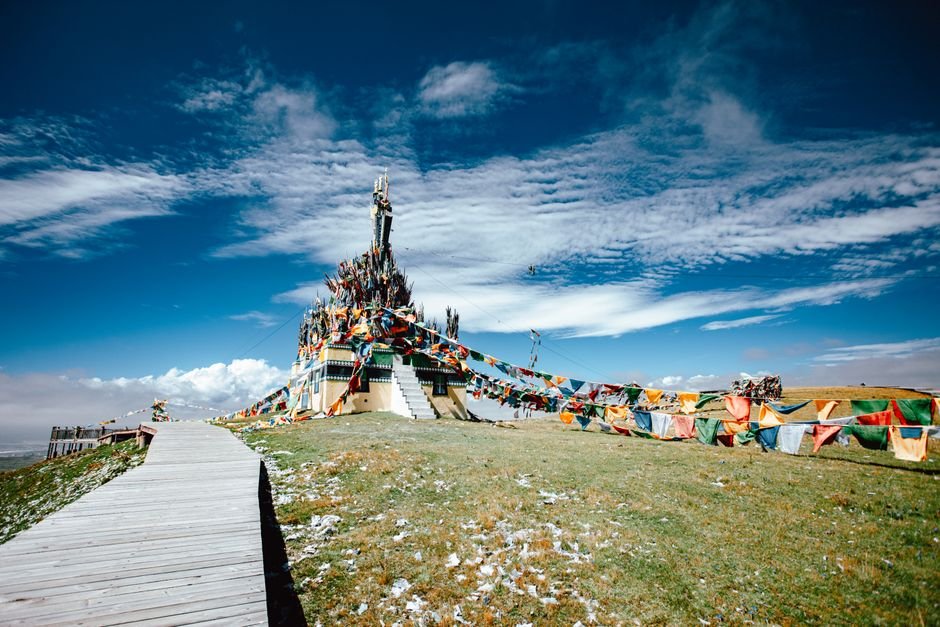
- Evening: For dinner, slide into Snowland Sichuan Restaurant (2nd floor, main street). Order the signature steaming bowl of yak-bone noodle soup (¥28) with hand-pulled noodles, plus a plate of stir-fried greens with garlic (¥22). The thrill of finding Sichuan heat at the edge of the Tibetan plateau makes every bite feel like a small victory. Afterwards, wander up to the Gompa corner beside the main chorten — the prayer flags rattle overhead like a thousand tiny sails, and the spinning of prayer wheels muffles the silence. Finish at the Lakeside Café (open till 10pm) for a warm apple pie and chai; if you’re lucky, nomads from the eastern pastures will wander in and warble a folk song to the strumming of a dranyen lute.
Day 2: Pangong Tso & the Edge of the World
Your second day arrives before the sun does. The 4:30am alarm feels cruel, but you’ve only got one open-road window to reach the crown jewel of the region: Pangong Tso (Banggong Co), the fabled “Highest Salt Lake in the World” straggling 134 kilometers along the border of China-administered Tibet and Ladakh, India. The four-hour drive on a bumpy, rock-studded riverside track is half the adventure — travelers often spot blue sheep scrambling up canyon walls and red-billed choughs somersaulting on the thermals. When the road crests the final ridge, the lake reveals itself in an impossible shade of electric turquoise-stretched like a sheet of polished jade between rust-red mountains. It’s a sight that genuinely hushes every jeep-load of tourists who arrive.
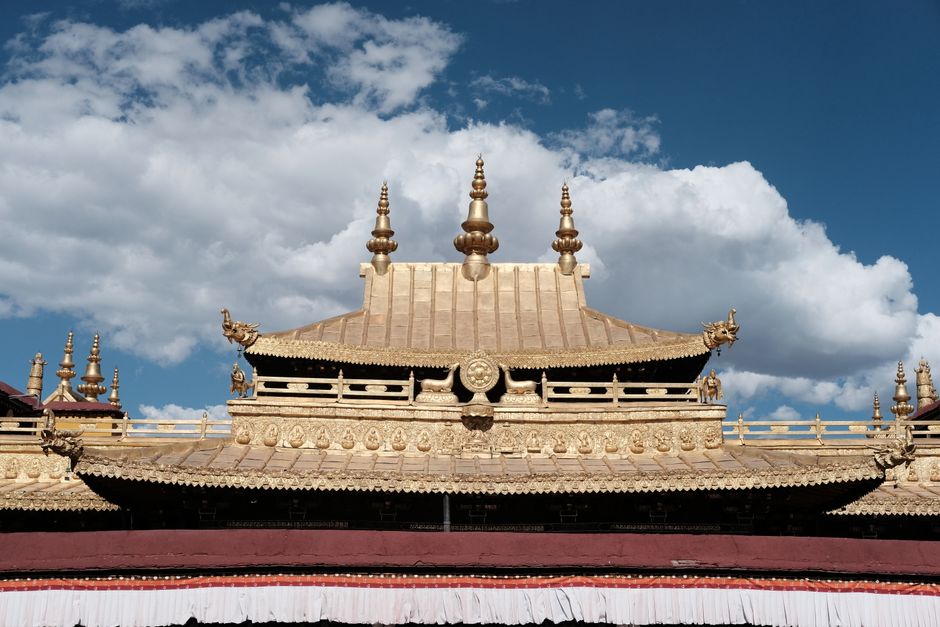
A stunning view of the golden roof of Jokhang Temple under a bright blue sk…, Rutog, Tibet (China Administered)
- Morning (5-9:30am): Depart Rutog town before dawn, carrying a thermos of sweet milk tea from Tashi’s (she’ll pack it for you if you ask the night before). A local driver-guide charge round-trip is ¥400-500 per jeep (4-5 people split it). You’ll cross the Rutog river valley as the sky warms through apricot and rosewood — stop at the Nohla Pass (4,680m) to scatter a handful of wind-horse prayer papers (purchased at the base village for a few yuan) and watch them spiral into the void.
- Midday (10am-noon): Reach the Pangong Tso western shoreline within China-administered territory. The trick to dodging the day-trip crowds from Shiquanhe? Arrive early. By mid-morning, you’ll have the glittering white beach flats nearly to yourselves. Walk along the shingle until you reach the Chaore (Thaore) sandbar — a low spit where the lake’s famous color shift occurs as the wind turns: one side shimmering in ultramarine, the other in cloudy emerald. Don’t rush back. Sit down, slurp the milk tea, and listen for the odd quiet ploop of brine shrimp beneath the shore stones. This is your moment to simply exist above 4,800 meters.
- Afternoon (1-4pm): Picnic at the grassy lakeside near Nyaru village (a five-minute drive past the beach). Your driver will rustle up a fire — share your market tsampa and dried yak. Then, on the way back, detour to the Rutu Hot Springs (free to enter; locals recommend a tip of ¥10-20 to the herders who maintain the stone pool). The hot pools bubble right out of the permafrost at a blissful 40°C. Slip off your boots and dunk your feet — the contrast of molten toes and glacial breeze is a feeling you’ll remember for years. By 4pm, you’re winding back into town just as the storm clouds stack like anvils over the ridge.
- Final Evening: Settle into the warm glow of Garuda Kitchen (east side of the main square). Order the butter-poached wild trout if available (¥45, caught from nearby freshwater streams by local rangers) — it’s a rare treat on the plateau. Or, for the brave, the yak meat barley stew (¥35) topped with a generous swirl of sour cream and toasted buckwheat. The owner, a former truck driver on the Xinjiang-Tibet highway, will tell you stories of 600-kilometer empty roads and engine troubles in blizzards. If there’s an evening prayer assembly at the gompa (usually 7pm), slip in respectfully, light a butter lamp (¥5 donation), and let the deep horn drone and the chanting wash over you

Buddhist stupas against a lush hillside with colorful prayer flags and script., Rutog, Tibet (China Administered)


