
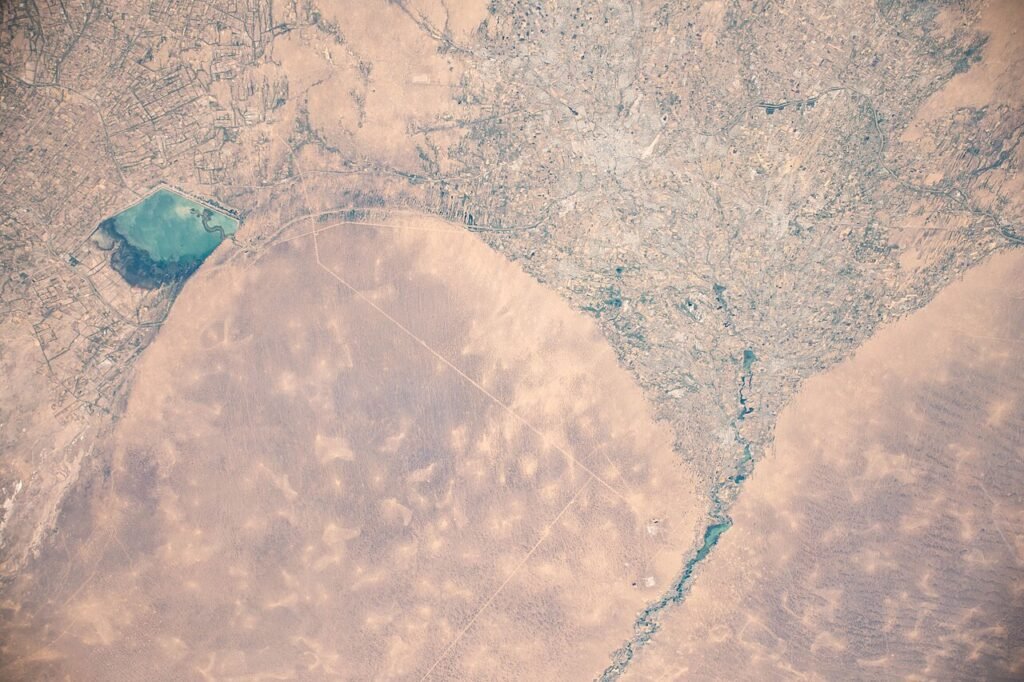
Mary, Turkmenistan (2026)
In February 1884, a small Russian cavalry detachment under General Komarov galloped across the dusty plains of what is now southeastern Turkmenistan and took possession of a crumbling oasis settlement that the locals called “Merv.” Within a decade, a planned imperial railroad town of red brick avenues, whitewashed administrative buildings, and quiet parks had risen a few kilometers away. They named it Mary, in honor of the legendary ancient city, and through its platform would pass the tsarist, Soviet, and now independent Turkmen eras. Yet for all its modern geometry, Mary whispers of older ghosts—of the Silk Road caravans, of the great Merv Library, of Genghis Khan’s fury in 1221—and travelers who arrive here quickly discover that the city is less a destination and more a doorway into some of Central Asia’s most profound history.
The Story Behind Mary, Turkmenistan
Mary’s modern story begins again and again, a palimpsest of empire. The ancient city of Merv, now located just 30 kilometers east of the contemporary center, was once one of the most populous cities on Earth—by some estimates rivaling Constantinople with over 500,000 residents in the 12th century. It served as the seat of the Seljuk Empire, where Sultan Sanjar built the massive mausoleum that still stands today, and it was a nucleus of Islamic scholarship, boasting a library that drew astronomers, poets, and mathematicians like the polymath Omar Khayyam in his later years. When Tolui Khan, son of Genghis, laid siege to Merv in 1221, he is said to have ordered every inhabitant destroyed—a trauma of such magnitude that the city never fully recovered, though its legendary blue-domed palaces crumbled into ruins now protected as a UNESCO World Heritage site.
Plucked from those ashes, the modern town of Mary emerged as a strategic Russian outpost on the Trans-Caspian Railway in the late 19th century. With its broad, tree-lined streets and brick façades, it soon became a regional administrative hub for cotton and silk production. The Soviets transformed it further, adding heavy machinery factories and a university, and after Turkmenistan gained independence in 1991, Mary took on the mantle of a provincial capital with a distinctly quieter, well-ordered atmosphere. Today, you will find a city of roughly 120,000 people, where marble-clad government buildings gleam under a hard, luminous sky, and where the ancient and the modern exist in a fascinating, unresolved dialogue—each street corner offering you a whisper of the past.
Neighborhood by Neighborhood
Central Mary: The Red-Brick Heart
Your first impression of Mary will likely be Moldaguly Eshimova Street, the city’s main artery, which slices through a grid of Soviet-era blocks and now glitters with white marble inaugurated during the country’s independence boom. Begin your wander at the Mary Regional History Museum, a stately structure at the edge of the central park. Inside, you’ll find an extraordinary collection of artifacts from the nearby archaeological sites, including Bronze Age ivory figurines from Gonur Tepe, a sprawling settlement that predates the pyramids. Step outside and stroll the shaded promenades of the city’s central park, where elderly men drink sweet tea under mulberry trees and young couples pose for photographs beside a gaudy, gleaming monument to the national poet Magtymguly. Just a few blocks southwest, the Central Bazaar (Bazar) is your fullest sensory blast—a maze of dried fruits, saffron-scented nuts, and immense wheels of curd cheese, where vendors will insist you taste a slab of dark, honeyed quince preserve before you buy.
Old Merv: The Ancient Ruins
This is not a neighborhood in the conventional sense—it is an entire, ghostly city-scape scattered across the desert, and you must treat it as your most essential excursion. Access from central Mary is easy: a shared taxi or a short drive on the M37 highway will take you past hardscrabble villages to the Sultan Sanjar Mausoleum, a lonely brick cube rising from the plains, its blue dome long gone but its massive walls still formidable. As you wander across the immense archaeological zone, you will encounter the eroded ramparts of the Erk Kala fortress (circa 600 BC), the colossal mud-brick walls of the Gyz Kala citadel, and, startlingly, a small, functioning museum where elderly caretakers will enthusiastically show you 1,000-year-old silver coins and fragments of carved gypsum. Plan to spend at least four hours here; the scale of the ruins is overwhelming, and the silence, interrupted only by the wind and the call of hoopoes, transports you directly to the days of Silk Road caravans. Travelers often discover that the sunsets here, when the brick glows a deep ochre, are among the finest in Central Asia.
The Southern Residential Zone: A Glimpse of Daily Life
Head away from the center, past the massive white statues and into the residential avenues that stretch toward the town of Bairamali. This is where you’ll observe the rhythms of ordinary Turkmen life, far from the pages of state propaganda. Wide, dusty streets are lined with single-story courtyard houses, each behind high gates and often shaded by grapevines trained over rusted iron frames. In the late afternoon, women in shimmering national dresses and bright headscarves sweep their doorsteps, while children spill out of schools clutching notebooks and chattering in Turkmen. Your best bet to engage with this world is to visit the tiny Soviet-era Dairy Market on Akhal Teke Street, where you can buy thick yogurt, fresh khaimak (clotted cream), and warm bread from women who make it in clay ovens. Locals recommend stopping for a plate of manty—fat, juicy lamb dumplings—at the unassuming “Bairamali Chayhana,” a family-run teahouse that serves them only until about 1 p.m., so arrive before noon or you’ll miss out.
The Local Table: What Mary’s Natives Actually Eat
Forget about gourmet menus; Mary’s food culture is rooted in the fires of the desert. Turkmen cuisine shares much with its Central Asian neighbors—think fragrant pallaw (palov), skewers of charcoal-grilled kebab, and round, crusty chorek bread stamped with intricate patterns. But the local specialty, and one you simply must seek out, is şilekli palaw—a pilaf made with chunks of pumpkin and saffron-simmered meat, served on a single enormous platter in the center of the table. At the “Merv Restaurant,” a beloved institution on Azadi Street, the kitchen begins preparing this dish at 9 a.m., and by noon the dining room is often filled with families and old friends hunched over glasses of green tea. Seasoned travelers recommend you order the iskedek as well: a hearty sheep’s head stew that is the definitive hunter’s comfort food, though you may need to ask for it by name as it isn’t listed on the menu.
But the true beating heart of Mary’s gastronomy is the Central Bazaar itself. Walk the aisles and you’ll see vendors heaping baskets of dried white mulberries, golden apricots, and glistening pomegranates that were grown along the Murgab River delta. Don’t miss the fresh herbed flatbreads, cracked open and slathered with clotted cream, or the irresistible stacks of pastries filled with rose-petal jam. For a quintessential local experience, join the queue at the tiny “Gul’s Stall” (look for the faded yellow awning near the far entrance), where homemade ayran—a tangy, salted yogurt drink—is ladled from a huge brass pot. You’ll find that this is how locals refuel: a standing lunch of flatbread, tomatoes, and salty sheep’s milk cheese, all washed down with that cold, bracingly refreshing ayran.

Mary with Hajji Gurbanguly Mosque, Mary, Turkmenistan
Art, Music & Nightlife
Mary is not a city that pulses after dark; in fact, most places close by 10 p.m. and the streets fall silent under a canopy of brilliant stars. Instead, the authentic cultural life here is woven into your daytime and early evening explorations. To experience the soul of Turkmen music, you must seek out a performance by a bakhshi—a traditional oral storyteller and musician who plays the two-stringed dutar. During the national Nowruz celebrations on March 21, the central park transforms into a stage, with bakhshis from surrounding villages competing in droning, hypnotic songs that recount ancient epics. On a normal afternoon, however, your best bet is to visit the Mary Regional Music School on Azadi Street, where you can sometimes catch informal rehearsals; politely ask at the front desk, and you’ll likely be welcomed in. Savvy visitors also know that the local “House of Culture” (Kulturagma) hosts occasional weekend performances of the Turkmen National Dance Ensemble—ask at your hotel’s concierge for the month’s schedule, as they are not widely publicized.
Contemporary visual art is more understated. The regional museum occasionally hosts small exhibits by local painters, and you’ll find intricate carpet and felt (keche) crafts sold in the bazaar’s craft quarter. For a truly atmospheric evening, walk along Gulfagyz Bridge as the sun dips behind the Karakum Desert—you’ll see families enjoying an early-evening stroll, and the air fills with the smoke from countless fireplace grills. Nightlife is limited to a few hotel lobbies and the rooftop terrace of the Grand Turkmen Hotel, where a cold bottle of lokal beer and a plate of roasted pistachios under the lamplight make for a perfect, quiet end to the day. Travelers often discover that this gentle, early rhythm is not a limitation—it’s a chance to engage with people whose warmth far outweighs any absence of dance clubs.
Practical Guide
- Getting There: Mary has its own international airport (MYP), but flights are dominated by the national carrier, Turkmenistan Airlines, with a few weekly connections from Ashgabat (30-minute flight) and rare links from Istanbul or Dubai. Most travelers fly into Ashgabat and take the 4-hour drive on the M37 highway. For flight options to Mary, your best bet is to search broadly on Skyscanner.
- Getting Around: In central Mary, you’ll rely mostly on your own two feet—it’s a compact city. To reach the ancient ruins, take a shared taxi from the central bazaar’s east gate; the 30-kilometer journey costs around 30 manat per person (about $2.50 USD at official rates) and takes 40 minutes. For a private hired car with a driver who waits while you explore, negotiate a flat 150 manat for the entire afternoon. City buses run on a handful of routes (costing 0.5 manat) but are infrequent; your most reliable choice remains hailing a taxi by waving your arm—locals do this constantly, and standard city rides run 5–10 manat.
- Where to Stay: For convenience and comfort, book a room at the Grand Turkmen Hotel on the main square—a Soviet-era behemoth with large, clean rooms and a passable restaurant, with doubles from about $80 a night. For a more intimate experience, the Hotel Merv (formerly Hotel Kouchma) on Sappar Muradova Street offers smaller, friendly accommodations from $50 per night. If you’re an archaeology buff, consider staying at a family-run guesthouse near the Merv ruins; they are basic but offer an unforgettable sunrise view. Check nightly rates and availability on Booking.com.
- Best Time: April and May are sublime—temperatures hover around 25°C (77°F), and the desert blooms with wildflowers. September and October are equally pleasant, with clear skies and cool evenings. Avoid July and August, when daytime highs routinely exceed 40°C (104°F), making exploration of the ruins actively uncomfortable. Winter (Dec–Feb) can be chill and empty, but the ruins take on a stark, haunting beauty—just bring a heavy coat.
- Budget: A realistic daily budget for a comfortable solo traveler or couple is $60–80 per person, assuming a mid-range hotel ($40–60), three meals ($10–15), and a hired taxi for a few hours ($10). To make it cheaper, you can stay in a budget guesthouse for as little as $15, eat at the bazaar stalls for under $5, and use shared taxis for all transport—bringing your total down to a lean $30 per day. Note that Turkmenistan has major inflation, so carry small denominations of manat for street purchases.

Elegant white government building with ornate lamp posts in Ashgabat., Mary, Turkmenistan
What Surprises First-Time Visitors
The first thing that will catch you off guard is the overwhelming, enveloping hospitality. Complete strangers in Mary will wave you over to their table at a chayhana, offer you a chunk of fresh melon, or insist on paying for your tea even though you only exchanged a passing smile. This generosity is deeply cultural, tied to Turkmen traditions of nomadic honor, and travelers often discover that the most memorable moments of their trip come from these spontaneous interactions, not from the famous monuments. You’ll also be surprised by how rapidly the city feels modern—there are gleaming marble government buildings, pristine parks, and an odd, obsessive love for illuminated fountains—yet how easily the desert reclaims the edges, where you’ll see camels grazing just ten minutes from the last streetlamp.
Another astonishment is the sheer scale of the ruins and their eerie lack of crowds. Unlike western archaeological sites, you might find yourself entirely alone within the ramparts of ancient Merv, with nothing but the wind and the bones of a city that once held 500,000 souls. Locals recommend you stand at the top of the Sultan Sanjar Mausoleum just before sunset, and let the silence wash over you—it’s a profoundly humbling experience that you will not soon forget. Finally, be prepared for the strictness of the visa and registration system: the moment you arrive, you must ensure your hotel registers you with the authorities, and onward onward movements are checked. It’s not concerning, just bureaucratic, and seasoned visitors always keep a photocopy of their visa handy—just in case a patrol officer flags your taxi. But persevere beyond the paperwork, and you’ll be rewarded with an authentic, deeply moving Central Asian journey.
Your Mary, Turkmenistan Questions
Is it safe to travel to Mary as a tourist? Yes, generally speaking, Mary is a remarkably safe city for travelers. Violent crime against foreigners is virtually unheard of, and most visitors encounter only smiles and curiosity. However, you should be aware that Turkmenistan is an authoritarian state with a pervasive security apparatus. You must carry your passport and visa at all times, and you must hold an official letter of invitation to travel outside the main tourist zones. As long as you follow the rules—stay in registered hotels, avoid photograph
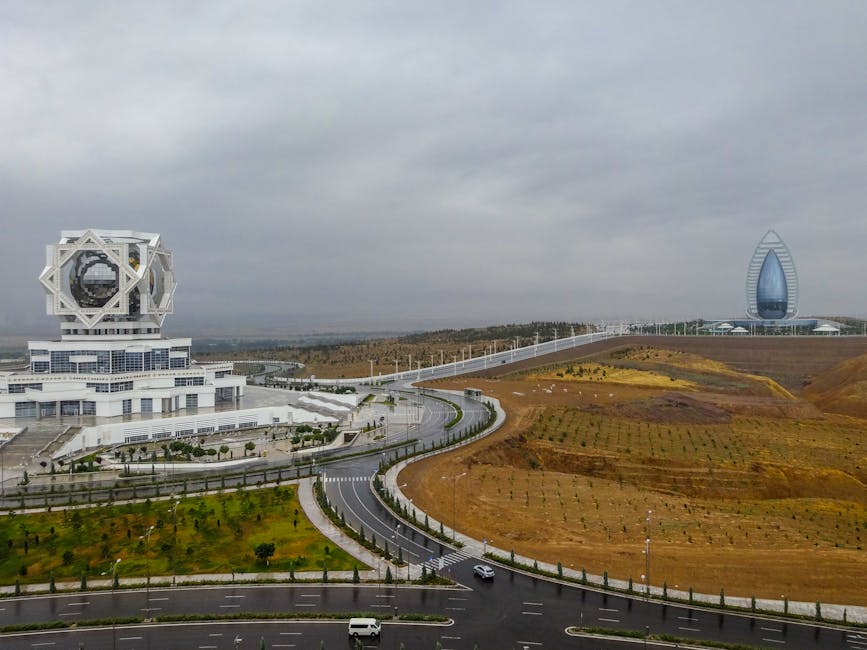
Aerial view of the Wedding Palace and Yyldyz Hotel in Ashgabat, Turkmenistan., Mary, Turkmenistan

