
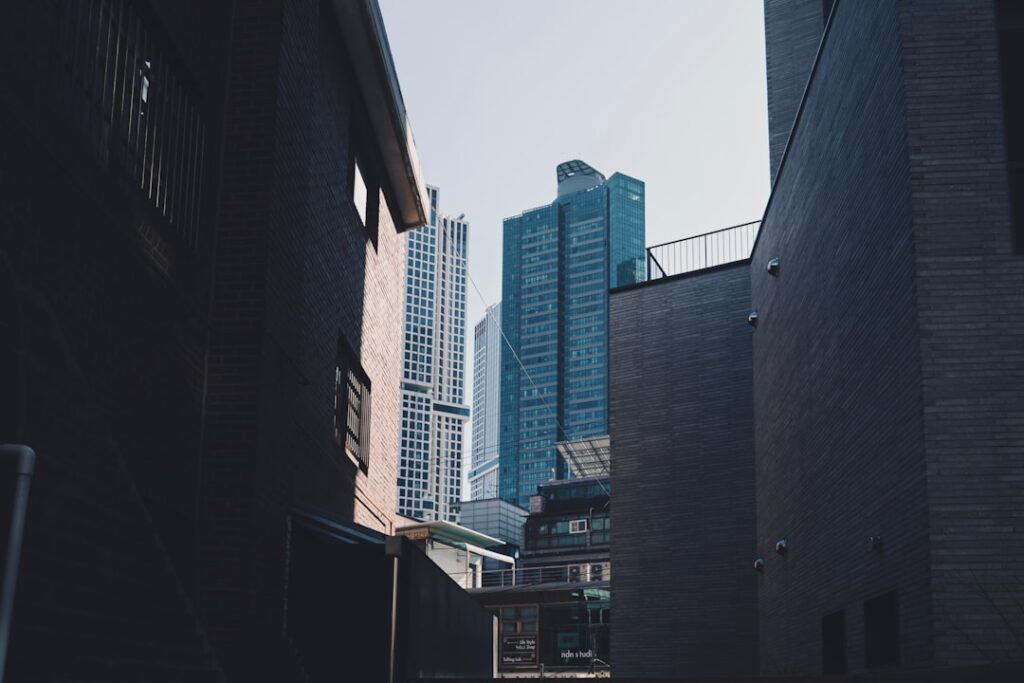
The Ultimate Seoul Guide: Palaces, K-Pop & Culinary Adventures
Seoul isn’t just a destination—it’s a living time capsule where ancient palaces meet neon-lit skyscrapers. The scent of sizzling street food mingles with the sound of traditional pansori music as you navigate bustling markets and serene temple grounds. This city perfectly balances 600 years of royal heritage with cutting-edge modernity in an unforgettable urban experience.
Why Seoul Stands Out
- Historic Architecture: Gyeongbokgung Palace (1395) – The largest of Seoul’s Five Grand Palaces, featuring the iconic Gyeonghoeru Pavilion and changing of the guard ceremonies.
- Cultural Scene: Bukchon Hanok Village – Experience traditional Korean architecture with over 900 hanok houses, many offering cultural workshops and tea ceremonies.
- Local Specialties: Korean BBQ at Mapo Sutbul Galbi – Must-try marinated beef ribs grilled over charcoal, served with endless banchan (side dishes).
Pro Tip: Visit major palaces right at opening (9 AM) to avoid crowds and catch the colorful changing of the guard ceremonies. For the best weather and autumn foliage, plan your trip for late October through early November.
Map of Seoul
Use these interactive maps to explore Seoul and plan your route:
📍 View Seoul on OpenStreetMap
🗺️ Open Seoul in Google Maps
Planning Your Trip: Practical Essentials
Getting There and Around
- By Air: Incheon International Airport (ICN) served by Korean Air, Asiana, and major international carriers. Airport limousine buses cost ₩16,000 to city center (70 mins) or express train ₩9,500 (43 mins). Book flights at Skyscanner for best deals.
- By Train: KTX high-speed trains connect Seoul to Busan (2.5 hours) and other major cities. Book in advance for discounts. Reserve tickets at Trainline or the national railway website.
- By Car: Driving not recommended in central Seoul due to heavy traffic and expensive parking (₩2,000-4,000 per hour). Compare car rentals at RentalCars.com for day trips outside city.
- Local Transport: T-money card (₩2,500 deposit) for subway/buses – fares start at ₩1,250. 24-hour subway pass ₩15,000. Check official city transport websites for passes and schedules.
Best Time to Visit
Spring (April-May) and autumn (September-November) offer ideal weather with mild temperatures and colorful foliage, while summer can be humid and winter quite cold but magical with snow.
| Season | Weather | Highlights |
|---|---|---|
| Summer (Jun–Aug) | 23-29°C, humid with monsoon rains in July | Festivals, river activities, but crowded and rainy |
| Winter (Dec–Feb) | -6 to 2°C, cold with occasional snow | Ice skating, heated floors, fewer tourists, Christmas lights |
| Shoulder (Apr–May/Sep–Oct) | 15-22°C, mild and sunny | Cherry blossoms (Apr) or autumn foliage (Oct), perfect walking weather |
Budgeting for Seoul
| Category | Budget | Mid-range | Luxury |
|---|---|---|---|
| Accommodation | ₩40,000-70,000 (hostels/guesthouses) | ₩120,000-200,000 (3-4 star hotels) | ₩300,000+ (5 star like Lotte Hotel) |
| Meals | ₩5,000-10,000 (street food, casual) | ₩15,000-30,000 (restaurants) | ₩50,000+ (fine dining) |
| Transport | ₩5,000 (public transport) | ₩20,000 (taxis) | ₩100,000+ (private car) |
| Activities | Free (palaces on culture day) | ₩10,000-20,000 (museums, shows) | ₩50,000+ (spa treatments, private tours) |
| Daily Total | ₩50,000-90,000 ($40-70) | ₩150,000-250,000 ($120-200) | ₩500,000+ ($400+) |
Top Attractions and Must-See Sights
| Attraction | Description | Hours | Entry Fee |
|---|---|---|---|
| Gyeongbokgung Palace | Main royal palace with stunning architecture and National Folk Museum | 9AM-6PM (closed Tue) | ₩3,000 (free if wearing hanbok) |
| N Seoul Tower | Iconic observation tower offering panoramic city views and love locks | 10AM-11PM | ₩16,000 (observation deck) |
| Bukchon Hanok Village | Traditional Korean village with preserved hanok houses and cultural centers | 24/7 (respect residents) | Free |
| DMZ Tour | Visit the Korean Demilitarized Zone with guided tours to Joint Security Area | Tours at 8AM | ₩55,000-85,000 (tour dependent) |
3-Day Itinerary: Seoul’s Highlights & Hidden Gems
Day 1: Royal Heritage & Traditional Culture
- Morning: 9 AM Gyeongbokgung Palace watching changing of guard ceremony. Rent hanbok (₩15,000/4hrs) for free entry and photos.
- Afternoon: Explore Bukchon Hanok Village and lunch at Tosokchon Samgyetang (₩16,000) for famous ginseng chicken soup.
- Evening: Insadong cultural street for souvenirs and dinner at Sanchon (₩35,000) for temple cuisine with traditional performance.
Day 2: Modern Seoul & Shopping
- Morning: 10 AM COEX Mall and Starfield Library – Asia’s largest underground mall with stunning book architecture.
- Afternoon: Gangnam shopping and lunch at Mapo Sutbul Galbi (₩25,000) for authentic Korean BBQ.
- Evening: N Seoul Tower sunset views (₩16,000) followed by Hongdae street performances and dinner at Myth Jakbol (₩15,000) for spicy pork feet.
Day 3: Markets & Local Experiences
- Morning: Subway to Gwangjang Market (₩1,350) for authentic street food breakfast – try bindaetteok (mung bean pancakes, ₩5,000).
- Afternoon: Dongdaemun Design Plaza and lunch at Gogung (₩12,000) for excellent bibimbap in traditional setting.
- Evening: Han River cruise (₩15,000) or picnic with convenience store snacks while watching city lights.
Cultural Insights & Etiquette
- Language: Learn basic phrases: “Annyeonghaseyo” (Hello), “Gamsahamnida” (Thank you), “Eolmaeyo?” (How much?)
- Customs: Receive items with both hands, remove shoes indoors, never stick chopsticks upright in rice (funeral symbol)
- Tipping: Not expected or required in restaurants, taxis, or hotels
- Dress Code: Modest clothing for temples, business casual for nicer restaurants
- Business Hours: Stores 10AM-8PM, restaurants until late, palaces close 6PM, museums closed Mondays
Where to Eat: Seoul’s Best Bites
Korean cuisine revolves around communal dining, spicy flavors, and banchan (side dishes). Street food is exceptional quality, while barbecue restaurants offer interactive cooking experiences.
Must-Try Local Specialties
- Korean BBQ: Marinated meats grilled at your table – best at Mapo Sutbul Galbi (Mapo-gu) or Wangbijib (multiple locations)
- Street Food: Hotteok (sweet pancakes), tteokbokki (spicy rice cakes), and odeng (fish cake skewers) at Gwangjang Market
- Royal Cuisine: Multi-course traditional meals at Jihwaja (Insadong) or contemporary Korean at Mingles (Gangnam)
Restaurant Recommendations by Budget
| Type | Restaurant | Specialty | Price Range |
|---|---|---|---|
| Budget | Gwangjang Market Street Stalls | Bindaetteok, mayak gimbap | ₩3,000-8,000 |
| Mid-range | Mapo Sutbul Galbi (Mapo-gu) | Charcoal grilled ribs | ₩20,000-35,000 |
| Fine dining | La Yeon (Shilla Hotel) | Modern Korean tasting menu | ₩180,000+ |
Where to Stay
Myeongdong offers best location for first-time visitors with shopping and subway access, while Hongdae suits younger travelers and Gangnam appeals to luxury shoppers. Compare prices and book at Booking.com or Airbnb for apartments.
Best Neighborhoods for Accommodation
- Myeongdong: Central location, excellent shopping and food, subway connections – ideal for first-time visitors
- Hongdae: Youthful energy, nightlife, street performances, more budget options – perfect for younger travelers
- Gangnam: Upscale shopping, luxury hotels, business district – best for luxury travelers and shoppers
FAQs: Your Seoul Questions Answered
1. Is Seoul safe at night?
Extremely safe with low crime rates. Streets are well-lit and busy until late, though standard precautions apply. Women-only subway cars available during rush hours.
2. What currency is used and are credit cards accepted?
South Korean Won (₩). Credit cards widely accepted, but carry ₩50,000-100,000 cash for markets, street food, and small shops. ATMs at convenience stores.
3. How do I get from the airport to the city center?
Airport Express (AREX) train ₩9,500 (43 mins to Seoul Station) or airport limousine bus ₩16,000 (60-90 mins to major hotels). Taxis cost ₩60,000-90,000. Book airport transfers at GetYourGuide for convenience.
4. Do I need to speak the local language?
Not necessary. English signage in subways and tourist areas. Younger Koreans often speak basic English. Download Papago translation app for better accuracy than Google Translate.
5. What’s the appropriate dress code?
Casual but neat. Cover shoulders and knees for temple visits. Koreans dress well – avoid overly revealing clothing. Comfortable walking shoes essential.
Final Thoughts: Seoul Awaits
Seoul offers an extraordinary blend of ancient tradition and hyper-modern innovation that few cities can match. From palace ceremonies that have continued for centuries to K-pop concerts representing cutting-edge culture, this city constantly surprises and delights. The exceptional food scene, efficient transportation, and inherent safety make it an ideal destination for both first-time Asia travelers and seasoned explorers. Whether you’re drawn by history, food, shopping, or technology, Seoul delivers an experience that will leave you planning your return before you’ve even departed.
Keywords
Seoul travel guide, Seoul attractions, things to do in Seoul, Seoul itinerary, Seoul restaurants, Seoul hotels, visit Seoul, Seoul tourism, Seoul vacation, Seoul trip planning, Korean BBQ, Gyeongbokgung Palace, Bukchon Hanok Village, K-pop Seoul, Seoul shopping
Related Guides
Explore more destinations similar to Seoul’s Palaces:
- Tianeti, Georgia’s Best Mountain Air, Ancient Churches & Rustic Charm (2026)
- Kudahuvadhoo: The Island of Ancient Whispers and Living Coral (2026)
- Marino Ballena National Park, Costa Rica: Best Whales, Tombolas & Bioluminescent Bays (2026)
- Bà Rịa, Vietnam’s Best Coastlines, Culture & Untamed Islands (2026)


Pingback: Where the Mountains Meet the Sea Travel Guide: Best Things to Do & See (2026) - tangyOcean