
Zakouma National Park, Chad Weekend: Elephant Herds, Savannah Nights & The Last Wild Africa (2026)
You step off the charter plane onto a dusty airstrip, and the first thing that hits you is the silence—broken only by the distant trumpet of an elephant and the dry rustle of acacia leaves. The air smells of sun-baked earth and wild sage, a scent that will become your weekend perfume. By the time you reach camp, the sun is already painting the sky in shades of orange and crimson. Travelers often discover that Zakouma isn’t just a park; it’s a time machine to the Africa that existed before fences and farms.
Quick Facts Before You Go
- Best Months: November to April (dry season). Wildlife concentrates around waterholes, making game viewing spectacular. December and January offer mild temperatures, while March and April can be brutally hot but offer the best predator sightings.
- Currency: Central African CFA franc (XAF). At press time, 1 USD ≈ 600 XAF. Most camps accept credit cards, but bring cash for tips and small purchases.
- Language: French and Arabic are official; English is spoken at the luxury camps but rarely outside. Locals recommend learning a few French phrases like “bonjour” and “merci.”
- Budget: Realistic daily cost: $400–$800 per person for a fully inclusive stay at Zakouma Camp. Budget travelers might find a week-long safari package for $2,500–$3,000, but weekend prices are similar due to charter flights.
- Getting There: Fly into N’Djamena International Airport (NDJ) from Paris (7 hours) or Addis Ababa (4 hours). From N’Djamena, book a charter flight (2 hours) to Zakouma’s airstrip. Book flights at Skyscanner
Day 1: Into the Heart of the Savannah
Your adventure begins the moment you leave the N’Djamena terminal. The charter flight offers a bird’s-eye view of the Sahel—a patchwork of dry riverbeds and green baobab groves. By the time you land at Zakouma’s airstrip, a ranger greets you with a cold bottle of water and a smile. The drive to camp is your first game drive: within ten minutes you spot a herd of elephants crossing the road, their matriarch casting a wary eye. You check into your tent, unpack your binoculars, and inhale the stillness. This is not a weekend of Wi-Fi or shopping; it’s a weekend of raw nature.
- Morning (8–11am): Arrival and transfer to camp. From the airstrip, your guide will drive you to Zakouma Camp (30 minutes). The camp costs $480 per person per night all-inclusive. Use the time to acclimatize—sip fresh mango juice on your private deck while listening to guinea fowl call.
- Lunch: Bahr Salamat Dining Room at Zakouma Camp. Lunch is a three-course affair: start with a cold cucumber and yogurt soup, followed by grilled Nile perch with plantains, and finish with a passion fruit tart. Complimentary with your stay.
- Afternoon (1–5pm): After a short siesta, you set out on an afternoon game drive starting at 3:30 PM. Head toward the Rigueik waterhole, where thousands of elephants gather in the late dry season. Your guide, a local Kanembu man named Moussa, will point out tracks: lion, hyena, and the rare Central African giraffe. You’ll also visit the Tinga fishing village (1 hour drive) to meet the Barma people, who live in harmony with the park. The experience is included in your camp rate, but a tip of 5,000–10,000 CFA ($8–$17) is appreciated.
- Evening: Dinner at the Bahr Salamat Dining Room under a canopy of stars. The menu changes nightly—tonight it’s pan-seared antelope with a red wine sauce and sweet potato purée. After dinner, gather around the campfire with other travelers. Locals recommend listening for the lion roar that echoes from the south; it’s a sound you’ll never forget. The evening ends with a nightcap of local palm wine or a single malt from the bar.

This is an image with the theme “Home + Habitat in Africa” from:, Zakouma National Park, Chad
Day 2: The Last Great Wilderness
Your second day begins before sunrise. A gentle knock on your tent door arrives at 5:30 AM with a thermos of strong Chadian coffee and a basket of fresh bread. You dress in layers—the morning chill is sharp—and climb into the open safari vehicle. The world is still, painted in shades of grey and gold. As the sun crests the horizon, you watch a herd of buffalos cross the Salamat River. This is the Zakouma that seasoned travelers dream of: vast, unscripted, and humbling.
- Morning (6–10am): Early morning game drive to the eastern sector of the park. Your best bet is to request a picnic breakfast at the Manzelou waterhole. You’ll see warthogs trotting, and if you’re lucky, a leopard lounging in a sausage tree. The drive covers about 60 km; your guide will radio other vehicles to share sightings. No extra cost—part of the camp package.
- Midday (10am–1pm): Return to camp for a late breakfast of choukouya (grilled beef skewers) and kissar (millet pancakes). Afterwards, take a guided nature walk along the guided trail near camp (2 km, 1 hour). Insider tip: ask your ranger to point out the termite mounds that can reach 5 meters high—they’re mini-ecosystems. The walk is free with your stay; tip the ranger 3,000–5,000 CFA ($5–$8).
- Afternoon (2–5pm): Visit the Zakouma Conservation Education Centre (5 km from camp). Here you’ll learn about the park’s incredible comeback—from fewer than 200 elephants in 2010 to over 1,400 today, thanks to the work of African Parks. The centre has interactive displays and a small shop selling handmade crafts. Entrance is included, but you may want to buy a woven basket (2,000–5,000 CFA).
- Final Evening: Your farewell dinner is a special bush dinner set by the Salamat River. The camp chef prepares a whole roasted lamb and vegetable tagine with couscous. As darkness falls, lanterns are lit, and you hear the grunt of a hippo in the distance. This is the moment you realize you’re saying goodbye to one of the most remote places on Earth. Most visitors leave with tears in their eyes.

Elephants and wildebeests migrating by a river in a dry landscape., Zakouma National Park, Chad
The Food You Can’t Miss
Zakouma’s cuisine is a blend of French colonial influence and Central African staples. At camp, you’ll enjoy world-class meals, but the real culinary adventure lies beyond the dining room. Locals recommend starting with choukouya—marinated grilled meat (beef, goat, or mutton) served with a spicy peanut dipping sauce. You’ll find the best choukouya at the small roadside stands near the village of N’Djamena Alpha, about 10 km from the park entrance. A skewer costs 1,000 CFA ($1.70).
Another must-try is kissar, a thin millet pancake eaten for breakfast with honey or a savory sauce. The camp chef makes a light version, but you’ll find the authentic street version at the Tinga village market on Sundays (200 CFA each). For a filling lunch, seek out mafe—a peanut-based stew with chicken or fish, often served with rice. The restaurant at the park’s main gate, Chez Pauline, serves an excellent mafe for 3,500 CFA ($6).
Don’t leave without trying bissap, a sweet-and-tart hibiscus drink sold by women along the main dirt road. It’s 500 CFA for a large cup and incredibly refreshing after a hot game drive. If you’re adventurous, the camp bar offers a local palm wine called bandji—you’ll find it sour and mildly alcoholic, an acquired taste that travelers often embrace after the first sip.
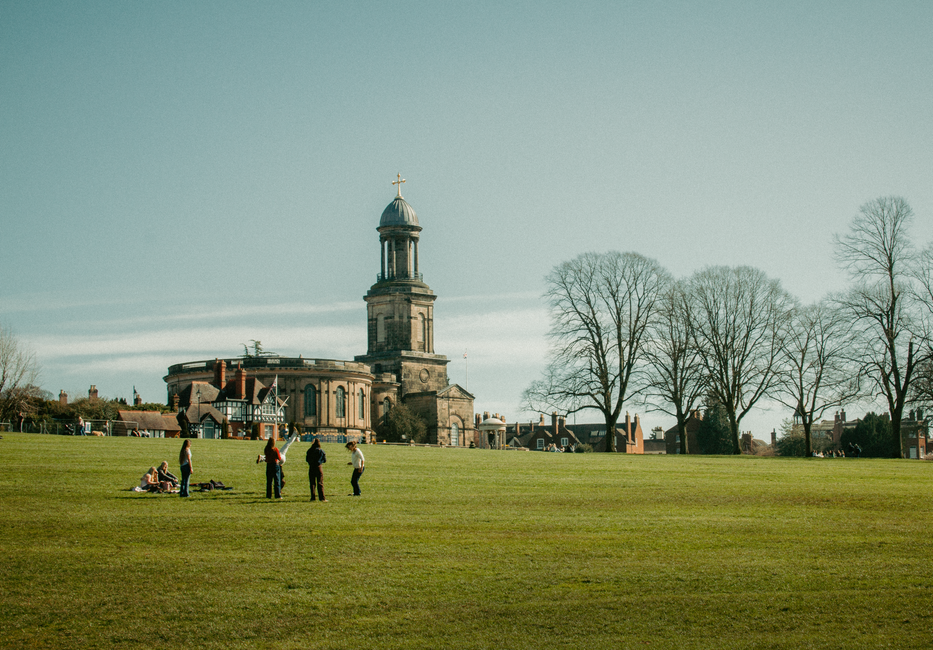
A sunny view of St Chad’s Church and people relaxing in The Quarry, Shrewsbury., Zakouma National Park, Chad
Where to Stay for the Weekend
Your best bet for a weekend break is to stay within the park, as it’s the only way to experience the full rhythms of the savannah without wasting time traveling. The most exclusive option is Zakouma Camp (12 luxury canvas tents with en-suite bathrooms and private decks). Rates start at $480 per person per night, all-inclusive of meals, drinks, and game drives. The camp is built on stilts overlooking the floodplain—you can lie in bed and watch elephants pass by. Book via Booking.com or direct with African Parks.
If you’re on a tighter budget (though “budget” is relative here), consider Campement de Zakouma located just outside the park’s southern boundary. It’s a simple lodge with seven thatched bungalows and shared bathrooms, costing $120 per person per night including breakfast and dinner. Game drives are extra at 50,000 CFA ($85) per vehicle for a half-day. You lose a bit of convenience, but you’ll gain interaction with local villagers. You can find listings on Airbnb or by contacting the tour operator Chad Safaris.
For those who want total immersion, there’s Zakouma Fly Camp—a mobile tented camp set up in the far eastern sector from December to April. You walk or ride camels between sites, sleeping in two-person tents. The experience costs $800 per person for three days, including all meals. It’s not for everyone, but seasoned travelers say it’s the most authentic way to see the park.
Before You Go: Practical Tips
- Getting Around: Inside the park, you’ll be driven by a professional guide in a 4×4 vehicle (included in the camp rate). To reach the park from N’Djamena, you must charter a flight through local operators like Air Chad or Zakouma Aviation. A round-trip charter costs $2,500–$3,000 for the whole plane (up to 6 passengers). You can also drive but it takes 12–15 hours on dirt roads—not recommended for a weekend.
- What to Pack: (1) A lightweight but sturdy pair of binoculars (8×42 is ideal). (2) A neutral-colored hat with a wide brim—avoid white or bright red, which spook animals. (3) A refillable water bottle: camp provides filtered water. (4) A headlamp or flashlight—there is no electric light at night outside camp. (5) Long-sleeved shirts and trousers for evening mosquito protection.
- Common Tourist Mistakes: The most frequent error is underestimating the heat. Even in the cool season, midday sun can reach 40°C (104°F). You should be back at camp by 11 AM and stay indoors until 3 PM. Another mistake is wearing strong perfume or cologne—it attracts tsetse flies and can mask the scent you’d otherwise use to detect animals. Savvy visitors know to leave all fragrances at home.
- Money-Saving Tip: Book your trip at least three months in advance. Many operators offer a 15% discount for early bookings. Alternatively, join a group tour: a 6-person group can split the charter flight cost, bringing the per-person weekend total to about $1,600–$2,000. Always confirm what’s included—hidden fees for park entrance (10,000 CFA per person per day) can catch you off guard.

