
Washington D.C., USA’s Hidden Monuments, Museums & Political Pulse (2026)
Sunrise at the Lincoln Memorial reveals a city of quiet power. The Reflecting Pool lies perfectly still, mirroring the Washington Monument as joggers pad softly along the Mall. By 10 AM, the air fills with the hum of school groups and the distant chime of a tour trolley bell. This daily transformation from serene to spirited is the true rhythm of the capital—a living classroom where history isn’t just studied, it’s walked through, for free, every single day.
Why Washington D.C., USA Stands Out

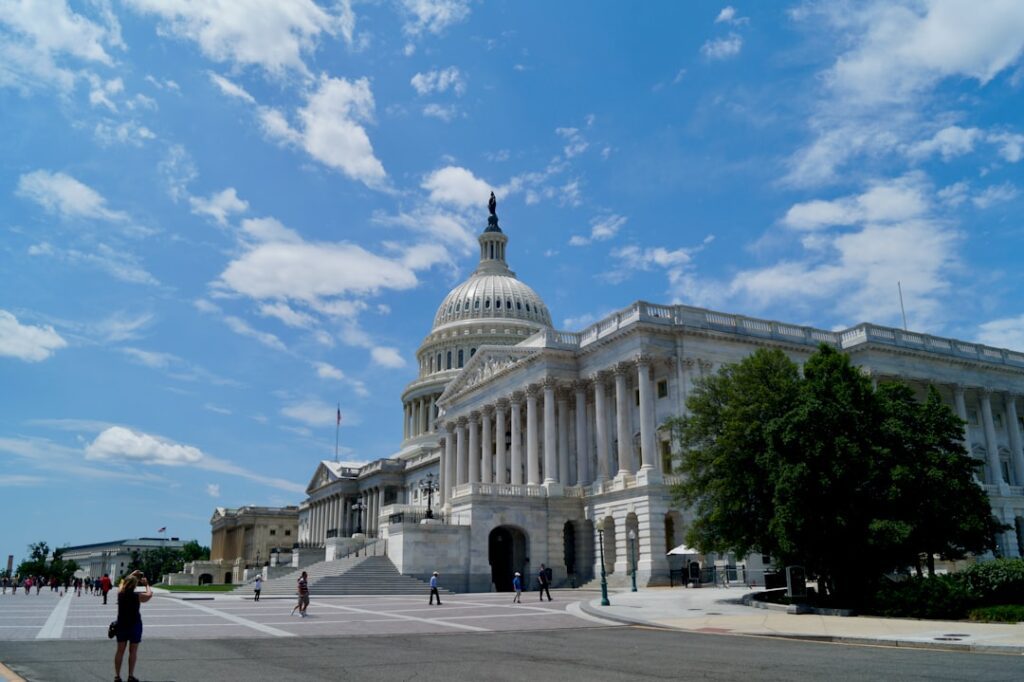
Grayscale photography of dome building, Washington D.C., USA
- Historic Architecture: The 555-foot Washington Monument, completed in 1884, was the world’s tallest structure until the Eiffel Tower, and its marble blocks show a visible color change where construction halted during the Civil War.
- Cultural Scene: The National Cherry Blossom Festival each spring transforms the Tidal Basin into a pink-hued spectacle, celebrating the 1912 gift of 3,000 trees from Tokyo.
- Local Specialties: You must try a half-smoke—a spicier, thicker version of a hot dog, often served with chili and onions, from the legendary Ben’s Chili Bowl on U Street.
Pro Tip: Visit between late September and early November. The summer crowds have dissipated, the weather is crisp and perfect for walking, and you can witness the stunning fall foliage framing the white marble monuments. For museum visits, aim for weekday afternoons after 2 PM when school tour groups are leaving.
Map of Washington D.C., USA
Use these interactive maps to explore Washington D.C., USA and plan your route:
📍 View Washington D.C., USA on OpenStreetMap
🗺️ Open Washington D.C., USA in Google Maps
Planning Your Trip: Practical Essentials
Getting There and Around
- By Air: Three airports serve D.C.: Reagan National (DCA) is closest, connected by Metro; Dulles (IAD) is larger for international flights, with a Silver Line Metro connection; Baltimore/Washington (BWI) is a budget-friendly option with Amtrak/MARC train service. Book flights at Skyscanner for best deals.
- By Train: Amtrak’s Union Station is a major hub with beautiful Beaux-Arts architecture. Acela Express services from NYC take about 3 hours. Reserve tickets at Trainline or the national railway website.
- By Car: Driving in D.C. is challenging with traffic and expensive parking. If exploring beyond the city, rent from suburbs like Arlington. Compare car rentals at RentalCars.com.
- Local Transport: The Metro subway system is clean, efficient, and reaches most sights. A SmarTrip card costs $2 and fares start at $2.25. The DC Circulator bus ($1) covers key tourist loops. Check the WMATA website for passes and schedules.
Best Time to Visit
Washington D.C. is a four-season city with distinct advantages for each. Savvy travelers often target the shoulder seasons for the ideal balance of pleasant weather and manageable crowds, though each period offers its own unique political or cultural calendar.
| Season | Weather | Highlights |
|---|---|---|
| Summer (Jun–Aug) | Hot & humid, 75-90°F (24-32°C), frequent afternoon thunderstorms. | Longer days, outdoor festivals, and free evening concerts at the Capitol. Also the busiest season with large crowds. |
| Winter (Dec–Feb) | Cold, 30-45°F (-1 to 7°C), chance of snow. | Magical holiday decorations, the National Christmas Tree, and ice skating at the Sculpture Garden. Fewer tourists but some outdoor attractions are less enjoyable. |
| Shoulder (Apr–May/Sep–Oct) | Mild & pleasant, 55-75°F (13-24°C), low humidity. | Perfect walking weather, cherry blossoms (late Mar-Apr) or fall colors (Oct-Nov), and significantly thinner crowds than summer. The absolute best time to visit. |
Budgeting for Washington D.C., USA

Man in white robe statue, Washington D.C., USA
| Category | Budget | Mid-range | Luxury |
|---|---|---|---|
| Accommodation | $90-$140/night (hostel or budget hotel in VA/MD) | $200-$350/night (3-4* hotel in Dupont/Logan) | $450+/night (5* in Penn Quarter or Georgetown) |
| Meals | $25/day (food trucks, museum cafeterias) | $60/day (casual sit-down restaurants) | $150+/day (fine dining like Pineapple & Pearls) |
| Transport | $10/day (Metro/bus pass) | $30/day (Metro + occasional taxi/rideshare) | $75+/day (private car service) |
| Activities | $0 (Smithsonian museums, monuments) | $40/day (tour tickets, zoo donations) | $150+/day (private guided tours, special exhibits) |
| Daily Total | $125-$190 | $330-$480 | $725+ |
Top Attractions and Must-See Sights
| Attraction | Description | Hours | Entry Fee |
|---|---|---|---|
| Smithsonian National Air and Space Museum | Walk under the Wright Flyer and touch a moon rock at the world’s premier collection of aviation and space artifacts. | 10 AM – 5:30 PM Daily | FREE (Timed entry pass recommended) |
| The National Mall & Memorials | A two-mile parkland walk past the Lincoln, Jefferson, WWII, Vietnam, and MLK memorials—most powerful at dusk when they illuminate. | 24/7 (Park Rangers 9:30 AM-10 PM) | FREE |
| United States Capitol | Tour the iconic dome, see the Rotunda’s historic paintings, and witness democracy’s home (book tours well in advance). | 8:30 AM – 4:30 PM Mon-Sat | FREE (Advance booking required) |
| National Gallery of Art | Home to da Vinci’s only painting in the Americas and a stunning sculpture garden with a seasonal ice rink. | 10 AM – 5 PM Daily (Sun 11 AM-6 PM) | FREE |
3-Day Itinerary: Washington D.C., USA’s Highlights & Hidden Gems
Day 1: Monuments, Museums & The Mall
- Morning (7-9 AM): Beat the crowds with a sunrise walk from the Lincoln Memorial to the WWII Memorial. The light is spectacular, and you’ll have the marble steps mostly to yourself. Grab a coffee and breakfast sandwich from a cart vendor along Constitution Avenue.
- Afternoon (12-3 PM): Dive into the Smithsonian. Choose based on interest: history buffs head to the National Museum of American History (see the Star-Spangled Banner); art lovers go to the National Gallery. For lunch, eat at the Mitsitam Cafe in the National Museum of the American Indian for unique indigenous cuisine.
- Evening (6-8 PM): Take a twilight bus or bike tour to see the monuments lit up—they’re even more majestic at night. For dinner, head to Old Ebbitt Grill, D.C.’s oldest saloon (established 1856) near the White House, for oysters and a classic steak.
Day 2: Capitol Hill & Cultural Corridors
- Morning (8:30 AM): Take your pre-booked Capitol Tour (free). Afterwards, walk across the street to the Library of Congress’s Jefferson Building—the “world’s most beautiful library”—and see the stunning Great Hall (free).
- Afternoon (1 PM): Explore the vibrant Eastern Market on Capitol Hill, a historic indoor/outdoor market perfect for lunch. Then, take the Metro to the U Street/African-American Civil War Memorial station. Visit the excellent (and free) African American Civil War Museum.
- Evening (7 PM): Experience D.C.’s legendary jazz history at Blues Alley in Georgetown (cover charge $20-$45) or for a more low-key vibe, try Jojo Restaurant & Bar on U Street. Don’t leave without trying a half-smoke from Ben’s Chili Bowl.
Day 3: Georgetown, Gardens & Goodbyes
- Morning (9 AM): Take a scenic walk along the C&O Canal in Georgetown. Then, wander the cobblestone streets, browse boutique shops, and visit the historic Tudor Place mansion & garden ($10 entry). Climb the Exorcist Steps for a famous film photo-op.
- Afternoon (1 PM): Enjoy a waterfront lunch at Farmers Fishers Bakers in Georgetown. Then, take a short bus or rideshare to the stunning Franciscan Monastery in Brookland. Its peaceful gardens and replicas of Holy Land shrines are a serene, off-the-beaten-path surprise (free, donations welcome).
- Evening (6 PM): For your final dinner, savor modern Italian at RPM Italian in the bustling Penn Quarter. End your trip with a nightcap at the Round Robin Bar at the Willard InterContinental, where the mint julep was popularized and presidents have imbibed for over a century.
Cultural Insights & Etiquette
- Language: English is the primary language. You’ll hear a huge variety of accents and languages due to the international diplomatic community. A simple “Good morning” or “Thank you” goes a long way.
- Customs: Politics is the local sport, but avoid aggressive debates. Dress respectfully for government buildings—no shorts or tank tops in the Capitol. Always stand quietly during the changing of the guard at the Tomb of the Unknown Soldier in Arlington.
- Tipping: Standard U.S. practice: 15-20% at restaurants, $1-2 per drink at bars, $3-5 per night for hotel housekeeping, and 15-20% for taxi/rideshare drivers.
- Dress Code: Business casual is common. Pack comfortable walking shoes above all else. For fine dining, smart casual is expected. Some embassy events or high-end clubs may require jackets for men.
- Business Hours: Museums typically open 10 AM-5:30 PM. Government offices 9 AM-5 PM weekdays. Many restaurants close Monday. Major holidays like Independence Day (July 4) and Inauguration Day (every 4 years) bring massive closures and crowds.
Where to Eat: Washington D.C., USA’s Best Bites
D.C.’s food scene has exploded beyond power lunches and steakhouses. It’s now a Michelin-starred destination with a thriving immigrant food culture. You’ll find everything from upscale tasting menus to incredible Ethiopian cuisine in “Little Ethiopia” on 9th Street.
Must-Try Local Specialties
- Half-Smoke: The definitive D.C. street food—a coarse, smoked pork-and-beef sausage, often split and grilled, served on a bun with chili, cheese, and onions. Find it at the iconic Ben’s Chili Bowl on U Street.
- Ethiopian Feast: D.C. has the largest Ethiopian diaspora outside Africa. Share a platter of injera (spongy flatbread) topped with spicy stews like doro wat (chicken) and misir wat (lentils). Best in the Shaw neighborhood at Chercher or Keren.
- Chesapeake Blue Crabs: During summer, join a messy, festive crab feast. Crabs are steamed with Old Bay seasoning and piled on paper-covered tables. Head to The Wharf for spots like The Salt Line or cross into Maryland for the classic experience.
Restaurant Recommendations by Budget
| Type | Restaurant | Specialty | Price Range |
|---|---|---|---|
| Budget | Taqueria Habanero (Columbia Heights) | Authentic, incredible al pastor tacos and tortas | $8-15 per person |
| Mid-range | Maydan (14th Street) | Fire-centric Middle Eastern cuisine in a stunning, immersive space | $50-75 per person |
| Fine dining | Fiola (Penn Quarter) | Elegant, seasonal Italian seafood and handmade pasta; a Michelin-starred splurge | $150+ per person (tasting menu) |
Where to Stay
Location is key in D.C. Staying near a Metro station saves time and money. Downtown/Penn Quarter is most central for sightseeing, while neighborhoods like Dupont Circle offer more local charm. Compare prices and book at Booking.com or Airbnb for apartments in areas like Capitol Hill.
Best Neighborhoods for Accommodation
- Penn Quarter/Downtown: The most tourist-convenient. You’re within walking distance of the Mall, Smithsonian museums, and the Capital One Arena. Expect a busy, urban feel with lots of chain hotels and restaurants. Best for first-time visitors who want to maximize sightseeing time.
- Dupont Circle/Logan Circle: A vibrant, walkable area packed with historic row houses, independent boutiques, and some of the city’s best restaurants and bars. Has a great local energy and excellent Metro access. Suits travelers wanting a more neighborhood vibe with great dining.
- Capitol Hill: Quieter and more residential, with easy access to the Capitol, Library of Congress, and Eastern Market. You’ll find more B&Bs and vacation rentals here. Ideal for those interested in politics or wanting a slightly slower pace, though dining options are more limited at night.

A large group of people walking across a street, Washington D.C., USA
FAQs: Your Washington D.C., USA Questions Answered
1. Is Washington D.C., USA safe at night?
The main tourist areas like the National Mall, monuments, Penn Quarter, and Georgetown are generally safe and well-patrolled at night. As in any major city, practice standard urban awareness: stick to well-lit, populated streets, and be cautious in quieter residential areas after dark. The Metro is safe to use in the evening, especially in the downtown core.
2. What currency is used and are credit cards accepted?
The U.S. Dollar (USD) is the currency. Credit and debit cards are accepted almost universally, including at museums, restaurants, and for Metro fares. It’s still wise to carry $20-$40 in small bills for food trucks, tips, or small vendors. Contactless payment (Apple Pay, etc.) is widely available.
3. How do I get from the airport to the city center?
From Reagan (DCA): The Yellow/Blue Metro lines go directly downtown in 20 mins for about $2.50. A taxi costs $20-$30. From Dulles (
{“@context”: “https://schema.org”, “@type”: “FAQPage”, “mainEntity”: [{“@type”: “Question”, “name”: “What is the best time to visit Washington D.C.?”, “acceptedAnswer”: {“@type”: “Answer”, “text”: “The best time to visit Washington D.C. depends on your preferences. Generally, the dry season offers the most pleasant weather for sightseeing and outdoor activities.”}}, {“@type”: “Question”, “name”: “How many days do I need in Washington D.C.?”, “acceptedAnswer”: {“@type”: “Answer”, “text”: “Most travelers spend 3-5 days in Washington D.C. to see the main attractions. A week allows for a more relaxed pace and day trips.”}}, {“@type”: “Question”, “name”: “Is Washington D.C. expensive to visit?”, “acceptedAnswer”: {“@type”: “Answer”, “text”: “Washington D.C. can be visited on various budgets. Accommodation ranges from hostels to luxury hotels, and local restaurants offer affordable dining.”}}]}
Related Guides
Explore more destinations similar to Washington D.C.:

