
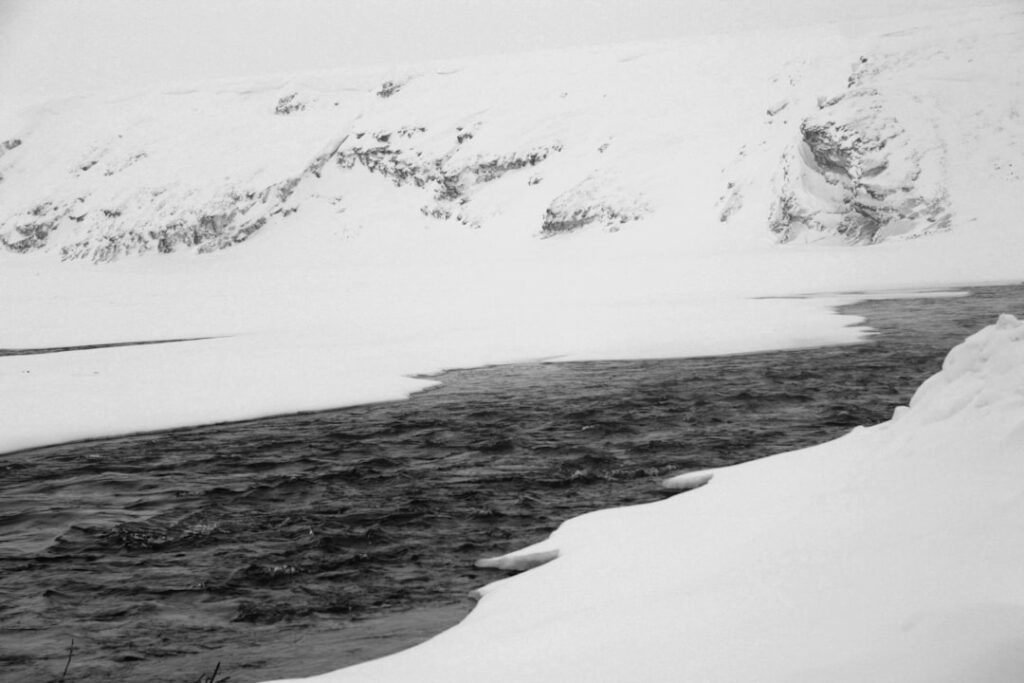
Vorkuta, Russia’s Incredible Gulag History, Arctic Wilderness & Soviet Relics (2026)
Ask locals about Vorkuta, Russia, and they’ll tell you about the stark, silent beauty of the tundra under the midnight sun and the haunting legacy etched into its permafrost. Most guidebooks miss this completely, focusing only on its past as the administrative center of the Vorkutlag Gulag camp system. Today, this city of 50,000, located 100 miles north of the Arctic Circle, offers an unparalleled journey into 20th-century history and raw, polar landscapes that fewer than a few hundred international travelers witness each year.
Why Vorkuta, Russia Stands Out

A man standing in front of a tall building, Vorkuta, Russia
- Historic Architecture: The Vorkuta Drama Theater, built in 1943 by Gulag prisoners, stands as a profound symbol of resilience and forced labor’s complex legacy in the Arctic.
- Cultural Scene: The annual “Zarnitsa” Festival in July celebrates Nenets reindeer herder culture, where you can witness traditional chum-building, reindeer races, and folk music on the endless tundra.
- Local Specialties: You must try stroganina—razor-thin slices of frozen, raw Arctic fish or reindeer meat, often dipped in salt and pepper, a survival dish turned delicacy.
Pro Tip: Visit in late June to early July for the “White Nights,” when the sun never sets, offering surreal, round-the-clock exploration light. For the bravest travelers, March offers the clearest skies for witnessing the Northern Lights, but prepare for temperatures plunging to -30°C (-22°F).
Map of Vorkuta, Russia
Use these interactive maps to explore Vorkuta, Russia and plan your route:
📍 View Vorkuta, Russia on OpenStreetMap
🗺️ Open Vorkuta, Russia in Google Maps
Planning Your Trip: Practical Essentials
Getting There and Around
- By Air: Vorkuta Airport (VKT) connects to Moscow (Domodedovo) via 2.5-hour flights on NordStar Airlines. A taxi to the city center costs around 500-700 RUB. Book flights at Skyscanner for best deals.
- By Train: The legendary “Arktika” train from Moscow (Yaroslavsky Station) is a 40+ hour journey into the Arctic, offering a profound cross-section of Russia. Reserve tickets at Trainline or the national railway website.
- By Car: Driving is not recommended for visitors due to extreme weather, remote distances, and poor road conditions. Compare car rentals at RentalCars.com only if you are an experienced polar driver.
- Local Transport: Use the city’s bus network (35 RUB per ride) or taxis (starting at 150 RUB). For excursions to abandoned camps or tundra visits, you must hire a local guide with a 4×4 vehicle.
Best Time to Visit
Choosing when to visit Vorkuta defines your experience. The brief summer offers accessibility and surreal light, while the deep winter provides austere beauty and aurora potential, demanding serious preparation.
| Season | Weather | Highlights |
|---|---|---|
| Summer (Jun–Aug) | -1°C to 15°C (30°F to 59°F), permafrost thaws, mosquitoes | White Nights, tundra accessible, Zarnitsa Festival, few tourists |
| Winter (Dec–Feb) | -20°C to -40°C (-4°F to -40°F), polar night, heavy snow | Northern Lights potential, stark frozen landscapes, authentic Arctic challenge |
| Shoulder (Apr–May/Sep–Oct) | -10°C to 5°C (14°F to 41°F), unpredictable, windy | Lower prices, transitional beauty, but limited accessibility to remote areas |
Budgeting for Vorkuta, Russia

A stunning view through an archway of Palace Square and the Winter Palace in St, Vorkuta, Russia
| Category | Budget | Mid-range | Luxury |
|---|---|---|---|
| Accommodation | Hostel/Guesthouse: 1,500-2,500 RUB/night | Hotel: 3,500-5,500 RUB/night | Best hotel suite: 7,000+ RUB/night |
| Meals | Cafeteria/Stolovaya: 400-600 RUB | Local restaurant: 800-1,500 RUB | Fine dining (limited): 2,500+ RUB |
| Transport | City buses: 35 RUB/ride | Taxis: 150-300 RUB per trip | Private guide with 4×4: 8,000+ RUB/day |
| Activities | Museums: 200-400 RUB | Organized tundra tour: 4,000 RUB | Multi-day Nenets camp visit: 15,000+ RUB |
| Daily Total | 2,500 – 3,500 RUB | 8,000 – 12,000 RUB | 20,000+ RUB |
Top Attractions and Must-See Sights
| Attraction | Description | Hours | Entry Fee |
|---|---|---|---|
| Vorkuta Local History Museum | The essential starting point, detailing the city’s Gulag origins, geology, and Nenets indigenous culture with powerful exhibits. | Wed-Sun 11:00-18:00 | 300 RUB |
| Memorial Complex to Gulag Victims | A solemn, moving site featuring a central monument and railway wagon, honoring the hundreds of thousands who suffered here. | Open 24/7 | Free |
| Abandoned Mine & Settlement of Yur-Shor | An eerie, frozen-in-time ghost town 10km from Vorkuta, showcasing the rapid decay of Soviet-era mining infrastructure. | Daylight hours (guide required) | Tour cost ~4,000 RUB |
| Vorkuta Drama Theater | The northernmost professional theater, built by prisoners; attending a performance here is a deeply resonant historical experience. | Box office: 12:00-19:00 | Play tickets from 500 RUB |
3-Day Itinerary: Vorkuta, Russia’s Highlights & Hidden Gems
Day 1: History & The Urban Core
- Morning (10:00 AM): Begin at the Vorkuta Local History Museum. Spend two hours understanding the region’s complex past. Your best bet is to hire an English-speaking guide (approx. 1,000 RUB) for deeper context.
- Afternoon (1:00 PM): Lunch at Stolovaya No. 1 on Mira Street for authentic, Soviet-style cafeteria food like borscht and kotleti (about 450 RUB). Then, walk to the Memorial Complex to Gulag Victims for quiet reflection.
- Evening (7:00 PM): Dinner at Restaurant Severny (Lenina St.) trying local specialties like venison stew (1,200 RUB). If scheduled, attend a performance at the Vorkuta Drama Theater.
Day 2: The Tundra & Abandoned Past
- Morning (8:00 AM): Meet your pre-booked guide with a 4×4 vehicle (approx. 8,000 RUB for the day) for a trip to the abandoned settlement of Yur-Shor. Explore the spectral mine shafts and crumbling apartments—a powerful, somber experience.
- Afternoon (12:30 PM): Enjoy a packed lunch on the tundra. Visit a nearby chum (Nenets tent) if arranged with your guide, to learn about reindeer herding. Return to the city by late afternoon.
- Evening (6:30 PM): Recover with a hearty dinner at Kafe Podshipnik (Industrialnaya St.), known for its pelmeni and warm atmosphere. Locals recommend the mushroom-filled dumplings.
Day 3: Culture & Departure
- Morning (9:00 AM): Visit the Geological Museum (free, by appointment) to see stunning mineral specimens from the Polar Urals. Then, stroll through the “old town” near the theater to see the remaining Stalinist architecture.
- Afternoon (12:00 PM): Final lunch at Pizza Milano (a local favorite for a non-Russian option) or grab stroganina to-go from the central market. Pick up souvenirs like warm ushanka hats or local gemstones.
- Evening (5:00 PM): Transfer to the airport or train station for your departure. Savvy visitors know to book a window seat for a final, breathtaking view of the endless tundra or frozen city lights.
Cultural Insights & Etiquette
- Language: Russian is essential. Learn Cyrillic basics and key phrases: “Spasibo” (Thank you), “Gde muzei?” (Where is the museum?). English is rarely spoken.
- Customs: Discussions about the Gulag era are sensitive but not taboo. Approach with respect and listen more than you speak. When invited to a local’s home, always bring a small gift.
- Tipping: Not widely expected, but rounding up the bill in taxis or leaving 5-10% in a sit-down restaurant is appreciated.
- Dress Code: Utilitarian and warm. Even in summer, pack layers, waterproof boots, and a windbreaker. In winter, invest in serious thermal wear—this is not for fashion.
- Business Hours: Shops typically open 10:00-19:00, closed for lunch. Museums often close on Mondays and Tuesdays. Major holidays like New Year and Victory Day (May 9) see closures.
Where to Eat: Vorkuta, Russia’s Best Bites
Dining in Vorkuta is about hearty, warming sustenance. You’ll find a mix of Soviet-era canteens, simple cafes, and a few restaurants focusing on game meats and fish from the local rivers and tundra.
Must-Try Local Specialties
- Stroganina: Shavings of frozen raw nelma (white salmon) or reindeer, served with salt. Find it at the central market or request it at Severny restaurant.
- Venison Stew: Slow-cooked, rich, and gamey. A staple at most restaurants, especially good at Kafe Podshipnik.
- Polar Berries: Cloudberries, bilberries, and lingonberries foraged from the tundra, often served as jam, kompot (drink), or in desserts.
Restaurant Recommendations by Budget
| Type | Restaurant | Specialty | Price Range |
|---|---|---|---|
| Budget | Stolovaya No. 1 (Mira St.) | Authentic, no-frills Russian cafeteria classics | 300-500 RUB |
| Mid-range | Kafe Podshipnik (Industrialnaya St.) | Cozy atmosphere, excellent pelmeni and meat dishes | 700-1,200 RUB |
| Fine dining | Restaurant Severny (Lenina St.) | The city’s premier spot for local game and fish platters | 1,500-2,500 RUB |
Where to Stay
Accommodation options are functional rather than luxurious. Your best bet is to prioritize location near the city center (ploshchad Lenina) for walkable access to museums and restaurants. Compare prices and book at Booking.com or Airbnb for apartments.
Best Neighborhoods for Accommodation
- City Center (ploshchad Lenina): Close to museums, the theater, and main restaurants. The most convenient base, though buildings can be Soviet-era blocks. Suits first-time visitors.
- Severny Microraion: A quieter residential area with newer apartment blocks. Requires more use of buses or taxis. Ideal for longer stays or those seeking local immersion.
- Near the Railway Station: Practical for early departures, but less atmospheric and further from cultural sites. Best for one-night stopovers.
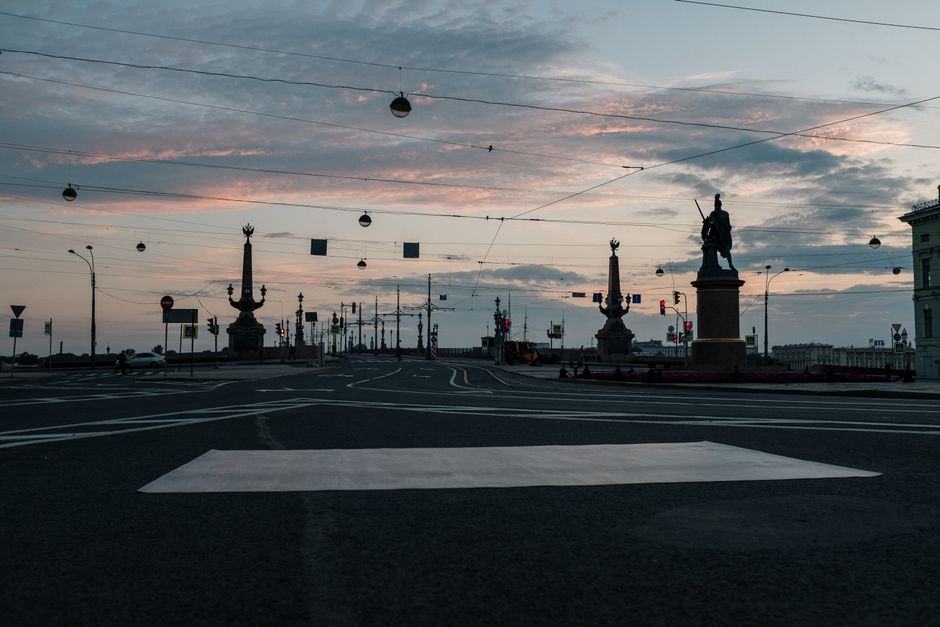
A serene empty street scene at dusk featuring urban landmarks and a vibrant sky., Vorkuta, Russia
FAQs: Your Vorkuta, Russia Questions Answered
1. Is Vorkuta, Russia safe at night?
Vorkuta is generally safe, with low violent crime. Standard precautions apply: avoid poorly lit areas late at night, don’t flash valuables, and be aware that extreme cold in winter is the primary safety hazard. Always inform someone of your travel plans when heading into the tundra.
2. What currency is used and are credit cards accepted?
The Russian Ruble (RUB) is the currency. While hotels and some restaurants in the center accept major credit cards (Visa/Mastercard), cash is king. Withdraw enough rubles in Moscow or Syktyvkar before arriving, as international ATMs are scarce.
3. How do I get from the airport to the city center?
The most reliable option is a pre-arranged taxi from your hotel or a taxi at the airport rank, costing 500-700 RUB for the 10-15 minute journey. Public bus #4 runs infrequently. Book airport transfers at GetYourGuide for convenience, though local options are simpler.
4. Do I need to speak the local language?
Yes, basic Russian is highly recommended. Very few people speak English. Use a translation app, carry a phrasebook, and learn key words for transport, food, and emergencies. A little effort goes a long way with locals.
5. What’s the appropriate dress code?
Always dress for the weather, not for style. In winter, this means thermal base layers, a heavy insulated coat, fur or thermal hat (ushanka), mittens, and insulated waterproof boots. In summer, wear sturdy hiking boots, waterproof layers, and mosquito repellent.
Final Thoughts: Vorkuta, Russia Awaits
Vorkuta is not a conventional holiday destination. It is a journey for the intellectually curious and the resilient traveler—a place where history is palpable in the wind-swept tundra and silent ruins. You’ll discover a raw, unfiltered chapter of the 20th century and the profound beauty of the Arctic frontier. While it demands preparation and respect, the reward is an experience far removed from the well-trodden tourist trail. Your best bet is to come with an open mind, warm clothing, and a willingness to engage
Related Guides
Explore more destinations similar to Vorkuta:

