
Turbat, Pakistan on a Budget: Balochistan’s Hidden Gem for $35/Day (2026)
While a single night in a mid-range hotel in Dubai costs you around $120, and a basic meal in Istanbul runs $15, Turbat, Pakistan offers you an entire day of accommodation, three hearty meals, local transport, and a handful of unforgettable experiences for just $35. You won’t just save money here—you’ll gain a genuine cultural immersion that luxury travelers often miss. Journey through date-palm groves, explore ancient forts, and taste dishes that have fed tribes for centuries, all while your wallet stays comfortably full.
7 Free Things to Do in Turbat, Pakistan
- Explore the Turbat Fort (Miri Kalat): Perched on a rocky hill about 15 minutes east of the city centre, this 18th-century fort once guarded the Kech Valley. You can climb the crumbling stone staircase for panoramic views of the date-palm oasis below. No entry fee, no crowds—just wind and history. Locals recommend visiting at 5 PM when the light turns golden.
- Wander the Kech River Bank: Follow the dry riverbed (except during July–August monsoon) along the western edge of the city. Families picnic here on weekends, and you’ll see children flying kites, men playing cricket, and women gathering watercress. It’s a perfect free window into daily life.
- Stroll Through Turbat Bazaar: The main market, stretching from Eidgah Road to Shahi Bazaar, is a sensory overload. You can look—but don’t have to buy—at stacks of dried dates, local embroidery, and brassware. Savvy visitors spend an hour people-watching from a rooftop chai stall.
- Visit the Jamia Masjid Turbat: The largest mosque in the city, built in the 1990s with striking blue-and-white tiles, is open to non-Muslims outside prayer times (avoid 12–2 PM and 4–5 PM). Dress modestly and remove shoes. The courtyard is a peaceful spot to escape the heat.
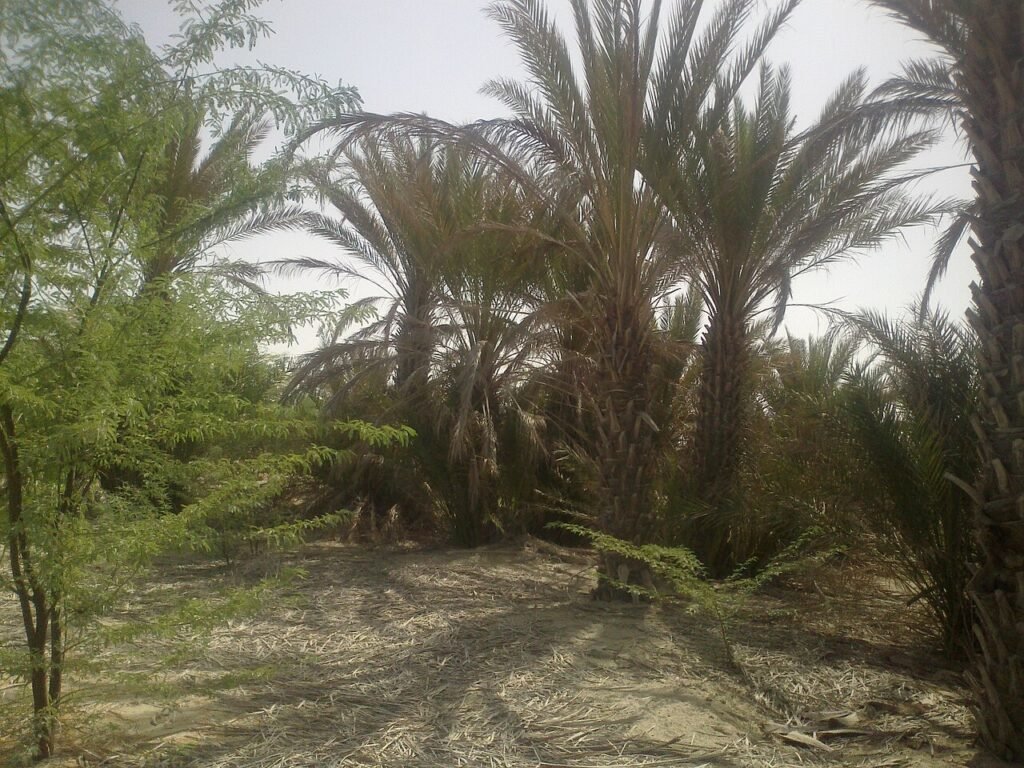
- Hike the Kech Valley Date Groves: Head east of the city on the Quetta road for 2 km, and you’ll enter a dense forest of date palms. Small irrigation channels cut through the groves. You can walk for hours under the shade—a free, natural air conditioner. Best in September–October when dates ripen.
- Visit the Turbat Tribal Museum (free entry): Located on the University of Turbat campus, this small museum houses Balochi artifacts: woven carpets, traditional turbans, and old weapons. Open 9 AM–5 PM Saturday–Thursday. Travellers discover that the elderly caretaker will share stories of the region’s nomadic past if you ask politely.
- Watch Sunset from Koh-e-Imam Mountain: A 30-minute walk from the city centre up a gentle dirt track. You’ll reach a flat rock outcrop that offers a 360-degree view of Turbat glowing in the dusk. Locals say this is the spot where young lovers secretly meet.
Cheap Eats: Where Locals Actually Eat
Your best bet for authentic, budget-friendly food in Turbat is the street-food corridor along Hospital Road near Turbat Civil Hospital. Here’s where you should eat:
1. Al-Karam Sajji & Tikka Corner: Two brothers, carrying on a 30-year-old tradition, grill chicken sajji over an open charcoal pit coated in a secret blend of coriander and turmeric. A quarter chicken with fresh roti costs just $2.50. Savvy travellers order the “raik” (bone marrow) spooned onto flatbread—free with any sajji order. Open 6 PM–11 PM nightly.
2. Café De Pashtun (on Shahi Bazaar): This hole-in-the-wall serves the best chapli kebab in town—minced beef patties spiked with pomegranate seeds and dried mint. Two kebabs with a garlic-laced naan cost $1.80. They also do a breakfast of “halwa puri” (semolina pudding with fried bread) for $0.80 until 10 AM.
3. Bazaar Chai Stall (beside Silver Jewellery Row): Not a restaurant, but a wooden cart where a man named Zafar has been pulling doodh patti (strong milk tea) for 25 years. A glass costs $0.10. You can stand, drink, and watch the bazaar come to life—perfect for people-watching.
4. Mehran Dhaba (near Turbat Bus Terminal): No menus, just whatever has been slow-cooked that morning. Ask for “daal gosht” (lentils with mutton) and eat with your hands off a metal tray. A generous portion with three rotis costs $1.20. Many travellers say it’s the best meal they had in Balochistan.

This is the tomb of khan kalat at bhag bolan., Turbat, Pakistan
Getting There Without Going Broke
- Cheapest Route: From Karachi (most common gateway), take the 12-hour overnight bus operated by Niazi Express or Bilal Travels. Tickets cost $13 per person (AC bus) and drop you at Turbat Bus Stand around 7 AM. If you’re coming from Quetta, local minibuses run daily ($8, 8 hours).
- Pro Tip: Book your bus ticket from Karachi to Turbat at least 3 days in advance through the “Bookme.pk” app or website. Last-minute tickets jump by 30–40%. Also, choose the right-side seat for sunrise over the Hingol River.
- From the Airport: Turbat International Airport (TUK) has flights from Karachi on Serene Air (around $60 one-way if booked two weeks ahead). From the airport, shared rickshaws take you to the city centre for $0.50 per person, versus a solo taxi costing $3. Follow the crowd of locals waiting at the airport gate.
Compare flights at Skyscanner

Stunning daytime capture of Minar-e-Pakistan surrounded by lush greenery in…, Turbat, Pakistan
Budget Accommodation Guide
Turbat’s accommodation scene is lean but friendly. For the cheapest sleep, head to the area around Shahi Bazaar. Al-Mehran Inn (Hospital Road) offers dorm beds with shared bath for $8/night—basic but clean, with a fan and a common rooftop where you can hang laundry. Hotels in the City (e.g., Turbat Tourist Lodge on College Road) provide private singles with attached bathroom for $15/night; the staff are known to let budget travellers use the kitchen to boil water. For a slight upgrade, Hotel Baloch Inn (near the bus stand) has air-conditioned doubles for $30/night and includes breakfast of chai and halwa. The cheapest area is the Kech Colony neighbourhood—guesthouses there charge as low as $5 for a mattress on the roof. Always ask for the “local rate” (usually 20% less than what’s quoted to foreigners). Book ahead only if arriving during peak season (October–March). Check Booking.com or Airbnb for guesthouses; note that many small places aren’t online, so arriving and bargaining is common.
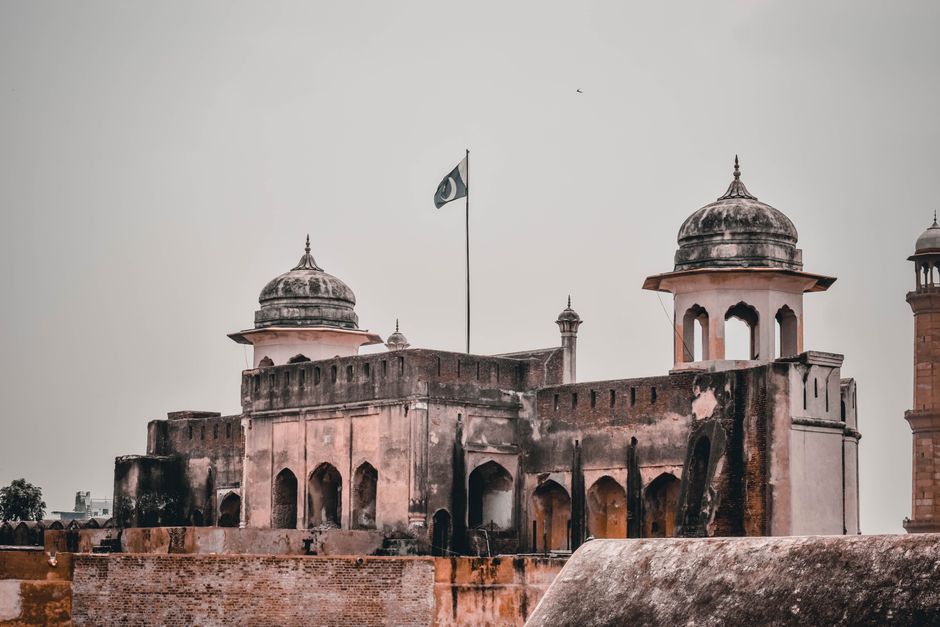
Explore the majestic Lahore Fort, Turbat, Pakistan
Money-Saving Tips Specific to Turbat, Pakistan
- Eat like a local at the “Taal” (alms kitchen): Many mosques and Sufi shrines in Turbat serve free lunch (dal-roti) to anyone, regardless of religion. Head to the shrine of Syed Mohammad Ali near the bus stand between 1–2 PM. You’ll eat well and save $2 a day.
- Skip bottled water – use a filter bottle: Pack a LifeStraw or Grayl. Tap water is not potable, but you can refill filtered water at most guesthouses for free. A 1.5L bottle of packaged water costs $0.30 in the bazaar—avoid paying $1 at tourist spots.
- Visit on a weekend for free cultural events: Travelers who come on a Friday (Sabbath) can attend the joint Balochi music sessions at the Turbat Press Club (free entry, 8–10 PM). You’ll hear soulful “Damboora” (stringed instrument) performances—a $20 experience elsewhere.
- Use local SIM for cheaper data: Buy a Zong SIM (available at the airport or any mobile shop) for $1.50, then load $3 of data. You’ll get 5 GB for 7 days. Avoid roaming; it’ll eat your budget. Free Wi-Fi is nearly nonexistent in Turbat.
- Bargain – but with a smile: At rickshaw stands and in the bazaar, expect initial prices to be inflated by 50%. Start at half and meet in the middle. A ride that starts at $2 should cost you $1.20. Locals respect haggling—it’s part of the social fabric.
Is Turbat, Pakistan Worth It on a Budget?
Honestly, yes. What you miss by skipping luxury hotels and guided tours is offset by what you gain: genuine conversations with Baloch families, the taste of sajji cooked over a fire that’s been burning for decades, and the freedom to explore a city that sees maybe 200 foreign visitors a year. You won’t find polished museums or five-star restaurants. Instead, you’ll discover a raw, evolving frontier where every rupee stretches further than you can imagine. The highlight? Sitting on a rooftop at dusk, a cup of doodh patti in hand, watching the muezzin’s call echo across mud-brick houses and date palms. That’s a memory no amount of money can buy. So go—your $35 will feel like a fortune in Turbat.

