
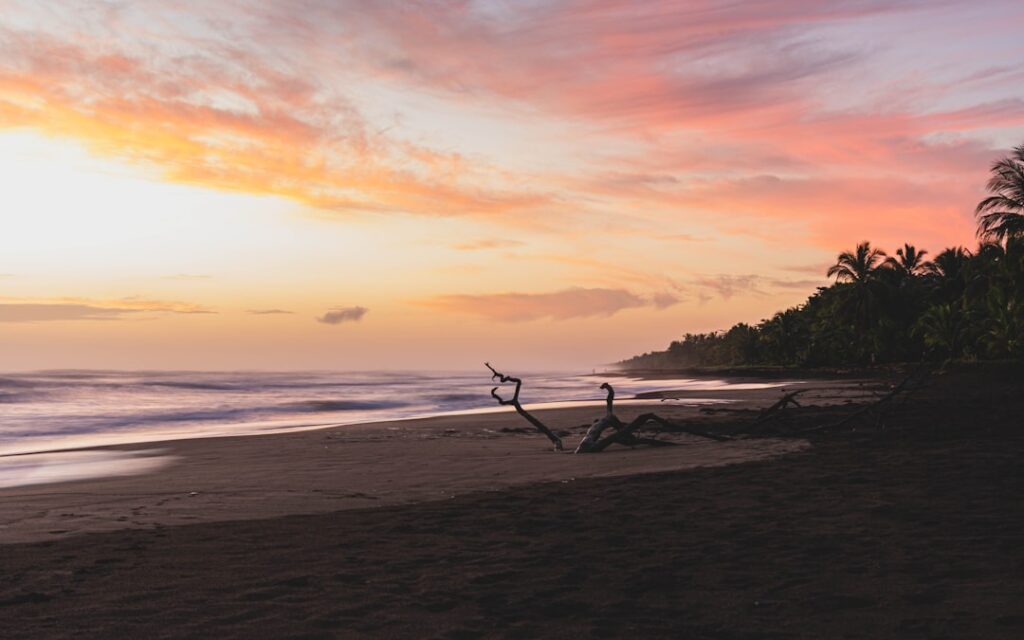
Tortuguero, Costa Rica’s Hidden Turtles, Canals & Untamed Rainforest (2026)
Ask locals about Tortuguero, Costa Rica, and they’ll tell you about the pre-dawn hush on the beach, broken only by the rhythmic, ancient scraping of a 400-pound Green Turtle digging her nest. Most guidebooks miss this completely, focusing only on the spectacle. The real magic is in the conservation story: in 1955, only 400 Green Turtle nests were recorded here; last season saw over 20,000, a testament to a community that traded hunting for protection. This is a living lesson in rewilding, accessible only by boat or plane.
Why Tortuguero, Costa Rica Stands Out

A tree branch sticking out of the water, Tortuguero, Costa Rica
- Historic Architecture: The 1934-built Tortuguero Catholic Church, with its simple wooden structure and iconic red roof, serves as the village’s spiritual and communal heart.
- Cultural Scene: The annual Sea Turtle Festival (July) transforms the village with parades, live music, and educational events celebrating conservation success.
- Local Specialties: You must try *Rondón*, a slow-cooked coconut milk stew with fish, plantains, and root vegetables, a flavorful legacy of Afro-Caribbean culture.
Pro Tip: For the ultimate experience, visit during the shoulder seasons of late February-April or September-October. You’ll avoid the peak tourist crowds of July-August, still have excellent wildlife viewing, and often find better rates on lodges. The green season (May-June, Nov) means more rain but lush scenery and even fewer visitors.
Map of Tortuguero, Costa Rica
Use these interactive maps to explore Tortuguero, Costa Rica and plan your route:
📍 View Tortuguero, Costa Rica on OpenStreetMap
🗺️ Open Tortuguero, Costa Rica in Google Maps
Planning Your Trip: Practical Essentials
Getting There and Around
- By Air: Sansa and Aerobell offer daily 30-minute flights from San José (SJO) to the Tortuguero airstrip (TTQ). Book flights at Skyscanner for best deals.
- By Train: No train service is available to this remote coastal region.
- By Car: You cannot drive directly to Tortuguero. The standard route is to drive to La Pavona or Moín dock, park your rental (approx. $10/day), and take a boat. Compare car rentals at RentalCars.com for the first leg of your journey.
- Local Transport: Transport is almost exclusively by boat. Shared public boats from La Pavona cost about $10 one-way. Within the village and park canals, you’ll travel by guided tour boat, canoe, or on foot.
Best Time to Visit
Tortuguero’s climate is hot and humid year-round, but timing your visit depends on your priorities: turtle nesting seasons or general wildlife and weather.
| Season | Weather | Highlights |
|---|---|---|
| Green Turtle Season (Jul–Oct) | Warm, humid, frequent afternoon rains | Peak nesting for Green Sea Turtles; highest tourist numbers; vibrant community atmosphere. |
| Leatherback Season (Mar–May) | Hot, less rain, possible dry spells | Leatherback and Hawksbill turtle nesting; excellent birdwatching; fewer crowds than mid-summer. |
| Shoulder/Wet Season (Nov–Feb, May–Jun) | Lush scenery, heaviest rainfall, especially Nov-Dec | Lowest tourist numbers, lush rainforest, lower lodge rates, wildlife is still abundant. |
Budgeting for Tortuguero, Costa Rica

Gray and yellow bird on tree branch, Tortuguero, Costa Rica
| Category | Budget | Mid-range | Luxury |
|---|---|---|---|
| Accommodation | $40-70/night (hostel, basic cabina) | $100-200/night (comfortable lodge with meals) | $250+/night (all-inclusive eco-lodge) |
| Meals | $15-25/day (sodas, self-catering) | $35-50/day (lodge meals, nice restaurant) | $75+/day (fine dining at luxury lodges) |
| Transport | $20 (public boat in/out) | $50-75 (shared shuttle/boat combo) | $150+ (private boat transfer) |
| Activities | $30 (park entry, walking) | $75/day (guided canal tour + turtle tour) | $150+/day (private guided tours) |
| Daily Total | $65-100 | $150-300 | $500+ |
Top Attractions and Must-See Sights
| Attraction | Description | Hours | Entry Fee |
|---|---|---|---|
| Tortuguero National Park | A 77,000-acre network of rainforest canals teeming with monkeys, caimans, and hundreds of bird species. | 6:00 AM – 4:00 PM daily | $15 USD per person |
| Sea Turtle Conservancy Museum | A small but impactful museum detailing the inspiring conservation journey that saved the local sea turtles. | 10:00 AM – 5:00 PM (Hours vary) | By donation (~$2) |
| Tortuguero Hill (Cerro Tortuguero) | A short but steep hike to the area’s highest point for breathtaking 360° views of the canals and Caribbean. | Dawn to Dusk | Free (Guide recommended) |
| Tortuguero Village | The vibrant, car-free heart of the community, with colorful houses, local shops, and a genuinely warm atmosphere. | Always open | Free |
3-Day Itinerary: Tortuguero, Costa Rica’s Highlights & Hidden Gems
Day 1: Arrival & Canal Immersion
- Morning: Catch an early shared boat from La Pavona (7:30 AM, $10, 1.5hrs). The journey itself is your first safari—keep an eye out for river birds and basking iguanas.
- Afternoon: Settle into your lodge and embark on a 2-hour guided canoe tour ($35-50) through the serene *caños* (narrow canals). Your best bet is a late afternoon tour when wildlife is most active. For lunch, grab a casual *casado* (rice, beans, protein) at **Soda Doña María** in the village.
- Evening: Enjoy a relaxed dinner at **Budda Cafe**, known for its fresh seafood and Caribbean vibe. Turn in early for tomorrow’s pre-dawn adventure.
Day 2: Turtles & The Town
- Morning: A 5:00 AM guided turtle nesting tour ($25-35) if in season. This is a regulated, ethical experience—red lights only, strict silence. Witnessing a 300-pound turtle lay her eggs is profoundly moving.
- Afternoon: Visit the **Sea Turtle Conservancy Museum** to understand the history you witnessed. Then, wander the sandy paths of Tortuguero Village. Stop at **Miss Junie’s** for a legendary *Rondón* stew for lunch. Later, hike up **Cerro Tortuguero** with a guide to spot toucans and howler monkeys.
- Evening: Take a guided night walk ($30) along the park’s periphery to spot frogs, insects, and nocturnal birds. Dinner at your lodge, sharing stories with fellow travelers.
Day 3: Deeper Exploration & Departure
- Morning: One last early morning activity: a specialized birdwatching boat tour ($45) or a kayak rental ($15/hour) for silent, self-paced exploration of the waterways.
- Afternoon: Enjoy a final lunch in the village, perhaps at **Wild Ginger** for their coconut shrimp. Pick up locally made crafts or coffee at the **ASPROT cooperative store**, which supports local families. Catch a 1:30 PM public boat back to La Pavona.
- Evening: Departure from the docks. Savvy travelers often plan to spend their next night in the Sarapiquí region or Puerto Viejo to continue their Costa Rican adventure.
Cultural Insights & Etiquette
- Language: Spanish is official, but many speak English in tourism. Learn a few phrases: “Pura Vida” (hello/thanks/all good), “Gracias” (thank you).
- Customs: Life moves slowly (*tico time*). Be patient and polite. The community is proud of its conservation work—show respect and interest.
- Tipping: 10% is often included in bills as a *servicio*. For exceptional guides, an extra 5-10% in cash (USD or CRC) is appreciated.
- Dress Code: Practical, quick-dry clothing is essential. For turtle tours, wear dark colors. Modest dress is respectful in the village.
- Business Hours: Shops and sodas generally open from 8:00 AM to 7:00 PM. Many close for a midday break. Major holidays like Semana Santa (Holy Week) are very busy.
Where to Eat: Tortuguero, Costa Rica’s Best Bites
Dining in Tortuguero is a celebration of fresh Caribbean ingredients—coconut, seafood, plantains, and rice and beans cooked with local spices. Most meals are at lodges or in the handful of village restaurants, known as *sodas*.
Must-Try Local Specialties
- Rondón: The iconic Afro-Caribbean stew of fish, shellfish, plantains, yucca, and potatoes simmered in rich coconut milk and spices. Find it at **Miss Junie’s** or **Soda Doña María**.
- Patí: A spicy, handheld meat pastry, perfect for a snack. The best are from small bakeries in the village—just follow your nose.
- Fresh Fruit: Don’t miss locally grown mango, pineapple, and the sour *carambola* (starfruit), often served with meals or as juice.
Restaurant Recommendations by Budget
| Type | Restaurant | Specialty | Price Range |
|---|---|---|---|
| Budget | Soda Doña María (Village Center) | Hearty, traditional *casados* and breakfasts | $6-12 per meal |
| Mid-range | Miss Junie’s (North end of village) | Authentic *Rondón* and whole fried fish | $15-25 per meal |
| Fine dining | Lodge Dining Rooms (Various) | Multi-course dinners featuring local produce | $30-50+ (often included in stay) |
Where to Stay
Accommodation ranges from basic village cabinas to stunning all-inclusive eco-lodges nestled along the canals. Most lodges include meals and tours in their packages, which is highly recommended for convenience. Compare prices and book at Booking.com or Airbnb for apartments in the village.
Best Neighborhoods for Accommodation
- The Village: Staying here puts you in the heart of local life with easy access to restaurants and shops. It’s budget-friendly but can be noisier. Ideal for independent travelers.
- North Canal Lodges: Lodges like **Evergreen** or **Laguna Lodge** are a short boat ride north of the village. They offer serene jungle settings, wildlife right outside your room, and package deals.
- South Canal Lodges: Properties like **Manatus Hotel** or **Tortuga Lodge** are south of the village, offering a more exclusive, upscale experience with premium guiding services.

Green and yellow lizard on brown tree branch, Tortuguero, Costa Rica
FAQs: Your Tortuguero, Costa Rica Questions Answered
1. Is Tortuguero, Costa Rica safe at night?
Yes, Tortuguero Village is generally very safe. The main risks are tripping on uneven paths in the dark—always use a flashlight. During turtle tours, always go with a licensed guide and follow their instructions precisely for your safety and the turtles’.
2. What currency is used and are credit cards accepted?
The local currency is the Costa Rican Colón (CRC), but US dollars are widely accepted. Smaller sodas and shops prefer cash (small bills). Most lodges and some larger restaurants accept credit cards (Visa/Mastercard), but connectivity can be spotty—carry cash as a backup.
3. How do I get from the airport to the city center?
There is no “city center” in the traditional sense. From San José (SJO), you take a 30-minute domestic flight to the Tortuguero airstrip, where your lodge will collect you by boat. The land/boat route involves a bus or drive to La Pavona dock, then a 1.5-hour boat ride to the village. Book airport transfers at GetYourGuide for convenient shuttle/boat combos.
4. Do I need to speak the local language?
No, but it helps. English is spoken in all tourist areas and lodges. Learning basic Spanish greetings (“Buenos días,” “Gracias”) is a sign of respect and will be warmly received by locals.
5. What’s the appropriate dress code?
Think practical adventurewear: quick-dry shirts, shorts, or pants; a waterproof jacket; sturdy sandals or water shoes; and a hat. For evening turtle tours, **dark-colored clothing is mandatory** (no white or bright colors) to avoid disturbing the turtles. Pack a swimsuit for lodge pools.
Final Thoughts: Tortuguero, Costa Rica Awaits
Tortuguero is more than a destination; it’s an immersion into a world where nature dictates the rhythm and community-led conservation paves the way. You’ll leave not just with photos of monkeys and turtles, but with an understanding of how ecotourism, done right, can transform a place. Your best bet for a truly memorable trip is to embrace the slow pace, listen to the guides who are often former hunters turned protectors, and spend at least one quiet moment just listening to the symphony of the rainforest. This unique corner of Costa Rica offers a powerful reminder of our connection to the wild—a treasure well worth the journey.
Related Guides
Explore more destinations similar to Tortuguero:
- Tartous, Syria: Stunning Crusader Fortresses, Mediterranean Breezes & Phoenician Secrets (2025)
- Tete, Mozambique’s Hidden Bridges, Baobabs & Riverfront Charm (2025)
- Potchefstroom, South Africa’s Hidden History, Sport & Academic Charm (2026)
- Tula, Russia’s Best Samovars, Gingerbread & Heroic History (2026)

