
Tiradentes, Brazil’s Amazing Cobblestones, Cachaça & Colonial Charm (2026)
While crowds flock to Ouro Preto for its grand scale, Tiradentes delivers an intimate, perfectly preserved 18th-century experience on a human scale. Here, you won’t jostle for space; you’ll hear the clip-clop of horse-drawn carriages on its 23 meticulously conserved streets, smell wood-fired ovens baking pão de queijo, and feel the history in every hand-carved soapstone doorway. This isn’t a museum piece—it’s a living town where baroque churches and artisanal shops exist side-by-side, all nestled in the lush Serra de São José mountains.
Why Tiradentes, Brazil Stands Out

White and brown concrete houses near green trees and mountain during daytime, Tiradentes, Brazil
- Historic Architecture: The Matriz de Santo Antônio, built in 1710, houses one of the most valuable gilded altarpieces in Brazil, crafted by master sculptor Aleijadinho.
- Cultural Scene: The annual Mostra de Cinema de Tiradentes, Brazil’s most important festival for national independent film, transforms the town into an open-air cinema every January.
- Local Specialties: You must try *cachaça artesanal*, the region’s famed sugarcane spirit, best sampled straight at a local *alambique* (distillery) like Engenho do Sertão.
Pro Tip: For the perfect blend of good weather and cultural buzz, visit during the shoulder seasons of April-May or September-October. You’ll avoid the peak crowds of the January film festival and the winter holiday season (June-July), while enjoying mild, sunny days ideal for hiking the nearby trails.
Map of Tiradentes, Brazil
Use these interactive maps to explore Tiradentes, Brazil and plan your route:
📍 View Tiradentes, Brazil on OpenStreetMap
🗺️ Open Tiradentes, Brazil in Google Maps
Planning Your Trip: Practical Essentials
Getting There and Around
- By Air: The nearest major airport is Tancredo Neves (CNF) in Confins, near Belo Horizonte (120km away). Azul, LATAM, and Gol operate domestic flights. From the airport, your best bet is a pre-booked transfer (2-hour drive) or a rental car. Book flights at Skyscanner for best deals.
- By Train: The charming Maria Fumaça steam train runs a scenic 12km route from São João del-Rei to Tiradentes. It departs São João at 10:00 AM and 3:00 PM on Saturdays, and 10:00 AM on Sundays (1-hour journey). Reserve tickets at Trainline or the national railway website.
- By Car: Driving from Belo Horizonte via BR-040 and BR-383 is straightforward (approx. 2.5 hours). Parking within the historic center is limited; aim for lots near the periphery. Compare car rentals at RentalCars.com.
- Local Transport: The town is wonderfully walkable. For trips to nearby attractions like the Serra de São José or distilleries, taxis are readily available and affordable, or you can hire a *charrete* (horse-drawn carriage) for a nostalgic tour.
Best Time to Visit
Tiradentes enjoys a mild, tropical highland climate. The weather greatly influences the town’s atmosphere, from the vibrant festival energy of summer to the cozy, fog-kissed mornings of winter.
| Season | Weather | Highlights |
|---|---|---|
| Summer (Dec–Feb) | Warm & rainy (68°F-82°F / 20°C-28°C), frequent afternoon showers. | Bustling with the famous film festival in Jan; lush green landscapes but highest chance of rain. |
| Winter (Jun–Aug) | Cool & dry (50°F-75°F / 10°C-24°C), chilly nights, sunny days. | Peak tourist season for Brazilians; perfect for hiking, clear skies, but requires booking far in advance. |
| Shoulder (Apr–May/Sep–Oct) | Mild & pleasant (60°F-78°F / 15°C-26°C), minimal rainfall. | The sweet spot: fewer crowds, lower prices, ideal weather for exploring on foot and outdoor dining. |
Budgeting for Tiradentes, Brazil

A cobblestone street in a small village, Tiradentes, Brazil
| Category | Budget | Mid-range | Luxury |
|---|---|---|---|
| Accommodation | Hostel/Pousada: R$150-250/night | Boutique Pousada: R$400-700/night | Historic Luxury Inn: R$800-1500+/night |
| Meals | Lanchonete & street food: R$25-40/meal | Local restaurant: R$60-100/meal | Gourmet dining: R$150-250+/meal |
| Transport | Walking & occasional taxi: R$20-50/day | Taxi tours & train ticket: R$80-150/day | Private car & driver: R$300+/day |
| Activities | Church visits & hiking: R$0-50/day | Museums & distillery tour: R$100-200/day | Spa treatments & private guides: R$300+/day |
| Daily Total | R$200-350/day | R$600-1000/day | R$1500+/day |
Top Attractions and Must-See Sights
| Attraction | Description | Hours | Entry Fee |
|---|---|---|---|
| Matriz de Santo Antônio | Admire Aleijadinho’s magnificent gilded altar and the 18th-century German organ, one of the oldest in the Americas. | 9:00 AM – 5:00 PM Daily | R$5 |
| Museu de Sant’Ana | Housed in the old jail, this unique museum displays over 300 images of Saint Anne collected from across Brazil. | 10:00 AM – 7:00 PM (Wed-Mon) | R$10 |
| Chafariz de São José | This 1749 public fountain was the town’s main water source; a beautiful example of colonial engineering. | 24/7 (Exterior) | Free |
| Serra de São José Trails | Hike the scenic trails (like the Trilha dos Inconfidentes) for breathtaking views over the historic town. | Dawn to Dusk | Free (Guide recommended: R$80-150) |
3-Day Itinerary: Tiradentes, Brazil’s Highlights & Hidden Gems
Day 1: Colonial Heart & Culinary Immersion
- Morning (7-9 AM): Start with a quiet walk along Rua Direita as the town wakes up. Grab a fresh pão de queijo and coffee from **Padaria Padre Toledo**.
- Afternoon (12-3 PM): Visit the **Matriz de Santo Antônio**, then enjoy a traditional Minas Gerais lunch at **Tragaluz**, ordering the frango ao molho pardo (chicken in a rich brown sauce).
- Evening (6-8 PM): Browse the artisan shops for soapstone crafts, then dine at **Estalagem do Sabor** for contemporary takes on local cuisine in a gorgeous garden setting.
Day 2: Culture, Crafts & Cachaça
- Morning (9 AM): Tour the **Museu de Sant’Ana** (R$10), then visit the **Museu do Padre Toledo** to learn about the Inconfidência Mineira independence movement.
- Afternoon (1 PM): Take a taxi (R$40) to **Engenho do Sertão** for a cachaça distillery tour and tasting. For lunch, head to **Vento em Proa** near the station for superb seafood—a surprising local favorite.
- Evening (7 PM): Experience a classical music concert at the **Centro Cultural Yves Alves**, often held in its intimate, acoustically brilliant space.
Day 3: Nature & Nostalgic Transport
- Morning (8 AM): Hire a local guide (approx. R$150) for a 3-hour hike on the **Trilha dos Inconfidentes** in the Serra de São José, offering panoramic views.
- Afternoon (1 PM): Catch the iconic **Maria Fumaça** steam train from Tiradentes to São João del-Rei (1:00 PM departure, R$70 round-trip). Explore São João’s larger churches before returning.
- Evening (7 PM): Enjoy a final feast at **Au Bon Gourmet**, a French-Brazilian fusion spot in a lovely old house, toasting your trip with a glass of local cachaça.
Cultural Insights & Etiquette
- Language: Portuguese is essential. Learn basics: “Bom dia” (Good morning), “Por favor” (Please), “Obrigado/a” (Thank you). English is limited to tourist hubs.
- Customs: Greetings are important. A handshake or, among women, a cheek kiss (usually one) is standard. Meals are social; rushing is considered rude.
- Tipping: 10% is standard in restaurants and is often already included on the bill as “serviço“. For taxis, rounding up is sufficient.
- Dress Code: Casual but neat attire is fine. For church visits, cover shoulders and knees. Pack layers for cool evenings.
- Business Hours: Shops open 9 AM-6 PM, often closing for a midday break. Restaurants serve lunch from 12 PM-3 PM and dinner from 7 PM-10:30 PM. Many places close on Monday.
Where to Eat: Tiradentes, Brazil’s Best Bites
Tiradentes’ food scene is a delightful mix of hearty, traditional comida mineira (Minas Gerais cuisine) and sophisticated gourmet restaurants. The region is famous for its slow-cooked meats, river fish, tutu (bean paste), and of course, cheese and cachaça.
Must-Try Local Specialties
- Feijão Tropeiro: A hearty bean dish with cassava flour, sausage, and eggs, best tried at a traditional spot like **Restaurante do Largo**.
- Queijo Minas: The region’s soft, slightly salty cheese. Visit the **Mercado Municipal** for samples or enjoy it melted in a pão de queijo.
- Doce de Leite: A thick, caramel-like milk jam. **Maria do Carmo** shop on Rua Direita sells artisanal versions perfect for gifts.
Restaurant Recommendations by Budget
| Type | Restaurant | Specialty | Price Range |
|---|---|---|---|
| Budget | **Bar do Ângelo** (Rua da Cadeia) | Classic, no-frills prato feito (set lunch plates) and cold beer. | R$25-40 |
| Mid-range | **Tragaluz** (Largo do Ó) | Elevated traditional Minas dishes in a charming, rustic house. | R$60-100 |
| Fine dining | **Viradas do Largo** (Rua do Moinho) | Creative tasting menus using hyper-local ingredients, set in a stunning garden. | R$180-300+ |
Where to Stay
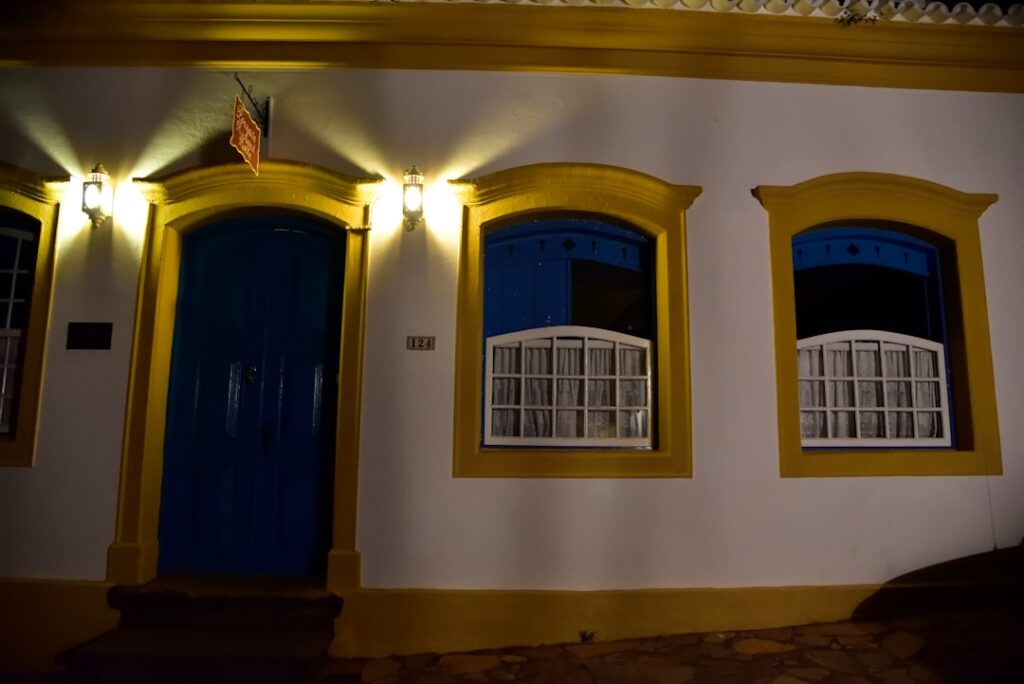
Accommodation in Tiradentes is dominated by pousadas (guesthouses), ranging from simple to ultra-luxurious, often housed in beautifully restored colonial buildings. Staying within the historic center means you’re steps from everything. Compare prices and book at Booking.com or Airbnb for apartments.
Best Neighborhoods for Accommodation
- Centro Histórico: The heart of the action. You’ll be surrounded by centuries-old architecture, shops, and restaurants. Perfect for first-time visitors who want to immerse themselves fully. Can be lively on weekends.
- Arredores do Largo das Forras: Near the main square. Offers a balance of convenience and slightly quieter streets. Ideal for families or those wanting easy access to transport and main sights.
- Chácaras & Estradas (Outskirts): For more space and mountain views. These countryside inns require a short taxi ride into town but offer tranquility, pools, and sprawling gardens. Best for a relaxing retreat.

A blurry photo of a city seen through a window, Tiradentes, Brazil
FAQs: Your Tiradentes, Brazil Questions Answered
1. Is Tiradentes, Brazil safe at night?
Yes, Tiradentes is considered very safe. The historic center is well-lit and populated with diners and strollers into the evening. As always, practice basic city awareness, but violent crime is extremely rare here.
2. What currency is used and are credit cards accepted?
The Brazilian Real (R$) is the currency. Credit cards (Visa/Mastercard) are widely accepted in hotels, restaurants, and shops. However, it’s wise to carry some cash (R$100-200) for small purchases at markets, street vendors, or for taxi fares.
3. How do I get from the airport to the city center?
From Belo Horizonte’s CNF airport, the most convenient options are a pre-booked private transfer (approx. R$350-450, 2 hours) or a rental car. There is no direct public bus. Shared van services can be arranged but are less reliable. Book airport transfers at GetYourGuide for convenience.
4. Do I need to speak the local language?
While you can manage in tourist restaurants and hotels with minimal Portuguese, knowing basic phrases will greatly enhance your experience and is appreciated by locals. Staff at high-end pousadas often speak some English, but outside that, English is not commonly spoken.
5. What’s the appropriate dress code?
Comfortable walking shoes are non-negotiable for the cobblestone streets. Dress is casually elegant—smart shorts or trousers, blouses or polo shirts are fine. Bring a light jacket or sweater for cool evenings, and a raincoat if visiting in the summer. Modest dress (covering shoulders/knees) is required for church entry.
Final Thoughts:
Related Guides
Explore more destinations similar to Tiradentes:
- Navrongo, Ghana’s Hidden Ancient Architecture, Sacred Groves & Living Culture (2026)
- Kalamata, Greece on a Budget: How to Live Like a Local for $45/Day (2026)
- Lhasá, Tibet (lesser-explored monasteries)
- Bac Lieu, Vietnam: Essential Bird Sanctuaries, French-Vietnamese Mansions & Floating Markets (2026)
{“@context”: “https://schema.org”, “@type”: “FAQPage”, “mainEntity”: [{“@type”: “Question”, “name”: “What is the best time to visit Tiradentes?”, “acceptedAnswer”: {“@type”: “Answer”, “text”: “The best time to visit Tiradentes depends on your preferences. Generally, the dry season offers the most pleasant weather for sightseeing and outdoor activities.”}}, {“@type”: “Question”, “name”: “How many days do I need in Tiradentes?”, “acceptedAnswer”: {“@type”: “Answer”, “text”: “Most travelers spend 3-5 days in Tiradentes to see the main attractions. A week allows for a more relaxed pace and day trips.”}}, {“@type”: “Question”, “name”: “Is Tiradentes expensive to visit?”, “acceptedAnswer”: {“@type”: “Answer”, “text”: “Tiradentes can be visited on various budgets. Accommodation ranges from hostels to luxury hotels, and local restaurants offer affordable dining.”}}]}

