
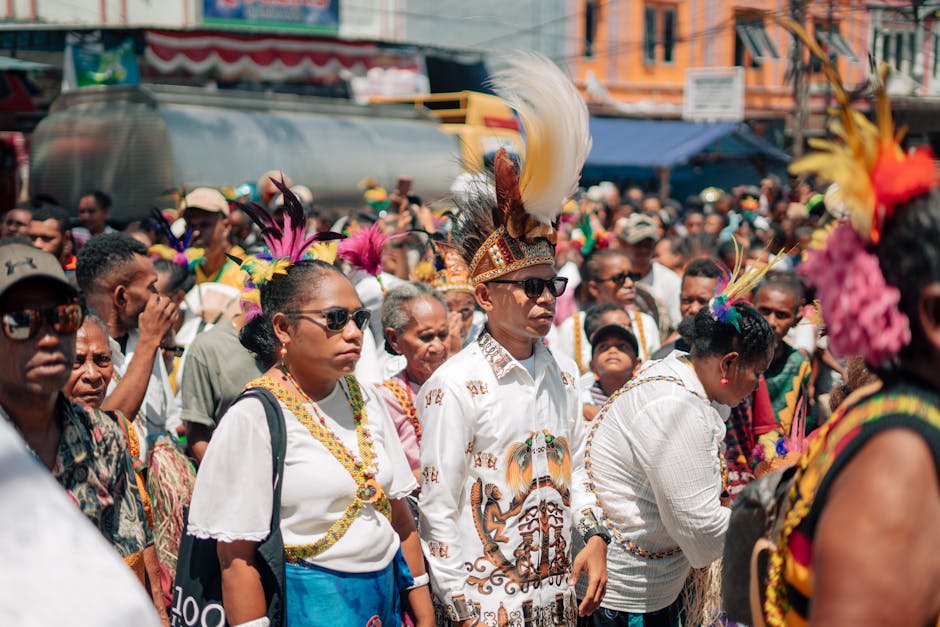
Tari, Papua New Guinea Weekend: Highlands Culture (2026)
The first light over the Tari Valley cuts through a cool, damp mist, revealing a landscape of impossibly green mountains. The air smells of woodsmoke and damp earth. As you stand on the edge of the airstrip, the day begins not with traffic, but with the distant, rhythmic chanting from a nearby village and the otherworldly, rasping call of a Raggiana bird-of-paradise. This is the Southern Highlands, a place where ancient traditions are the fabric of daily life, and your weekend is an immersion into a living, breathing culture.
Quick Facts Before You Go
- Best Months: May to October during the drier “cool” season. Trails are passable, and major cultural shows, like the famous Tari Show, are often scheduled in August or September.
- Currency: Papua New Guinea Kina (PGK). 1 PGK ≈ 0.27 USD / 0.21 GBP. Cash is king; there are very few ATMs, and cards are rarely accepted.
- Language: Huli is the dominant local language. Tok Pisin (Pidgin) and English are the official languages; English is spoken at lodges and by guides, but learning a few Tok Pisin greetings like “Monin” (Good morning) is deeply appreciated.
- Budget: A realistic daily cost for a guided, immersive weekend is PGK 800-1200 (approx. $220-330 USD) per person, covering basic lodge stays, meals, guide fees, and cultural gifts. This is not a budget backpacker destination; infrastructure requires organized support.
- Getting There: Fly from Port Moresby (POM) to Tari (TIZ) on PNG Air or Air Niugini. Flight time is about 1 hour. You must book domestic flights well in advance. International connections start at Skyscanner.
Day 1: Immersion in the Huli World
You start the morning with a strong, local coffee on the veranda of your lodge, watching the mist lift from the valley. Your local guide, perhaps a Huli man with a wealth of stories, arrives not just to lead you, but to welcome you into his community’s world. Today is about connection, stepping away from observation and towards understanding.
- Morning (8-11am): Visit a Huli Wigmen School. This is a profound cultural encounter. You’ll witness young men in their 14-21 year seclusion phase, learning the traditions of their ancestors. You see the meticulous process of growing and crafting their iconic ceremonial wigs, using human hair, ochre, and bird-of-paradise feathers. A small donation of PGK 50-100 per person is customary and supports the school.
- Lunch: Return to your lodge for a packed or prepared lunch. A typical plate might feature kaukau (sweet potato), rice, and tinned fish or corned beef, with fresh pineapple. Expect to pay PGK 40-60 for a lodge lunch.
- Afternoon (1-5pm): Trek with your guide to a nearby clan compound. The walk itself is part of the experience, through sweet potato gardens and across bamboo bridges. At the compound, you’ll be invited to sit and share stories. You might see women weaving bilums (string bags) or men crafting arrows. Later, visit the Tari Market (if it’s a market day, usually Friday or Saturday). This is a sensory explosion of colors, sounds, and smells—from stacks of fresh produce to bundles of betel nut. It’s for observing daily life; always ask permission before taking photos.
- Evening: Enjoy a hearty lodge dinner, often a stew or stir-fry with local vegetables. As darkness falls, gather around a fire. This is when stories flow—your guide might share legends of the Huli ancestors or explain the complex bride price system. It’s an invaluable, unscripted cultural exchange.
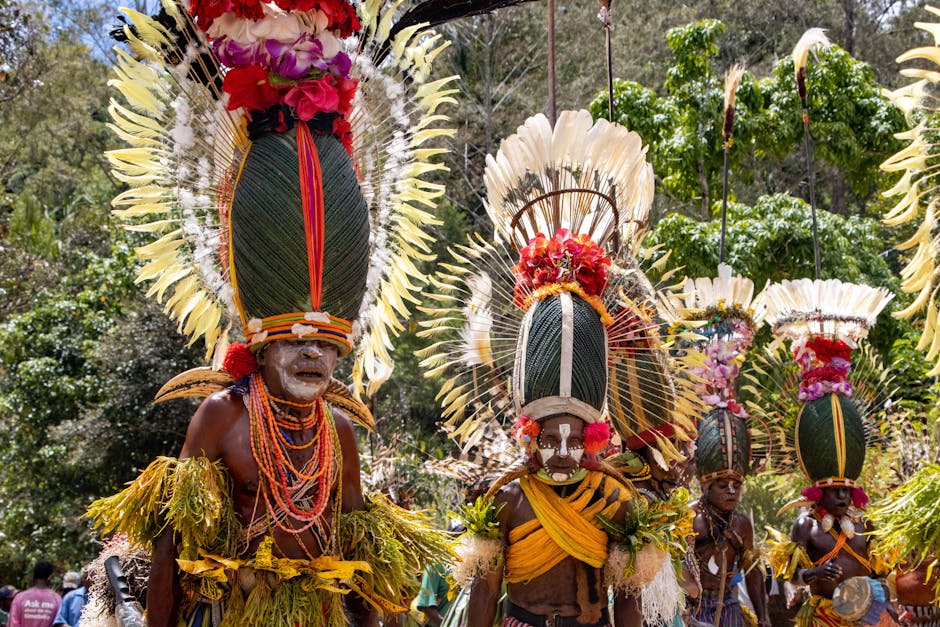
Colorful tribal dancers in traditional attire at a cultural festival in Pap…, Tari’s Papua New Guinea, Papua New Guinea
Day 2: From Sacred Birds to Farewells
The pace of your second day is dictated by the forest and its most famous inhabitants. There’s a palpable sense of anticipation; you’re not just sightseeing, you’re on a quest for a glimpse of avian royalty. The afternoon offers a chance to reflect and find a meaningful souvenir of your brief but deep encounter.
- Morning: Pre-dawn start (around 5:30am) for a bird-of-paradise viewing. With your guide, you’ll hike to a known lek (display ground) in the forest. In the dim, cool light, you wait in silence. The reward is witnessing the extravagant dance of the Raggiana bird-of-paradise, a burst of crimson and emerald plumes. Your lodge will provide a thermos of coffee and simple breakfast biscuits for the trek.
- Midday: Return to the lodge for a late breakfast or early lunch. Savvy visitors know to use this time to rest and journal; the emotional and physical intensity of the morning is often profound.
- Afternoon: Visit a local artisan family or cooperative. Instead of the general market, seek out specific craftspeople. You might watch a carver create a story board depicting Huli legends, or a woman dyeing fibers for a bilum. Purchasing directly from the maker (carvings can range from PGK 100 for small items to PGK 500+ for large pieces) ensures your money supports the tradition. This is a more respectful and impactful alternative to generic souvenir hunting.
- Final Evening: Your farewell dinner at the lodge often feels like a send-off from new friends. If you’ve built rapport, you might be treated to an impromptu sing-sing—a few men performing a rhythmic, stamping dance, their faces painted with yellow ochre and their heads adorned with feathers. It’s a powerful, unforgettable finale.

A senior woman stands smiling amidst vibrant traditional Papua New Guinean …, Tari’s Papua New Guinea, Papua New Guinea
The Food You Can’t Miss
Dining in Tari is less about gourmet restaurants and more about experiencing sustenance. The Highlands diet is built on garden staples. You’ll find that kaukau (sweet potato) is the true king, served roasted, boiled, or mashed at almost every meal. It’s earthy, sweet, and incredibly filling.
For protein, travelers often discover mumu is a must-experience culinary event, not just a dish. A pit is dug, heated stones are placed inside, and layers of meat (often pork or chicken), greens, and kaukau are stacked atop, covered with banana leaves, and steamed for hours. If your visit coincides with a village celebration where a mumu is prepared, consider it a highlight. At lodges, you’ll commonly be served rice with tin fish (tuna or mackerel) or corned beef, alongside local greens like aibika (a spinach-like leaf). A lodge meal typically costs PGK 50-80.
For a true local “snack,” you’ll see almost everyone chewing betel nut (buai). It’s a mild stimulant, mixed with mustard stick and lime powder. It stains teeth red and saliva is bright crimson. While it’s a central social ritual, visitors should approach with caution and respect—it’s potent. Your best bet is to politely observe rather than partake unless deeply invited and guided by a trusted local.

Tribal warrior with body paint and bow in Jayapura’s lush jungle., Tari’s Papua New Guinea, Papua New Guinea
Where to Stay for the Weekend
Accommodation in Tari is basic, clean, and focused on the cultural experience. There are no international chains or luxury resorts here. Your choice is typically a locally-run guesthouse or lodge that provides full board and arranges guides.
Ambua Lodge is the most well-known, perched on the edge of the Tari Valley with stunning views. It consists of traditional roundhouses and has its own network of trails for birdwatching. It’s at the higher end of the budget scale, with all-inclusive packages (meals, guiding, accommodation) starting around PGK 800 per person per night. Bookings are usually made through tour operators.
Local Guesthouses (like Tari Gap Lodge or similar) offer a more direct and affordable connection. These are simple, often family-run operations with shared facilities. They are the heart of the community, and staying here directly funds local families. Expect to pay PGK 200-400 per night including meals. Arrangements are often made via phone or through a travel agent in Port Moresby; platforms like Booking.com or Airbnb have very limited listings here.
Before You Go: Practical Tips
- Getting Around: You cannot hire a car. All transport is arranged through your lodge or a pre-booked guide using 4WD vehicles. A day with a guide and vehicle can cost PGK 300-500. Walking between nearby villages is possible with a guide.
- What to Pack: 1) Sturdy, broken-in hiking boots for muddy, uneven trails. 2) A quality rain jacket—downpours can happen anytime. 3) Cash in small denomination Kina notes (PGK 10, 20, 50) for market purchases and donations. 4) Headlamp or flashlight for power outages and pre-dawn birding trips.
- Common Tourist Mistakes: 1) Photographing people without explicit permission. This is a grave cultural offense. Always ask, and be prepared to pay a small fee (PGK 5-10) for portrait shots. 2) Underestimating the altitude and terrain. Tari is at about 1,600 meters (5,250 ft). Take walks slowly, stay hydrated, and don’t over-schedule.
- Money-Saving Tip: The biggest saving comes from traveling with a small group (3-4 people) to split the cost of the guide and vehicle, which is a fixed daily rate. This can cut your per-person transport and guiding costs by 50% or more compared to traveling solo.

