

Tari, Papua New Guinea on a Budget: a Living Culture for $40/Day (2026)
While a cultural show in a major city might cost you $50 for a staged performance, Tari offers a profound, authentic immersion into the world-famous Huli culture for the price of a respectful smile and genuine curiosity. Here, your currency isn’t just Kina, but time and engagement. You’ll find that the most valuable experiences—watching warriors prepare for a sing-sing, sharing stories with a local family, or hiking through cloud-kissed valleys—are often completely free, making Tari one of the most rewarding budget destinations on the planet.
The Honest Budget Breakdown
| Expense | Bare Bones | Comfort Budget | Splurge Day |
|---|---|---|---|
| Accommodation | $15 – A basic bed in a shared room at a local guesthouse like Ambua Lodge’s budget bunkhouse. | $35 – A private room with a shared bathroom at a clean lodge like Tari Country Lodge. | $80+ – A comfortable en-suite bungalow with stunning valley views. |
| Food | $8 – Self-catering from the Tari Market (kaukau/sweet potato, taro, greens) and simple guesthouse meals. | $15 – Mix of market food, guesthouse meals, and the occasional plate at a local “kai bar” (eatery). | $30 – A full-day guided trek with a packed lunch, plus a hearty dinner at your lodge. |
| Transport | $2 – Walking around Tari town and short PMV (Public Motor Vehicle) rides. | $5 – PMV trips to nearby villages or waterfalls. | $50+ – Hiring a private 4WD guide for the day to access remote areas. |
| Activities | $0 – Hiking, visiting markets, and cultural observation in and around Tari. | $10 – Small donation to a village for a cultural visit or a local guide for a short walk. | $100 – A full-day, privately guided cultural tour including a traditional sing-sing. |
| Daily Total | $25 | $40 | $260+ |
7 Free Treasures in Tari’s Pacific
- Wander the Tari Market: Your daily immersion into local life. Held daily but busiest on Saturdays, this vibrant market is where Huli men in their iconic wigs and women in grass skirts trade garden produce. It’s a photographer’s dream and a perfect place for people-watching. Locals recommend going in the morning when the energy is highest.
- Hike to the Tari Gap Lookout: For breathtaking, panoramic views of the entire Tari Basin, take the road leading south from town. The walk is moderately steep but rewards you with a vista of patchwork gardens, winding rivers, and misty mountains. Savvy visitors know to go early, around 7 AM, to catch the clouds clearing from the valley floor.
- Observe Daily Huli Life: Simply sitting near the airstrip or by a creek, you can witness the rhythm of life. You’ll see men crafting axes, women weaving bilum bags, and children playing. This unstructured observation is a free masterclass in anthropology. Remember to always ask permission before taking photographs.
- Visit a Local Church Service on Sunday: Experience the fascinating blend of traditional Huli culture and introduced Christianity. The singing, often in Huli language, is powerfully moving. Services are held in various churches around town; just dress modestly and arrive quietly.
- Explore the Network of Village Paths: Step off the main road onto the footpaths connecting villages and gardens. These trails, used for centuries, offer intimate glimpses into subsistence farming and community life. Travelers often discover they are welcomed with curious smiles and waves.
- Birdwatch for the Famous Birds of Paradise: Tari is in the heart of birding paradise. While guided tours cost money, you can often spot the magnificent Raggiana Bird of Paradise and other species from the edges of town or your guesthouse garden at dawn. Bring your binoculars!
- Stroll Through Community Gardens: With polite permission from gardeners you meet, you can learn about the incredible biodiversity of Huli horticulture. You’ll see plots of kaukau, pitpit, sugarcane, and pandanus. It’s a living museum of agricultural knowledge.
Cheap Eats: Where Locals Actually Eat
Forget fancy restaurants; in Tari, authentic and affordable food is found at local kai bars and the market. Your best bet is to follow the crowd of PMV drivers and market vendors.
1. Tari Market Stalls: This is your cheapest and most authentic option. For under 5 Kina ($1.40), you can buy a roasted kaukau (sweet potato) or a bundle of juicy sugar cane. Look for women selling “mumu” packets—food cooked in an underground oven—wrapped in banana leaves. A packet of pork and greens might cost 10 Kina ($2.80).
2. Airstrip Kai Bars: A collection of simple, tin-roofed eateries near the airstrip serve hearty plates of rice, a protein (often tinned fish or chicken), and greens. A filling plate will cost between 15-20 Kina ($4-$6). Try Mama’s Kitchen for a reliable, generous serve.
3. Guesthouse Meals: Most budget lodges offer set meals for guests. At places like Tari Country Lodge, you can get a dinner of soup, a main course (like chicken stew with rice), and tea for around 25-30 Kina ($7-$8.50). It’s simple, hearty, and convenient.
4. Self-Catering: Your ultimate budget move. Buy fresh pineapple, peanuts, bananas, and kaukau from the market. Many guesthouses have a basic kitchen or will let you use a kettle to make instant noodles or cup-of-soup.

A senior woman stands smiling amidst vibrant traditional Papua New Guinean …, Tari’s Pacific, Papua New Guinea
Getting There Without Going Broke
- Cheapest Route: Fly from Port Moresby (POM) to Tari (TIZ) with Air Niugini or PNG Air. Fares for this domestic leg are fixed but can be as low as 350-450 Kina ($100-$130) one-way if booked well in advance. There is no road access from major cities; flying is the only practical option.
- Pro Tip: Flights to Tari are small (often on Twin Otters) and have strict weight limits (usually 16kg checked baggage). Pack light to avoid excess baggage fees, which are steep. Also, book your return ticket at the same time, as flights are frequently full.
- From the Airport: Tari’s airstrip is a 10-minute walk from the town center. You can easily walk with your backpack. If you have heavy luggage, a local PMV truck will give you a lift into town for about 2-5 Kina ($0.60-$1.40). There are no official taxis, so don’t expect a metered car.
Compare flights at Skyscanner
Budget Accommodation Guide
Accommodation in Tari is basic but full of character. Most budget options are family-run guesthouses. The safest and most convenient area is central Tari, near the airstrip and market. Venturing further out requires local knowledge and guidance.
Tari Country Lodge: The most popular mid-range budget spot. A private room with shared facilities starts around 120 Kina ($35) per night. It has a generator for evening power, basic meals, and helpful staff who can arrange guides. Book directly by phone if possible.
Ambua Lodge Budget Rooms: While the famous Ambua Lodge itself is a splurge, they sometimes have very basic bunkhouse accommodation for birding groups or budget travelers for about 50 Kina ($15) per night. Inquire directly.
Local Guesthouses: Ask around at the market or airstrip for family homes that take in guests. These are the most authentic (and cheapest) stays, often for 50-80 Kina ($15-$23) including meals. Conditions are very simple—think shared pit toilets and bucket showers—but the cultural exchange is priceless. Always arrange this through a trusted local contact or guide.
For standard bookings, check Booking.com, but note that many Tari lodges are not listed online. Airbnb is virtually non-existent here.
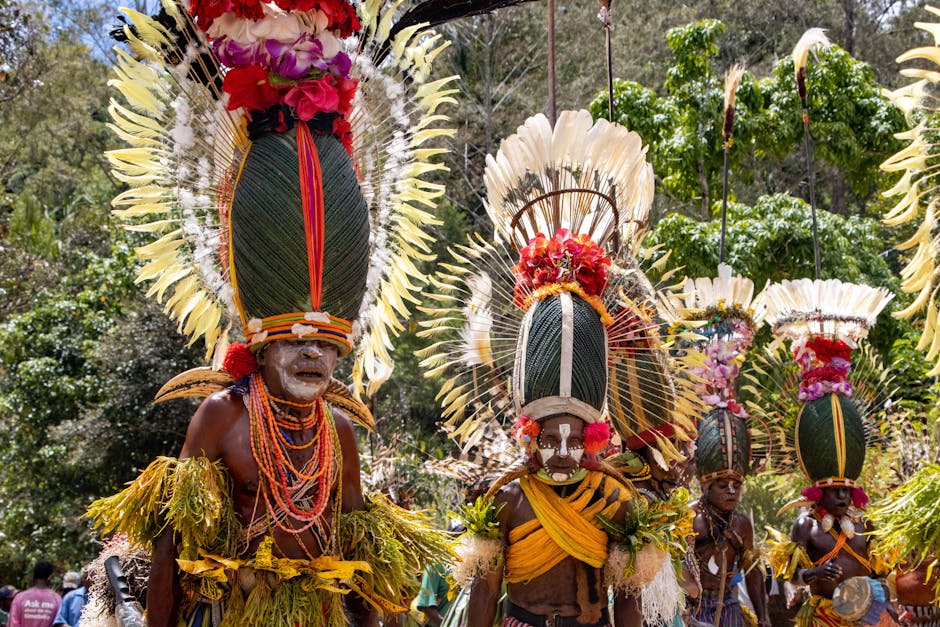
Colorful tribal dancers in traditional attire at a cultural festival in Pap…, Tari’s Pacific, Papua New Guinea
Money-Saving Tips Specific to Tari’s Pacific
- Carry Small Denomination Kina Notes: Breaking a 50 Kina note can be impossible in the market. Stock up on 5, 10, and 20 Kina notes in Port Moresby. This also makes small purchases and donations easier.
- Learn Three Tok Pisin Phrases: “Tenkyu” (Thank you), “Em hamas?” (How much is it?), and “Mi laik baim” (I would like to buy). This shows respect and can prevent being quoted a “tourist price,” saving you a few Kina on every transaction.
- Pack a Water Filter Bottle: Bottled water is expensive and plastic waste is a problem. A filter bottle (like a Grayl or Lifestraw) allows you to safely drink tap or stream water, saving you $3-$5 daily.
- Bring Trade Items, Not Just Cash: Locals recommend small, useful items as gifts or for trade: strong fishing line, tobacco, razor blades, or seeds for vegetables. These can be more valued than cash for small favors or photos, but always offer discreetly and respectfully.
- Travel in the Shoulder Season (April-May or October): You’ll avoid the peak birding and festival crowds. Guesthouses are more likely to have space and may offer slightly better rates, and the weather is still good for hiking.
Is Tari’s Pacific, Papua New Guinea Worth It on a Budget?
Absolutely, but with clear expectations. By going cheap, you miss the curated comfort of guided luxury lodges and guaranteed cultural performances on demand. Your experience will be more spontaneous, self-directed, and subject to the rhythms of local life and weather. You might have cold showers, simple food, and moments of confusion. However, what you gain is unparalleled: raw, unfiltered access to one of the world’s most iconic living cultures. The value is not in luxury, but in authenticity. For the price of a nice dinner back home, you can fund a day of profound human connection in Tari. Compared to packaged cultural tours elsewhere in the Pacific, Tari on a budget offers a deeper, more genuine adventure. Your patience and respect will be your greatest assets. Pack your sense of wonder, leave your expectations at the airstrip, and prepare for an experience that will redefine what “value” means in travel.

Dancers in traditional Papuan attire performing under night lights in Jayapura, Tari’s Pacific, Papua New Guinea

