
Tari, Papua New Guinea for Adventurers: Trekking the Highlands Where Every Path is a Living Museum (2026)
Your boots sink into the black, volcanic mud of the Tari Gap as a cold mist swirls, revealing and then swallowing the razor-edge ridges of the Southern Highlands. At 2,500 meters, the air is thin and sharp. You’re not on a marked path; you’re following a network of ancient trade routes, your Huli guide moving silently ahead. The adrenaline isn’t from height alone, but from the profound sense of stepping into a living, breathing world few outsiders ever witness.
The Main Event: The Tari Gap High-Altitude Trek
This isn’t a casual day hike. The Tari Gap trek is a multi-day, high-altitude adventure that connects remote Huli wigmen villages via trails used for centuries. Your journey typically starts from the Ambua Lodge area, with a pre-dawn departure to catch the sunrise over the Gap. A full traverse takes 3-4 days, covering roughly 40-50 kilometers of challenging terrain. You’ll face steep ascents to over 2,700 meters, river crossings on slippery logs, and sections of dense, moss-covered rainforest. The difficulty is Hard, due to altitude, unpredictable weather, and the sheer physical demand. Costs vary, but budgeting PGK 800-1200 (approx. $220-$330 USD) per person for a licensed guide, porter, and village stay fees is standard. Your best bet is to start early each day, as afternoon cloud cover and rain are almost guaranteed.
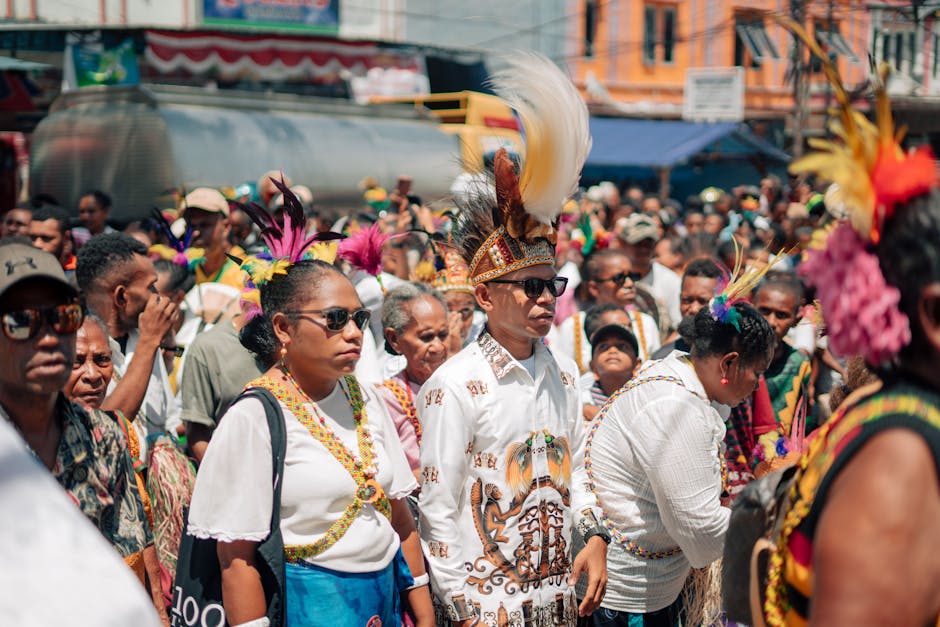
You must be self-sufficient. Pack a quality sleeping bag rated for near-freezing temperatures, a reliable headlamp, broken-in waterproof hiking boots, and water purification tablets. Porters can be arranged to carry the bulk of your gear. The insider tip? Seasoned travelers know to bring small, meaningful gifts for village chiefs—not money, but items like salt, tobacco, or simple tools. This gesture of respect, learned from the locals, opens doors and fosters genuine connection. The reward is unparalleled: waking up in a spirit house, sharing a meal of kaukau (sweet potato) and pit-pit (a local vegetable), and witnessing the morning ritual of the wigmen applying their iconic yellow ochre and donning their elaborate wigs crafted from human hair.
Activity #1: Tagari River Whitewater Rafting
For a heart-pounding water adventure, you’ll find few experiences as raw and exhilarating as rafting the Tagari River. This isn’t a sanitized, commercial operation; it’s a true wilderness run through the heart of Huli territory. Trips are organized through lodges like Ambua Lodge or Rondon Ridge, who contract with local expert guides. You’ll typically depart Tari by 4WD at 6:00 AM for the put-in point, with the rafting itself lasting 4-6 hours through Class III and IV rapids, depending on the season. The cost, around PGK 600, includes all gear, transport, and a picnic lunch. You’ll navigate churning brown water, past riverbanks where locals fish with hand-woven nets, and under canopies echoing with birdcalls. The key is to go in the drier months (June-September) when water levels are manageable but still thrilling. Always listen to your guide’s commands—they know every rock and rapid on this untamed river.
Activity #2: Bird of Paradise Morning Vigil
Adventure in Tari isn’t always about brute force; it requires patience and a keen eye. The Highlands are a world-renowned hotspot for birds of paradise, and a pre-dawn vigil to witness their spectacular displays is a must. Your guide will take you to a known lek (display ground) in the forest near Tari, often on the property of a local landowner. You need to be in position, silent and still, by 5:30 AM as the forest awakens. For PGK 100-150, you have a high chance of seeing the magnificent Raggiana Bird of Paradise, or even the elusive King of Saxony bird with its extraordinary head plumes. The sound of their otherworldly calls and the flash of crimson plumage in the misty canopy is pure magic. Locals recommend using a local guide from the Papua New Guinea Birding Society; they know the exact trees and their intimate knowledge dramatically increases your chances of a sighting.
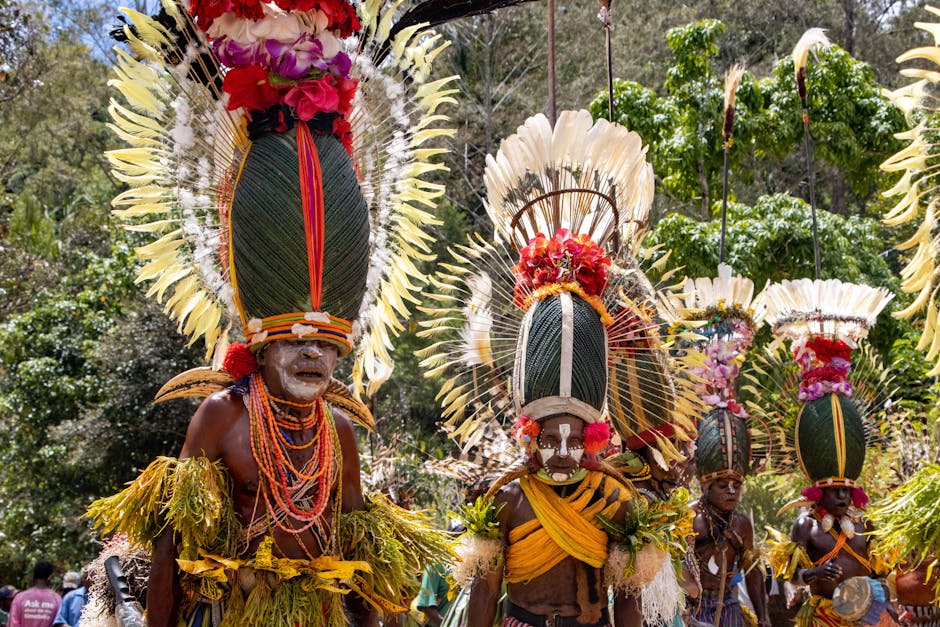
Colorful tribal dancers in traditional attire at a cultural festival in Pap…, Tari’s Traditions, Papua New Guinea
Refuel: Where Adventurers Eat
After a day on the trails, you’ll crave hearty, warming food. In Tari, dining is often tied to your lodge, but savvy visitors know a few spots. At Ambua Lodge’s Dining Room, you’ll find exceptional highland cuisine with a view. Plan to spend about PGK 120 for a dinner of buffalo stew with locally grown vegetables. It’s the perfect spot to share stories with other travelers. For a more local experience, ask your guide to arrange a meal at Mama’s Kitchen in Tari town—a simple, family-run spot where for PGK 25 you can get a massive plate of rice, kaukau, and stir-fried greens. Locals recommend the sweet pineapple here, which is famously juicy. If you’re staying at Rondon Ridge, their bar is the place for a post-trek South Pacific lager (PGK 15) while watching the clouds roll in over the endless valleys below.
Base Camp: Where to Stay
Your choice of accommodation is crucial for an active trip. Ambua Lodge is the classic adventurer’s base, with individual rondavels perched on the edge of the Tari Valley. They organize most major treks and activities, have gear storage, and provide early breakfasts for dawn departures. Rondon Ridge, at 2,150 meters, offers stunning panoramic views and a focus on birding, with expert guides on staff. For the truly intrepid, village homestays can be arranged through guides, offering the most authentic (and basic) immersion. Most bookings are handled directly via lodge websites or through specialized PNG tour operators, but you can check availability on platforms like Booking.com for some properties.

A senior woman stands smiling amidst vibrant traditional Papua New Guinean …, Tari’s Traditions, Papua New Guinea
Gear & Prep Checklist
- Waterproof, ankle-supporting hiking boots: The mud is relentless. Break them in thoroughly.
- High-quality rain jacket and quick-dry layers: The weather shifts from sun to torrential rain in minutes.
- Headlamp with extra batteries: Essential for village stays and early morning starts.
- Fitness requirement: You should be in good physical condition, capable of hiking 6-8 hours with elevation gain on consecutive days.
- Safety consideration: Malaria is present. You must consult a travel doctor for prophylaxis. Also, travel insurance with medical evacuation is non-negotiable.
Getting There & Around
- Flights: You’ll fly into Port Moresby (POM) from international hubs. From there, take an Air Niugini or PNG Air domestic flight to Tari (TIZ). The flight over the Highlands is an adventure in itself. Book at Skyscanner.
- Local Transport: There are no rental cars. All transfers and activity transport are via 4WD vehicles arranged by your lodge or guide. The roads are rough, so embrace the bumpy ride.
- Best Season: The dry(er) season from May to October offers the most reliable trekking and rafting conditions, with clearer skies and less intense rainfall.

Dancers in traditional Papuan attire performing under night lights in Jayapura, Tari’s Traditions, Papua New Guinea
Is Tari’s Traditions, Papua New Guinea Worth It?
This is not a destination for luxury seekers or those who need constant connectivity. Tari is for the adventurer who finds fuel in raw, unfiltered experience, who values cultural depth over comfort. You will work hard, get muddy, and be challenged. But in return, you’ll witness traditions that have remained largely unchanged for centuries, in landscapes of staggering beauty. Compared to the well-trodden trails of Nepal or Peru, Tari offers a profound sense of discovery and authenticity. If your idea of adventure includes connecting with one of the world’s last truly unique cultures amidst breathtaking highland scenery, then Tari is not just worth it—it’s unforgettable. Your best bet is to go with an open mind, immense respect, and a readiness for the journey of a lifetime.

