
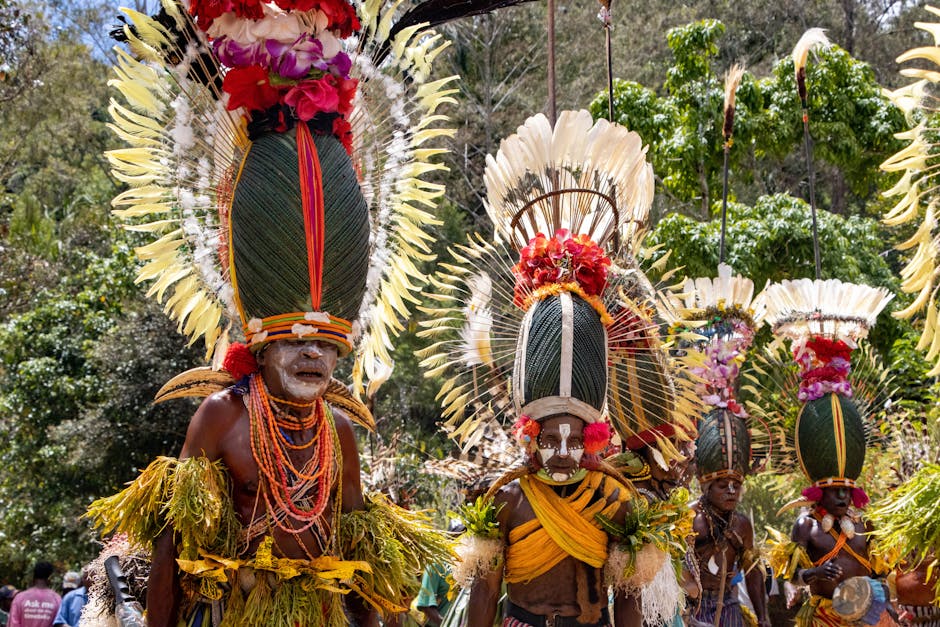
Tari, Papua New Guinea: Culture, Birds & Highland Spirit (2026)
Ask locals about Tari’s Valley, Papua New Guinea, and they’ll tell you about the morning chorus of the Raggiana bird-of-paradise, a sound so specific to these highlands it’s woven into clan myths. Most guidebooks miss this completely, focusing only on the famous Huli Wigmen. Yet, for the few hundred intrepid travelers who venture here annually, the real magic lies in the symphony of birdsong at dawn, the mist clinging to 2,500-meter peaks, and witnessing cultural traditions that have defied the modern world for centuries.
Why Tari’s Valley, Papua New Guinea Stands Out
- Historic Architecture: The traditional Huli “haus man” (men’s house), a towering thatched structure built from forest materials using techniques unchanged for 1,000 years, serves as the social and spiritual heart of a clan.
- Cultural Scene: The annual Huli Wigmen Festival, a gathering where clans showcase elaborate wigs made from human hair, vibrant face and body paint, and perform mesmerizing sing-sings (ceremonial dances) to tell ancestral stories.
- Local Specialties: “Mumu,” a celebratory feast where pork, sweet potatoes, and greens are slow-cooked for hours in an underground oven lined with hot stones and banana leaves, creating uniquely smoky, tender flavors.
Pro Tip: Your absolute best window for visiting is during the drier months from June to September. Not only are the hiking trails passable, but this period also coincides with major cultural shows and festivals. For the most authentic experience, plan your trip to avoid the large, scheduled “cultural show” days in nearby towns and seek out village visits through a reputable local guide.
Map of Tari’s Valley, Papua New Guinea
Use these interactive maps to explore Tari’s Valley, Papua New Guinea and plan your route:
📍 View Tari’s Valley, Papua New Guinea on OpenStreetMap
🗺️ Open Tari’s Valley, Papua New Guinea in Google Maps
Planning Your Trip: Practical Essentials

Tranquil coastal view featuring waves, lush greenery, and a vibrant sunset sky., Tari’s Valley, Papua New Guinea
Getting There and Around
- By Air: Tari is served by the Tari Airport (TIZ). You’ll typically fly from Port Moresby (Jackson’s International, POM) on Air Niugini or PNG Air. Flights are weather-dependent and schedules change frequently. Book flights at Skyscanner for best deals, but always confirm directly with the airline.
- By Train: There are no train services in the Papua New Guinea highlands. All long-distance travel is by air or on challenging road networks.
- By Car: Driving is not recommended for visitors. The Highlands Highway to Tari is an arduous, often dangerous journey best left to experienced local drivers. If you require a 4×4 and driver, this must be arranged through your lodge or tour operator well in advance. Compare car rentals at RentalCars.com for use elsewhere in PNG, but not for Tari.
- Local Transport: Your primary mode of transport will be walking or traveling in a vehicle arranged by your guide or lodge. Public motor vehicles (PMVs) are crowded minibuses used by locals but are not practical or safe for tourists with luggage.
Best Time to Visit
The climate in Tari is tropical highland, meaning it’s cooler than the coast but receives significant rainfall. Timing your visit is crucial for accessibility and cultural immersion.
| Season | Weather | Highlights |
|---|---|---|
| Dry Season (Jun-Sept) | Days: 18-25°C (64-77°F), sunny mornings, cooler nights. Low rainfall. | Optimal trekking, clear skies for photography, major cultural festivals. Peak season for tourism. |
| Wet Season (Dec-Mar) | Days: 17-23°C (63-73°F), heavy, daily rainfall. High humidity. | Lush, vibrant greenery, fewer visitors. Trekking can be difficult or impossible due to mudslides. |
| Shoulder (Apr-May/Oct-Nov) | Unpredictable mix of sun and rain. Moderate temperatures. | Good balance of decent weather and smaller crowds. A gamble that can pay off beautifully. |
Budgeting for Tari’s Valley, Papua New Guinea
| Category | Budget | Mid-range | Luxury |
|---|---|---|---|
| Accommodation | Basic guesthouse: PGK 150-250/night ($40-70 USD) | Comfortable lodge with meals: PGK 600-900/night ($160-240 USD) | All-inclusive cultural lodge: PGK 1200+/night ($320+ USD) |
| Meals | Local market food & guesthouse meals: PGK 30-50/day ($8-13 USD) | Lodge-included meals or local restaurant: PGK 80-120/day ($21-32 USD) | All meals included at premium lodge |
| Transport | Walking & arranged PMV trips: PGK 20-50/day ($5-13 USD) | Private 4×4 & driver through lodge: PGK 200-400/day ($53-106 USD) | Full private vehicle and guide dedicated to your itinerary |
| Activities | Self-guided village walks (with permission): Donation PGK 20-50 | Guided day tours & cultural shows: PGK 150-300/day ($40-80 USD) | Multi-day guided treks, exclusive clan ceremonies: PGK 500+/day ($133+ USD) |
| Daily Total | PGK 220-370 ($58-98 USD) | PGK 1030-1720 ($273-456 USD) | PGK 1900+ ($504+ USD) |
Note: PGK = Papua New Guinea Kina. Almost everything in Tari must be paid for in cash.
Top Attractions and Must-See Sights

Tribal warrior with body paint and bow in Jayapura’s lush jungle., Tari’s Valley, Papua New Guinea
| Attraction | Description | Hours | Entry Fee |
|---|---|---|---|
| Huli Wigmen Cultural Immersion | Spend a day with a Huli clan learning about wig cultivation, traditional paint, and ancestral stories. | Arranged by guide, typically 8 AM – 3 PM | PGK 150-250 ($40-65 USD) including guide & clan donation |
| Tari Basin Birdwatching | Guided trek to spot 13+ species of Birds-of-Paradise, including the magnificent Raggiana and King of Saxony. | Dawn starts (5:30 AM) for best viewing | PGK 200-350 ($53-93 USD) for guide and transport |
| Traditional “Mumu” Feast Preparation | Participate in creating this underground oven feast, from digging the pit to sharing the meal with villagers. | Full-day activity, often for special occasions | PGK 100-200 ($27-53 USD) as contribution for food |
| Ambua Lodge Lookout Hike | Self-guided hike offering panoramic views over the entire Tari Valley and surrounding mountain ranges. | Daylight hours | Free for lodge guests; small donation if visiting |
3-Day Itinerary: Highlights & Hidden Gems of Tari’s Valley, Papua New Guinea
Day 1: Immersion with the Huli Wigmen
- Morning: Your guide will pick you up at 7:30 AM for a visit to a Huli clan settlement. You’ll witness the meticulous process of wig-making—a sacred art where men grow their hair for up to 18 months in a circular, cane-framed hat. Respectfully ask before taking any photos.
- Afternoon: Learn about the symbolic body paint (yellow clay from sacred rivers, red ochre) and watch a powerful sing-sing performance. Enjoy a shared lunch of roasted sweet potato and greens prepared by the clan.
- Evening: Return to your lodge by 4 PM. Relax on the deck as the mist rolls in, followed by a hearty lodge dinner featuring local Highlands vegetables.
Day 2: In Pursuit of Paradise
- Morning: Pre-dawn start (5:00 AM) with a packed breakfast for a birdwatching trek (PGK 250). Your expert guide will lead you to hides to spot the surreal displays of the Lawes’s Parotia and Superb Bird-of-paradise. The silence is broken only by their otherworldly calls.
- Afternoon: Visit the Tari market (open until 2 PM), a bustling hub where locals trade produce, bilums (woven bags), and crafts. It’s a photographer’s dream, but always ask permission. Have a simple lunch at a market stall.
- Evening: Attend a storytelling session at your lodge, where a local elder might share legends of the sky people and the origin of the Huli clans.
Day 3: Village Life & Farewell Feast
- Morning: Take a gentler hike (PGK 100 for guide) to a nearby village less frequented by tourists. You’ll see daily life: women weaving bilums, children playing, and the impressive “haus man.” Bring small gifts like pencils or soap for children, offered through your guide.
- Afternoon: Participate in preparing a farewell “mumu.” Help wrap food in banana leaves and learn the significance of each ingredient. This is a profound honor and a true cultural exchange.
- Evening: Share the mumu feast with your hosts and guides. This is a celebratory, communal end to your journey into the highlands.
Cultural Insights & Etiquette
- Language: Tok Pisin is the lingua franca. Key phrases: “Gude” (Hello), “Tenkyu” (Thank you), “Mi laik kisim piksa?” (May I take a photo?). Most Huli men in contact with tourism speak basic English.
- Customs: Never walk between people who are conversing. Always receive items with your right hand. When entering a village, wait at the edge for someone to greet you; never just walk in. Avoid public displays of affection.
- Tipping: Not a traditional practice, but a sincere “thank you” and a small gift (like tobacco for older men) or cash tip for exceptional guides (PGK 20-50) is greatly appreciated.
- Dress Code: Modesty is key. Women should wear knee-length skirts or dresses (not trousers) and cover shoulders. Men should avoid shorts and wear trousers or knee-length modest shorts. This shows respect for local sensibilities.
- Business Hours: Government hours are 7:45 AM to 4 PM weekdays. Markets operate from early morning until mid-afternoon. Sunday is a day of rest and church; plan no activities.
Where to Eat: The Best Bites in Tari’s Valley, Papua New Guinea

Dancers in traditional Papuan attire performing under night lights in Jayapura, Tari’s Valley, Papua New Guinea
Dining in Tari is almost exclusively tied to your accommodation. There are no standalone restaurants as you’d find in a city. The culinary experience is about the traditional “mumu” and the hearty, simple meals prepared by lodges using local ingredients like kaukau (sweet potato), taro, greens, and Highlands pork or chicken.
Must-Try Local Specialties
- Mumu: The definitive Highlands feast. Pork, sweet potato, pumpkin, and greens are layered with aromatic leaves and cooked for hours in a stone-lined pit. The result is incredibly tender, smoky, and flavorful. You must arrange this through your lodge or guide.
- Kaukau (Sweet Potato): The staple carbohydrate, often roasted over an open fire. Locals recommend trying the deep purple-fleshed varieties for their unique, nutty sweetness.
- Pitpit with Coconut: A wild, sugarcane-like vegetable often cooked with coconut milk. You’ll find it as a side dish at lodges or in village meals.
Restaurant Recommendations by Budget
| Type | Restaurant | Specialty | Price Range |
|---|---|---|---|
| Lodge Dining | Ambua Lodge Dining Room | Hearty buffet-style meals with European and local Highlands cuisine, stunning valley views. | Meals included in lodge rate (~PGK 600+/night) |
| Lodge Dining | Tari Gap Lodge Restaurant | Simple, filling meals for guests, often featuring fresh local vegetables and chicken dishes. | Meals included or PGK 50-80 per meal |
| Cultural Experience | Village-Prepared Mumu | The authentic, celebratory underground oven feast arranged through a guide. | PGK 100-200 per person as contribution |
Where to Stay
Accommodation in Tari ranges from very basic guesthouses to internationally renowned eco-lodges. Your choice of lodge will define your experience, as they provide guides, transport, and cultural access. Compare prices and book at Booking.com for some options, but many lodges require direct booking via their websites or tour operators.
Best Areas for Accommodation
- Ambua Lodge Area: Perched on the rim of the Tari Valley at 2,100 meters. The character is pure eco-luxury with breathtaking views. It suits travelers seeking comfort, exceptional birdwatching, and expertly guided cultural tours. It’s remote and quiet.
- Near Tari Town (Tari Gap): This area offers more basic lodges like Tari Gap Lodge. The pros are proximity to the airstrip and market, with simpler, more affordable options. It suits budget-conscious travelers and independent photographers. The cons are fewer amenities.
- Homestay/Village Stay: For the ultimate immersion, some guides can arrange a night in a village (often in a separate guest hut). This suits the most adventurous travelers seeking deep cultural connection. Conditions are very basic (no running water, shared pit toilets).
FAQs: Your Tari’s Valley, Papua New Guinea Questions Answered
1. Is Tari’s Valley, Papua New Guinea safe at night?
Tari is generally safe for visitors who are with a guide or staying at a recognized lodge. However, you should not walk around alone at night. Tribal tensions (referred to locally as “raskolism”) can flare up, but these almost never involve tourists who are with a local guide. Your lodge will advise you on current conditions. Always stay within lodge grounds after dark.
2. What currency is used and are credit cards accepted?
The currency is the Papua New Guinea Kina (PGK). You must bring enough cash (in small denominations: PGK 5, 10, 20, 50 notes) for your entire stay in Tari. Credit cards are NOT accepted anywhere in the valley, not even at the higher-end lodges. There are no ATMs. Exchange money in Port Moresby before you fly in.

