
Surkhandarya, Uzbekistan (2026)
While crowds flock to the Registan in Samarkand, Surkhandarya, Uzbekistan delivers a raw, unfiltered Silk Road experience without the tour buses. Here, you can stand alone in the echoing chambers of a 2,000-year-old Buddhist monastery, soak in a 40°C thermal spring used by caravans for centuries, and trace petroglyphs left by Saka tribesmen over 5,000 years ago. This is Uzbekistan’s deep south, where history isn’t curated—it’s lived in the landscape.
Why Surkhandarya, Uzbekistan Stands Out
- Historic Architecture: The 1st-3rd century CE Buddhist monastery complex at Karatepa, part of the Termez Archaeological Museum, showcases the region’s pre-Islamic Buddhist past along the Silk Road.
- Cultural Scene: The annual Boysun Bahori spring festival in the Boysun District, recognized by UNESCO as a “Masterpiece of the Oral and Intangible Heritage of Humanity,” features ancient music, dance, and wrestling.
- Local Specialties: You must try Surkhandarya’s distinctive version of shashlik, often made with young camel meat and marinated in local spices and pomegranate juice.
Pro Tip: Visit in late September or early October. The scorching summer heat (which can exceed 45°C) has passed, the Boysun harvest festivals are in full swing, and you’ll have sites like the Kirk Kiz Fortress almost entirely to yourself before the mild winter sets in.
Map of Surkhandarya, Uzbekistan
Use these interactive maps to explore Surkhandarya, Uzbekistan and plan your route:
📍 View Surkhandarya, Uzbekistan on OpenStreetMap
🗺️ Open Surkhandarya, Uzbekistan in Google Maps
Planning Your Trip: Practical Essentials

A view of the historic entrance to the Ark Fortress, Surkhandarya, Uzbekistan
Getting There and Around
- By Air: Termez Airport (TMJ) has regular flights from Tashkent on Uzbekistan Airways (approx. 1.5 hours). A taxi to the city center costs about 20,000 UZS ($1.60). Book flights at Skyscanner for best deals.
- By Train: The overnight train from Tashkent to Termez is a classic journey (15-17 hours). Opt for a 2-berth “SV” compartment for comfort. Reserve tickets at Trainline or the national railway website.
- By Car: Driving from Samarkand takes 5-6 hours via the M39. Roads are decent, but renting a car with a driver is recommended and costs ~$60/day. Compare car rentals at RentalCars.com.
- Local Transport: In Termez, use shared taxis (“marshrutkas”) for short trips (2,000-3,000 UZS). For outlying sites, hire a private taxi for the day (approx. $40-50). Check official city transport websites for passes and schedules.
Best Time to Visit
The climate is sharply continental. Your timing dramatically affects your experience, with spring and autumn offering the ideal balance of pleasant weather and cultural activity.
| Season | Weather | Highlights |
|---|---|---|
| Summer (Jun-Aug) | Extremely hot and dry, 35°C to 45°C+ | Few tourists; good for very early morning site visits; indoor museums are comfortable. |
| Winter (Dec-Feb) | Cool and damp, 5°C to 10°C, occasional rain | Atmospheric, misty landscapes; the Chashma Complex thermal springs are wonderfully warm; very few visitors. |
| Shoulder (Apr-May/Sep-Oct) | Pleasant and mild, 18°C to 28°C, sunny | Perfect for extensive outdoor exploration; festivals occur; ideal for hiking in the Boysun Mountains. |
Budgeting for Surkhandarya, Uzbekistan
| Category | Budget | Mid-range | Luxury |
|---|---|---|---|
| Accommodation | Hostel/Guesthouse: 150,000-200,000 UZS ($12-$16) | Local Hotel: 400,000-600,000 UZS ($32-$48) | Best Hotel in Termez: 800,000+ UZS ($64+) |
| Meals | Teahouse/Street Food: 30,000-50,000 UZS ($2.50-$4) | Local Restaurant: 70,000-100,000 UZS ($6-$8) | Fine Dining (limited): 150,000+ UZS ($12+) |
| Transport | Marshrutkas/Taxis: 20,000 UZS/day ($1.60) | Private Day Taxi: 500,000 UZS ($40) | Private Car & Driver: 750,000+ UZS ($60+) |
| Activities | Many sites under 30,000 UZS ($2.50) | Guided Tours: 200,000 UZS ($16) | Multi-day Custom Tours |
| Daily Total | 200,000-300,000 UZS ($16-$24) | 1,200,000-1,500,000 UZS ($96-$120) | 2,000,000+ UZS ($160+) |
Top Attractions and Must-See Sights

Stunning view of Islamic architecture in Tashkent, Surkhandarya, Uzbekistan
| Attraction | Description | Hours | Entry Fee |
|---|---|---|---|
| Termez Archaeological Museum | Houses stunning Greco-Buddhist artifacts from the ancient Kushan Empire, including a remarkable Buddha statue from Fayaz Tepe. | 9 AM – 5 PM (Closed Mon) | 30,000 UZS |
| Fayaz Tepe Buddhist Monastery | A beautifully preserved 1st-3rd century CE complex with stupa bases, meditation cells, and stunning wall frescoes. | Sunrise to Sunset | 25,000 UZS |
| Sultan Saodat Ensemble | A majestic 10th-17th century mausoleum complex for the Termez sayyids, showcasing centuries of architectural evolution. | 9 AM – 6 PM | 20,000 UZS |
| Kirk Kiz Fortress | A mysterious 9th-century caravanserai fortress shrouded in legend, offering panoramic views of the Amu Darya plains. | Sunrise to Sunset | 15,000 UZS |
3-Day Itinerary: Highlights & Hidden Gems of Surkhandarya, Uzbekistan
Day 1: Ancient Termez & Buddhist Legacy
- Morning: Start at the Termez Archaeological Museum at 9 AM to contextualize your visit. Don’t miss the alcove holding the Fayaz Tepe Buddha.
- Afternoon: Visit the Fayaz Tepe and Karatepa Buddhist complexes. For lunch, head to Caravan Saray Restaurant near the museum for laghman noodles.
- Evening: Stroll along the Amu Darya riverfront at sunset, then enjoy dinner at Atlas Restaurant for their grilled sturgeon.
Day 2: Fortresses & Sacred Springs
- Morning: Hire a taxi ($40) to Kirk Kiz Fortress. Explore the sprawling ruins—the silence here is profound.
- Afternoon: Visit the nearby Zurmala Tower, a surviving stupa from the 1st century CE. Have a picnic lunch bought from Termez bazaar.
- Evening: Experience the Chashma Complex, a sacred Islamic site built around a thermal spring. Locals believe the waters have healing properties.
Day 3: Petroglyphs & Mountain Culture
- Morning: Take a guided tour (approx. $50 per person) to the Boysun District. The 2-hour drive winds into stunning mountains.
- Afternoon: Hike to the Sarmishsay Petroglyph Canyon to see over 10,000 rock carvings. Enjoy a home-cooked lunch with a local family in Boysun.
- Evening: Return to Termez. For a final meal, seek out a chaikhana (teahouse) for plov and green tea, the true local way.
Cultural Insights & Etiquette
- Language: Uzbek is official; Russian is widely spoken. Learn “Assalomu alaykum” (hello), “Rahmat” (thank you), and “Qancha?” (how much?). English is limited outside hotels.
- Customs: Always remove your shoes before entering a home. When greeting, a handshake is common, but wait for a woman to offer her hand first. Use your right hand for eating and giving/receiving items.
- Tipping: Not traditionally expected but appreciated in restaurants (5-10%). For private drivers or guides, 5-10% of the day’s rate is a good gesture.
- Dress Code: Conservative dress is respectful, especially at religious sites. Cover shoulders and knees. Light, loose cotton is ideal for the heat.
- Business Hours: Shops: 9 AM – 6 PM, often closed 1-2 PM for lunch. Museums close Mondays. Friday is the Muslim holy day, but most businesses operate.
Where to Eat: The Best Bites in Surkhandarya, Uzbekistan

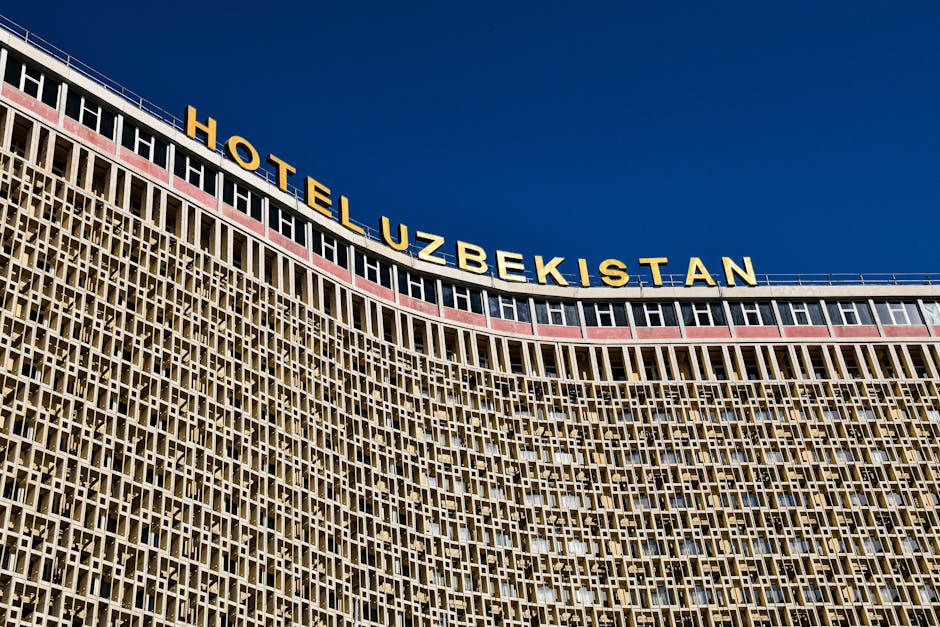
A striking view of the Hotel Uzbekistan facade under a clear blue sky., Surkhandarya, Uzbekistan
Dining here is hearty and centered around shared dishes. Travelers discover that the best meals are often in unassuming chaikhanas (teahouses) or family homes. Meat, bread (non), and rice are staples, with Surkhandarya’s cuisine influenced by its Afghan and Tajik neighbors.
Must-Try Local Specialties
- Surkhandarya Shashlik: Distinct for its use of camel or veal and pomegranate marinade. Try it at the open-air grills near the Termez bazaar.
- Shivit Oshi: A Khorezm dish found here, it’s dill-paste noodles served with meat and yogurt. Ask for it at traditional restaurants like Meros.
- Boysun Halva: A dense, nut-based sweet unique to the mountain region, often sold at local markets and festivals.
Restaurant Recommendations by Budget
| Type | Restaurant | Specialty | Price Range |
|---|---|---|---|
| Budget | Termez Central Bazaar Stalls | Fresh samsas, plov, and shashlik cooked over coal | 10,000-25,000 UZS |
| Mid-range | Caravan Saray Restaurant (Navoi St.) | Regional dishes in a themed setting; great laghman | 50,000-80,000 UZS |
| Fine dining | Atlas Restaurant (Hotel Atlas) | The best international and local cuisine in town; river views | 100,000-150,000 UZS |
Where to Stay
Most accommodations are in Termez, the regional capital. Options range from Soviet-era hotels to newer, modest guesthouses. For a unique experience, savvy visitors arrange homestays in the Boysun mountains through local tour operators. Compare prices and book at Booking.com or Airbnb for apartments.
Best Neighborhoods for Accommodation
- City Center (Near Navoi St.): Convenient for restaurants, the museum, and transport hubs. Hotels like “Meridian” are located here. Can be noisy.
- Amu Darya Riverfront: Offers quieter stays with pleasant views. The “Atlas” hotel is here. Slightly removed from the main action.
- Boysun District Villages: For immersive cultural experience. Basic homestays offer incredible hospitality and mountain access. Requires planning.
FAQs: Your Surkhandarya, Uzbekistan Questions Answered
1. Is Surkhandarya, Uzbekistan safe at night?
Yes, Termez is generally very safe. As in any city, take normal precautions: stick to well-lit areas, avoid displaying valuables, and use registered taxis at night. Locals are hospitable and helpful to visitors.
2. What currency is used and are credit cards accepted?
The Uzbek Som (UZS) is the currency. Carry ample cash, as credit cards are rarely accepted outside major hotels in Termez. ATMs are available but not always reliable. US dollars or Euros in good condition are easy to exchange.
3. How do I get from the airport to the city center?
Termez Airport is small and close to the city. Your options are an unofficial taxi (agree on 20,000 UZS/$1.60 before getting in) or pre-booking a hotel transfer. The journey takes 10-15 minutes. Book airport transfers at GetYourGuide for convenience.
4. Do I need to speak the local language?
It’s not essential but immensely helpful. Learn basic Russian or Uzbek phrases. In hotels and some tourist sites, you’ll find limited English. A translation app or phrasebook is a wise investment.
5. What’s the appropriate dress code?
Modest, lightweight clothing. For men, long trousers and t-shirts are fine. Women should wear loose-fitting clothes that cover shoulders and knees, and carry a scarf for religious sites. Sturdy, comfortable shoes are a must for archaeological sites.
Final Thoughts: Surkhandarya, Uzbekistan Awaits
Surkhandarya offers a profound journey to the layered crossroads of Central Asian history. Here, you aren’t just observing history—you’re walking through the physical remnants of Zoroastrian, Buddhist, and Islamic civilizations that thrived on this arid frontier. It demands a spirit of adventure and rewards you with unparalleled authenticity. Your most lasting memory might be the simple act of sipping tea with a local family in Boysun, surrounded by mountains that have sheltered traditions for millennia. Before the secret gets out, make the journey south.
Frequently Asked Questions About Surkhandarya
Is Surkhandarya worth visiting?
Yes, Surkhandarya offers unique attractions and experiences for travelers.
How many days do I need in Surkhandarya?
2-4 days is ideal for first-time visitors to Surkhandarya.
What is the best time to visit Surkhandarya?
Spring and fall offer the best weather for visiting Surkhandarya.
{“@context”: “https://schema.org”, “@type”: “FAQPage”, “mainEntity”: [{“@type”: “Question”, “name”: “Is Surkhandarya worth visiting?”, “acceptedAnswer”: {“@type”: “Answer”, “text”: “Yes, Surkhandarya offers unique attractions and experiences for travelers.”}}, {“@type”: “Question”, “name”: “How many days in Surkhandarya?”, “acceptedAnswer”: {“@type”: “Answer”, “text”: “2-4 days is ideal for first-time visitors to Surkhandarya.”}}, {“@type”: “Question”, “name”: “Best time to visit Surkhandarya?”, “acceptedAnswer”: {“@type”: “Answer”, “text”: “Spring and fall offer the best weather for visiting Surkhandarya.”}}]}
Ready to Visit Surkhandarya?
Start planning your trip today. Compare hotels, find the best tours, and get insider tips.
Your adventure in Surkhandarya starts here →
Related Guides
Explore more destinations similar to Surkhandarya:

