
Sodo, Ethiopia Weekend: Markets, Mountain Views & The Best Coffee in SNNPR (2026)
The first sound that hits you at dawn is the low rumble of cattle hooves on packed earth, mixed with the high-pitched call to prayer from the small mosque near the main square. Then comes the smell—roasting coffee beans mingled with the sweet, earthy scent of fresh injera cooking on a clay stove. By 6:30 a.m., the Sodo Monday market is already stirring, and you feel the pulse of a town that has traded, prayed, and feasted on this highland ridge for centuries.
Quick Facts Before You Go
- Best Months: October to February—the dry season brings clear skies, cool mornings around 15°C, and perfect visibility for views from Damota Mountain. Avoid June to August when heavy rains turn the red earth roads into slippery rivers.
- Currency: Ethiopian Birr (ETB). One dollar buys roughly 57 birr. Bring cash—ATMs are scarce and unreliable, especially on weekends.
- Language: Wolayttatto is the local tongue, spoken by the Wolayita people. Amharic is widely understood, and English is spoken at hotels and larger shops, but you’ll get far with a smile, a nod, and a few words of greeting: “Ta lo’o” (good morning) and “Galata” (thank you).
- Budget: A budget traveler can manage on 1,200–1,800 birr per day (roughly $21–$32). Mid-range travelers should budget 3,000–4,500 birr daily, covering better accommodation, meals, and a guide for Damota Mountain.
- Getting There: Fly into Arba Minch Airport (about 1 hour 15 minutes from Addis Ababa on Ethiopian Airlines), then take a minibus or private taxi for the 2-hour drive north on the main road. Booking your flights early is wise—use Skyscanner to compare options and snag the best weekend fares.
Day 1: The Sound of the Monday Market & The Taste of Wolayita
You start the morning before the sun fully crests the Great Rift Valley escarpment, drawn by the magnetic pull of Sodo’s legendary Monday market—one of the largest and most authentic in all of SNNPR. Travelers often discover that this is not a tourist show but a living, breathing engine of local life, where Wolayita farmers trade cattle, grain, and handwoven cotton gabis (traditional shawls) under a sea of blue tarps. The air is thick with dust, laughter, and the sharp tang of raw butter being shaped into giant balls for market day.
- Morning (8–11am): Head straight to the Sodo Main Market (free entry; located just off the main Addis–Arba Minch highway). Arrive by 8 a.m. to see the livestock section at its peak—hundreds of humped zebu cattle lowing, their herders bargaining in rapid Wolayttatto. Focus on the spice lane, where pyramids of turmeric, berbere, and dark red mitmita pepper are piled high. Spend 30–45 minutes just wandering; this market is best enjoyed without a fixed plan. Cost: zero, unless you buy spices—a bag of fresh berbere runs about 80 birr.
- Lunch: Walk five minutes from the market to Beza Restaurant (on the road toward Damota). This no-frills spot is where locals go for the real deal. Order kitfo (minced raw beef seasoned with mitmita and clarified butter) served with ayib (fresh farmer’s cheese) and warm kita bread. The kitfo here is exceptional—lean, finely chopped, and melting on your tongue. Cost: 250–300 birr for a generous platter and a bottle of Dashen beer.
- Afternoon (1–5pm): After lunch, you have two perfect options. Option one: visit the Wolayita Museum (entry 50 birr; open until 5 p.m.) located near the post office. This small, dusty museum holds a surprising collection: royal regalia of the Wolayita kings, ancient iron tools, and photographs of the 19th-century resistance leader King Tona, who fought Emperor Menelik II’s expansion in the 1890s. Option two—and savvy visitors prefer this—is a guided walk to Damota Mountain base (hire a guide at the market for 200–300 birr). The trail starts at the edge of town and weaves through fields of enset (false banana), the staple crop of the highlands. Your guide will show you how women ferment the enset pulp into kocho bread, a tradition that dates back over a thousand years. The walk takes about 1.5 hours to reach the first viewpoint—you’ll see the whole Rift Valley spread out like a dusty green carpet.
- Evening: For dinner, head to Gibe Coffee & Restaurant (on the main road, near the bus station). The atmosphere is simple—plastic chairs, fluorescent lights—but the food is sensational. Order doro wat (spicy chicken stew) with a side of gomen (collard greens) and, crucially, a cup of their jebena-brewed coffee. The coffee ceremony, performed at your table, is a ritual: beans are roasted on the spot, ground with a mortar and pestle, and brewed in a black clay pot. The first cup, called aboul, is the strongest. Sip it slowly as the evening cools. Cost: 400–500 birr for a full dinner with coffee.

Sodo, Ethiopia
Day 2: The Monastery on the Ridge & The Last Coffee Ceremony
Sunday morning in Sodo is subdued, with the market shuttered and a quiet calm settling over the town. This is the day to explore the wilder edge of Wolayita—the hills, the monasteries, and the sacred groves that dot the escarpment. Travelers who skip the morning church service are missing one of the most moving experiences in Ethiopia, as the Orthodox chants echo through eucalyptus groves and the faithful gather in white robes.
- Morning (7–10am): Rise early and drive or taxi to Dembi Giyorgis Monastery (located about 12 km northeast of Sodo; a round-trip taxi costs about 800–1,000 birr, including waiting time). This 16th-century church, built during the reign of Emperor Sarsa Dengel, sits on a narrow ridge with dizzying views of the Bilate River valley below. Arrive by 8 a.m. for the Sunday service—the liturgy is sung in Ge’ez, the ancient liturgical language, and the faithful do deep prostrations on the stone floor. Women sit on the left, men on the right, and the air is thick with frankincense smoke. You are welcome to observe quietly from the back; dress modestly (knees and shoulders covered). If you befriend the elderly priest, he might show you the church’s treasures: a 400-year-old processional cross and a faded Bible written on goat skin. Bring a small donation (100 birr is generous).
- Midday (10am–1pm): Return to Sodo town for breakfast at Mama Hawa’s Kitchen (a small stall near the bus station, open until noon). This is the spot for chechebsa—shredded, buttery flatbread served with honey and a dollop of spiced yogurt. Locals recommend eating it with your right hand, tearing off pieces and scooping up the honey. Cost: 60 birr. Insider tip: come at 10:15 a.m. to avoid the post-church rush; by 11:30, the queue snakes down the street.
- Afternoon (1:30–4:30pm): Explore the Wolayita Cultural Village (entrance 100 birr; staff available for informal tours). This living museum, just a 15-minute walk south of the center, features reconstructed traditional homesteads: round tukul huts with thatched roofs, granaries raised on stilts, and a shaded area where local women weave cotton on hand looms. You’ll see the process of making kocho from enset leaves, and if you’re lucky, you can taste freshly grilled bulla (a starchy pancake) with a dollop of raw honey. The village shop sells woven baskets and scarves at fair prices—a small scarf runs about 150 birr. The staff can also arrange a short (20-minute) coffee ceremony for an additional 50 birr, which makes for a lovely early-afternoon pause.
- Final Evening (5–8pm): End your weekend at Rift Valley View Terrace, a rooftop restaurant attached to the Damota Lodge (on the western edge of town, a 10-minute taxi ride from the center). The terrace faces west, and by 5:30 p.m., the sun begins its slow drop toward the Omo Valley, painting the sky in tones of apricot and violet. Order a tela (traditional beer made from sorghum, 20 birr for a tall glass) and share a platter of tibs (sautéed beef with onions and rosemary, 350 birr). The meat comes sizzling on a metal plate, seasoned simply with salt and niter kibbeh (spiced clarified butter). As the stars emerge, you’ll hear the distant sound of drums from a nearby village—a fitting soundtrack to your last night in Sodo.
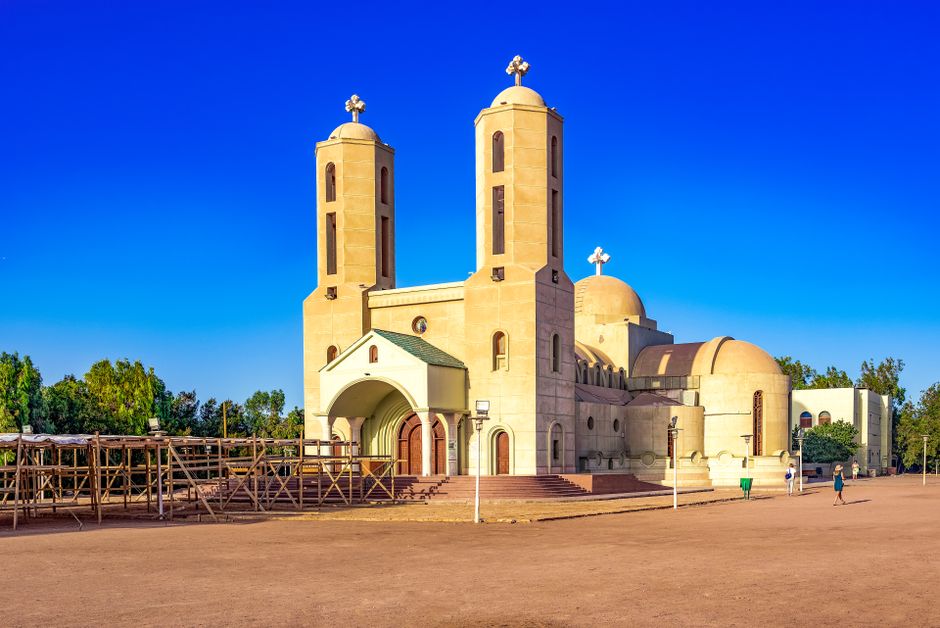
Ethiopian Orthodox church with distinct twin towers under a clear blue sky., Sodo, Ethiopia
The Food You Can’t Miss
Food in Sodo is a conversation with the land. The Wolayita people have cultivated the same highland slopes for more than a millennium, and their cuisine reflects a deep relationship with enset—the false banana plant that is both staple and symbol. Travelers often remark that they’ve never eaten anything quite like kocho: a dense, slightly sour flatbread made from fermented enset pulp, baked on a clay griddle and traditionally served with a ladle of spiced butter and crumbled cheese. You’ll find it at Mama Hawa’s Kitchen for just 40 birr a portion—best eaten for breakfast with a spoonful of honey.
For a heartier meal, you cannot skip kitfo as prepared at Beza Restaurant. Unlike the more famous Addis version, Sodo-style kitfo is coarser and served with a side of ayib (tangy cottage cheese) and kita (a thick, unleavened bread made from barley). The raw beef is tossed in mitmita and clarified butter at your table, and the ritual of mixing it yourself, adjusting the spice level to your taste, makes the experience feel both humble and ceremonial. One platter—generous enough for two—costs 300 birr.
On the street, your best bet is the roasted corn vendors near the bus station, who grill ears of corn over charcoal for 10 birr each. But the real street food gem is bulla—a thin, elastic pancake made from enset starch, often sold from a single wok over a wood fire. Look for the women with small plastic stools near the market entrance; they’ll serve you a warm, folded bulla with a sprinkle of chili salt for 15 birr. It’s chewy, earthy, and utterly unique—a taste of the southern highlands you’ll remember long after you leave.

A captivating view of Gondar, Sodo, Ethiopia
Where to Stay for the Weekend
For a town of its size, Sodo offers a surprising range of lodging, from no-frills guesthouses to comfortable mid-range lodges. The Central District (around the main square and market) is where you’ll find budget options like Sodo Guest House, where a basic private room with a shared bathroom runs 500–700 birr per night. The walls are thin, and the call to prayer will wake you at 5 a.m., but you’re a two-minute walk from the Monday market and the best street food. It’s a choice for travelers who prioritize location and authenticity over comfort.
For a step up, the Damota Lodge (on the western hillside) is the clear favorite among visitors who want views and quiet. Rooms start at 1,800 birr for a double with a private bathroom and a balcony facing the Rift Valley. The lodge has a restaurant, a small garden with coffee plants, and staff who can arrange guides for Damota Mountain or the monastery. The trade-off is that you’re a 15-minute walk (or 50-birr taxi ride) from the town center. Book your stay through Booking.com to lock in rates.
If you prefer a home-stay experience, Wolayita Homestead (listed on Airbnb for around 1,200 birr per night) places you with a local family in a traditional tukul compound. You’ll share meals, learn to cook kocho, and have access to a guide for off-the-beaten-path walks. It’s not luxurious—expect a pit toilet and a bucket shower—but the cultural immersion is unmatched. Most travelers who choose this option say it was the highlight of their trip.
Before You Go: Practical Tips
- Getting Around: Sodo is walkable for the fit—the town center is compact, and the roads are mostly flat. For trips to Damota Mountain, Dembi Giyorgis, or the Rift Valley viewpoint, hire a blue-and-white minibus taxi (called a mini-bus) from the main rank near the bus station. A full-day hire costs 1,200–1,500 birr depending on distance. Negotiate before getting in. For shorter trips within town, bajaj (three-wheeled tuk-tuks) charge 30–50 birr per ride—settle the price before you hop in.
- What to Pack: Bring a warm jacket—mornings and evenings hover around 10–12°C, and the unheated rooms get chilly. A headlamp is essential; power outages are common, and the streets, especially near the market, are poorly lit. Pack modest clothing for churches and monasteries: women should cover shoulders and wear skirts below the knee; men should wear long trousers. Finally, bring small denominations of birr (5, 10, 50 birr notes) for market purchases and tips—vendors rarely have change for 200-birr notes.</

