
Silvassa, India Weekend: Tribal Culture (2026)
You step out of your taxi and the first thing that hits you is the silence — broken only by the rustle of teak leaves and the distant thrum of a boat engine on Dudhni Lake. The air smells of wet earth and simmering masala, a scent that clings to the narrow lanes leading past whitewashed churches and tribal hamlets. This is Silvassa, and you’ve just entered a weekend bubble where time moves at its own unhurried pace.
Quick Facts Before You Go
- Best Months: October to March — the humidity lifts, the skies stay clear, and the wildlife sanctuaries are at their most active. April to June is searingly hot; July to September sees heavy monsoon rains that flood some roads.
- Currency: Indian Rupee (₹). As of early 2025, ₹83 equals roughly US$1. ATMs are plentiful in the main town but scarce near Dudhni Lake.
- Language: Gujarati, Hindi, and Marathi are widely spoken. English is understood at hotels, tourist sites, and nicer restaurants — but travelers find that a few words of Hindi (“dhanyavaad” for thank you) earn genuine smiles.
- Budget: ₹2,500–₹4,000 per person per day for mid-range travel — that covers a decent hotel room, three meals, local transport, and entry fees. Budget travelers can manage on ₹1,500; luxury seekers should budget ₹6,000+.
- Getting There: Fly into Mumbai’s Chhatrapati Shivaji Maharaj International Airport (BOM) — about a 2-hour domestic flight to Surat, then a 2-hour taxi to Silvassa. Most visitors book direct Mumbai–Silvassa taxis (₹3,000–₹4,000, 4 hours). Book flights at Skyscanner.
Day 1: Tribes, Temples & A Lake at Golden Hour
You wake to birdsong and the distant call of a temple bell. Your first morning in Silvassa is best spent easing into the rhythm of this small, surprising town — a place where Portuguese colonial history bumps up against the living traditions of the Warli and Dhodia tribes. By lunchtime you’ll have wandered through a museum that tells stories older than the town itself, and by evening you’ll be watching the sun dissolve into Dudhni Lake, a gin and tonic in hand.
- Morning (8–11am): Start at the Tribal Cultural Museum (entry ₹10, open 9am–5pm closed Mondays). Housed in a charming old bungalow, it displays Warli paintings, tribal masks, musical instruments, and farming tools that date back centuries. Locals recommend spending at least an hour here — the diorama of a tribal wedding is surprisingly moving. Afterwards, walk five minutes to the Church of Our Lady of Piety, built in 1889 by Portuguese missionaries. The faded blue-and-white façade is one of the most photographed spots in town; you’ll find it peaceful before the tour groups arrive around 10am.
- Lunch: Head to Apna Sagar (main road, Silvassa; ₹400–₹600 for two). This unassuming restaurant serves the best Gujarati thali in town — a heaped plate of roti, dal, kadhi, three vegetables, pickle, papad, and a sweet finishing touch like mohanthal or shrikhand. Travelers often order the unlimited thali (₹250 per person) and regret nothing. The staff are cheerful and will refill your bowl of dal before you ask.
- Afternoon (1–5pm): Drive 20 minutes to Vanganga Lake Garden (entry ₹20, ₹10 parking). This manicured lakefront park is a favorite with local families — you’ll see couples posing for photos by the Japanese-style bridge and children chasing peacocks. Rent a paddleboat (₹100 for 30 minutes) and glide past lotus blooms. The garden is at its most photogenic between 2pm and 3pm when the light filters through the banyan trees. Afterward, savvy visitors make the short drive to Bindrabin Temple, a 300-year-old Shiva temple with an intricately carved stone entrance. The resident priest may offer you a sip of chilled buttermilk — accept it humbly. Then head to Satmaliya Deer Park (entry ₹15, open til 5:30pm), a fenced reserve where you can walk among spotted deer and sambar. The deer are habituated but not tame — approach slowly and don’t feed them.
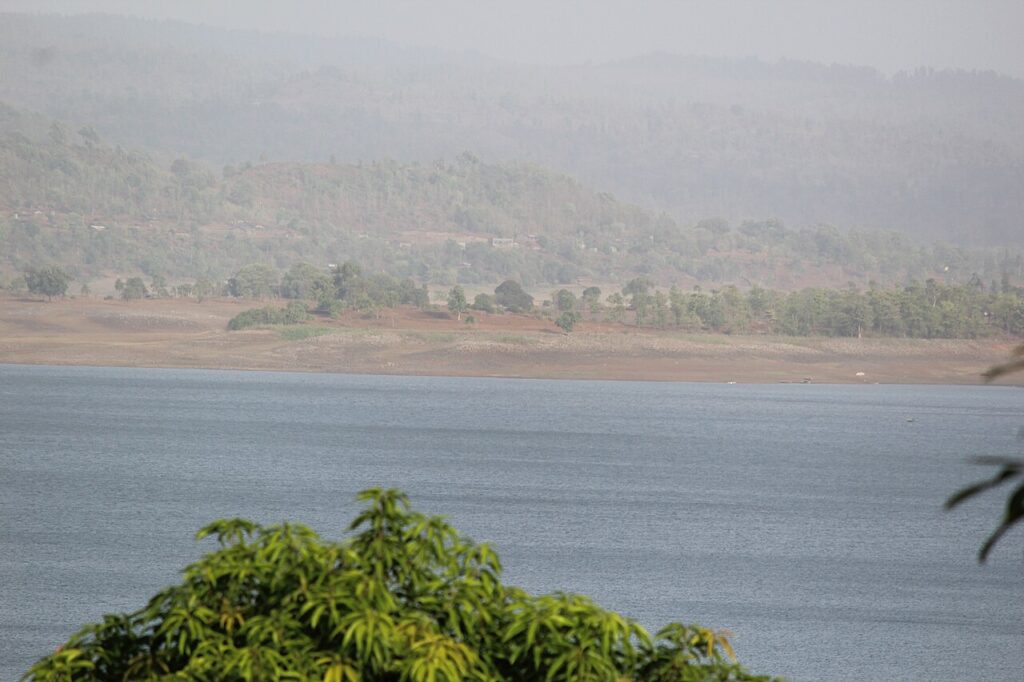
- Evening: At 5:30pm, drive to Dudhni Lake (15 minutes from town). This is Silvassa’s crown jewel — a vast, man-made reservoir ringed by forested hills. Find a spot at Lake View Restaurant (perched on the waterfront; ₹800–₹1,200 for dinner for two). Order the butter garlic prawns and a Kingfisher beer, and watch the sun turn the water from silver to amber to deep violet. The breeze picks up around 6:30pm, so bring a light jacket. Live music sometimes plays on weekends — local musicians strumming old Bollywood numbers. You’ll eat well, linger too long, and drive back to your hotel entirely satisfied.

Beautiful Villa, Silvassa,DNH, Silvassa, India
Day 2: Wildlife, Waterfalls & A Farewell Feast
Your second day belongs to the wild side of Silvassa — and to a last, lingering meal that will have you planning your return before you’ve even left. Travelers often wake early on Day 2, not out of obligation but out of excitement: the morning light in the wildlife sanctuary is something you don’t want to miss.
- Morning (7–10am): Start with breakfast at Hotel Sarang Palace (near the bus stand; ₹150–₹250 for two). The masala dosa is crisp, the filter coffee is strong, and the chai comes in small steel cups that burn your fingers in the best way. Then drive 25 minutes to Lion Safari (entry ₹200 per person + ₹200 for the safari jeep; open 8am–11am and 2pm–5pm; closed Mondays). You’ll ride in an open jeep through a fenced enclosure where Asiatic lions roam. The guides are knowledgeable — ask them about the pride’s history, and they’ll tell you how the sanctuary was established in 2000 with just a handful of animals. The morning safari (book by 7:30am) offers the best chance of seeing the lions active. Most tourists overlook the adjacent Croco Park (same ticket; entry ₹50), a small but well-maintained enclosure with mugger crocodiles basking on the banks. It’s worth 15 minutes.
- Midday (10am–12pm): Drive to Hirwa Van Gardens (entry ₹20), a sprawling botanical garden with labeled trees, a small children’s play area, and a bird hide overlooking a pond. Locals recommend visiting during the dry months (November to February) when migrant birds like the Indian pitta and paradise flycatcher are spotted. You’ll find benches in the shade — sit for a moment and listen to the cicadas. Afterwards, make the short walk to the Mango Garden (free entry), a grove of 200-year-old mango trees that flower spectacularly in February. The trees are massive — their canopies create a natural cathedral of green.
- Afternoon (12–2pm): Explore the Shivaji Market area in central Silvassa. This isn’t a tourist market — it’s where locals buy their vegetables, spices, and household goods. You’ll find stalls selling Warli paintings (₹100–₹500 for small pieces), bamboo baskets (₹80–₹150), and handmade wooden toys. Bargaining is accepted but be respectful. The vendors are friendly and used to curious visitors. Don’t miss the Silvassa Spice Shop (near the main square; open 10am–8pm), where you can buy fresh turmeric, cardamom, and a local spice mix called “Kadai Masala” — you’ll want it for the memories.
- Final Evening (5–8pm): For your farewell dinner, book a table at The Riverside Restaurant (inside the Dadra and Nagar Haveli Tourism complex, Dudhni Lake; ₹1,000–₹1,500 for two). This open-air restaurant sits right on the water, with fairy lights strung between the trees. Order the mutton rogan josh (₹350) — slow-cooked, fragrant, and served with laccha paratha — and the paneer tikka (₹280) for a starter. The dinner crowd is a mix of couples, families, and solo travelers; you’ll find yourself chatting with strangers about the day’s adventures. The meal takes two hours because you won’t want it to end. As you leave, take one last look at the lake — it will look different under the stars, quieter, like a secret you’ve been let in on.

Cars on road near buildings during daytime, Silvassa, India
The Food You Can’t Miss
Silvassa’s food culture is a quiet revelation — a blend of tribal traditions, Gujarati home cooking, and the lingering influence of Portuguese colonization. Travelers often arrive expecting simple fare and leave dreaming of the food. The most surprising dish you’ll encounter is undhiyu, a slow-cooked winter vegetable medley that local tribes make in earthen pots. You’ll find it at Bhagat Restaurant (near the bus stand; ₹180 for a plate) between November and February — the version here uses root vegetables, bananas, and a hint of coconut, and it’s served with fluffy puris. The shop is tiny, with just four tables, but the queue of locals tells you everything.
For street food, you cannot skip the khaman dhokla from Shreeji Snacks (main road, near the post office; ₹40 per plate). The vendor, a Gujarati man named Prakash who has been making dhokla here since 1998, serves it warm, topped with mustard seeds and fresh coriander. It’s so light and spongy you’ll eat two plates. Locals recommend pairing it with a cup of cutting chai — sweet, milky, and served in a small glass that forces you to sip slowly. The best time to go is 4pm, when the fresh batch arrives and the road fills with after-school crowds.
At the fancier end, Woodland Restaurant (near the Circuit House; ₹800–₹1,200 for two) serves a remarkable prawn balchão, a Goan-Portuguese dish of prawns cooked in a fiery vinegar-and-chili sauce. The recipe belongs to the owner’s grandmother, who learned it from a Goan neighbor in the 1970s. It comes with steamed rice and a side of cucumber raita — the coolness cuts the heat perfectly. Pair it with a chilled Sol beer (₹150) and you have a meal that justifies the entire weekend.

Green trees near body of water during daytime, Silvassa, India
Where to Stay for the Weekend
Your choice of accommodation in Silvassa depends entirely on your vibe. Dudhni Lake area is where you’ll want to be if you’re here for tranquility and nature — the lakefront resorts offer hammocks, boat rentals, and stunning sunsets. However, dining options are limited to the resort restaurants, and you’ll need a taxi or your own vehicle to get into town (15 minutes). Budget-conscious travelers will prefer central Silvassa, near the main market and bus stand — you’re within walking distance of restaurants, shops, and the museum, but you’ll hear traffic during the day. The most popular mid-range option here is Hotel Panorama (₹2,000–₹3,500 per night), a clean, friendly hotel with a rooftop terrace where you can eat breakfast overlooking the town. For a splurge, The Sayaji Resort (₹4,500–₹7,000 per night) on the outskirts offers a swimming pool, spa, and manicured gardens — it’s the kind of place where you could happily spend an entire day doing nothing. Check out Booking.com for hotel deals. If you prefer apartment-style stays, Airbnb has a handful of charming homestays in the tribal villages near Dudhni Lake — these are simple but authentic, and the hosts often cook dinner for you.
Before You Go: Practical Tips
- Getting Around: Your best bet is to hire a taxi for the weekend. The Silvassa Taxi Union (stand near the bus station) charges about ₹1,800 per day for a sedan, covering all the main spots. Auto-rickshaws are available for short hops within town — negotiate before boarding, a typical fare is ₹50–₹100 for a 10-minute ride. Driving yourself is easy (roads are good, traffic is light), but note that many rural roads lack streetlights; avoid driving after 8pm near Dudhni Lake.
- What to Pack: 1) A light jacket or shawl — evenings by the lake get surprisingly breezy from November to February. 2) Comfortable walking shoes — the museum, temple, and wildlife park involve a fair bit of walking on uneven ground. 3) Insect repellent — mosquitoes are active at dusk, especially near water. 4) A power bank — electricity cuts are not uncommon in rural areas, and your phone will die just when you need to photograph a peacock.
- Common Tourist Mistakes: Many visitors try to see everything in one day. Locals will tell you that Silvassa rewards slow exploration — if you rush, you’ll miss the small things: the old man playing cards outside the temple, the Warli mural on a village wall, the taste of fresh coconut water at a roadside stall. Another mistake is assuming the wildlife sanctuaries will be teeming with animals — they are sanctuaries, not zoos. You need patience (and the morning safari) for the best sightings.
- Money-Saving Tip: You can save around ₹500–₹700 by skipping the Lion Safari if you’re on a tight budget and heading directly to Satmaliya Deer Park instead — it’s free on Wednesdays and offers a genuine forest walk. Most tourists pay for the safari without realizing the deer park exists. Also, eat at Apna Sagar for lunch — their unlimited thali at ₹250 is the best value meal in town, and you’ll be too full to need dinner until late.

