
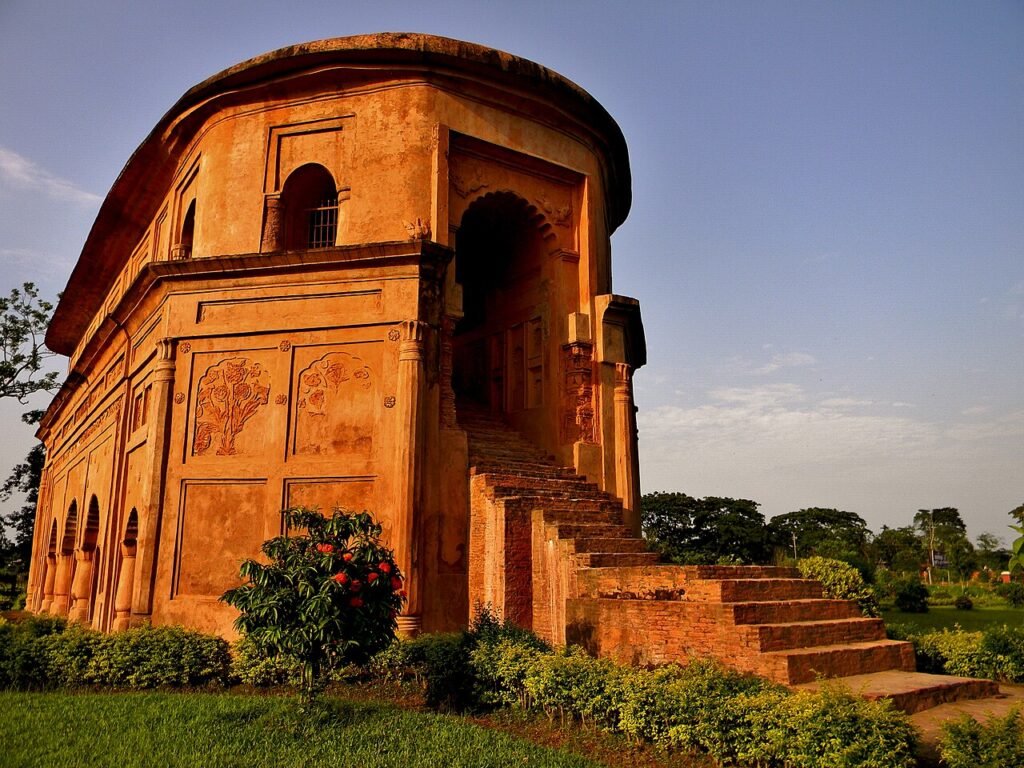
Sibsagar, India Weekend: Royal Ahom Ruins (2026)
You step out of your guesthouse at 7:30 AM, and the first thing that hits you is the lingering scent of the monsoon earth mixed with mustard oil frying somewhere nearby. The air is damp, cool, and thick with the chatter of birds from the nearby Talatal Ghar. A rickshaw clanks past, its bell ringing in sync with the distant chanting of a morning prayer at the Shiva Dol. For the next 48 hours, you and your camera will chase the ghost of the Ahom dynasty, but the food, the women in *mekhela chadors*, and the utterly unhurried rhythm of Sibsagar will keep you grounded in a thoroughly modern India.
Quick Facts Before You Go
- Best Months: November to February. These are your golden months: crisp mornings ideal for cycling, and dry days perfect for climbing the steep steps of the Rang Ghar. Avoid May-July; the Brahmaputra plain humidity turns every temple visit into a sauna. October and March are acceptable shoulder seasons, though the monsoons mist can soak you in 10 minutes flat.
- Currency: Indian Rupee (INR). As of 2024, $1 USD is approximately ₹83. You’ll find plenty of ATMs, but the State Bank of India near the central tank is your most reliable bet.
- Language: Assamese is the primary language, but Hindi and English are widely understood in business dealings. Most shopkeepers and guides for the Ahom monuments speak decent conversational English. Travelers discover that a simple “Dhanyabad” (thank you) is worth gold when bargaining.
- Budget: You’ll comfortably spend between ₹2,500 and ₹4,500 ($30-$55) per day for a mid-range traveler. That covers a decent hotel room, a rental bike, three thalis (think: unlimited refills), and daily monument entry fees. Luxury here is rare, so don’t expect grand boutique options, but your money goes far.
- Getting There: Nearest major airport is Jorhat (Rowriah) Airport (JRH), about 55 km away. Direct domestic flights from Kolkata take roughly 1.5 hours; you’ll need to connect from Delhi or Mumbai. Alternatively, the train station at Simaluguri is 20 km out. Book flights at Skyscanner and expect a shared taxi from Jorhat airport to Sibsagar to cost about ₹1,500 (or ₹400 for a seat in a shared SUV to the main stand).
Day 1: The Ahom Empire That Time Forgot
You wake in a quiet corner of town where the guesthouse rooster is the unofficial alarm clock. After a quick cup of strong, sweet red tea, you set off on a rented bicycle toward the heart of the Ahom kingdom. The best part? There are no crowds of tourists jostling with you. Travelers often discover that Sibsagar feels like a secret, half-whispered by backpackers who passed through on their way to Majuli. Today, your plan is simple: conquer the two tanks, climb the palaces, and end your day watching the sunset from the oldest amphitheater in Asia while locals play a game of football on the field below.

This is a photo of ASI monument number, Sibsagar, India
- Morning (8-11am): Start at the extraordinary Shiva Dol (entry free, though a small ₹10 donation for shoe-minding is appreciated). You’ll climb 85 steep, moss-covered steps to the top of the 32-metre spire, the tallest Shiva temple in India. At the base, you’ll see a complex of other temples dedicated to Vishnu and Durga, but the ritual you must not miss is the morning *puja*. The atmosphere is a sensory overload of wet marigolds, bell ringing, and *prasad* (sweet rice balls) being handed out. After descending, walk 200 meters east to the Talatal Ghar. This seven-story underground palace from 1751 used to be the military stronghold of the Ahom generals. You’ll pay ₹25 (Indian) or ₹300 (foreigner) to enter the twisting, cool underground tunnels and emerge on the top terrace where the view of the twin tanks is serene. Spend a good hour here; the secret staircase is worth poking your head into.
- Lunch: Your first proper Assamese meal of the trip. Head to Kaustav Hotel (also listed in local maps), located near the PNR road. You’ll order the *Khar* (a smoky, banana-stem based preparation), *fish tenga* (sour fish curry made with tomatoes), and the obligatory *rice*. The thali costs just ₹150 and the owner, Mr. Bora, will insist on refilling your rice bowl until you raise a hand in surrender. Do not skip the *pitika* (mashed potato with roasted green chilies and mustard oil) served on the side.
- Afternoon (1-5pm): Walk off the heavy meal at the Sivasagar Tank (also called Borpukhuri), the massive 260-acre water body you’ve been circling all day. Rent a paddle boat for ₹150/hour at the small jetty (look for the wooden sign). After the boat ride, walk west to the Rang Ghar. This two-storied royal sports pavilion is shaped like a ship, with arched doorways and an egg-ridge roof. It’s only a 10-minute walk or a quick ₹50 rickshaw ride. Climb to the top for the iconic photo of the stone arches against the sky. Insider tip: stop by the adjacent Rung Ghar archaeological museum (₹10 entrance, closes 5 PM) to see coins and weapons from the 17th century.
- Evening: As dusk falls, you’ll find yourself back on the steps of the Rang Ghar. Locals play casual cricket in the green field below, and the quiet makes you forget you’re in a town at all. For dinner, make your way to Apna Locha (an institution for evening snacks), right next to the Police Station intersection. You’ll order the *tupula bhaat* (rice soaked and sweetened, served in a woven bamboo pouch) along with a plate of *aloo dom* and fried fish. The atmosphere is plastic chairs and florescent lights, but this is where local families come to spoil their kids on a Saturday. Dinner cost: around ₹120.
Day 2: Temple Tops, Rustic Textiles, and a Farewell Feast
Friday morning feels different. The sun is higher, the air is hazier, and you feel the pull of a slower pace. Today is less about monuments and more about the living culture of Assam. You’ll meet farmers heading to the fields, women washing clothes at the tank steps, and weavers selling their intricate *muga* and *mekhela* textiles. By the end of the day, you’ll have stocked up on souvenirs, tried a snack that burns beautifully, and toasted your weekend with a drink that is famously not for the faint-hearted.
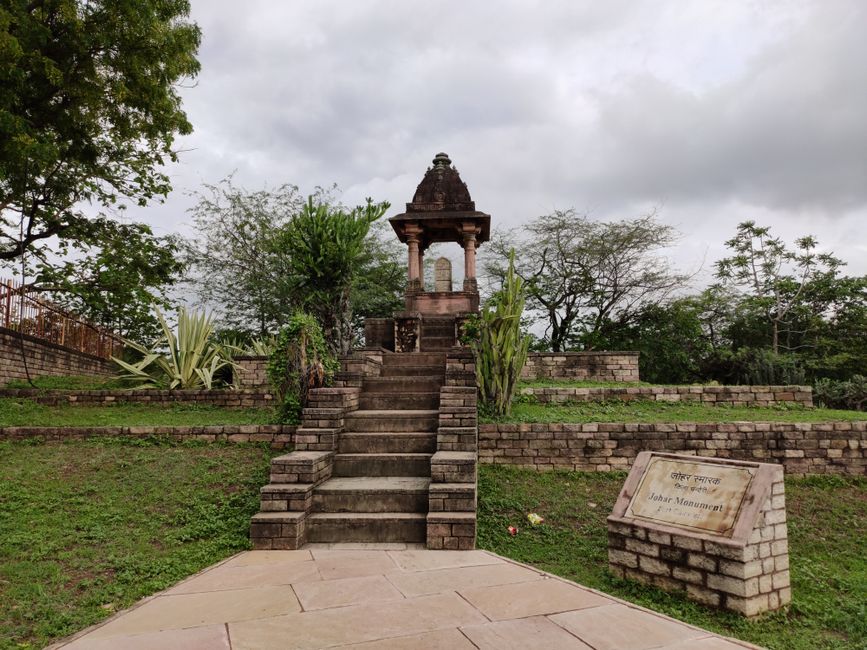
Explore the historical Johar Monument in Chanderi, Sibsagar, India
- Morning: Rise early again, but this time don’t bother with the temples. Instead, head to Gargaon Palace (Kareng Ghar), located 14 km east of the main town. You’ll need a local tuk-tuk or auto (expect to pay ₹500 round trip with a driver waiting). The palace is a massive seven-story royal complex, but unlike the Talatal Ghar, this one is actually above ground. The views from the top are over dense tea gardens that stretch to the Namdang river. Entry is a modest ₹25. Before you leave, the driver will stop at a small roadside stall selling jolpan – you’ll have pitha (rice flour pancakes filled with coconut jaggery) and a cup of *bhaat pani* (fermented rice water). Your breakfast costs under ₹50.
- Midday: Back in town, visit the Rudrasagar Tank and the Joysagar Tank – locals often say that seeing both tanks is like seeing the twin eyes of the Ahom empire. The secret that savvy visitors know? At 1 PM, when the sun is overhead, the water turns a brilliant turquoise under the brown silt. This is your best chance to photograph the temples on the banks without the harsh shadows of morning. Skip the noon lunch rush at regular hotels and instead take a short walk to Dhekiakhowa Bor Namghor (about 7 km north). This prayer house has a giant, 500-year-old lamp that has been continuously burning since 1441. You’ll spend 20 minutes marveling at the brass artifact and the spinning prayer wheels outside.
- Afternoon: Spend the late afternoon getting lost in the Nahotia Market (off the central Phuleswar road). This isn’t a tourist mall, it’s where the local Assamese women shop for their finest silk. You’ll find several stalls selling *gamosa* (traditional woven towels with bright red borders) for ₹80-150 each—perfect gifts. The highlight is the Muga Silk Emporium near Gandhi Bari crossing, where you can see raw golden silk being twisted by hand. Ask politely and the weaver will show you the thorny process. Most tourists overlook this spot; the quality is far superior to anything in Guwahati.
- Final Evening: For your last supper, you want something that hits all the palate notes and leaves you with a story. Head to Sibsagar Hotel (simple but famous for its *Assamese thali* at ₹200). The must-order? Doi Maas (curd-based fish curry), roasted duck (if in season, it’s a delicacy), and a bowl of Bhoot Jolokia chutney (the ghost pepper; go easy, it’ll clear your sinuses). After dinner, you’ll wander toward the war memorial by the main tank, and for a final treat, try a cup of *banana leaf-wrapped, smoked duck skewers* from the food cart by the lake. The street vendor, Bishnu, charges ₹60 per skewer and will only give you the “tourist ratio” (less spicy) version if you ask nicely.
The Food You Can’t Miss
The food scene here is a love letter to pure ingredients. You won’t find heavy masala like in the north, but instead, you’ll taste the bitterness of *khar*, the sourness of tenga, and the earthy richness of black sesame. Every meal is served on a bell metal plate, and the ritual is to mix everything with your right hand—locals recommend you do this even if you’re born with a fork. It tastes better and is genuinely, utterly liberating.
Start your culinary journey with the most humble yet divine dish: Pitika. It’s mashed potatoes or roasted eggplant, muddled with mustard oil, raw shallots, and crushed green chilies. You’ll find it everywhere, from the highest-end thali to the street food cart at Kurua Bazaar. If you only go to one street vendor, make it the fry lady who sets up on the Sivasagar tank ghat at 4 PM sharp. For ₹30, she’ll give you a plate of crispy kumura-aloo (pumpkin and potato fritters) with a chutney you’ll be dreaming about for months.
For sit-down meals, beyond Kaustav and Sibsagar Hotel, venture out to Food Villa Assam, which locals rave about for its reinterpreted traditional dishes. The standout is the smoked jungle fowl (*paa rol*) with bamboo shoot curry (₹250 per portion). They also serve the classic, slow-cooked pork with a fermented bamboo combination that creates a rich, sour broth unlike anything you’ve tasted elsewhere. Plan your budget: you can eat like an emperor for two full days on less than ₹1,200, and that includes your daily chai at the quirky tea stall called “Assam Cut” (which doubles as a roadside mechanic’s shop).

Front view of the iconic Safdarjung Tomb in New Delhi, surrounded by palm trees., Sibsagar, India
Where to Stay for the Weekend
You have two distinct choices for your adventure base, each with its own charm. The Tank Side is your first suggestion. With the vast Sivasagar water body on one side and rickshaw lanes on the other, you’ll wake up to women doing their morning laundry in the giant tank’s shallows, a scene that is quintessential to this ancient city. Expect small-but-clean heritage homestays here; rooms run ₹1,200-$1,800 per night.
The new town area (along the NH-37 bypass) offers more modern guesthouses and business hotels. If you want easier access to taxis and a/c compartments, this is your spot. Mid-range hotels here are like the Hotel Brahmaputra (cost: ₹1,700–₹2,500 for a double). But honestly, we recommend the Kharidiya Homestay, near the Rang Ghar, run by a former teacher who serves home-cooked dinner on authentic bell-metal plates and will draw you a map of every hidden temple at breakfast. You’ll pay ₹1,800 but your stay includes a generous morning platter.
Remember to book ahead during November’s tourism season. Use Booking.com for verified hotels, or check Airbnb for rare, beautiful heritage options like the Jorhat-era bungalows on the outskirts. A note for budget backpackers: The YMCA Dormitory on Fish Jetty Road is a classic, at just ₹400 per bed (though it closes the gate at 10:30 PM sharp).
Before You Go: Practical Tips
- Getting Around: Ricakshwas are ₹30 per ride inside the town limits. For the whole day, rent a bicycle from Bora’s Cycle Shop (₹150/day, opens at 7 AM); the terrain is remarkably flat, ideal for cruising along the tank edge. For visits to Rang Ghar and Gargaon, hire a private auto for half a day (₹600) and negotiate upfront. Travelers often discover that walking is surprisingly convenient—everything (the central tanks, the Shiva Dol, even the Rang Ghar) is within 2 km.
- What to Pack: (1) A sarong or light shawl; it’s essential for covering your shoulders in the temples (especially Shiv Dol), and doubles as a towel for the sweaty climb up the Talatal Ghar. (2) Machine-washable, quick-dry clothing; the humidity is relentless, even in winter. (3) A tiny reusable bag for all the heavy, beautifully-woven textiles you’ll buy. (4) Mosquito repellent; the evenings by the tank are gorgeous but the mosquitoes arrive promptly with the sunset.
- Common Tourist Mistakes: Don’t go to the historic Sukapha Udyan park first and assume it’s the “real” monument; it’s a picnic park. Also, the biggest mistake is wearing dark-colored shoes. The dust from the brick ruins and the red mud is *aggressive*, and your white sneakers will be a permanent ochre shade. Leave the designer shoes at home.
- Money-Saving Tip: Combine your ticket buying. Foreign travelers often pay the ₹300 single-monument fee, but you can purchase a combined pass for all the Ahom museums (Talatal Ghar, Rang Ghar, museum) for just ₹500 at the Talatal Ghar counter. This saves you a third of the cost (over ₹250) and lets you skip queues at the next two spots, so you can splurge on that last thali with extra smoked duck.

