
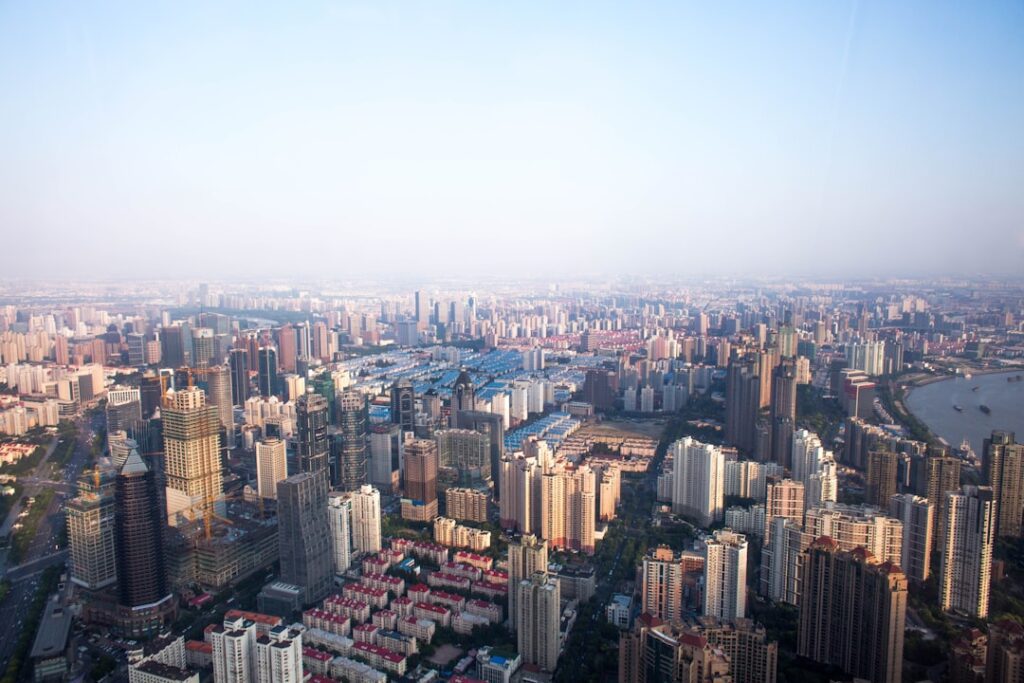
Shanghai, China: Essential Futuristic Skylines, Art Deco History & Culinary Innovation (2026)
Just after sunset, the neon glow of the Pudong skyline reflects on the Huangpu River, but turn a corner into the former French Concession and you’re transported to 1920s Paris. This is Shanghai’s magic: a city where you can ride the world’s fastest commercial train (the Maglev, hitting 431 km/h) to a 16th-century classical Chinese garden in the same afternoon. With over 24 million residents, it’s a metropolis that moves at light speed yet treasures its past in quiet, cobblestone lanes.
Why Shanghai, China Stands Out

Vehicle stocked in traffic inside tunnel, Shanghai, China
- Historic Architecture: The Bund’s iconic Art Deco and Neoclassical buildings, like the 1923 Customs House with its famous clock tower, showcase Shanghai’s golden age as the “Paris of the East.”
- Cultural Scene: The annual Shanghai International Film Festival in June transforms the city into a cinematic hub, drawing global stars and indie filmmakers to historic theaters.
- Local Specialties: You must try xiaolongbao (soup dumplings), where the delicate pork and hot broth are encased in a paper-thin skin, best enjoyed fresh from a bamboo steamer.
Pro Tip: To avoid the intense summer humidity and winter chill, target the shoulder months of April-May or September-October. For the iconic skyline views, visit the Bund promenade on a weekday morning before 9 AM to have it almost to yourself, a stark contrast to the packed evenings.
Map of Shanghai, China
Use these interactive maps to explore Shanghai, China and plan your route:
📍 View Shanghai, China on OpenStreetMap
🗺️ Open Shanghai, China in Google Maps
Planning Your Trip: Practical Essentials
Getting There and Around
- By Air: Shanghai is served by two major airports: Pudong (PVG) for most international flights and Hongqiao (SHA) for domestic/regional routes. Major carriers include China Eastern, Air China, and international airlines. The Maglev train connects Pudong to the city in 8 minutes. Book flights at Skyscanner for best deals.
- By Train: The Hongqiao Railway Hub is one of Asia’s busiest, with high-speed trains to Beijing (4.5 hours), Hangzhou (1 hour), and beyond. Reserve tickets at Trainline or the national railway website.
- By Car: Driving in central Shanghai is complex for visitors due to traffic and permit restrictions. Renting a car is best for day trips to water towns like Zhujiajiao. Compare car rentals at RentalCars.com.
- Local Transport: The Shanghai Metro is extensive, clean, and efficient, with fares starting at 3 RMB. A 24-hour metro pass costs 18 RMB. Taxis are affordable (starting fare 16 RMB), and Didi (China’s Uber) is widely used. Download the “Explore Shanghai Metro” app for navigation.
Best Time to Visit
Shanghai experiences four distinct seasons, with the ideal times being spring and autumn for pleasant weather and clear skies. Summers are hot and humid, while winters are cold and damp but see fewer tourists.
| Season | Weather | Highlights |
|---|---|---|
| Summer (Jun–Aug) | Hot & humid, 25-35°C, frequent rain | Lively outdoor beer gardens, vibrant night markets, but expect large crowds and high humidity. |
| Winter (Dec–Feb) | Cold & damp, 0-8°C, occasional frost | Fewer tourists, lower hotel rates, and festive Chinese New Year decorations (late Jan/Feb), but bundle up. |
| Shoulder (Apr–May/Sep–Oct) | Mild & pleasant, 15-25°C, low rainfall | Perfect for walking tours, garden visits, and outdoor dining. The city’s parks are in full bloom or autumn color. |
Budgeting for Shanghai, China

Shanghai China, Shanghai, China
| Category | Budget | Mid-range | Luxury |
|---|---|---|---|
| Accommodation | Hostel: 80-150 RMB/night | 3-4 star hotel: 500-900 RMB/night | 5-star (Peninsula, Waldorf): 1,800+ RMB/night |
| Meals | Street food/local eatery: 30-60 RMB/meal | Restaurant meal: 80-150 RMB/meal | Fine dining (Ultraviolet): 3,000+ RMB/person |
| Transport | Metro/bus: 15-30 RMB/day | Taxi/Didi: 80-150 RMB/day | Private car & driver: 800+ RMB/day |
| Activities | Free walks, temple visits: 0-50 RMB | Museums, tower observatories: 100-200 RMB | Private guides, Huangpu cruises: 500+ RMB |
| Daily Total | 300-500 RMB | 1,000-1,500 RMB | 3,500+ RMB |
Top Attractions and Must-See Sights
| Attraction | Description | Hours | Entry Fee |
|---|---|---|---|
| The Bund (Waitan) | A stunning 1.5km waterfront promenade lined with grand 1920s buildings, offering iconic views of Pudong’s futuristic skyline. | 24/7 (best at night) | Free |
| Shanghai Tower Observatory | Visit the world’s second-tallest building for breathtaking 360-degree city views from its 118th-floor observation deck. | 8:30 AM – 10:00 PM | 180 RMB |
| Yu Garden & Bazaar | A serene 16th-century classical Chinese garden with pavilions and rockeries, adjacent to a lively market selling souvenirs and snacks. | Garden: 8:30 AM – 5:00 PM; Bazaar: longer | Garden: 40 RMB (Apr-Jun, Sep-Nov: 30 RMB) |
| Shanghai Museum | Houses one of China’s finest collections of ancient art, including bronze, ceramics, calligraphy, and minority crafts. | 9:00 AM – 5:00 PM (closed Mon) | Free (ticket required) |
3-Day Itinerary: Shanghai, China’s Highlights & Hidden Gems
Day 1: Historic Heart & Dazzling Heights
- Morning (7-9 AM): Start at Yu Garden. Arrive right at opening to experience the tranquil rockeries and Huxinting Teahouse before the crowds descend. Savvy visitors know the zigzag bridge is designed to confuse evil spirits.
- Afternoon (12-3 PM): Explore the Old City and have lunch at **Nanxiang Steamed Bun Restaurant** (at Yu Garden Bazaar) for their legendary xiaolongbao. Then, walk to the Bund.
- Evening (6-8 PM): Take the Bund Sightseeing Tunnel (50 RMB) or a short metro ride to Pudong. Visit the Shanghai Tower Observatory for sunset views. For dinner, head to **Lost Heaven on the Bund** for exquisite Yunnan cuisine in a stylish setting.
Day 2: Arts, Lanes & Local Life
- Morning (9 AM): Visit the Power Station of Art (free entry), China’s first state-run contemporary art museum housed in a former power plant. It opens at 11 AM, so grab a coffee nearby first.
- Afternoon (1 PM): Take a taxi to the former French Concession. Stroll down tree-lined Fuxing Road and explore Tianzifang, a labyrinth of artsy shops and cafes in renovated *shikumen* (stone-gate) houses. Lunch at **Kommune** for great coffee and brunch in a trendy courtyard.
- Evening (7 PM): Experience the acrobatics show **ERA: Intersection of Time** at the Shanghai Circus World (tickets from 280 RMB). It’s a mesmerizing display of skill and technology.
Day 3: Water Town Escape & Final Feasts
- Morning (8 AM): Take a taxi or Didi to Zhujiajiao Water Town (about 1 hour, 150-200 RMB). Wander the ancient canals, cross the 400-year-old Fangsheng Bridge, and take a boat ride (80 RMB per boat).
- Afternoon (1 PM): Enjoy a rustic lunch at a canal-side restaurant in Zhujiajiao, trying local dishes like braised pork leg. Return to Shanghai by taxi or public bus.
- Evening (6 PM): For your final night, explore the vibrant Jing’an district. Visit the serene Jing’an Temple, then indulge in a hot pot feast at **Haidi Lao**—renowned for its theatrical service and impeccable broths. Book ahead, as queues are legendary.
Cultural Insights & Etiquette
- Language: Mandarin is the official language. Learn a few key phrases: “Nǐ hǎo” (Hello), “Xièxie” (Thank you), “Duōshǎo qián?” (How much?). In tourist areas, basic English is understood, but a translation app is invaluable.
- Customs: Present and receive business cards (or any item) with both hands as a sign of respect. Avoid direct confrontation or loud public arguments; maintaining harmony is valued.
- Tipping: Tipping is not customary and can sometimes be refused. In upscale international hotels or for exceptional private guide service, a small tip may be accepted but is not expected.
- Dress Code: Smart-casual is appropriate for most occasions. Cover shoulders and knees when visiting temples. Comfortable walking shoes are non-negotiable.
- Business Hours: Major shops and malls open from 10 AM to 10 PM. Museums often close on Mondays. Banks and government offices operate 9 AM-5 PM, Monday to Friday.
Where to Eat: Shanghai, China’s Best Bites
Shanghai cuisine, or “Benbang Cai,” is known for its rich, red-braised dishes and delicate use of sugar and soy sauce. The dining scene is a thrilling mix of century-old establishments and groundbreaking modern fusion.
Must-Try Local Specialties
- Xiaolongbao (Soup Dumplings): The pinnacle of Shanghai’s culinary craft. For the purist’s experience, locals swear by **Jia Jia Tang Bao** on Huanghe Road, where they’ve been perfecting them for decades.
- Shanghainese Braised Pork (Hong Shao Rou): Melt-in-your-mouth pork belly slow-cooked in soy sauce, rice wine, and sugar. Find an authentic version at **Old Jesse** in the French Concession.
- Shengjianbao (Pan-Fried Pork Buns): Crispy, doughy buns filled with pork and a splash of soup. **Yang’s Fry-Dumpling** is a popular chain where you can watch them being made fresh.
Restaurant Recommendations by Budget
| Type | Restaurant | Specialty | Price Range |
|---|---|---|---|
| Budget | Yang’s Fry-Dumpling (Multiple locations) | Freshly fried shengjianbao | 15-30 RMB |
| Mid-range | Xinjiang Fengwei Restaurant (550号 Wulumuqi Rd) | Flavorful lamb skewers and hand-pulled noodles | 60-120 RMB/person |
| Fine dining | Fu 1015 (1015 Yuyuan Rd) | Exquisite, multi-course Shanghainese banquets in a historic villa | 800+ RMB/person |
Where to Stay
Your neighborhood choice defines your Shanghai experience. The city is divided by the Huangpu River: Puxi (west bank) holds the history and culture, Pudong (east) is the futuristic financial hub. Compare prices and book at Booking.com or Airbnb for apartments.
Best Neighborhoods for Accommodation
- The Bund & Nanjing Road: Perfect for first-time visitors who want iconic views, luxury hotels (Waldorf Astoria, Peninsula), and easy access to major sights. It can feel touristy and is pricey.
- Former French Concession: Ideal for travelers seeking charm, tree-lined streets, boutique hotels, cafes, and galleries. It’s walkable and feels more local, but is further from Pudong.
- Jing’an: A central, bustling commercial hub with excellent metro connections, modern hotels, the beautiful Jing’an Temple, and fantastic dining. It’s less quaint but supremely convenient.

Person carrying umbrellas, Shanghai, China
FAQs: Your Shanghai, China Questions Answered
1. Is Shanghai, China safe at night?
Shanghai is remarkably safe for a mega-city, even late at night. Violent crime against tourists is rare. Standard precautions apply: be aware of your belongings in crowded areas like Nanjing Road, and use licensed taxis or the Didi app for late-night transport.
2. What currency is used and are credit cards accepted?
The Chinese Yuan (CNY or RMB) is the currency. While major hotels, high-end restaurants, and large stores accept international credit cards (Visa, Mastercard), cash is still king in smaller restaurants, markets, and for taxis. Always carry some RMB. ATMs are widely available.
3. How do I get from the airport to the city center?
From Pudong (PVG): The Maglev train (50 RMB, 8 mins) connects to Longyang Road Metro Station, then transfer to metro lines. A taxi to People’s Square takes 45-60 mins and costs 180-220 RMB. From Hongqiao (SHA): The metro (Line 2 or 10) is the easiest and cheapest option. A taxi to downtown takes 30-40 mins (70-100 RMB). Book airport transfers at GetYourGuide for convenience.
4. Do I need to speak the local language?
It’s not essential, but it helps immensely. In tourist zones, you’ll manage with basic English and gestures. Download offline translation apps like Pleco or Google Translate. Learning a few polite phrases in Mandarin will be warmly appreciated by locals.
5. What’s the appropriate dress code?
Shanghai is a fashionable and relatively liberal city. Smart-casual attire works for most situations. For fine dining or upscale bars, avoid shorts and flip-flops. When visiting temples, dress modestly. The key is to be prepared for walking—comfortable shoes are
Related Guides
Explore more destinations similar to Shanghai:
- Saguenay, Canada’s Essential Fjords, Forests & French-Canadian Charm (2025)
- Tajikistan’s Dushanbe, Tajikistan
- Goiânia, Brazil’s Best Art Deco, Cerrado Cuisine & Sertanejo Soul (2025)
- Irazu Volcano National Park, Costa Rica: Best Summits, Craters & Continental Views (2026)
{“@context”: “https://schema.org”, “@type”: “FAQPage”, “mainEntity”: [{“@type”: “Question”, “name”: “What is the best time to visit Shanghai?”, “acceptedAnswer”: {“@type”: “Answer”, “text”: “The best time to visit Shanghai depends on your preferences. Generally, the dry season offers the most pleasant weather for sightseeing and outdoor activities.”}}, {“@type”: “Question”, “name”: “How many days do I need in Shanghai?”, “acceptedAnswer”: {“@type”: “Answer”, “text”: “Most travelers spend 3-5 days in Shanghai to see the main attractions. A week allows for a more relaxed pace and day trips.”}}, {“@type”: “Question”, “name”: “Is Shanghai expensive to visit?”, “acceptedAnswer”: {“@type”: “Answer”, “text”: “Shanghai can be visited on various budgets. Accommodation ranges from hostels to luxury hotels, and local restaurants offer affordable dining.”}}]}


Pingback: Gaspé Peninsula, Canada's Essential Sea Cliffs, Seafood & Maritime Majesty (2026) - tangyOcean