
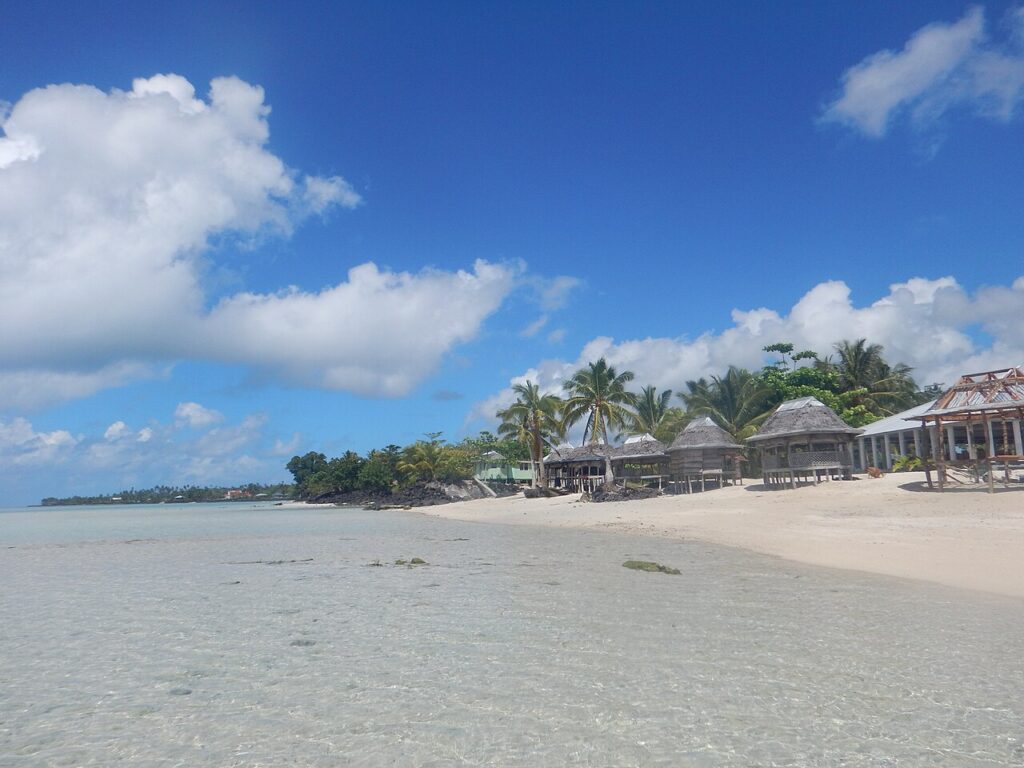
Savai’i, Samoa: Lava Fields, Blowholes & Untamed Beauty (2026)
Only about 20,000 international tourists make it to Savai’i, Samoa annually—less than a third of those who visit Upolu. Yet this sleeping giant—the largest Polynesian island outside New Zealand—holds the South Pacific’s most dramatic volcanic landscapes, blowholes that shoot seawater 100 feet skyward, and beaches where you’ll often have the entire stretch to yourself. Here’s what those 40,000 bypassing visitors are missing on their way to more commercialized Pacific destinations.
Why Savai’i, Samoa Stands Out
- Historic Architecture: The Pulemelei Mound (circa 1100 AD) near Letolo Plantation stands 12 meters tall—the largest ancient stone structure in Polynesia, silently testifying to a pre-European civilization that once thrived here.
- Cultural Scene: The Teuila Festival (first week of September) transforms Salelologa village into a riot of traditional tattooing, fire-knife dancing, and longboat racing that you won’t find commercialized elsewhere.
- Local Specialties: Palusami—taro leaves baked in coconut cream inside a hollowed taro root, wrapped in banana leaf and cooked in an underground umu oven—is the soul of Savai’i cuisine.
Pro Tip: Visit from April to October (dry season) for the best weather, but arrive on the early ferry from Upolu (5:30 AM departure from Mulifanua Wharf) to explore the lava fields at Saleaula before the heat sets in—you’ll have the volcanic moonscape almost entirely to yourself until 10 AM.
Map of Savai’i, Samoa
Use these interactive maps to explore Savai’i, Samoa and plan your route:
📍 View Savai’i, Samoa on OpenStreetMap
🗺️ Open Savai’i, Samoa in Google Maps
Planning Your Trip: Practical Essentials

Satellite image of Savai’i., Savai’i, Samoa
Getting There and Around
- By Air: Fly into Faleolo International Airport (APW) on Upolu, then take a 90-minute Samoa Shipping Corporation ferry from Mulifanua Wharf to Salelologa Wharf (return fare about 30 WST per adult). For flights within Samoa, check Skyscanner for connections via Apia.
- By Ferry: This is the only practical way. Ferries run daily from Mulifanua Wharf (Upolu) to Salelologa Wharf (Savai’i). The 7 AM and 1 PM departures are most reliable. Book tickets at the wharf 30 minutes early. Travelers often discover the morning crossing offers stunning sunrise views over the Apolima Strait.
- By Car: The Savai’i Ring Road circles the entire island (about 320 km). Your best bet is renting a 4WD from Salelologa—try Savai’i Rentals (from 150 WST/day). Compare options at RentalCars.com, though local agencies often have better rates for cash bookings.
- Local Transport: Buses run along the main Ring Road from Salelologa to all major villages (fares 2–10 WST). They run infrequently—expect one to three per day on most routes. Seasoned travelers prefer renting a vehicle; the island’s unsealed roads to inland attractions demand 4WD.
Best Time to Visit
| Season | Weather | Highlights |
|---|---|---|
| Summer (Jun-Aug) | 24–30°C, low humidity, minimal rain | Best for beach days, snorkeling at Sato’alepai Turtle Sanctuary, and hiking to Afu Aau Falls. Moderate crowds but still quiet. |
| Winter (Dec-Feb) | 26–32°C, high humidity, frequent afternoon showers | Greenest landscapes, dramatic waterfalls, and the Teuila Festival in September. Showers usually pass by midday. Very few tourists. |
| Shoulder (Apr-May/Sep-Oct) | 25–31°C, moderate humidity, occasional showers | Ideal balance—good weather, fewer bugs, and lower accommodation prices. You’ll find the island at its most authentic during these months. |
Budgeting for Savai’i, Samoa
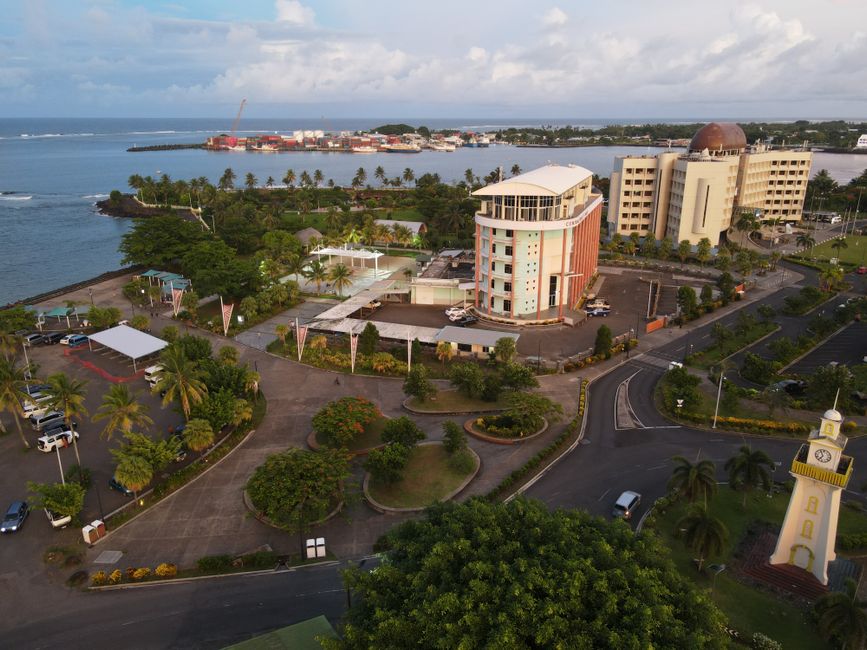
Stunning aerial view of Apia, Samoa featuring coastal cityscape and landmarks., Savai’i, Samoa
| Category | Budget | Mid-range | Luxury |
|---|---|---|---|
| Accommodation | 80–120 WST per night | 200–400 WST per night | 500+ WST per night |
| Meals | 10–25 WST (local markets, fale eateries) | 40–80 WST (beachside restaurants) | 100+ WST (resort dining) |
| Transport | 2–10 WST per bus ride | 150 WST/day car rental | 50 WST taxi for short trips; 300+ WST private driver |
| Activities | Free: beaches, waterfalls, hikes | 20–50 WST: guided tours, turtle sanctuary | 100+ WST: private cultural tours, diving |
| Daily Total | 150–250 WST (US$55–90) | 400–700 WST (US$145–255) | 1,000+ WST (US$365+) |
Top Attractions and Must-See Sights
| Attraction | Description | Hours | Entry Fee |
|---|---|---|---|
| Alofaaga Blowholes (Taga) | Seawater explodes 100 feet high through volcanic lava tubes—best at high tide when waves crash hardest. | Dawn to dusk; best viewing 2 hours before/after high tide (check tide tables) | 10 WST |
| Saleaula Lava Fields | Village buried by 1905–1911 Mt Matavanu eruption; you’ll see a church half-submerged in black lava and the Virgin Mary statue that survived. | 8 AM–4 PM; guided tours required (ask at Saleaula village) | 20 WST (includes guide) |
| Afu Aau Waterfall (Olemoe) | Twin waterfalls plunge 20 meters into a turquoise pool—perfect for swimming. The surrounding rainforest is alive with fruit bats at dusk. | 7 AM–5 PM daily | 5 WST |
| Sato’alepai Turtle Sanctuary | Community-run conservation site where you can swim with rescued hawksbill and green sea turtles in natural pools. | 8 AM–4 PM Mon–Sat, 10 AM–2 PM Sun | 20 WST (includes turtle food) |
3-Day Itinerary: Highlights & Hidden Gems of Savai’i, Samoa
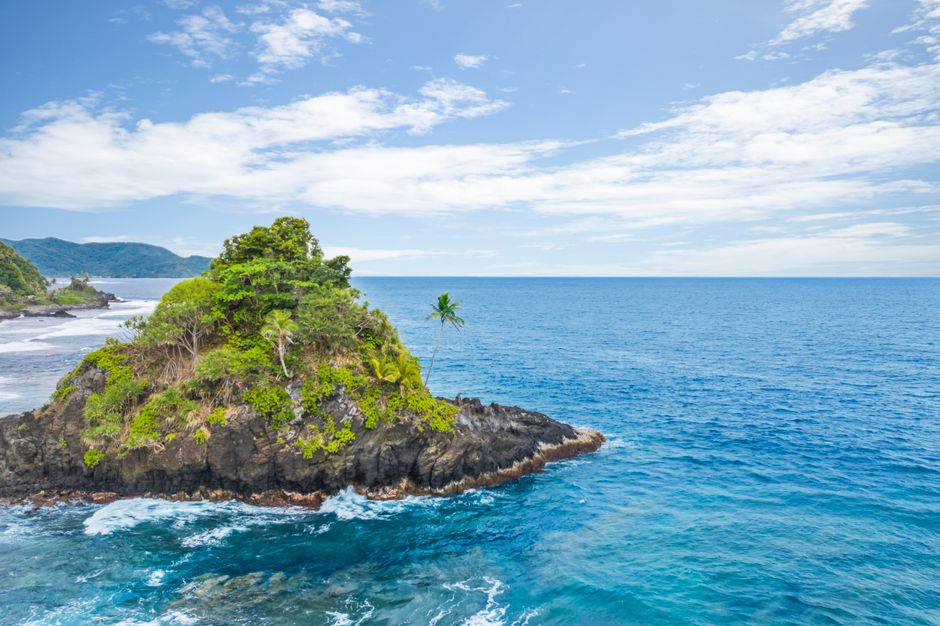
Explore the stunning Alega Beach with vibrant turquoise waters and lush gre…, Savai’i, Samoa
Day 1: South Coast Spectacular & Blowholes
- Morning: Arrive on the 7 AM ferry from Mulifanua Wharf to Salelologa (30 WST). Drive 45 minutes south to the Alofaaga Blowholes at Taga—arrive by 8:30 AM for calm crowds. You’ll watch water shoot 100 feet skyward through volcanic tubes; locals sometimes toss coconuts into the holes to see them explode upward. Tip: stand at the safe viewing platform, not the edge—the force is stronger than you expect.
- Afternoon: Head 20 minutes east to Afu Aau Waterfall for a swim in the pool beneath the twin falls (5 WST). Grab lunch at the nearby A’au Beach Fale (15–25 WST for oka—raw fish in coconut cream, a local specialty). Spend the afternoon snorkeling at the reef just offshore—you’ll spot parrotfish and clownfish within 10 meters of the beach.
- Evening: Check into your accommodation (try Savai’i Lagoon Resort, from 300 WST/night for a beachfront fale). Dinner at the resort’s restaurant (mains 60–90 WST) features fresh grilled mahi-mahi with coconut rice. Watch the sunset over the lagoon—you’ll understand why locals say “the sun sets first on Savai’i.”
Day 2: Volcanic History & Northern Wilderness
- Morning: Drive 1.5 hours north to Saleaula Lava Fields (20 WST with guide). Your guide—likely a village elder—will walk you through the ruins of the LMS Church, its coral-block walls half-buried in black lava from the 1905–1911 Mt Matavanu eruption. The story of the Virgin Mary statue that survived untouched is told with quiet reverence. Allow 2 hours.
- Afternoon: Continue 20 minutes north to the Peapea (Letolo) Cave, a collapsed lava tube with a freshwater pool inside (10 WST, bring a torch). Lunch at Mama’s Kitchen in Salelologa (mains 15–25 WST)—try their palusami and taro chips. Afterward, visit the Sato’alepai Turtle Sanctuary (20 WST) for a swim with rescued sea turtles—you’ll feed them leaves and watch them glide past your legs.
- Evening: Drive back toward your accommodation. Stop at the Saleaula lava field viewpoint at sunset—the orange light on the black volcanic rock is unforgettable. Dinner at Pania’s Place (mains 30–50 WST) in Salelologa, known for its whole grilled fish with lemon and herbs.
Day 3: Rainforest Hikes & Local Life
- Morning: Drive 45 minutes to the Olemoe Rainforest Trail (free, but guide recommended for 20 WST). This 2-hour hike through the Matavanu Conservation Area leads to a hidden waterfall and offers views across the island’s central volcanic peaks. You’ll hear the calls of Pacific fruit doves and see giant ferns that pre-date humans on the island.
- Afternoon: Return to Salelologa for lunch at the Salelologa Market (10–15 WST for fresh coconut, banana chips, and grilled fish—the best value on the island). Spend your final hours browsing the market for siapo (bark cloth), carved wooden bowls, and hand-woven pandanus mats. Prices are fixed but fair—15–30 WST for small items.
- Evening: Catch the 4 PM ferry back to Mulifanua Wharf (30 WST). You’ll arrive in Upolu by 5:30 PM, just in time for sunset drinks at the wharf. Your best bet for a final Savai’i souvenir? A bag of fresh cocoa powder from the market—locals recommend it for making authentic koko Samoa (Samoan hot chocolate) at home.
Cultural Insights & Etiquette
- Language: Samoan (Gagana Samoa) is the first language. You’ll get by with English in Salelologa and resorts, but learn “talofa” (hello), “fa’afetai” (thank you), and “soifua” (goodbye). Locals appreciate any attempt—you’ll see their faces light up when you try.
- Customs: When entering a village, ask permission at the matai (chief’s) house. Don’t walk through villages after 6 PM without a local escort—it’s considered disrespectful. Sunday is sacred: no work, no swimming, no noisy activities. Attend a church service (you’re welcome as a visitor) and dress modestly.
- Tipping: Not traditional in Samoa. You’ll notice locals refuse tips with genuine surprise. Instead, offer a small gift—food, school supplies, or a donation to the village church fund.
- Dress Code: Modest attire is essential outside resorts. Women should wear a lavalava (sarong) over swimwear in villages. Men should wear shorts or sulus (traditional wrap). No bare chests in villages. For church visits, women need shoulders covered and skirts below the knee; men must wear a shirt and long trousers or sulu.
- Business Hours: Most shops and markets operate 7 AM–5 PM Monday to Saturday. Everything closes on Sunday—plan ahead for food and fuel. The Salelologa Market is busiest on Saturday mornings (6 AM–noon).
Where to Eat: The Best Bites in Savai’i, Samoa
Savai’i’s food scene is built around fresh, simple ingredients—fish caught that morning, taro and breadfruit from village plantations, and coconut milk pressed by hand. You’ll find the best meals in beachside fales and village eateries where the cook learned from their grandmother. Restaurant ‘dining’ is less common—but the quality of home-style cooking more than compensates.
Must-Try Local Specialties
- Palusami: Taro leaves baked in coconut cream, wrapped in banana leaf, and cooked underground in an umu oven. The best version—creamy, slightly smoky, and salty—comes from the Salelologa Market on Saturday mornings (5 WST for a generous portion).
- Oka: Raw fish (usually tuna or mahi-mahi) marinated in lime juice, coconut cream, diced tomatoes, and chili. The version at A’au Beach Fale (20 WST) uses fish caught that morning—you’ll watch the fishermen pull up the boat while you eat.
- Koko Samoa: Thick, rich hot chocolate made from roasted and ground cocoa beans, served with coconut milk and sugar. The purest version is at the Salelologa Market—purchase the cocoa paste (10 WST for a block) and prepare it yourself with hot water and milk.

