
Sareh, The Gambia: Kora Rhythms, River Life & Ancestral Wisdom (2026)
The first call to prayer from the central mosque doesn’t wake you; it washes over you, a resonant melody woven with the pre-dawn chirp of weaver birds. By sunrise, the air in Sareh carries the distinct, peppery scent of *dimbaya* (okra) and smoked fish simmering in a hundred compounds, a savory promise of the day ahead. Your 48 hours here is a journey through a town where the Gambia River is the lifeblood, and community is the rhythm.
Quick Facts Before You Go
- Best Months: November to February. This is the dry season, with cooler temperatures (around 24-30°C/75-86°F) and low humidity, perfect for exploring. The skies are clear, and the Harmattan winds from the Sahara have usually subsided.
- Currency: Gambian Dalasi (GMD). £1 is approximately 85 GMD, $1 is approximately 67 GMD (rates fluctuate). Carry small bills for market purchases.
- Language: Mandinka is widely spoken, but English is the official language and is spoken by most people in Sareh, especially in shops and restaurants.
- Budget: A very comfortable daily budget is 1500-2500 GMD (£18-£30 / $22-$37) per person for food, transport, and activities, excluding accommodation.
- Getting There: Fly into Banjul International Airport (BJL). Direct flights from London are around 6 hours. Book at Skyscanner. Sareh is about a 90-minute drive from the airport via shared taxi (“gele gele”) or private hire.
Day 1: Immersion in the River’s Pulse
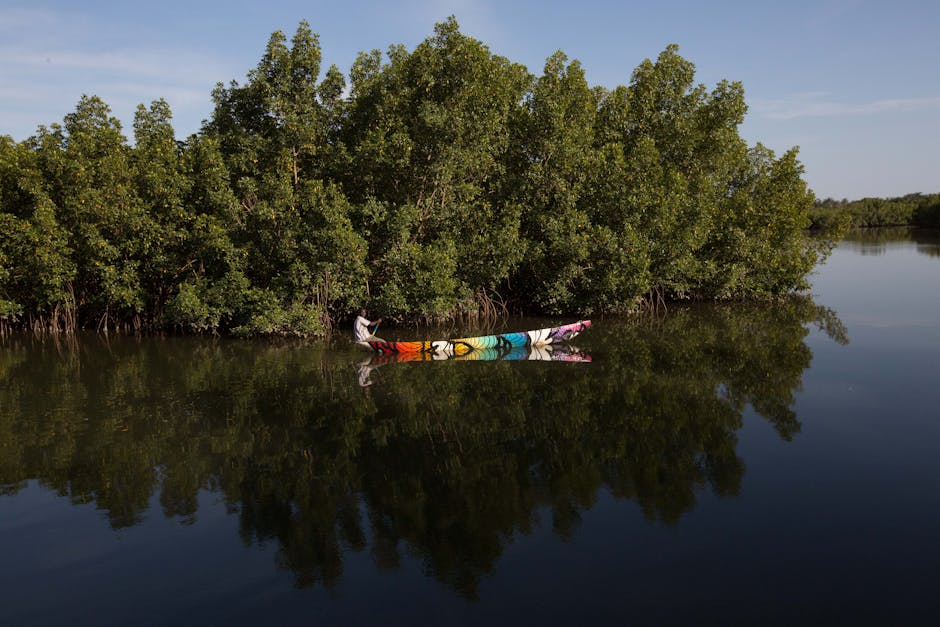
You start the morning not with a coffee, but with the view. The Gambia River, wide and brown, moves with a quiet power past Sareh’s waterfront. Fishermen in brightly painted wooden pirogues are already returning with the night’s catch, their silhouettes cutting through the morning mist. Today is about connecting with the waterway that defines this region.
- Morning (8-11am): Head to the **Sareh Fish Landing Site**. There’s no formal tour; you simply observe the vibrant, noisy theatre of the catch being unloaded, sorted, and sold by auction. Huge barracuda, capitaine, and bonga fish glisten on the concrete. It’s free to watch, but be respectful of the working space. For a closer look, you can arrange a short **pirogue trip** (300 GMD per person for 30 mins) with a friendly fisherman to see the town from the water.
- Lunch: **Kumba’s Riverside Chop Bar** (no sign, just ask for “Kumba’s place” near the landing site). Sit on a plastic stool under a mango tree and order the **Domoda** – a rich, creamy peanut stew with beef, served over rice. It’s a foundational Gambian dish. A hearty plate costs about 150 GMD.
- Afternoon (1-5pm): Walk off lunch with a visit to the **Sareh Central Market**. Navigate the labyrinth of stalls selling vibrant *complets* (African print fabrics), mounds of fragrant spices, and baskets of exotic fruits like baobab (*buy*) and bitter tomato (*jatto*). Then, seek out the **Sareh Woodcarvers’ Cooperative**. Here, you can watch master carvers transform blocks of mahogany and teak into intricate masks and sculptures. A small souvenir might cost 500-1000 GMD, but the real value is in the conversation.
- Evening: For dinner, find **Tata’s Grilled Fish Spot** on the riverbank south of the main landing area. As the sun sets, Tata grills the day’s freshest catch over charcoal, served with a fiery *chilli* sauce and bread. A whole grilled fish feast is about 200 GMD. Afterwards, wander towards the mosque; you’ll often find men gathered, playing spirited games of *wari* (a traditional seed-based board game) under streetlights, happy to teach you the rules.

A couple of umbrellas sitting on top of a sandy beach, Sareh, The Gambia
Day 2: Culture, Crafts & Community
Your second day peels back another layer, moving from the river’s edge into the heart of Sareh’s community life. The pace is slower, the interactions deeper. You’ll learn that the town’s rhythm is set not just by the river, but by the hands of its artisans and the warmth of its greetings.
- Morning: Begin with a proper Gambian breakfast. Locals recommend **Fatou’s Porridge Bowl**, a stall near the market, for a warming bowl of *chura gerte* (millet porridge) with sweetened fermented milk or sugar (50 GMD). Then, visit the **Sareh Batik & Tie-Dye Workshop** (look for the colorful fabrics drying in a compound off Jola Street). For 400 GMD, you can participate in a 90-minute workshop, learning the wax-resist techniques to create your own unique fabric pattern.
- Midday: Your main attraction is the **Sareh Mosque**, a beautiful, peach-colored building that is the community’s spiritual center. Non-Muslims are often welcome to view the courtyard and exterior architecture, especially outside of prayer times. The insider tip? Go around 11:30 am, after the morning prayers have finished but before the midday call. You’ll find it peaceful, and the caretaker is often happy to share its history (built in the 1970s to replace an older structure). Always dress modestly.
- Afternoon: Explore the **Jola Quarter**, a quieter neighborhood known for its distinct cultural heritage. Stop at **Lamin’s Basket Weaving Collective**, where women skillfully coil and stitch dyed palm fronds into stunning, durable baskets—a craft passed down for generations. A medium-sized basket is a beautiful, packable souvenir for 600-800 GMD.
- Final Evening: For your farewell dinner, you want the ultimate Gambian experience. **Jebbeh’s Family Compound Restaurant** (booking essential via a local guide or your lodging) offers a “come-and-eat” style meal. You’ll sit on the floor around a large communal bowl and share the national dish, **Benachin** (“one pot”), a magnificent feast of rice cooked with fish, meat, vegetables, and tomato paste. It’s an event, not just a meal, costing around 250 GMD. Leave room for a final slice of sweet, tangy baobab fruit.

White and blue boat on water near houses during daytime, Sareh, The Gambia
The Food You Can’t Miss
In Sareh, eating is an act of community. You won’t find fancy menus; you’ll find profound flavor built from the river, the earth, and generations of knowledge. The cornerstone of every meal is rice, but it’s what accompanies it that tells the story.
You must try **Benachin**, as mentioned, but also seek out **Superkanja**, a potent, slimy (in the best way), and nutritious stew made from okra, bitter leaves, fish, and palm oil. It’s a flavor that defines the region. For a quick, delicious street food fix, look for women selling **Akara** (spicy, deep-fried bean cakes) or **Pate** (a savory fried pastry filled with fish or meat) in the morning market; they cost just 10-20 GMD each.
For a sit-down restaurant with a reliable menu, **Sareh Peace Restaurant** on the main street is a traveler favorite. Their **Yassa**—either chicken or fish marinated in lemon and onions, then grilled and served in a tangy sauce—is exceptional and costs about 180 GMD. Wash it all down with a bottle of *Julbrew* (the local lager) or a refreshing, non-alcoholic *Wonjo* juice, made from hibiscus flowers.

A beautiful sandy beach with palm trees., Sareh, The Gambia
Where to Stay for the Weekend
Accommodation in Sareh is about character, not chain hotels. Your best bet is a locally-run guesthouse or lodge.
**The Riverfront Area** offers the classic Sareh experience. You’ll fall asleep to the sound of water and be steps from the fishing action. **Sareh River Lodge** has basic but clean en-suite rooms with fans and small balconies overlooking the water (approx. 2500 GMD/night). For more independence, search for a riverside **Airbnb** in a local compound, often offering a room and home-cooked meals.
**The Town Center**, a short walk from the market, puts you in the thick of daily life. **Kebba’s Guesthouse** is a family-run favorite known for its incredible hospitality and rooftop terrace. Rooms are simple but spotless (approx. 2000 GMD/night). For the widest selection of local guesthouses, check Booking.com and filter for “Sareh” – but be prepared for fewer online listings, as many places operate via word-of-mouth.
Before You Go: Practical Tips
- Getting Around: Sareh is very walkable. For longer trips (e.g., to nearby villages), use shared yellow taxis (“gele gele”) which run fixed routes for 15-25 GMD, or negotiate a private “town trip” taxi for 150-300 GMD per hour.
- What to Pack: 1) Light, loose, modest clothing (covering shoulders and knees). 2) A sturdy power bank, as electricity can be intermittent. 3) A small torch for navigating unlit streets at night. 4) Malaria prophylaxis and strong insect repellent—this is essential.
- Common Tourist Mistakes: 1) Not greeting people properly. Always say “Salaam aleikum” (peace be upon you) and ask about family/health before launching into a question or transaction. 2) Taking photographs of people, the mosque, or the fish market without explicit permission. Always ask first with a smile.
- Money-Saving Tip: Buy bottled water in bulk from a local shop (e.g., a 1.5L bottle for 30 GMD) instead of buying single small bottles from street vendors (50 GMD). Over a weekend, this simple switch saves you hundreds of Dalasi.
Explore More Destinations
- Jozani, Tanzania on a Budget: an Ancient Forest for $35/Day (2026)
- Nsumbu, Zambia on a Budget: Wild Africa for $40/Day (2026)
- Semporna, Malaysia on a Budget: Paradise for $35/Day (2026)
- Khuzestan, Iran on a Budget: Ancient Empires for $30/Day (2026)
- Ngerulmud, Palau on a Budget: Island Majesty for $45/Day (2026)
Ready to Visit Sareh?
Start planning your trip today. Compare hotels, find the best tours, and get insider tips.
Your adventure in Sareh starts here →
Related Guides
Explore more destinations similar to Sareh:

