
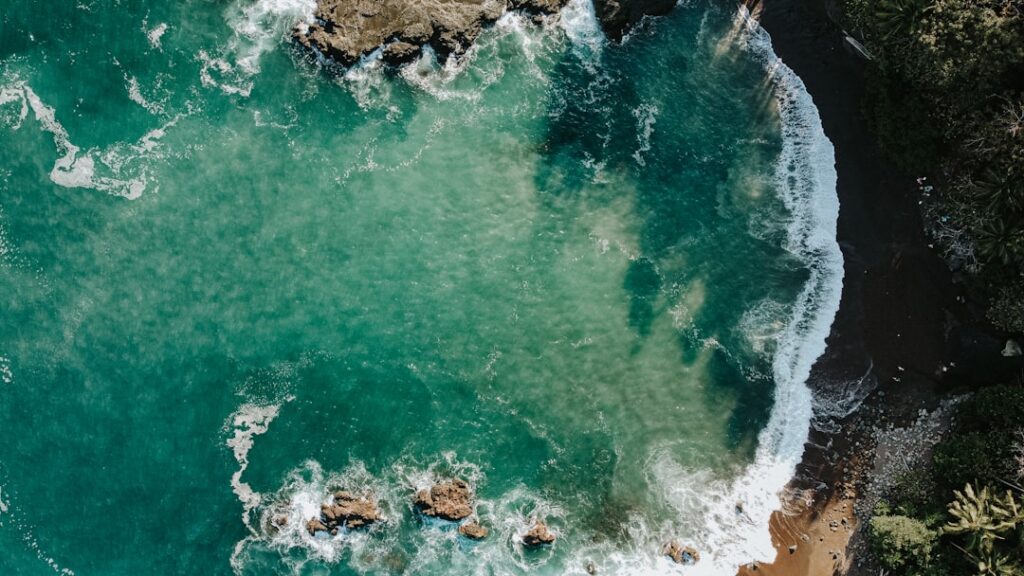
Santa Teresa, Costa Rica’s Essential Surf, Sunsets & Pura Vida Simplicity (2025)
While crowds flock to the manicured resorts of Tamarindo, Santa Teresa, Costa Rica delivers world-class surf and bohemian soul without the gated enclaves. Here, the main road is still unpaved, your morning soundtrack is the roar of ATVs heading to the break, and the dress code is permanently salt-crusted. Savvy travelers choose this 7-kilometer stretch of golden sand for its raw, authentic energy where a perfect wave and a $5 coconut are the day’s true luxuries.
Why Santa Teresa, Costa Rica Stands Out

A person standing on a beach holding a surfboard, Santa Teresa, Costa Rica
- Historic Architecture: The iconic Malpaís Surf Camp, established in the early 1990s, symbolizes the town’s genesis as a surfers’ frontier, built from local hardwoods with a focus on community.
- Cultural Scene: The weekly Friday Night Art Walk in Playa Carmen, where local galleries open their doors and artists mingle in the streets over live music and craft cocktails.
- Local Specialties: Fresh ceviche served in a *cajita* (little box) made from just-caught dorado or snapper, marinated in lime and local cilantro, found at roadside *sodas*.
Pro Tip: Visit during the shoulder seasons of May-June or November for the best balance of good weather, consistent surf, and manageable crowds. The “green season” (May-Nov) offers lush landscapes, lower prices, and afternoon storms that clear for spectacular sunsets, while the peak dry season (Dec-Apr) brings higher prices and more visitors.
Map of Santa Teresa, Costa Rica
Use these interactive maps to explore Santa Teresa, Costa Rica and plan your route:
📍 View Santa Teresa, Costa Rica on OpenStreetMap
🗺️ Open Santa Teresa, Costa Rica in Google Maps
Planning Your Trip: Practical Essentials
Getting There and Around
- By Air: Fly into Tambor Airport (TMU) via Sansa Airlines for a 25-minute flight from San José, then a 45-minute taxi; or into Liberia (LIR) for a 3-4 hour drive. Book flights at Skyscanner for best deals.
- By Train: No direct train service is available; the area is best accessed by road or air.
- By Car: A 4×4 is highly recommended for the rugged, unpaved roads, especially in the rainy season. The drive from San José takes 5-6 hours. Compare car rentals at RentalCars.com.
- Local Transport: ATVs are the vehicle of choice for navigating the sandy roads (~$50-70/day). Taxis are available but less common; walking along the beach path is often the most pleasant option for short distances.
Best Time to Visit
Your ideal time depends on your priorities: consistent waves, sunny weather, or budget-friendly solitude. The dry season promises sunshine, while the green season offers vibrant scenery and powerful surf.
| Season | Weather | Highlights |
|---|---|---|
| Dry Season (Dec–Apr) | Hot & sunny, 28-32°C (82-90°F), low humidity, almost no rain | Ideal beach days, bustling atmosphere, great for beginners; highest prices and crowds |
| Green Season (May–Nov) | Warm, 26-30°C (79-86°F), sunny mornings, afternoon showers | Lush landscapes, powerful surf for experienced riders, lower accommodation rates, fewer tourists |
| Shoulder (May–Jun/Nov) | Mix of sun and short rains, 27-31°C (81-88°F) | Best value, good surf conditions, vibrant nature without peak season congestion |
Budgeting for Santa Teresa, Costa Rica

A beach with palm trees, Santa Teresa, Costa Rica
| Category | Budget | Mid-range | Luxury |
|---|---|---|---|
| Accommodation | $40-70/night (hostel or basic cabina) | $100-200/night (boutique hotel or private villa) | $300+/night (luxury eco-lodge with pool & views) |
| Meals | $15-25/day (sodas, market fruit, self-catering) | $40-60/day (casual restaurants, smoothie bowls, coffee) | $100+/day (fine dining, premium cocktails) |
| Transport | $5-10/day (walking, shared taxi) | $50-70/day (ATV rental) | $100+/day (private driver, guided transfers) |
| Activities | $0-30/day (beach, hiking, free yoga classes) | $50-100/day (surf lesson, zip-lining tour) | $150+/day (private boat trip, spa treatments) |
| Daily Total | $60-135/day | $200-430/day | $650+/day |
Top Attractions and Must-See Sights
| Attraction | Description | Hours | Entry Fee |
|---|---|---|---|
| Surfing at Playa Santa Teresa | A consistent, long beach break suitable for all levels, with the most famous peak in front of the soccer field. | Dawn to dusk (best at high tide) | Free (board rental ~$20, lesson ~$60) |
| Montezuma Waterfalls | A 30-minute drive south leads to a series of stunning cascades where you can swim and cliff jump into natural pools. | Sunrise to sunset | Free (parking ~$2) |
| Sunset at Playa Hermosa | Just north of Santa Teresa, this wider, often quieter beach offers the region’s most dramatic Pacific sunsets. | Evening (sunset ~5:30pm year-round) | Free |
| Cabo Blanco Absolute Natural Reserve | Costa Rica’s first protected area, a pristine forest with hiking trails leading to a secluded beach, teeming with wildlife. | 8:00 AM – 4:00 PM, Wed-Sun | $12 for foreigners |
3-Day Itinerary: Santa Teresa, Costa Rica’s Highlights & Hidden Gems
Day 1: Surf, Sand & Sunset Initiation
- Morning (7-9 AM): Dawn patrol surf session at the main break. Rent a board from Pancho’s Surf Shop ($20/day) or take a lesson with a local instructor like Frank’s Surf Camp. The morning glass offers ideal conditions.
- Afternoon (12-3 PM): Refuel with a massive “Surfer’s Bowl” at Zula ($12) in Playa Carmen. Then, explore the tide pools at the rocky northern end of Santa Teresa beach during low tide.
- Evening (6-8 PM): Grab a cold Imperial beer and claim a spot on the sand at Playa Hermosa for the fiery sunset. For dinner, join the queue at El Patio for their wood-fired pizza and vibrant garden atmosphere.
Day 2: Adventure & Forest Immersion
- Morning (8 AM): Book a 2.5-hour ATV tour to hidden beaches and jungle viewpoints (~$75 per person). Your best bet is a guide who can show you secret spots like Playa Manzanillo.
- Afternoon (1 PM): Lunch on the garden patio at Katana, famous for its fresh sushi and tuna tataki. Then, visit the Rancho Cangrejo to see rescued scarlet macaws and learn about local conservation.
- Evening (6 PM): Experience the community vibe at the Friday Night Art Walk if you’re there on the right day, or enjoy live music and craft cocktails at Kika.
Day 3: Waterfalls & Farewell Feasts
- Morning (9 AM): Shared taxi ($15 per person) to the town of Montezuma. Hike 20 minutes upstream to the majestic Montezuma Waterfalls. Brave the 10-foot jump into the main pool if you’re feeling adventurous.
- Afternoon (1 PM): Lunch at Montezuma Beachfront Restaurant for ceviche and ocean views. Catch a taxi back and spend your final afternoon souvenir shopping at the boutique Shakti or relaxing in a hammock.
- Evening (6 PM): Splurge on a farewell dinner at Nativo, where Chef Pablo creates incredible farm-to-table tapas. For a final beach stroll, the bioluminescence in the wet season can sometimes make the waves glow.
Cultural Insights & Etiquette
- Language: Spanish is official; English is widely spoken in tourist areas. Learning a few phrases like “Pura Vida” (hello/thanks/all good), “Buenas” (hello), and “Gracias” is appreciated.
- Customs: “Pura Vida” is a lifestyle here—it means slowing down, being friendly, and appreciating simplicity. Greet shopkeepers when entering. Ticos (Costa Ricans) are non-confrontational and polite.
- Tipping: A 10% service charge is often added to bills; an additional 5-10% in cash for exceptional service is a generous gesture. Tip tour guides $5-10 per person.
- Dress Code: Extremely casual. Swimwear is fine for the beach and most cafes, but cover up with a shirt or sarong when walking in town or entering shops. Pack quick-dry clothing.
- Business Hours: Most shops open 9 AM – 6 PM. Restaurants serve lunch from 12-3 PM and dinner from 6 PM. Many smaller places may close one day a week, often Monday.
Where to Eat: Santa Teresa, Costa Rica’s Best Bites
The dining scene is an international fusion fueled by surfers and expats, but the heart of it remains fresh, local ingredients. You’ll find everything from gourmet sushi to traditional *casados* (plate lunches).
Must-Try Local Specialties
- Ceviche en Cajita: The ultimate beach snack—fresh raw fish “cooked” in citrus, served in a to-go box with crackers. Find the best at Soda La Amistad or any beachfront *soda*.
- Gallo Pinto: The national breakfast of rice and beans, often served with eggs, sour cream, and fried plantain. A staple at every hotel and Soda Teresa.
- Fresh Tropical Fruit: Seek out roadside stands for *piña* (pineapple), *maracuyá* (passion fruit), and *guanábana* (soursop), often sold chopped and ready to eat.
Restaurant Recommendations by Budget
| Type | Restaurant | Specialty | Price Range |
|---|---|---|---|
| Budget | Soda La Amistad (Main road, Santa Teresa) | Hearty *casados*, fresh fruit smoothies, and local vibe | $5-10 per meal |
| Mid-range | Zula (Playa Carmen) | Creative healthy bowls, salads, and breakfast all day | $12-20 per meal |
| Fine dining | Nativo (Santa Teresa hills) | Seasonal tasting menus and craft cocktails in a romantic jungle setting | $50+ per person |
Where to Stay
Accommodation ranges from surf hostels to luxurious villas, mostly spread along the main road or tucked into the jungle just behind it. Staying within a short walk of the beach is your best bet. Compare prices and book at Booking.com or Airbnb for apartments.
Best Neighborhoods for Accommodation
- Playa Santa Teresa (The Main Strip): The heart of the action, with easy beach access, most restaurants, and surf shops. Perfect for first-timers and surf enthusiasts, but can be dusty and noisy from ATVs.
- Playa Carmen: Just south, slightly more developed with excellent dining options like Zula and Katana. A great balance of convenience and a slightly more relaxed pace.
- Playa Hermosa (North End): Quieter, more spread out, with higher-end villas and resorts. Ideal for couples or those seeking tranquility, though you’ll need an ATV or bike to get to main restaurants.

Couple walks hand-in-hand in the ocean., Santa Teresa, Costa Rica
FAQs: Your Santa Teresa, Costa Rica Questions Answered
1. Is Santa Teresa, Costa Rica safe at night?
Generally, yes, but practice common sense. The beach path is not well-lit, so it’s better to walk along the main road at night. Keep valuables secure and never leave belongings unattended on the beach. Petty theft from rental cars or unlocked rooms is the primary concern.
2. What currency is used and are credit cards accepted?
The local currency is the Costa Rican Colón (CRC). US dollars are widely accepted, but you’ll often get change in colones. Credit cards (Visa/Mastercard) are accepted at most hotels and restaurants, but smaller *sodas* and tour operators are often cash-only. Your best bet is to carry a mix of small USD bills and local currency.
3. How do I get from the airport to the city center?
From Tambor Airport (TMU), pre-book a shared shuttle (~$25 per person) or private taxi (~$60) for the 45-minute ride. From Liberia (LIR), shared shuttles take 3-4 hours and cost ~$50-60 per person. Book airport transfers at GetYourGuide for convenience.
4. Do I need to speak the local language?
No, but it helps. English is spoken in most tourist-facing businesses. Learning basic Spanish greetings and phrases will enhance your interactions with locals and is considered respectful. A simple “¿Cuánto cuesta?” (How much?) and “¡Pura Vida!” will go a long way.
5. What’s the appropriate dress code?
Ultra-casual and functional. Pack swimwear, flip-flops, lightweight clothing, a sun hat, and a rash guard for surfing. A light rain jacket is essential in the green season. You won’t need formal wear; even the nicest restaurants are open-air and relaxed.
Final Thoughts: Santa Teresa, Costa Rica Awaits
Santa Teresa isn’t a place you simply visit; it’s a rhythm you adopt. It rewards those who trade schedules for sunsets
{“@context”: “https://schema.org”, “@type”: “FAQPage”, “mainEntity”: [{“@type”: “Question”, “name”: “What is the best time to visit Santa Teresa?”, “acceptedAnswer”: {“@type”: “Answer”, “text”: “The best time to visit Santa Teresa depends on your preferences. Generally, the dry season offers the most pleasant weather for sightseeing and outdoor activities.”}}, {“@type”: “Question”, “name”: “How many days do I need in Santa Teresa?”, “acceptedAnswer”: {“@type”: “Answer”, “text”: “Most travelers spend 3-5 days in Santa Teresa to see the main attractions. A week allows for a more relaxed pace and day trips.”}}, {“@type”: “Question”, “name”: “Is Santa Teresa expensive to visit?”, “acceptedAnswer”: {“@type”: “Answer”, “text”: “Santa Teresa can be visited on various budgets. Accommodation ranges from hostels to luxury hotels, and local restaurants offer affordable dining.”}}]}
Related Guides
Explore more destinations similar to Santa Teresa:
- Hua Hin, Thailand’s Hidden Royal Heritage, Seafood Feasts & Serene Beaches (2025)
- Churchill, Canada’s Ultimate Polar Bears, Northern Lights & Arctic Adventure (2025)
- Koh Libong, Thailand’s Ultimate Dugongs, Seagrass & Untouched Beaches (2025)
- Fajã dos Cubres, Portugal: Best Coastal Serenity, Volcanic Ponds & Timeless Tradition (2026)

