
Samborombón, Argentina Weekend: Wetlands, Gauchos & The Silence That Stretches to the Horizon (2026)
You step off the dirt road and the only sound is wind scouring the pampas – that low, constant hum across the feathery grasses. The air smells of salt and damp earth, a mix of the Rio de la Plata just beyond the reed beds and the wild herbs crushed underfoot. In the distance, a flock of flamingos lifts as one, a sudden pink explosion against the grey-blue sky. This is Samborombón, where the weekend unfolds at the pace of the tides.
Quick Facts Before You Go
- Best Months: March–May and September–November – mild temperatures and peak bird migration. Summer (Dec–Feb) is hot and humid; winter (June–Aug) is chilly but good for spotting rheas and armadillos.
- Currency: Argentine Peso (ARS). As of 2025, around 1 USD = 950 ARS (official rate). You’ll get a better rate using blue-market exchanges – ask your hotel or look for cuevas in nearby San Miguel del Monte.
- Language: Spanish. English is spoken at a few estancias and in the reserve’s visitor center, but travelers will find a phrasebook handy. Most locals respond warmly to any attempt at Spanish.
- Budget: USD 80–120 per day for mid-range comfort (lodging, meals, park fees). A splurge estancia stay can run $150–$250 per night with full board.
- Getting There: Fly into Buenos Aires Ministro Pistarini (Ezeiza, EZE) – about 14 hours from New York or 13 from London. From Ezeiza, it’s a 2.5-hour drive south to Samborombón. Rent a car at the airport; book at Skyscanner. Alternatively, take a bus from Buenos Aires to San Clemente del Tuyú (3 hours) and then a taxi (45 minutes) to the reserve.
Day 1: The Estancia & The Flamingo Flamenco
You start the morning not with an alarm clock but with the calling of southern screamers – a raucous dawn chorus from the marshes. After a quick mate tea (your host at the estancia will insist), you’ll be riding out on horseback across the pampas, a gaucho guiding you through grasslands that seem to have no end. The wind is your constant companion.

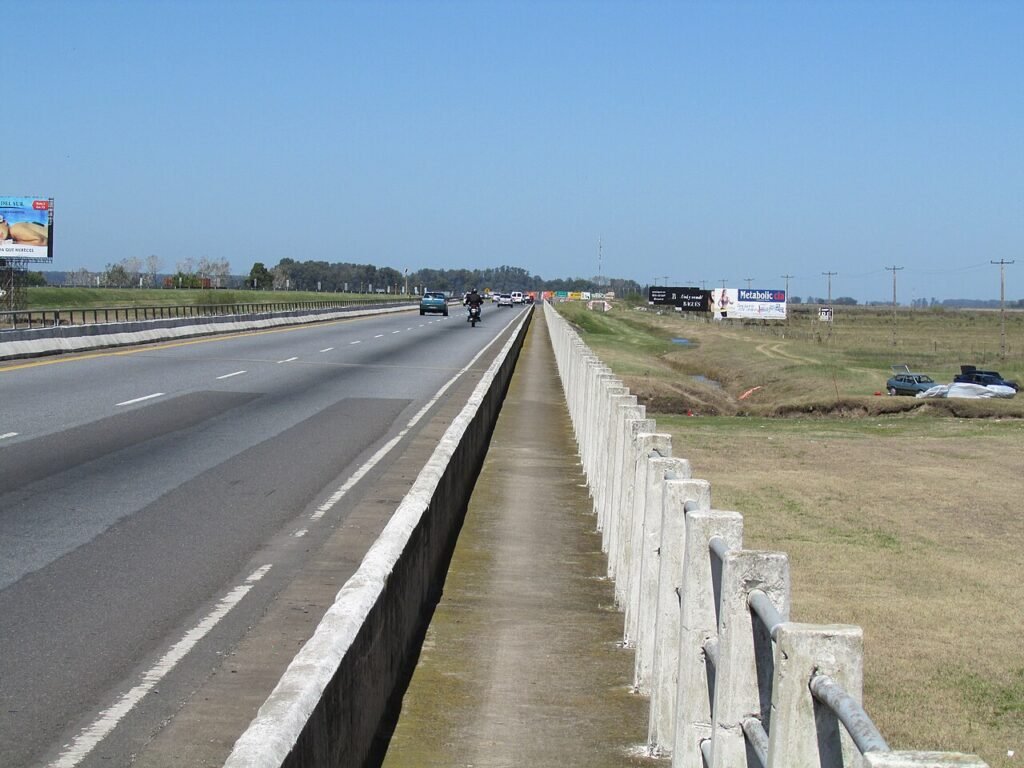
Se ilusta el edificio de la Estación de Tren de Samborombón, Samborombón, Argentina
- Morning (8–11am): Horseback ride at Estancia La Pelada (Reserva Natural de la Sociedad Rural de Samborombón, ARS 4,500 per person, ~$5 USD). You’ll follow the edge of the bay, spotting capybaras lazing in the mud and, if you’re lucky, a pampas fox slinking through the tall grass. The gaucho will point out the old cattle paths now reclaimed by water. Return for a mid-morning snack of empanadas de carne baked in the estancia’s wood-fired oven.
- Lunch: Parrilla El Alero (Ruta Provincial 11, Km 198) – the only proper restaurant in the area. Locals recommend the chivito al asador (whole roasted kid goat, ARS 7,500) – a specialty of the region, slow-cooked on a spit over quebracho wood. Order the provoleta (grilled provolone) to start, and drink a Quilmes beer (ARS 800). The atmosphere: raw, rough wooden tables, sawdust floor, parrots screeching in a cage outside the kitchen.
- Afternoon (1–5pm): Visit the Reserva Natural de la Bahía de Samborombón (free entry, open 8am–6pm). This UNESCO-recognized wetland is a Ramsar site and one of the most important bird habitats in South America. You’ll walk the boardwalks that snake through the juncos (reeds) – bring binoculars. Travelers often discover the Laguna de los Flamencos, a shallow lagoon where hundreds of Chilean flamingos gather in late afternoon light. The ranger, Jorge, gives impromptu tours in Spanish; he’ll show you the hidden trails to the old salt mines used by the Jesuits in the 1700s. Plan to spend at least three hours – the silence is addictive.
- Evening: Dinner at Estancia La Pelada (included in full-board packages, or ARS 8,000 for non-guests). The menu changes with the season, but you’ll likely get sorrentinos de calabaza (pumpkin-stuffed pasta) followed by bondiola de cerdo a la leña (pork shoulder slow-roasted on the fire). After dinner, the gauchos gather for guitar and folk songs around the fire pit. The stars here are staggering – you’ll see the Southern Cross and the Magellanic Clouds with naked eyes.
Day 2: The Coastal Marsh & Fishermen’s Tales
Day two shifts from the vast interior to the edge of the Rio de la Plata. You’ll trade the open pampas for tidal creeks and sandbanks that appear only at low tide. The rhythm is different – you move with the water, not the wind. Local fishermen call this “the hour of the ghost” when the fog lifts and the mullet start jumping.
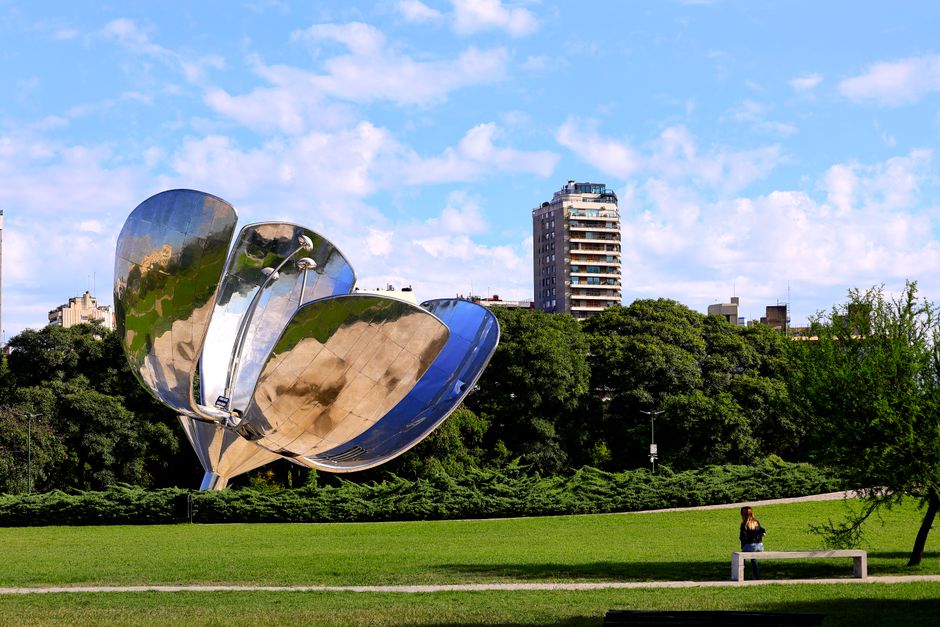
Floralis Generica sculpture in a Buenos Aires park with buildings in the ba…, Samborombón, Argentina
- Morning (6am–10am): Sunrise fishing excursion with Guía Pesca Samborombón (ARS 12,000 per boat, up to 4 people, tackle included). You’ll launch a small skiff from the mouth of the Rio Salado at Punta del Este (no, not that Punta del Este – this one is a tiny fishing village with a single kiosk). Your guide, Juan, will show you how to cast for sábalo (a local carp-like fish) and pejerrey (silverside). The trick is to match the tide – you need an outgoing tide in the early hours. Breakfast is a thermos of mate and facturas (pastries) bought from the village baker at 7am sharp. Back on land, you’ll clean your catch or release it.
- Midday (11am–1pm): Explore the Pueblo de Samborombón proper – a tiny grid of streets with about 500 residents. The main attraction is the Capilla San Ramón (built 1764), a whitewashed adobe chapel with a bell tower that looks like it might fall over in a strong breeze. Inside, a simple wooden altar and faded frescoes of the saint. The key is kept by Doña Elena at the yellow house next door; she’ll let you in for a small donation (ARS 500). Most tourists overlook this humble gem, but it’s one of the oldest still-standing structures on the eastern pampas. The churchyard holds graves of early Basque settlers and a single plaque commemorating the British invasion of 1806 – a story the locals love to tell.
- Afternoon (1–5pm): Lunch at El Descanso del Pescador (on the main road, just before the bridge) – a ramshackle affair with plastic chairs and a parrot that swears in Spanish. Order the paella mixta de pescado (ARS 6,000) – it comes overflowing with local seafood: shrimp from the bay, mussels from the rocks, and a fillet of surubí (a catfish from the Rio de la Plata). The owner, Carlitos, catches the fish himself in the morning. After lunch, drive 15 minutes south to Balneario del Sol, a stretch of beach that appears only at low tide. You can walk a full kilometer out onto sand flats that shimmer with salt crusts. It’s eerie and beautiful – the world flattens to a mirror of sky and mud.
- Final Evening: Farewell dinner at Estancia San Juan (20 km north, on Ruta Provincial 11) – a restored 19th-century ranch that opens its dining room to non-guests by reservation. The specialty is lechal al disco (milk-fed lamb cooked in a cast-iron disk over an open fire, ARS 10,000 per person). Book ahead by calling +54 2246 59-1234. The dining room is lined with antlers and old sepia photos of the ranch’s founding family. After dinner, take a last walk along the estuary path – the frogs are loudest just before nine, and the sky turns the color of a bruised peach.
The Food You Can’t Miss
You’ll eat beef, yes – this is Argentina – but in Samborombón, the food tells a story of the estuary. The star ingredient is the sábalo, a bony river fish that locals turn into sábalo a la parrilla – butterflied, salted heavily, and grilled over embers until the skin crisps. You’ll find it at any roadside parrilla for around ARS 3,500. The secret is to eat it with your hands, pulling the flesh from the bones in a ritual that dates back to the indigenous Guaraní.
For something sweet, seek out dulce de leche de cabra – a goat’s milk version of the classic caramel that Samantha and the other ranchers produce. The Feria Artesanal de los Domingos (Sundays 10am–2pm, on the plaza) has a lady who sells jars of it for ARS 2,000. Spread it on the rough bread made in the wood ovens of Panadería La Estrella (Ruta 11, Km 201) – they also sell torta frita (fried dough disks) that you’ll eat on the beach, sprinkled with coarse sugar.
One street-food recommendation that savvy visitors must try: chori-pan de pescado – a fish chorizo sandwich (yes, fish sausage!) sold from a cart outside the reserve entrance on weekends. It sounds odd but the herby, smoky flavors work; ARS 2,000. Wash it down with a glass of vermut local – the bartender at Bar El Rincón (the only bar in town) mixes a mean Fernet con cola (the unofficial drink of Argentina, ARS 1,500) and will happily tell you how his grandfather fished these waters in the 1950s.

Scenic view of a monument in Buenos Aires surrounded by greenery and urban …, Samborombón, Argentina
Where to Stay for the Weekend
Your best bet is to base yourself in one of the restored estancias that dot the wetland’s edge. They offer the full gaucho experience – horseback riding, asado dinners, and nights by the fire. Two stand out:
Estancia La Pelada (book via Booking.com or direct: +54 2246 59-0987) offers ten rooms in the original ranch house, with high beamed ceilings and creaky floors. A double room with full board (breakfast, lunch, dinner) costs about USD 180 per person per night. The rooms are simple – no TV, spotty Wi-Fi – but you’re here for the silence, remember? Locals recommend the habitación del fundador (founder’s room) with a window facing the marsh.
Estancia San Juan (also on Airbnb) is slightly more upscale, with a swimming pool and a wine cellar. Rooms start at USD 200 per night with half board. The owners, the López family, have been here since 1880, and the house is a museum of antiques – old horse saddles, a gramophone, even the original kitchen bell system. They offer cooking classes in making locro (a hearty stew) on Saturday afternoons.
For budget travelers, there are a few basic cabañas (cabins) in the village: Cabañas Punto Sur (ARs 30,000 per night) – clean, with a shared kitchen, but bring mosquito repellent. Book via their Facebook page “Punto Sur Samborombón”.
Before You Go: Practical Tips
- Getting Around: A rental car is essential – there is no public transport within the reserve. Rent from Hertz at Ezeiza (~USD 60/day) or from local agency Alquileres Pampeanos (call +54 2246 15-4321) for about USD 45/day. The roads are mostly gravel; a 4×4 isn’t required but a sedan with high clearance helps. Gas (nafta) stations are scarce – fill up in San Clemente del Tuyú before heading in.
- What to Pack: 1) Insect repellent with DEET – the mosquitoes in the marsh are ferocious at dusk. 2) Binoculars – the birdwatching is world-class and you’ll regret borrowing someone else’s. 3) A windbreaker – the pampas wind is constant and can be chilly even in summer. 4) A headlamp – the estancias keep the path to your room unlit, and you’ll want to spot the glowing eyes of capybaras in the dark.
- Common Tourist Mistakes: Most tourists overlook the tidal schedule. If you arrive at high tide, the beach at Balneario del Sol disappears and you’ll wonder why anyone recommended it. Check the tide tables at tablasdemareas.com for the Río de la Plata coordinates (36°S, 57°W). Also, don’t assume you can find a restaurant for dinner after 9pm – many places close by 8; book ahead or eat at your estancia.
- Money-Saving Tip: Avoid exchanging money at official kiosks in the village. Instead, withdraw pesos from the ATM in San Clemente del Tuyú (Banco Provincia, at Calle 1 y 2) – it gives the blue market rate. You can save about 30% compared to paying with a credit card. Also, bring a thermos and yerba mate – buying mate at the supermarket costs a fraction of what you’d pay at cafes, and locals will share their hot water for free if you ask.

