
Saint Pierre and Miquelon, France Weekend: Ferry Rides (2026)
You step off the ferry and the first thing that hits you isn’t the salt air—it’s the smell of warm butter croissants drifting from a bakery two blocks away. The chatter around you is French, with a lilting accent you haven’t heard anywhere else. Within ten minutes, you’re sipping an espresso at a seaside café, watching fishing boats bob in the harbour, and realizing you’ve just crossed the Atlantic without leaving North America. This is Saint Pierre and Miquelon—a sliver of France that feels like a secret.
Quick Facts Before You Go
- Best Months: June to September – warmest weather (15–22°C), reliable ferry crossings, and the puffins are still hanging around the cliffs. July and August bring the most festivals and the liveliest atmosphere.
- Currency: Euro (€) – roughly €1 = $1.10 USD. Canadian dollars are accepted at par in many shops, but you’ll get change in euros. Better to bring euros for simplicity.
- Language: French is the official language. English is spoken by most people working in tourism and in the main shops, but don’t expect it in smaller villages. Savvy visitors learn a few phrases: “Bonjour,” “Merci,” “Où sont les toilettes?”
- Budget: Expect €110–€150 per day per person (includes mid-range accommodation, three meals, one attraction, and a couple of drinks). Budget travelers can manage on €80 if they cook and skip tours.
- Getting There: Fly into St. John’s, Newfoundland (YYT) then take a 45-minute Air Saint-Pierre flight (about €250–€350 round trip). Or catch the ferry from Fortune, Newfoundland – 2.5 hours, around €60 one way. Book flights at Skyscanner.
Day 1: Arriving in a Little Piece of France – Café, Cod, and a Côte d’Azur Sunset
You wake up on the ferry with the taste of salt on your lips and the silhouette of Saint-Pierre’s lighthouse growing on the horizon. The boat docks right in the heart of town, so you walk off with your luggage and are immediately swallowed by a street built of colourful wooden houses, French flags, and the sound of a distant accordion. Locals wave from the docks; a fisherman mends his nets. You feel like you’ve stepped into a Jules Verne novel. Morning begins with a coffee and a pain au chocolat at the best bakery in town – but we’ll get to that.
- Morning (8–11am): Start at the Heritage Museum (Musée Héritage) – 10 Rue du Docteur Briand, €5 entry. You’ll discover the islands’ surprising history: settled by Basques, French, and British over centuries, once a notorious smuggling hub for rum and tobacco during Prohibition. The museum is small but packed with ship models, Prohibition-era artifacts, and a haunting 1944 photo of the island after a fire destroyed half the town. Plan 45 minutes. Then wander through the narrow streets of the town core – stop at the red-and-white lighthouse (Phare de Saint-Pierre) for a photo overlooking the harbour.
- Lunch: Head to Le Café de la Gare – 1 Rue Albert Briand, about 50 metres from the ferry dock. The must-order dish: *moules-frites* (mussels steamed in white wine and cream with a side of crispy fries) for €16. The terrace is perfect – you’ll watch ferries come and go while seagulls keep an eye on your fries. Seasoned travelers also recommend the *plateau de fruits de mer* (€28) if you’re sharing.
- Afternoon (1–5pm): Two expert-level options. Option A: Book a 2-hour guided boat tour of the islands with Croisières Saint-Pierre (€45 per person, departs at 2pm from the marina). You’ll circumnavigate the small island of Miquelon-Langlade, spot puffins, grey seals, and maybe a whale, while the captain tells stories of wrecked ships and ghost islands. Option B: Rent a bike (from La Petite Reine, €20 half-day) and cycle the coastal path to Cap à l’Aigle. It’s only 6 km – but the wind can be fierce, so allow 2 hours. At the cape, you’ll find a wooden cross and panoramic views of the Atlantic. Bring a picnic – you’ll want to sit.
- Evening: Dinner at Restaurant L’Atelier Gourmand – 7 Rue du 22 Novembre, about a 10-minute walk from the centre. This is where locals go for a special occasion. You’ll be welcomed into a warm, wood-panelled dining room with candles and wine bottles on the walls. The signature dish: *salmis de canard* (duck stewed in red wine with mushrooms) for €22. After dinner, wander to Bar Le Cormoran for a glass of local rum (made from the islands’ own sugar supplies, a legacy of Prohibition). Live music often happens on Friday nights – check the chalkboard outside. You’ll leave at 11pm, the sky still pink over the harbour.
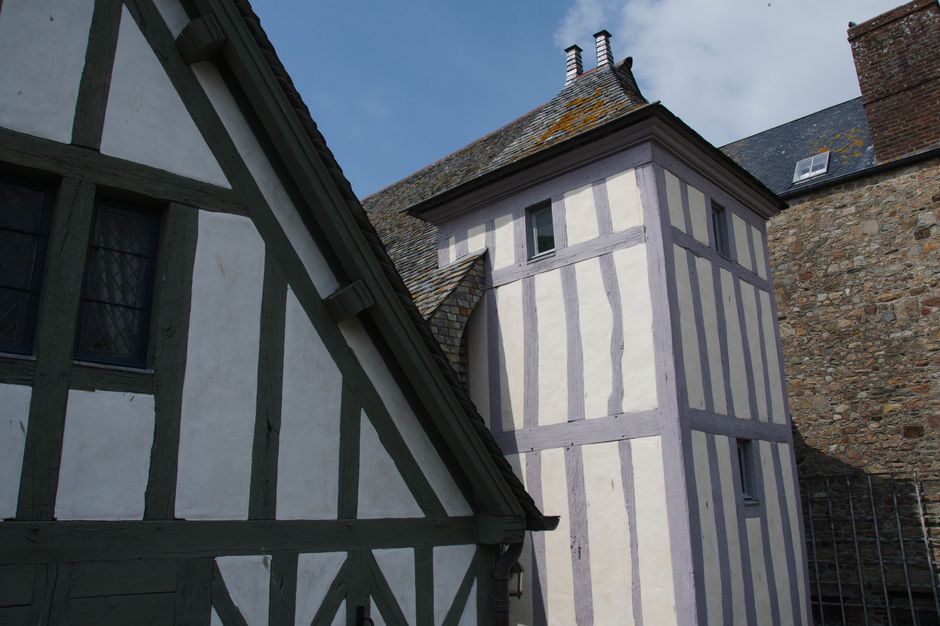
A traditional half-timbered house design in Mont Saint-Michel, Saint Pierre and Miquelon, France
Day 2: Miquelon’s Wild Heart – Lobster Lures and Untamed Paths
Day two demands an early start. You’ll catch the 7:30am ferry from Saint-Pierre to Miquelon (€12 round trip, 35 minutes). The crossing can be choppy – seasoned visitors recommend gum if you’re prone to seasickness. You arrive at the tiny village of Miquelon, population 600, and the silence is immediate. The only sounds are wind, waves, and a lone dog barking at a seal. This is the untouched, raw side of the archipelago – less tourism, more Atlantic soul.
- Morning (7:30–11am): First stop: breakfast at Le Café du Port – right by the Miquelon dock. Grab a *galette complète* (a buckwheat crepe with ham, egg, and cheese – €9) and a coffee. The owner, Marie, will likely chat with you about the day’s weather and recommend a walk. After breakfast, head to the trailhead for the Sentier du Cap. It’s a 4.5-km coastal hike (easy, flat) that takes you to the ruins of a 19th-century saltworks and a beautiful pebble beach. Allow 2 hours. You’ll pass wild blueberries in August – locals recommend picking and eating them.
- Midday (11:30am–1pm): The main attraction on Miquelon is the Grand Barachois Lagoon, a protected bay famous for seabird colonies. You can reach it by following the road east out of the village for 3 km – walk or rent a bike (available at the dock, €15 half-day). Insider tip: go between 11:30am and 12:30pm – the tour boats haven’t arrived yet, so you’ll have the viewing platform to yourself. You’ll see oystercatchers, terns, and if you’re lucky, a puffin or two. Don’t forget binoculars.
- Afternoon (1–4pm): Head back to the village and explore the quiet streets. Visit the small Église Saint-Pierre de Miquelon (built 1876) – its interior is plain but touching, with a hand-carved wooden altar. Then wander to the Maison du Patrimoine (Heritage House), a small museum in a historic home (€3, open 2–5pm). It’s run by a retired fisherman who will tell you about the cod-fishing boom and the island’s near-abandonment in the 1990s. For a late lunch, stop at the only grocery store – Épicerie de l’Île – and buy a baguette, some local cheese (try the *tome de brebis* from a farm on the island), and a jar of homemade rillettes. There’s a picnic table by the church – you’ll eat with a view of the sea.
- Final Evening (5pm onward): Take the 5:15pm ferry back to Saint-Pierre. On arrival, you’ll want a proper farewell dinner. Book at Le Quai West – 2 Rue Jean Jaurès, a short walk from the ferry. The speciality: whole grilled lobster (€38) served with garlic butter and a side of crispy potatoes. The vibe is nautical chic – wooden tables, lanterns, and a fireplace. Order a glass of Muscadet (€6) to pair with the lobster. After dinner, finish with a *tarte aux pommes* and a calvados (€4.50). As you walk back to your hotel, the harbour lights reflect on the water and you hear the ferry horn one last time – you wish you were staying.

Stunning aerial view of Mont Saint-Michel, Saint Pierre and Miquelon, France
The Food You Can’t Miss
Saint Pierre and Miquelon’s food is a glorious collision of French technique and North Atlantic abundance. You’ll find butter, cream, and wine on every table, but it’s the seafood that steals the show. Locals recommend starting every meal with a dozen *huîtres de Miquelon* (oysters from the lagoon) – they’re plump, briny, and cost only €8 per half-dozen at the fresh fish market near the harbour (open 8am–noon). Street food is less common, but you must try the *foie gras burger* from Le Bistrot du Port (€12) – a brioche bun with a seared duck liver patty, caramelized onions, and a drizzle of balsamic – it’s the islands’ answer to fast food.
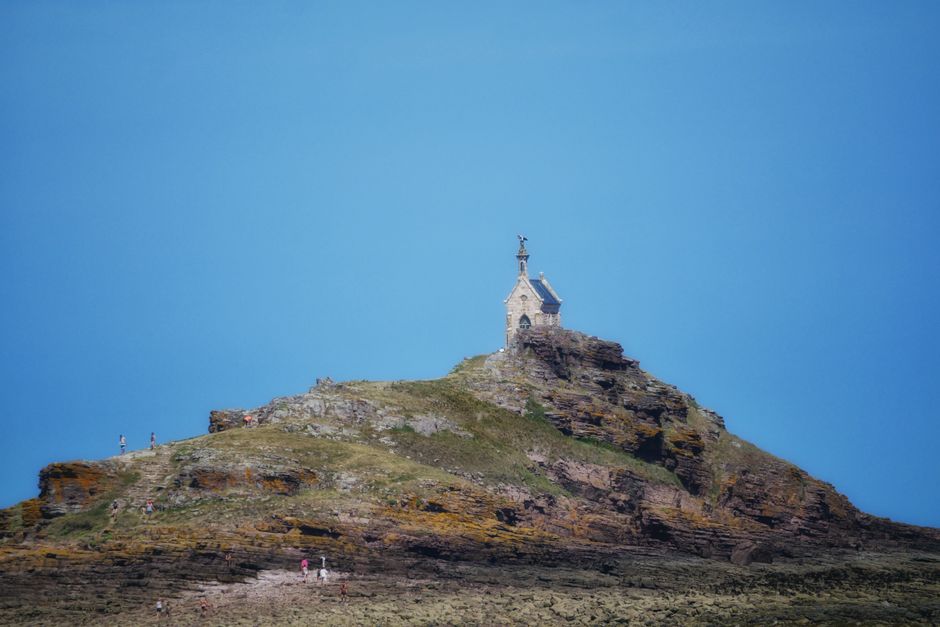
Chapel on rocky hill under blue sky in Erquy, Bretagne, France., Saint Pierre and Miquelon, France
For restaurant dining, locals rave about La Table des Pêcheurs (6 Rue du Docteur Briand, €30–€45 per main). The chef, a fourth-generation fisherman’s son, serves “dockside tasting menus” built around the day’s catch. The Thursday night special: *rouget au beurre de citron* (redfish with lemon butter) for €18. Reserve a week ahead in summer. For a more casual evening, order a *tartiflette aux Saint-Pierre* (potatoes, reblochon cheese, bacon) at Chez Miguel (rue Albert Briand, €14) – it’s the ultimate comfort food after a windy afternoon.
Don’t leave without trying the local rum – yes, rum. The islands have a history of rum production going back to the 1700s, and you can tour the Distillerie de Saint-Pierre (open weekends, €5 tasting). The *rhum ambré* is smoky and sweet; the *liqueur de cassis* (blackcurrant liqueur) is a wonderful souvenir. You’ll find bottles at the distillery shop for €25 each.
Where to Stay for the Weekend
The best base for a weekend is the town of Saint-Pierre itself – it’s compact, walkable, and close to everything. The most recommended neighbourhood is the area around Rue du 22 Novembre and the marina – it’s quiet at night but minutes from cafés and restaurants. Hotel Robert (4 Rue du 22 Novembre, €90–€120 per night) is a charming, family-run hotel with 12 rooms, each named after a ship that fished these waters. Your room will have floral wallpaper, a view of the harbour, and a breakfast basket of croissants and jam delivered to your door each morning.
If you want to stay on Miquelon (recommended only if you have an extra two days), book La Maison des Pêcheurs (€75 per night via Airbnb). It’s a tiny restored fisherman’s cottage with a wood stove and no Wi-Fi – exactly the escape you didn’t know you needed. Search both islands on Booking.com and Airbnb for current pricing.
Before You Go: Practical Tips
- Getting Around: Walking is your best bet within Saint-Pierre – the whole town is only 1.5 km across. For Miquelon, bring a bike or rent one at the dock for €15/day. Taxis exist but cost €10–€15 for short trips; there’s no rideshare. The ferry between islands runs 3–5 times daily in summer (€12 one way). Rent a car from Eurocar (€50/day) only if you plan to explore the far southern tip of Miquelon, but the roads are rough and unpaved – keep speed under 30 km/h.
- What to Pack: A waterproof jacket (even in August, rain is constant), sturdy walking shoes, a light sweater (temperatures rarely hit 25°C), and binoculars for birding and boat tours. Also bring cash in euros – many small shops and food stalls don’t accept cards.
- Common Tourist Mistakes: First, assuming you can just show up for the ferry from Fortune without a reservation – in July and August, book at least a week ahead. Second, packing for a Mediterranean trip – you’re in the North Atlantic; the wind is no joke. Locals recommend a wool base layer even in midsummer.
- Money-Saving Tip: Instead of a hotel breakfast (often €12–€15), visit Boulangerie de la Pointe (7 Rue du Port) and grab a croissant (€1.20) and coffee (€1.50) to eat on the waterfront bench. You’ll save €10 per morning – enough for a glass of Muscadet at dinner.

