
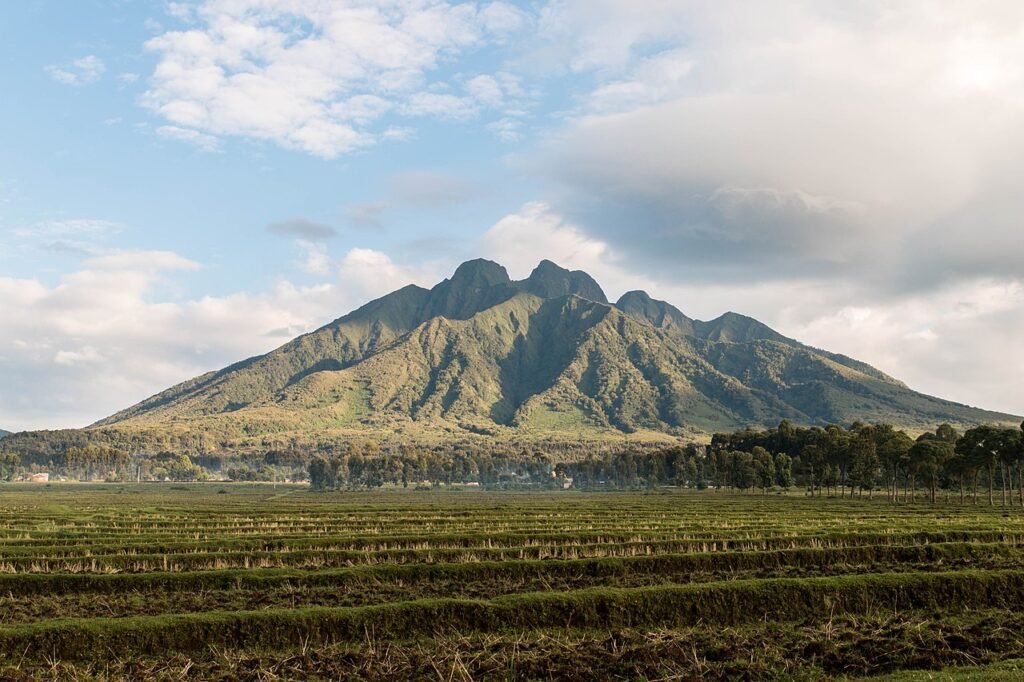
Sabyinyo, Rwanda for Adventurers: 7 Trails That Put the Alps to Shame (2026)
Your boots sink into the volcanic mud as mist swirls around your knees at 3,600 meters. The air is thin and electric. Ahead, the jagged summit of Sabyinyo—which locals call “the old man’s teeth”—cuts through the clouds like a dinosaur spine. You hear the crack of a branch to your left, and your heart stops. A silverback mountain gorilla emerges from the bamboo, beats his chest once, and vanishes. Welcome to the most adrenaline-soaked hiking on Earth.
The Main Event: Gorilla Trekking on Sabyinyo’s Slopes
Gorilla trekking in Volcanoes National Park isn’t just wildlife viewing—it’s a full-body, multi-hour bushwhack through some of the most challenging terrain you’ll ever encounter. Your day begins at 6:30 a.m. sharp at the park headquarters in Kinigi, where you’ll be assigned to a specific gorilla family group. The briefing covers safety protocols: stay 7 meters from the gorillas, no flash photography, and if a silverback charges, crouch low and avoid eye contact. After the briefing, you’ll pile into a 4×4 and bounce along muddy tracks to the trailhead, where your guide and a team of porters await.
The trek itself ranges from 1 to 6 hours depending on where the gorillas are feeding that day. Sabyinyo’s gorilla groups are notoriously mobile—they can cover 2 kilometers of steep, vine-choked terrain before breakfast. You’ll scramble up slopes so steep you’ll grab roots for handholds, push through stinging nettles that will leave your forearms tingling for hours, and cross streams on slippery logs. The cost is steep too: $1,500 per permit (yes, that’s per person), but travelers discover that the hour you spend with the gorillas—making eye contact with a 400-pound silverback while his infants tumble through the bamboo—is the single most profound wildlife experience on the planet. Insider tip: Hire a porter ($20) at the trailhead. You’ll feel silly at first, but when you’re gasping for air at 3,000 meters and they’re carrying your daypack, you’ll thank yourself.
Activity #1: The Sabyinyo Summit Hike
If gorilla trekking isn’t enough of a physical challenge, the Sabyinyo summit hike will push you to your absolute limit. This is the most technical non-gorilla hike in Volcanoes National Park, climbing from the trailhead at around 2,500 meters to the 3,674-meter summit. You’ll start from the park headquarters in Kinigi by 7 a.m. with a mandatory guide (book through the Rwanda Development Board at +250 788 381 489 at least a week in advance). The trail begins gently through farmland and eucalyptus groves, but within an hour you’re in the bamboo zone, and the gradient kicks up to a punishing 45 degrees in places. The last section to the summit is a hands-on scramble up volcanic rock with sheer drops on either side—this is where the “adventure” part really kicks in. The total cost is $75 for the park entry plus $40 for a guide. You’ll need 6 to 8 hours round-trip, and seasoned travelers recommend starting no later than 7 a.m. to avoid the afternoon thunderstorms that roll in almost daily between March and May. Bring 3 liters of water, electrolyte tablets, and a waterproof jacket. The summit offers a three-country view of Rwanda, Uganda, and the Democratic Republic of Congo that will make every screaming muscle worth it.
Activity #2: Golden Monkey Tracking
After the intensity of gorilla trekking, golden monkey tracking is a delightful change of pace—still active, still in the forest, but with a fraction of the physical demand. These endemic primates, with their striking golden-orange fur and black faces, live in troops of 60 to 100 individuals in the bamboo forests on Sabyinyo’s lower slopes. You’ll meet your guide at the Kinigi park headquarters at 7 a.m., pay the $100 permit fee, and drive 20 minutes to the trailhead near the village of Nyabigoma. The hike takes 1 to 2 hours through relatively gentle terrain—though you’ll still get muddy—before you locate the troop. Once you find them, you get a full hour of observation, and these monkeys are anything but shy. They’ll swing directly overhead, crash through the bamboo, and occasionally stop to stare at you with open curiosity. High-season visitors (June to September and December to February) should book permits through the Rwanda Development Board website at least two weeks ahead. Locals recommend bringing a small umbrella—the golden monkeys love to shake water off branches directly onto visitors, and the forest canopy offers no protection from the frequent drizzle.
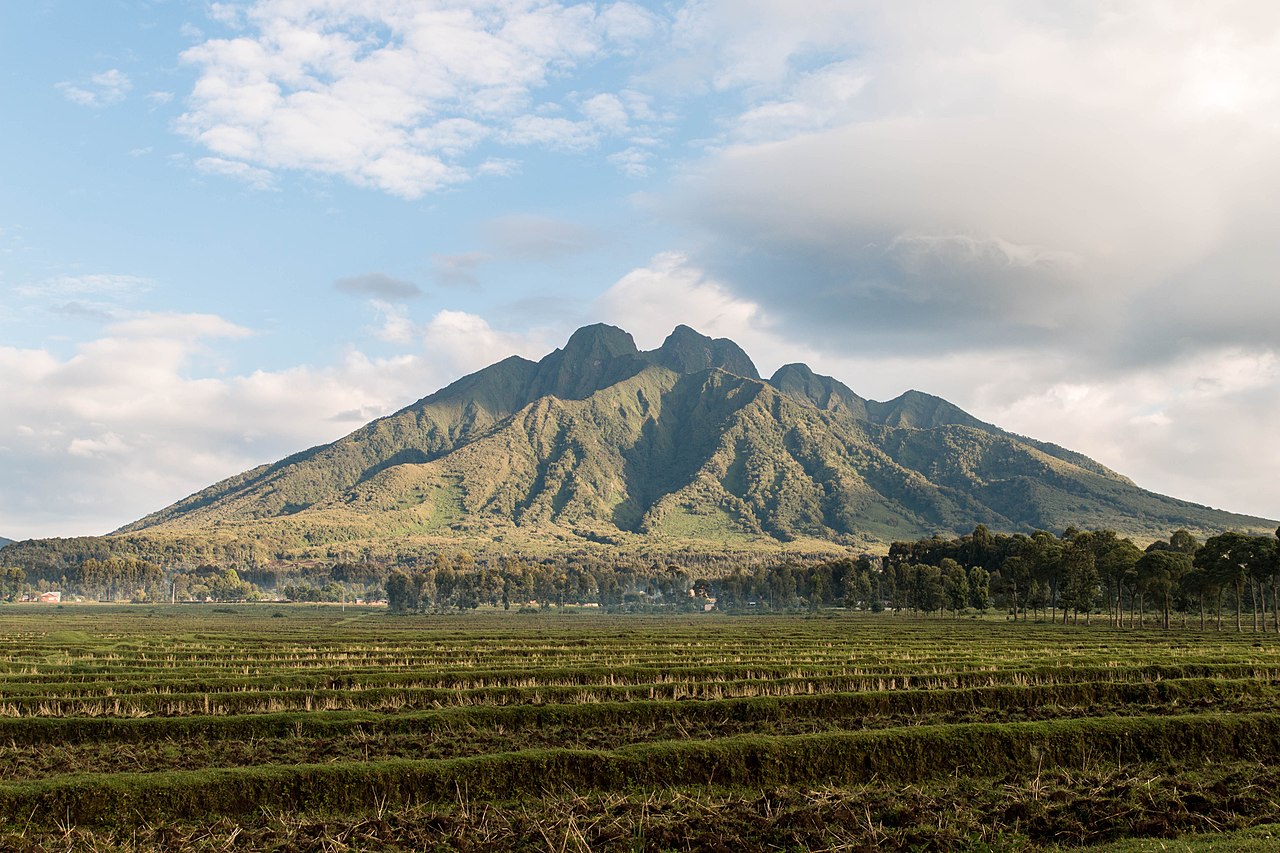
Sabyinyo is an extinct volcano in eastern Africa., Sabyinyo, Rwanda
Refuel: Where Adventurers Eat
After a day of scrambling up volcanoes and trailing primates, you’ll need serious fuel. Ubumwe Grande Restaurant in Musanze town serves the best post-trek meal in the region: a heaping plate of brochette (grilled goat skewers, $5 for four), chips (fries), and a cold Primus beer ($2). The outdoor terrace overlooks the garden, and the waitstaff are used to serving mud-caked, exhausted hikers. For something more refined, Hotel La Palme offers a three-course dinner for $18 that includes creamy pumpkin soup, grilled tilapia with plantains, and a passion fruit mousse that tastes like the tropics in a bowl. Many guides eat here, which tells you everything. If you want a quick, cheap lunch before or after an activity, Shakee’s Café on Main Street in Musanze does fresh samosas ($1 for three) and powerful Rwandan coffee (50 cents). Savvy visitors stock up on their homemade banana bread ($2) for energy on the trail—it’s dense, sweet, and won’t crumble in your pack. For a truly local experience, join the evening grill at Gorilla’s Nest, where a charcoal fire turns out sizzling goat and beef brochettes from 6 p.m. nightly. Dinner for two with drinks runs about $15, and you’ll be sharing the courtyard with local guides swapping stories from the day’s treks.
Base Camp: Where to Stay
You have three solid options for your Sabyinyo adventure base, each catering to a different budget and style. Bisate Lodge is the splurge—a collection of six tented suites set into the hillside with panoramic views of the Virunga volcanoes. Rates start at $800 per night including all meals and a private butler, and the location is unbeatable for early-morning treks (you’re 15 minutes from the park entrance). The lodge provides gear storage, packed breakfasts for early departures, and even laundry service for your muddy hiking clothes. For mid-range travelers, Hotel La Palme in Musanze town offers clean, comfortable rooms from $85 per night. The staff will prepare a boxed breakfast at 5 a.m. if you’re leaving before the restaurant opens—just ask the night before. Budget adventurers should book Kinigi Guesthouse for $30 per night with shared bathrooms and no frills, but with the closest proximity to the park headquarters (a 5-minute walk). All three options can be booked through Booking.com—book at least three months ahead for June through September.
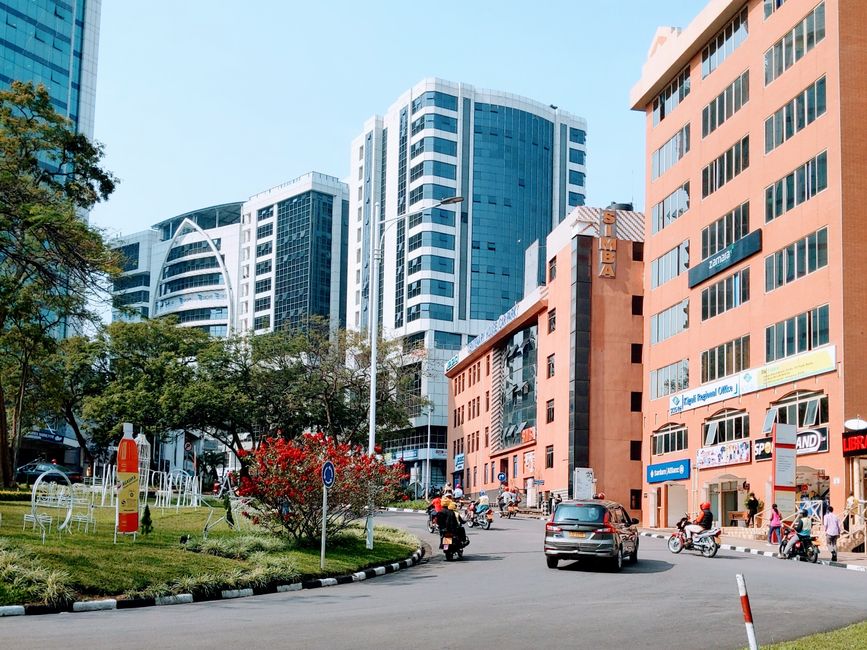
Vibrant cityscape of Kigali showcasing modern high-rise buildings on a sunny day, Sabyinyo, Rwanda
Gear & Prep Checklist
- Waterproof hiking boots with ankle support—the volcanic mud is slick as grease, and nylon trail runners will leave you sliding downhill on your backside
- Gaiters to keep mud and stinging nettles out of your boots; locals swear by the $15 pair sold at Musanze market
- Three layers of clothing—a moisture-wicking base layer, a fleece mid-layer, and a waterproof shell. You’ll sweat on the climb and freeze at the summit
- Fitness preparation: Spend at least six weeks before your trip doing stair climbs, hill sprints, or incline treadmill work. The altitude (3,000+ meters) will reduce your oxygen intake by 30 percent—you need your legs strong and your lungs ready
- Safety consideration: Altitude sickness is real on Sabyinyo. If you feel severe headache, nausea, or dizziness above 3,000 meters, descend immediately. Acclimatize for 24 hours in Kinigi (2,500 meters) before attempting the summit hike
Getting There & Around
- Flights: Fly into Kigali International Airport (KGL), which serves direct flights from Brussels, Nairobi, Addis Ababa, Doha, and Istanbul. Book at Skyscanner. From Kigali, you’ll need a 2.5-hour drive to Musanze town
- Local Transport: The most reliable option is hiring a private driver through your accommodation—expect $80–$100 for the one-way transfer from Kigali. Budget travelers can take a minibus taxi from Kigali’s Nyabugogo bus station to Musanze ($5, leaves when full, 3 hours). From Musanze town to the park headquarters, moto-taxis (motorcycle taxis) cost $3 and handle the muddy roads better than cars
- Best Season: June to September and December to February offer the driest conditions. The trails are still muddy but manageable, and the gorilla tracking success rate is close to 98 percent. March to May and October to November are the rainy seasons—trails become treacherous, and you’ll be hiking in constant drizzle. However, permits are easier to book, and the landscape is impossibly green
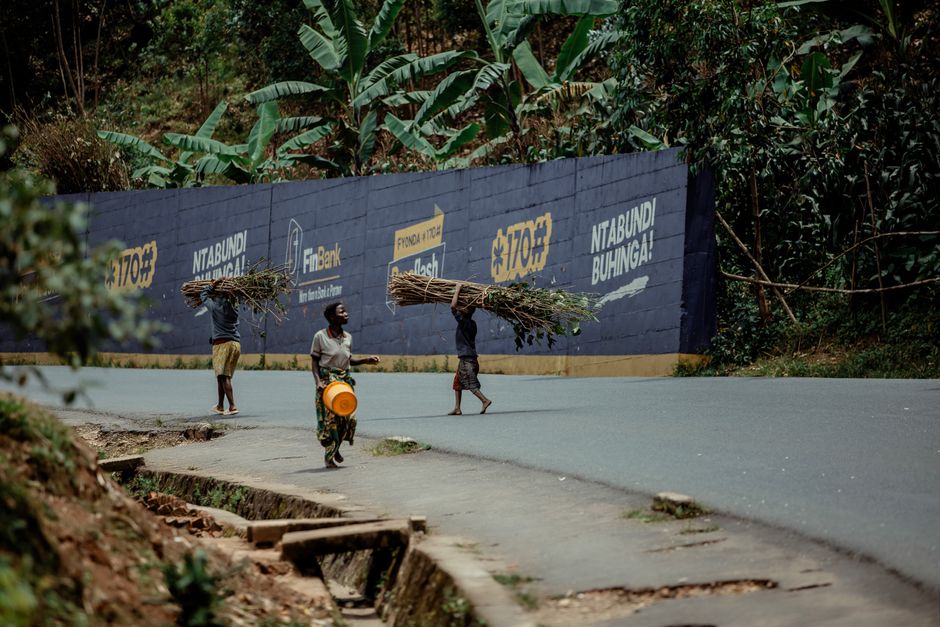
Three individuals walking along a road carrying firewood atop their heads., Sabyinyo, Rwanda
Is Sabyinyo, Rwanda Worth It?
Honestly? If you’re a casual hiker who enjoys a groomed path and a latte at the summit, Sabyinyo will chew you up and spit you out. This is not a destination for beginners. The terrain is relentless, the altitude punishes poor preparation, and the costs—especially the $1,500 gorilla permit—will make most travelers wince. But if you’re an experienced adventurer who craves raw, untamed wilderness and the kind of physical challenge that leaves you trembling with exhaustion and exhilaration, Sabyinyo is the most rewarding hike in East Africa. Compared to Kilimanjaro, which costs about $3,000 and takes a week, Sabyinyo offers a harder, shorter, and more biologically rich experience. Compared to the Inca Trail, which is now overcrowded and requires permits booked a year ahead, Sabyinyo feels like discovering a secret—you’ll share the trail with just a handful of hikers, and the gorilla encounter is something no Machu Picchu sunrise can match. Your best bet is to combine 3 days in Sabyinyo (one gorilla trek, one summit hike, one golden monkey walk) with a safari in Akagera National Park. You’ll come home with mud under your fingernails, a new respect for your own limits, and a story about a silverback that looked you in the eye and decided you were worth letting pass.
Improved section:

