
Rila Mountain, Bulgaria’s Incredible Monasteries, Peaks & Alpine Serenity (2025)
Ask locals about Bulgaria’s spiritual heart, and they’ll tell you about the morning light hitting the frescoes in Rila Monastery’s main church, a sight most day-trippers miss completely by arriving midday. They’ll whisper about the Seven Rila Lakes, where the water’s color shifts from cobalt to emerald depending on the sun and the glacial silt. While crowds flock to the beaches of the Black Sea coast, Rila Mountain delivers profound tranquility and raw, unspoiled Balkan beauty, offering a pilgrimage into nature and history that defines the soul of the country.
Why Rila Mountain, Bulgaria Stands Out

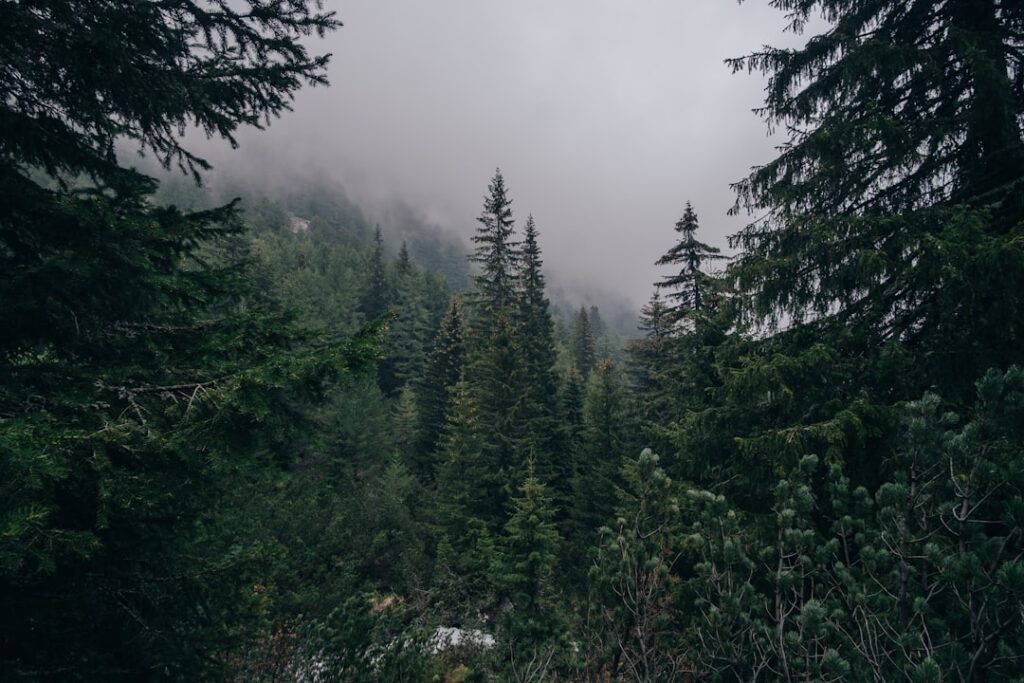
Green pine tree near mountain during daytime, Rila Mountain, Bulgaria
- Historic Architecture: Rila Monastery, founded in the 10th century by the hermit St. Ivan of Rila, is a UNESCO World Heritage site famed for its vibrant frescoes and intricate woodcarvings that tell Bulgaria’s national story.
- Cultural Scene: The annual celebration of St. Ivan of Rila’s day on October 19th transforms the monastery into a living spectacle of faith, with thousands of pilgrims and traditional rituals.
- Local Specialties: You must try monastery-style *banitsa*, a flaky cheese-filled pastry, often baked on-site and served with homemade yogurt from mountain sheep.
Pro Tip: To experience Rila Monastery in peaceful solitude, plan your visit for a weekday opening at 7:00 AM. By 10:00 AM, the tour buses from Sofia begin to arrive. For the lakes, take the first chairlift up at 7:30 AM in summer to have the pristine trails virtually to yourself.
Map of Rila Mountain, Bulgaria
Use these interactive maps to explore Rila Mountain, Bulgaria and plan your route:
📍 View Rila Mountain, Bulgaria on OpenStreetMap
🗺️ Open Rila Mountain, Bulgaria in Google Maps
Planning Your Trip: Practical Essentials
Getting There and Around
- By Air: Sofia Airport (SOF) is the main international gateway, 120km north. From there, rent a car or take a direct bus. Book flights at Skyscanner for best deals.
- By Train: Trains run from Sofia to Dupnitsa or Blagoevgrad, but you’ll need a connecting bus or taxi to reach mountain bases like Borovets or the monastery. Reserve tickets at Trainline or the national railway website.
- By Car: Driving is the most flexible option. The E79 highway from Sofia leads south; the monastery is well-signposted. Mountain roads are winding but well-maintained. Compare car rentals at RentalCars.com.
- Local Transport: Public buses connect Sofia to Rila town and the monastery (approx. 2 hours, 15 BGN). In the mountains, transport is limited to taxis or organized shuttles from resorts like Borovets to trailheads.
Best Time to Visit
The ideal time depends on your goal: summer for high-altitude hiking, winter for skiing, and the shoulder seasons for quiet cultural visits with dramatic scenery.
| Season | Weather | Highlights |
|---|---|---|
| Summer (Jun–Aug) | 15–25°C (59–77°F) in valleys; cooler at peak. Sunny, occasional afternoon thunderstorms. | Perfect for hiking the Seven Lakes and climbing Musala Peak. Busy trails and monastery. Wildflowers bloom. |
| Winter (Dec–Feb) | -10 to 5°C (14–41°F). Heavy snow above 1500m. | Skiing in Borovets resort. Frozen waterfalls and snowshoeing. Monastery is starkly beautiful and quiet. |
| Shoulder (Apr–May/Sep–Oct) | 5–18°C (41–64°F). Unpredictable, with possible snow in spring/fall at height. | Best for avoiding crowds. Lower trails are accessible. Autumn offers stunning golden foliage. Monastery visits are peaceful. |
Budgeting for Rila Mountain, Bulgaria

A grassy area with rocks and trees in the background, Rila Mountain, Bulgaria
| Category | Budget | Mid-range | Luxury |
|---|---|---|---|
| Accommodation | Hostel/Guesthouse: 30-50 BGN | Hotel in Borovets: 100-180 BGN | 5-star Ski Resort/Spa: 250+ BGN |
| Meals | Taverna meal: 15-25 BGN | Restaurant dinner: 30-50 BGN | Fine dining with wine: 80+ BGN |
| Transport | Public bus: 5-20 BGN | Daily car rental: 60-80 BGN | Private driver/tours: 150+ BGN |
| Activities | Hiking (free), Monastery donation: 5 BGN | Chairlift to Lakes: 25 BGN round-trip, guided hike: 50 BGN | Private guided ascent of Musala, spa treatments |
| Daily Total | 60-100 BGN | 200-350 BGN | 500+ BGN |
Top Attractions and Must-See Sights
| Attraction | Description | Hours | Entry Fee |
|---|---|---|---|
| Rila Monastery | A breathtaking fortress of faith with awe-inspiring frescoes in the main church and a fascinating history museum. | 7:00 AM – 8:00 PM (Summer), 8:00 AM – 6:00 PM (Winter) | Free (donation expected), Museum: 5 BGN |
| The Seven Rila Lakes | A chain of stunning glacial lakes, each with its own character, linked by scenic hiking trails above the tree line. | Accessible daylight hours; Chairlift operates 7:30 AM – 5:30 PM (Summer) | Nature Park Fee: 5 BGN, Chairlift: 25 BGN round-trip |
| Musala Peak (2925m) | The highest peak in the Balkans, offering a challenging and rewarding hike with panoramic views across the range. | Daylight hours; best ascended June-Sept | Free (chairlift from Borovets to start: ~18 BGN one-way) |
| Borovets Resort | Bulgaria’s oldest ski resort, a lively base for winter sports and summer mountain biking and hiking. | Resort always open; lift hours vary by season | Free to explore; lift passes from 60 BGN/day |
3-Day Itinerary: Rila Mountain, Bulgaria’s Highlights & Hidden Gems
Day 1: Spiritual Heart & Architectural Wonder
- Morning (7:00 AM): Arrive at Rila Monastery as it opens. Explore the courtyard and the Nativity Church in the soft morning light when the frescoes glow. Visit the museum to see the stunning Rafail’s Cross, carved with 650 miniature figures.
- Afternoon (12:30 PM): Have lunch at the monastery’s own restaurant, *Magernitsa*, for hearty monastery bean soup and grilled trout. Afterwards, hike the 30-minute trail to the Cave of St. Ivan, where the hermit lived.
- Evening (6:00 PM): Drive to the town of Borovets (1 hour). Check into your hotel and enjoy a traditional dinner at *Staryat Tsar*, known for its *kavarma* (clay-pot stew).
Day 2: Alpine Lakes & High Peaks
- Morning (7:30 AM): Drive to the Pionerska chairlift for the Seven Rila Lakes (45 mins from Borovets). Take the first lift up (25 BGN). Hike to at least the “Eye” Lake, the highest and most dramatic.
- Afternoon (1:00 PM): Enjoy a packed lunch with a view by one of the lakes. Hike back down to the chairlift. Return to Borovets for a late-afternoon relax at a *mehana* (tavern) like *Vodenitsata*.
- Evening (7:00 PM): Indulge in a well-earned dinner at *Chevermeto*, famous for its slow-roasted lamb, a specialty of the region.
Day 3: Summit Challenge or Cultural Detour
- Option A (For Hikers): Take the Yastrebets gondola from Borovets (18 BGN) to climb Musala Peak. The 4-5 hour return hike is strenuous but unforgettable. Descend for a late lunch in Borovets.
- Option B (For Culture): Drive to the lesser-visited Stob Pyramids (1 hour from Borovets), incredible earth formations. Then, visit the tranquil village of Melnik, Bulgaria’s smallest town, for wine tasting at a local cellar like *Zagora*.
- Evening: Your final evening calls for a celebration. In Borovets, enjoy live folk music at a traditional restaurant, or in Melnik, savor a sunset dinner overlooking the sand pyramids.
Cultural Insights & Etiquette
- Language: Bulgarian uses the Cyrillic alphabet. Learn “Здравей” (Zdravey – Hello), “Благодаря” (Blagodarya – Thank you), and “Моля” (Molya – Please/You’re welcome). English is spoken in tourist areas but not universally.
- Customs: A nod is a common greeting. When visiting monasteries, dress modestly (covered shoulders and knees for all). It’s respectful to buy a candle to light inside the church.
- Tipping: Round up the bill or leave 5-10% in restaurants if service was good. For taxi drivers, rounding up is customary.
- Dress Code: Sturdy hiking boots are essential for trails. In towns and monasteries, smart-casual attire is appropriate. Always carry layers—mountain weather changes fast.
- Business Hours: Shops typically open 9:00 AM – 6:00 PM. Many smaller places may close for a siesta. Museums often have reduced hours on Mondays.
Where to Eat: Rila Mountain, Bulgaria’s Best Bites
Rila’s cuisine is hearty mountain fare—think grilled meats, slow-cooked stews, dairy from free-grazing sheep, and wild forest mushrooms and berries. Dining is a social, relaxed affair, often accompanied by live folk music in *mehanas*.
Must-Try Local Specialties
- Patatnik: A Rila specialty of grated potatoes, onions, and mint, baked like a giant pancake. Best tried in a family-run tavern in the Rhodope foothills.
- Sharena Sol: “Colorful salt,” a traditional spice mix of salt, dried herbs, and paprika. It’s the perfect souvenir and seasoning for grilled meats.
- Mavrud Wine: A robust, indigenous red wine from the nearby Thracian Valley. Look for it in better restaurants or visit a winery in Melnik.
Restaurant Recommendations by Budget
| Type | Restaurant | Specialty | Price Range |
|---|---|---|---|
| Budget | Magernitsa (Rila Monastery) | Monastery-style trout, bean soup, and fresh bread baked in wood ovens. | 10-20 BGN |
| Mid-range | Vodenitsata (Borovets) | Cozy tavern with a watermill, famous for its grilled kebapche and shopska salad. | 25-45 BGN |
| Fine dining | Chevermeto (Borovets) | Upscale traditional dining where they roast whole lamb on a spit. Excellent wine list. | 60+ BGN |
Where to Stay
Accommodation ranges from basic mountain huts to Soviet-era hotels and modern ski resorts. Your best bet is to base yourself in Borovets for activity access or near the monastery for a quieter, cultural stay. Compare prices and book at Booking.com or Airbnb for apartments.
Best Neighborhoods for Accommodation
- Borovets Resort: The most convenient hub with the widest range of hotels, restaurants, and direct access to lifts for Musala and the Seven Lakes shuttle. Suits active travelers and families.
- Rila Monastery Area: A handful of guesthouses and small hotels offer serene overnight stays. Ideal for photographers and those seeking a deeply cultural, quiet experience.
- Sapareva Banya: A spa town at the mountain’s base known for its geyser and hot mineral baths. Perfect for relaxation after hiking, with good value accommodations.

A view of a mountain range with a cloudy sky, Rila Mountain, Bulgaria
FAQs: Your Rila Mountain, Bulgaria Questions Answered
1. Is Rila Mountain, Bulgaria safe at night?
Yes, the mountain towns and resorts are generally very safe. Standard precautions apply: stick to well-lit areas and be cautious on isolated trails after dark due to wildlife (like bears) and terrain, not crime.
2. What currency is used and are credit cards accepted?
The Bulgarian Lev (BGN) is the currency. Euros are sometimes accepted but at poor rates. Credit cards are widely accepted in hotels and larger restaurants in Borovets, but you’ll need cash for smaller tavernas, entry fees, taxis, and chairlifts.
3. How do I get from Sofia airport to Rila Mountain?
The most flexible option is a rental car (1.5-hour drive). Direct buses run from Sofia’s Ovcha Kupel bus station to Rila town and Borovets. A private taxi from Sofia airport to Borovets costs ~120-150 BGN. Book airport transfers at GetYourGuide for convenience.
4. Do I need to speak the local language?
Not essential, but helpful. In tourist areas like Borovets and the monastery, English is commonly spoken by those in the tourism industry. Learning a few basic Bulgarian phrases is greatly appreciated by locals.
5. What’s the appropriate dress code for monasteries?
Modesty is mandatory. For both men and women, this means trousers or skirts below the knee, and tops that cover the shoulders. Scarves are sometimes provided at the entrance, but it’s best to come prepared.
Final Thoughts: Rila Mountain, Bulgaria Awaits
Rila Mountain offers more than just postcard views; it provides a journey into the enduring spirit of Bulgaria. Here, you can trace the footsteps of medieval hermits, stand atop the continent’s rooftop, and find serenity on the shores of glacial lakes—all within a few hours of the capital. Savvy travelers know its value lies in this potent combination of profound
{“@context”: “https://schema.org”, “@type”: “FAQPage”, “mainEntity”: [{“@type”: “Question”, “name”: “What is the best time to visit Rila Mountain?”, “acceptedAnswer”: {“@type”: “Answer”, “text”: “The best time to visit Rila Mountain depends on your preferences. Generally, the dry season offers the most pleasant weather for sightseeing and outdoor activities.”}}, {“@type”: “Question”, “name”: “How many days do I need in Rila Mountain?”, “acceptedAnswer”: {“@type”: “Answer”, “text”: “Most travelers spend 3-5 days in Rila Mountain to see the main attractions. A week allows for a more relaxed pace and day trips.”}}, {“@type”: “Question”, “name”: “Is Rila Mountain expensive to visit?”, “acceptedAnswer”: {“@type”: “Answer”, “text”: “Rila Mountain can be visited on various budgets. Accommodation ranges from hostels to luxury hotels, and local restaurants offer affordable dining.”}}]}
Related Guides
Explore more destinations similar to Rila Mountain:
- Mongu, Zambia’s Essential Sunsets, Sandals & The Soul of the Zambezi (2025)
- Tétela de Ocampo, Mexico’s Essential Waterfalls, Coffee & Mountain Serenity (2026)
- Vipava Valley, Slovenia’s Essential Wine, Wind & Renaissance Charm (2025)
- Mamoudzou, Mayotte’s Hidden Lagoon Life, Creole Culture & Volcanic Vistas (2026)

