
Ratanakiri, Cambodia Weekend: Crater Lakes, Waterfalls & Bunong Village Encounters (2026)
You step off the dusty minibus in Banlung, and the first thing that hits you is the scent of damp red earth after a sudden afternoon shower—a rich, mineral smell that mingles with the smoke from charcoal grills and the clatter of cicadas. It’s late Friday afternoon, and you’ve got exactly 48 hours to soak in Ratanakiri’s volcanic landscapes, dive into a sacred crater lake, and share tea with a Bunong elder. The weekend starts now.
Quick Facts Before You Go
- Best Months: November to February – the dry season brings cool mornings and clear skies, perfect for hiking to waterfalls and staying dry at Yeak Laom Lake.
- Currency: Cambodian Riel (KHR) and US dollars. Most prices are in dollars; you’ll get change in riel. $1 ≈ 4,000 KHR.
- Language: Khmer is the official language. English is spoken at hotels and tourist sites in Banlung, but in villages you’ll rely on gestures or a local guide.
- Budget: $30–$60 per day (including a budget guesthouse, food, entry fees, and local transport).
- Getting There: Fly into Phnom Penh International Airport (PNH), then take a 50-minute domestic flight to Banlung (Ratanakiri Airport) with Cambodia Angkor Air. Book at Skyscanner.
Day 1: Volcanic Crater Lakes & Bunong Village Immersion
You start your first morning with the sun climbing over the ochre-dirt streets of Banlung. The air is still cool, and the only sounds are roosters and the hiss of a kettle at your guesthouse. Today is about getting your bearings, then diving deep into the heart of Ratanakiri’s natural and cultural wonders. Plan to pace yourself—the heat will catch up by midday.
- Morning (8–11am): Head straight to Yeak Laom Lake (entrance $2). This volcanic crater lake, formed over 4,000 years ago, is sacred to the Bunong people. You’ll walk the 2.5-km forest loop (30 minutes) through dense jungle, stopping at lookout platforms where the water gleams emerald in the morning light. Swim if you want— locals recommend early before the crowds arrive. Go left at the entrance to avoid the main group.
- Lunch: At Café Bungalow, just outside Yeak Laom entrance. Order the Kuy Teav ($2.50)—a pork noodle soup with fresh herbs—and wash it down with a freshly blended avocado shake ($1.50). The terrace overlooks rice paddies; you’ll see farmers heading home.
- Afternoon (1–5pm): Visit a Bunong village like Kreung or Phloy. Hire a local guide through your guesthouse ($15–20 for a half-day, including transport). You’ll walk along red-dirt paths, see traditional stilted longhouses, and learn how the Bunong use forest plants for medicine. Most tourists overlook the village visits, but savvy travelers know to bring a small gift—fruit or school supplies—and ask before taking photos.
- Evening: Dinner at Red Earth Restaurant on the outskirts of Banlung (mains $4–7). Try the amok trei (steamed fish in coconut curry, $5) while sitting on bamboo mats under string lights. Afterward, head to the Banlung Night Market (open 5–9pm, free entry) for grilled chicken skewers ($1) and sugarcane juice ($0.50). The smoky barbecue scent and the chatter of locals make it a perfect end to the day.

Location map of Cambodia with Ratanakiri Province highlighted, Ratanakiri, Cambodia
Day 2: Waterfalls, Coffee Plantations & Farewell Views
Your second day is all about waterfalls and the lush highlands. You’ll trade the crater’s stillness for the roar of cascading water and the aroma of freshly roasted coffee. The pace is still relaxed, but you’ll cover more ground—so pack your swimwear and a second bottle of water.
- Morning: Breakfast at the Red Earth Café (same owner as the restaurant) for a coconut pancake ($2) and strong local coffee ($1). Then drive 30 minutes to Ka Chanh Waterfall (entry $2). It’s a series of three tiers, with a natural pool at the base perfect for a morning swim. Go early (8am) to have the place nearly to yourself—most tour groups don’t arrive until 10.
- Midday: Head to Chaa Ong Waterfall (entry $2), a 30-minute drive from Ka Chanh. This taller, more dramatic cascade plunges 25 meters into a deep pool. Insider tip: scramble up the rocks on the left side for a view from the top—locals do this, but wear sturdy sandals. The mist will cool you instantly.
- Afternoon: Explore the outskirts of Banlung near the old French quarter. Visit the Bunong Coffee Plantation (45-minute tour, $3), where you’ll see beans drying on mats and can buy a bag of organic arabica ($5–8). Then stroll through Banlung’s central market—smell the fermented fish paste (prahok), fresh chillies, and mountain honey. Wise travelers buy a jar of honey ($2) as a gift.
- Final Evening: For your farewell dinner, book a table at Tree Top Eco Lodge (mains $6–10). Sit on the open terrace overlooking the jungle canopy as the sun sets. Order the Bunong-style chicken (stir-fried with lemongrass and basil, $7) and a fresh coconut ($1.50). The sound of tree frogs and the distant chime of a temple bell will etch this evening into your memory.
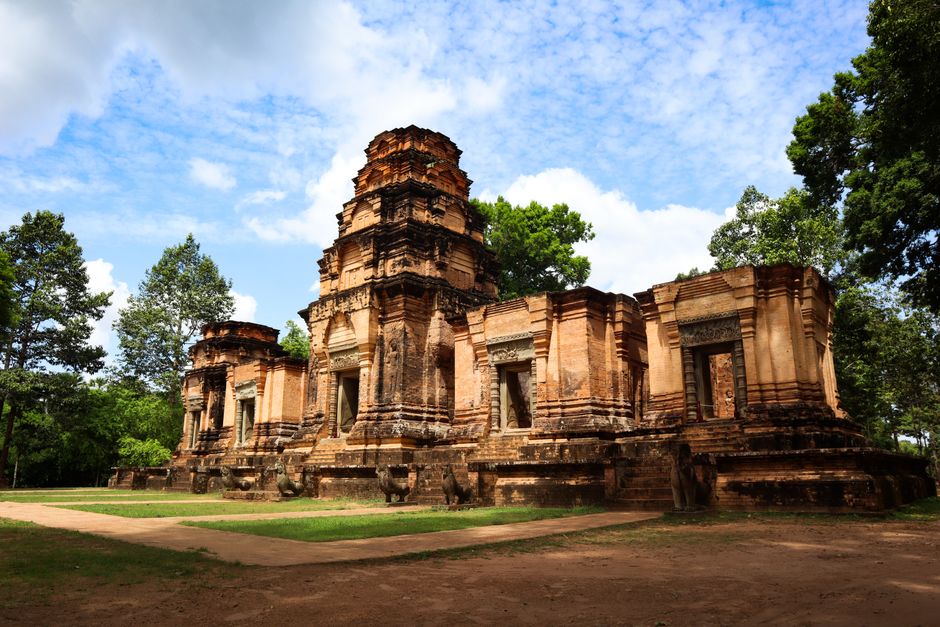
Explore the ancient Preah Ko temple in Siem Reap, a UNESCO World Heritage site., Ratanakiri, Cambodia
The Food You Can’t Miss
Ratanakiri’s cuisine is a blend of Khmer staples and Bunong ingredients. The red soil grows exceptional produce: wild eggplants, morning glory, and mountain rice with a nutty fragrance. You’ll find the best street food at the Banlung Night Market, where vendors grill freshwater fish stuffed with lemongrass and serve it with a fiery dipping sauce ($1.50). Don’t skip the grilled pork skewers (sach ko ang)—locals eat them with a sticky-rice ball wrapped in banana leaf.
For a sit-down meal, Sopheak’s Kitchen is the secret favorite among seasoned travelers in the know. Hidden down a dirt alley off the main road, Sopheak serves a fish amok so creamy and fragrant you’ll want a second portion ($4). The restaurant has just six tables under a thatched roof; arrive before 6pm to snag one. Each dish comes with a side story from Sopheak himself—ask him about the chilli paste recipe his grandmother passed down.
Another must-try is the local coffee. Ratanakiri’s highland microclimate produces a rich, low-acidity arabica that rivals Vietnam’s. Order it iced with sweetened condensed milk ($1) at any roadside stall. The Bunong Coffee Plantation also serves it black with a slice of wild lime—a bracing, unforgettable taste of the region.
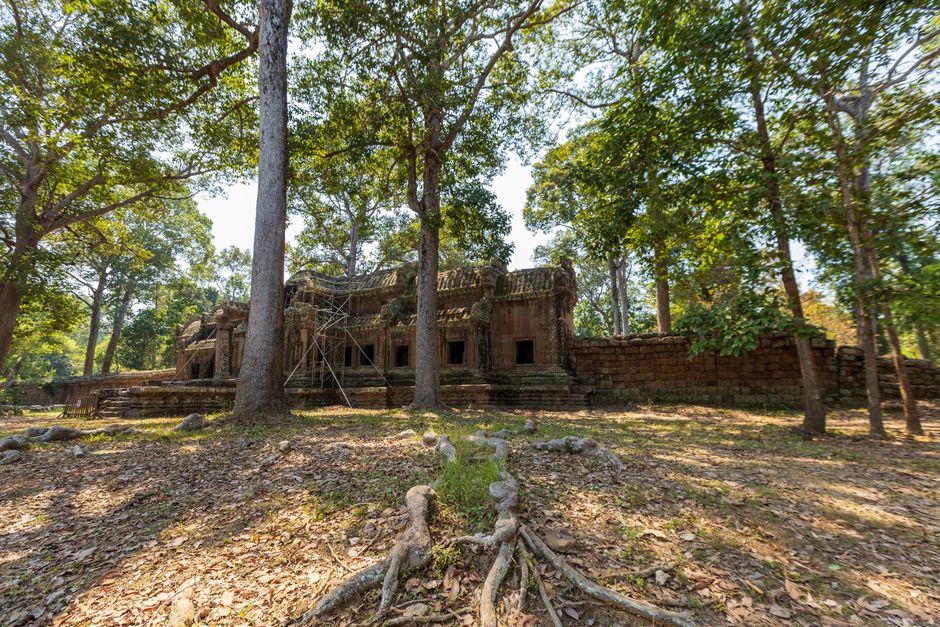
Scenic view of ancient temple ruins amidst lush trees in Cambodia forest., Ratanakiri, Cambodia
Where to Stay for the Weekend
For budget travelers, Ratanakiri Balcony Guesthouse offers clean rooms with shared bathrooms ($12 per night) and a rooftop terrace perfect for morning coffee. Book via Booking.com.
For a splurge with local character, Yeak Laom Lodge ($60–80 per night) sits right next to the crater lake. You’ll wake to birdsong and the smell of damp foliage. Airbnbs are scarce in Ratanakiri, but you can check Airbnb for occasional homestays in Bunong villages—an immersive weekend alternative.
Before You Go: Practical Tips
- Getting Around: Tuk-tuks are your best friend. A ride within Banlung costs $1–2. For day trips to waterfalls or villages, hire a tuk-tuk driver for the whole day ($20–25). Negotiate upfront. Alternatively, rent a motorbike from your guesthouse ($8–10/day) if you’re an experienced rider—roads can be slippery red mud after rain.
- What to Pack: Lightweight long trousers and long-sleeved shirts (to protect from mosquitoes and sun); sturdy sandals or trail shoes for waterfalls; a swimsuit (for Yeak Laom and Ka Chanh); a reusable water bottle (tap water is not safe, but filtered refills cost $0.30 at most guesthouses).
- Common Tourist Mistakes: Many first-timers visit Yeak Laom Lake in the late afternoon—it’s beautiful, but the sun sets early behind the crater rim, and the water turns cold quickly. Go in the morning. Also, avoid photographing Bunong villagers without explicit permission; a smile and a gesture asking “OK?” goes a long way.
- Money-Saving Tip: Eat at the Banlung Night Market instead of hotel restaurants. A full dinner of four skewers, sticky rice, and a shake costs under $4—half what you’d pay at a sit-down place. Bring small bills ($1 and $5) for market vendors.

