
Puerto Cabezas, Nicaragua: Hidden Miskito Culture, Caribbean Coastlines & Untamed Nature (2026)
Ask locals about Puerto Cabezas, Nicaragua, and they’ll tell you about the sound of Garifuna drums echoing from Bilwi’s sandy streets on a Saturday night, a rhythm most guidebooks miss completely. Known locally as Bilwi, this is the capital of the North Caribbean Coast Autonomous Region, a place where English Creole, Spanish, and indigenous Miskito languages blend in the market air. While travelers flock to colonial Granada or the surf of San Juan del Sur, here you’ll find a raw, authentic Caribbean Nicaragua, where the pace is set by fishing boats and the vast, whispering sea.
Why Puerto Cabezas, Nicaragua Stands Out
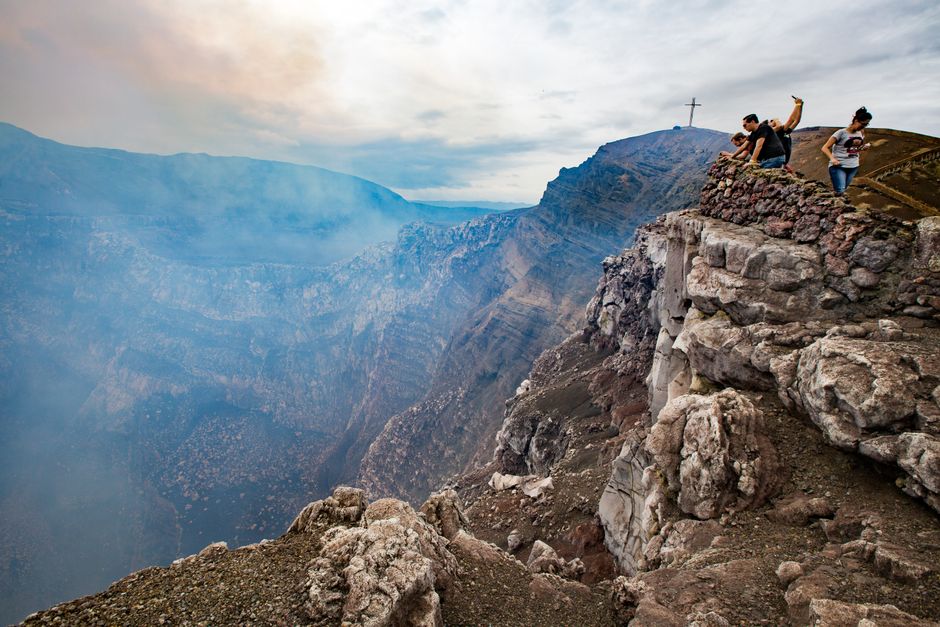
Tourists observe the expansive crater of Masaya Volcano in Nicaragua from a…, Puerto Cabezas, Nicaragua
- Historic Architecture: The Moravian Church, built in the late 1920s, stands as a testament to the region’s unique Protestant heritage, distinct from the rest of Catholic Nicaragua.
- Cultural Scene: The annual Palo de Mayo festival in May, with its vibrant, hip-swaying dance and colorful costumes, is a celebration of Afro-Caribbean heritage you won’t find elsewhere in the country.
- Local Specialties: You must try Rondón, a rich, coconut-based seafood stew simmered with plantains, yuca, and whatever the day’s catch provided.
Pro Tip: Plan your visit for the dry season, from late February through April. This “Verano” period offers the most reliable sunshine and calmer seas for boat trips to the Cayos Miskitos, avoiding the heavy rains and potential travel disruptions of the May-November wet season.
Map of Puerto Cabezas, Nicaragua
Use these interactive maps to explore Puerto Cabezas, Nicaragua and plan your route:
📍 View Puerto Cabezas, Nicaragua on OpenStreetMap
🗺️ Open Puerto Cabezas, Nicaragua in Google Maps
Planning Your Trip: Practical Essentials
Getting There and Around
- By Air: Puerto Cabezas Airport (PUZ) is served by La Costeña airlines with daily flights from Managua (approx. 1.5 hours). Book flights at Skyscanner for best deals. A taxi from the airport to the town center costs about C$50-100 cordobas.
- By Train: T The most convenient location for exploring on foot, with the most dining and transport options. Can be noisy. Suits first-time visitors and budget travelers.
- Along Avenida Costeña (towards the beach): Offers a bit more tranquility and is closer to the sea. You’ll find some of the better hotels here. Suits those wanting a quieter stay, but you’ll rely more on taxis.
- Residential Areas South of Center: Very local and quiet. Mainly guesthouses. Best for travelers seeking deep immersion and who don’t mind being further from amenities.

Christ statue stands tall against a dramatic cloudy sky, Puerto Cabezas, Nicaragua
FAQs: Your Puerto Cabezas, Nicaragua Questions Answered
1. Is Puerto Cabezas, Nicaragua safe at night?
Exercise normal precautions. The town center is generally safe, but it’s wise to avoid poorly lit, deserted areas after dark. Use licensed taxis for evening transport, especially if you’re alone. Petty theft can occur, so keep valuables secure and don’t flash expensive electronics.
2. What currency is used and are credit cards accepted?
The Nicaraguan Córdoba (C$) is the official currency. US dollars are sometimes accepted but not reliably. Credit cards are rarely accepted outside the main hotels (Hotel Safari, Hotel Miramar). Your best bet is to bring sufficient cash in cordobas, withdrawn from the town’s few ATMs (BanPro and BAC), which can sometimes run out.
3. How do I get from the airport to the city center?
The airport is very close to town. Upon arrival, you’ll find shared taxis and private taxis waiting. A shared taxi seat costs about C$50 ($1.50), while a private taxi for just you is C$100-150 ($3-$4). The ride takes less than 10 minutes. Book airport transfers at GetYourGuide for convenience, though options may be limited; arranging through your hotel is often easier.
4. Do I need to speak the local language?
You can manage with Spanish, but English is more widely spoken here than in Pacific Nicaragua due to the Creole and Miskito influences. Learning a few basic phrases in Spanish or Miskito (“Naksa” = Hello, “Pain pura” = Thank you) will delight locals. In hotels and tour agencies, you’ll often find English speakers.
5. What’s the appropriate dress code?
Lightweight, breathable cotton or linen clothing is essential due to the heat and humidity. Dress modestly—cover shoulders and knees when visiting town, markets, or churches. Sturdy sandals or sneakers are fine for walking. For boat trips, bring a hat, sunglasses, a swimsuit, and a long-sleeved shirt for sun protection.
Final Thoughts: Puerto Cabezas, Nicaragua Awaits
Puerto Cabez
Related Guides
Explore more destinations similar to Puerto Cabezas:

