
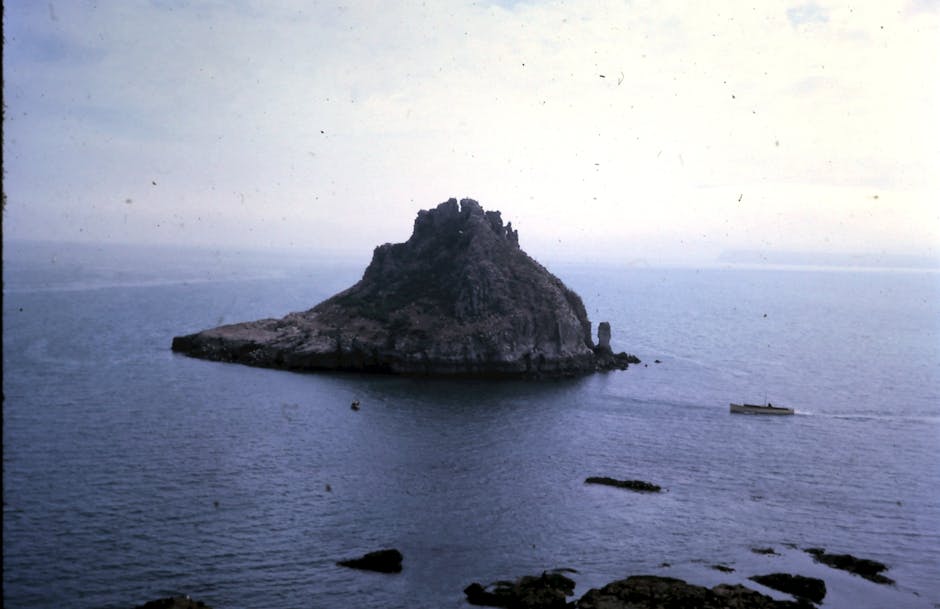
Pitcairn Island, UK: Seclusion, History & Unspoiled Nature (2026)
What if you could visit a place with more history per square mile than almost anywhere else on Earth, yet with a permanent population of just 35? Pitcairn Island, UK proves this is possible. This speck of volcanic rock in the South Pacific, the last British Overseas Territory in the region, is the modern home of the descendants of the HMS *Bounty* mutineers. Getting here is an expedition in itself, requiring a 32-hour voyage from Mangareva, but the reward is a world utterly removed from modern life, where your arrival is still an event noted by the entire community.
Why Pitcairn Island, UK Stands Out
- Historic Architecture: The Bounty’s Anchor, recovered in 1957, is a tangible link to the 1789 mutiny and is displayed in the island’s public square.
- Cultural Scene: Bounty Day, celebrated every January 23rd, features a re-enactment of the burning of the ship, traditional feasts, and crafts.
- Local Specialties: Miro Berry Jam, made from the fruit of the native miro tree, is a unique, tart-sweet preserve you can buy from local homes.
Pro Tip: Your visit is entirely dependent on the shipping schedule of the MV *Silver Supporter*, the island’s lifeline. Plan your trip 12-18 months in advance and target the October-November or April-May windows for the calmest seas. All visitors must apply for entry through the Pitcairn Islands Tourism office.
Map of Pitcairn Island, UK
Use these interactive maps to explore Pitcairn Island, UK and plan your route:
📍 View Pitcairn Island, UK on OpenStreetMap
🗺️ Open Pitcairn Island, UK in Google Maps
Planning Your Trip: Practical Essentials
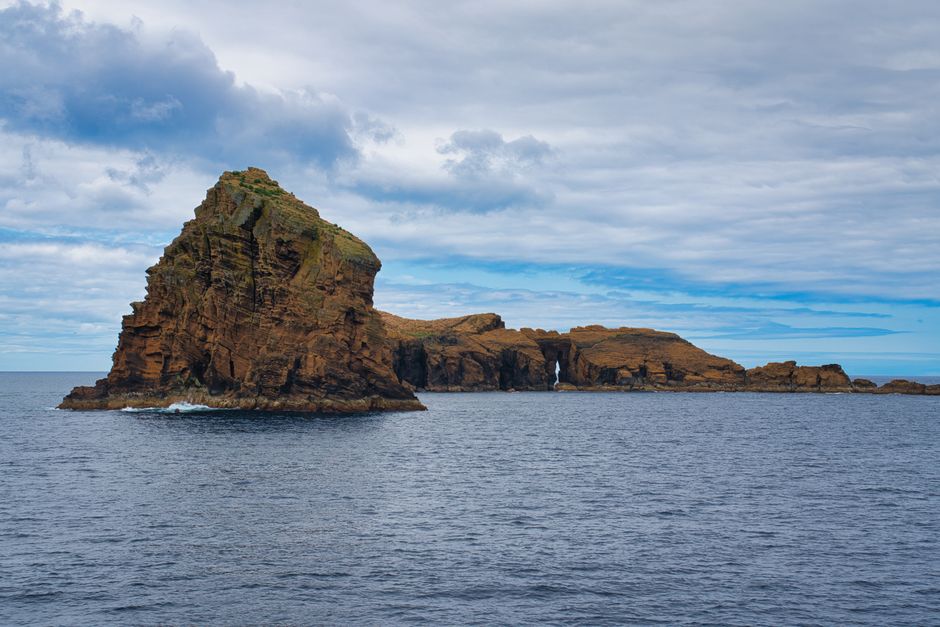
Stunning rock formations in the Azores, Pitcairn Island, UK
Getting There and Around
- By Air: There is no airstrip. You must fly to Tahiti (PPT), then take a connecting flight to Mangareva in the Gambier Islands (flight time: ~1.5 hours). From Mangareva, you board the MV *Silver Supporter* for the 32-hour voyage to Pitcairn. Book flights at Skyscanner for best deals.
- By Train: Not applicable. Your journey is entirely by air and sea.
- By Car: No car rentals exist. The island has about 6.4 km of rough roads. Locals use quad bikes, which can sometimes be arranged for visitor use through your homestay host.
- Local Transport: Your own two feet are the primary transport. The island is only 3.2 km long and 1.6 km wide. Guided tours by quad bike or on foot are included in your visitor package.
Best Time to Visit
The “best” time is dictated by weather and ship schedules. The Southern Hemisphere summer (Dec-Mar) is warmer but also the rainy season and cyclone risk period. The cooler, drier winter months (Jun-Sep) offer more stable conditions for hiking and exploring the rugged terrain.
| Season | Weather | Highlights |
|---|---|---|
| Summer (Dec-Feb) | Warm, 22-28°C (72-82°F), humid with higher rainfall. | Celebrate Bounty Day (Jan 23), best for swimming at Down Rope, but be prepared for tropical showers. |
| Winter (Jun-Aug) | Cooler, 16-22°C (61-72°F), drier and less humid. | Ideal for strenuous hikes to places like Highest Point, clearer skies for photography, and whale spotting. |
| Shoulder (Apr-May/Oct-Nov) | Mild, 18-24°C (64-75°F), transitional periods. | Often the calmest seas for the *Silver Supporter* crossing, good balance of weather, fewer scheduled visits. |
Budgeting for Pitcairn Island, UK
| Category | Budget | Mid-range | Luxury |
|---|---|---|---|
| Accommodation | Homestay, ~$70-100/night incl. meals | Private homestay, ~$100-150/night incl. meals | Same as mid-range; luxury is defined by privacy, not amenities. |
| Meals | Included in homestay cost | Included in homestay cost; extra for treats at the General Store | Included; hosts may prepare special seafood feasts. |
| Transport | Walking; ship fare ~$3000 NZD round-trip Mangareva | Walking; ship fare ~$3000 NZD round-trip | Quad bike tour included in some packages. |
| Activities | Free hiking, museum ($5 donation), swimming | Guided historical tours (included), handicraft purchases ($20-100) | Private guiding, deep-sea fishing charters (if available, ~$200). |
| Daily Total | ~$150-200* + upfront travel | ~$200-250* + upfront travel | ~$300+* + upfront travel |
*After the significant upfront cost of international flights and the mandatory ship passage.
Top Attractions and Must-See Sights
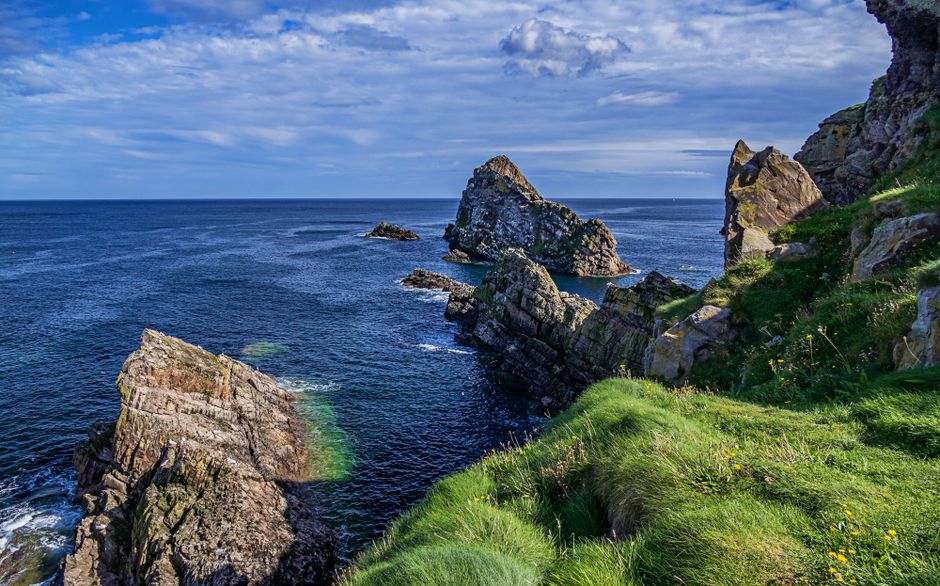
Breathtaking coastal scene featuring Bow Fiddle Rock, Pitcairn Island, UK
| Attraction | Description | Hours | Entry Fee |
|---|---|---|---|
| Adamstown | The island’s only settlement, where you’ll find the museum, church, and communal square with the Bounty’s anchor. | Always accessible | Free |
| The Pitcairn Island Museum | Houses the Bounty Bible, Fletcher Christian’s family register, and fascinating mutiny artifacts in a small, poignant collection. | By arrangement with your host | $5 NZD donation |
| Bounty Bay & The Landing | Where the mutineers famously burned the Bounty in 1790; watch the skilled longboat crews navigate the surf. | Always accessible | Free |
| Down Rope & St. Paul’s Pool | A stunning, crystal-clear tidal pool carved from volcanic rock, perfect for a refreshing and unforgettable swim. | Daylight hours, check tide | Free |
3-Day Itinerary: Highlights & Hidden Gems of Pitcairn Island, UK
Day 1: Arrival & Adamstown Immersion
- Morning: Arrival via longboat transfer from the ship—an adventure in itself. Settle into your homestay and meet your host family.
- Afternoon: Guided walk through Adamstown. Visit the Public Hall, see the Bounty’s Anchor, and stop at the Seventh-day Adventist Church, the community’s heart. Lunch is a hearty meal prepared by your host.
- Evening: Share a family dinner and hear firsthand stories from your host, likely a direct descendant of a mutineer or a later settler.
Day 2: History & Hiking
- Morning: Visit the Pitcairn Island Museum ($5 donation) for an hour, then hike to Christian’s Cave. This lookout point, where Fletcher Christian reportedly kept watch, offers panoramic views.
- Afternoon: Picnic lunch prepared by your host. Hike to Highest Point (347m) for breathtaking 360-degree vistas of the entire island and the endless Pacific.
- Evening: Visit the General Store (open limited hours) to buy local stamps, honey, or carvings. Another authentic homestay dinner.
Day 3: Coastal Wonders & Departure
- Morning: Quad bike or hike to Down Rope. Take the steep path down to St. Paul’s Pool for a swim in the pristine, isolated waters.
- Afternoon: Final lunch with your host. Pack and prepare for your longboat transfer back to the MV *Silver Supporter*, timed with the tides.
- Evening: Depart Pitcairn, watching the island disappear into the horizon from the deck, a truly profound travel moment.
Cultural Insights & Etiquette
- Language: English is the official language. You’ll also hear Pitkern, a unique creole blending 18th-century English and Tahitian. A friendly “Wut-a-way ye?” (How are you?) is appreciated.
- Customs: The community is deeply religious (Seventh-day Adventist). Saturday is the Sabbath; expect all work and most activities to cease. Always ask permission before taking photos of people or private property.
- Tipping: Not expected or part of the culture. A heartfelt thank-you or a small gift from your home country for your host is a gracious alternative.
- Dress Code: Modest, practical clothing is key. Swimwear is for the pool or beach only, not in the settlement. Bring sturdy hiking shoes and a rain jacket regardless of season.
- Business Hours: Governed by ship arrivals, weather, and the Sabbath. The General Store, Post Office, and Administration office post limited, variable hours. Flexibility is mandatory.
Where to Eat: The Best Bites in Pitcairn Island, UK

Scenic view of Durdle Door arch along the Jurassic Coastline in England und…, Pitcairn Island, UK
Dining is almost exclusively through your homestay, which is part of the island’s visitor system. Meals are hearty, home-cooked, and feature a mix of local produce (like sweet pineapple, bananas, and yams) and imported goods from the supply ship. Fresh fish—tuna, wahoo, and nanwi—is a common and delicious staple.
Must-Try Local Specialties
- Pitcairn Fish: Freshly caught tuna or wahoo, often simply grilled or baked. Your homestay host will prepare this.
- Mudda (Breadfruit): A starchy staple, baked, fried, or boiled. A direct culinary link to the mutineers’ Tahitian companions.
- Pitcairn Honey: Renowned for its purity and flavor, produced by disease-free bees. Buy a jar at the General Store.
Restaurant Recommendations by Budget
| Type | Restaurant | Specialty | Price Range |
|---|---|---|---|
| Budget/Mid-range | Your Homestay Kitchen | Daily home-cooked meals featuring local fish and garden produce. | Included in accommodation cost |
| Community Event | Public Hall Feasts (Bounty Day) | Large communal potluck with traditional dishes, roast pork, and pilhi. | By donation/participation |
Where to Stay
Accommodation is via approved homestays. This isn’t a choice of hotels but an integral part of the experience, providing income directly to families and offering genuine cultural exchange. All arrangements are made through the Pitcairn Island Tourism office. Compare and book travel insurance and other trip components at Booking.com or Airbnb for apartments for the Tahiti leg of your journey.
Best Neighborhoods for Accommodation
- Adamstown (The Settlement): The only “neighborhood.” Staying here puts you within walking distance of everything communal. You’ll be fully immersed in the daily rhythm of island life, from the generator humming to the sound of the school bell.
FAQs: Your Pitcairn Island, UK Questions Answered
1. Is Pitcairn Island, UK safe at night?
Extremely safe in terms of crime. The greater safety considerations are environmental: uneven paths, steep cliffs, and rocky shores. Always use a flashlight at night, stick to known paths, and never hike alone without informing your host. The community is close-knit and welcoming to respectful visitors.
2. What currency is used and are credit cards accepted?
The New Zealand Dollar (NZD) is the official currency. Cash is king. Credit cards are not accepted anywhere on the island. You must bring all the NZD cash you will need for museum donations, crafts, honey, stamps, and any store purchases. There are no ATMs.
3. How do I get from the airport to the city center?
Your journey ends with a sea voyage, not a flight. From Mangareva Airport, you’ll take a short taxi boat to the main dock to board the MV *Silver Supporter*. The tourism coordinator will assist with this transfer. For complex multi-destination travel planning, you can explore tours at GetYourGuide for convenience in Tahiti.
4. Do I need to speak the local language?
No. Everyone speaks English. Learning a few words of Pitkern (“I’m gwen” for “I’m going”) will delight locals and show respect for their unique culture.
5. What’s the appropriate dress code?
Practical and modest. Think sturdy hiking attire for the day. For Sabbath, travelers should dress respectfully; men often wear collared shirts and long trousers, women wear dresses or skirts below the knee. Always have a sun hat, reef-safe sunscreen, and a reliable raincoat.
Final Thoughts: Pitcairn Island, UK Awaits
Pitcairn Island is not a casual holiday; it’s a pilgrimage for the curious, the adventurous, and the historically minded. You won’t find luxury resorts or buzzing nightlife. Instead, you’ll find profound silence under starry skies, the weight of history in a ship’s recovered anchor, and the generous welcome of one of the world’s most remote communities. Your visit here directly supports this unique society. Come with flexibility, respect, and a spirit of adventure, and you’ll leave with stories that are truly once-in-a-lifetime. Before you go, be sure to send a postcard from the world’s least-populated postal jurisdiction—the stamp alone is a treasure.
Frequently Asked Questions About Pitcairn Island
Is Pitcairn Island worth visiting?
Yes, Pitcairn Island offers unique attractions and experiences for travelers.
How many days do I need in Pitcairn Island?
2-4 days is ideal for first-time visitors to Pitcairn Island.
What is the best time to visit Pitcairn Island?
Spring and fall offer the best weather for visiting Pitcairn Island.
{“@context”: “https://schema.org”, “@type”: “FAQPage”, “mainEntity”: [{“@type”: “Question”, “name”: “Is Pitcairn Island worth visiting?”, “acceptedAnswer”: {“@type”: “Answer”, “text”: “Yes, Pitcairn Island offers unique attractions and experiences for travelers.”}}, {“@type”: “Question”, “name”: “How many days in Pitcairn Island?”, “acceptedAnswer”: {“@type”: “Answer”, “text”: “2-4 days is ideal for first-time visitors to Pitcairn Island.”}}, {“@type”: “Question”, “name”: “Best time to visit Pitcairn Island?”, “acceptedAnswer”: {“@type”: “Answer”, “text”: “Spring and fall offer the best weather for visiting Pitcairn Island.”}}]}
Ready to Visit Pitcairn Island?
Start planning your trip today. Compare hotels, find the best tours, and get insider tips.
Your adventure in Pitcairn Island starts here →
Related Guides
Explore more destinations similar to Pitcairn Island:


Pingback: Piriápolis, Uruguay's Best Beaches, Hills & Belle Époque Charm (2026) - tangyOcean