
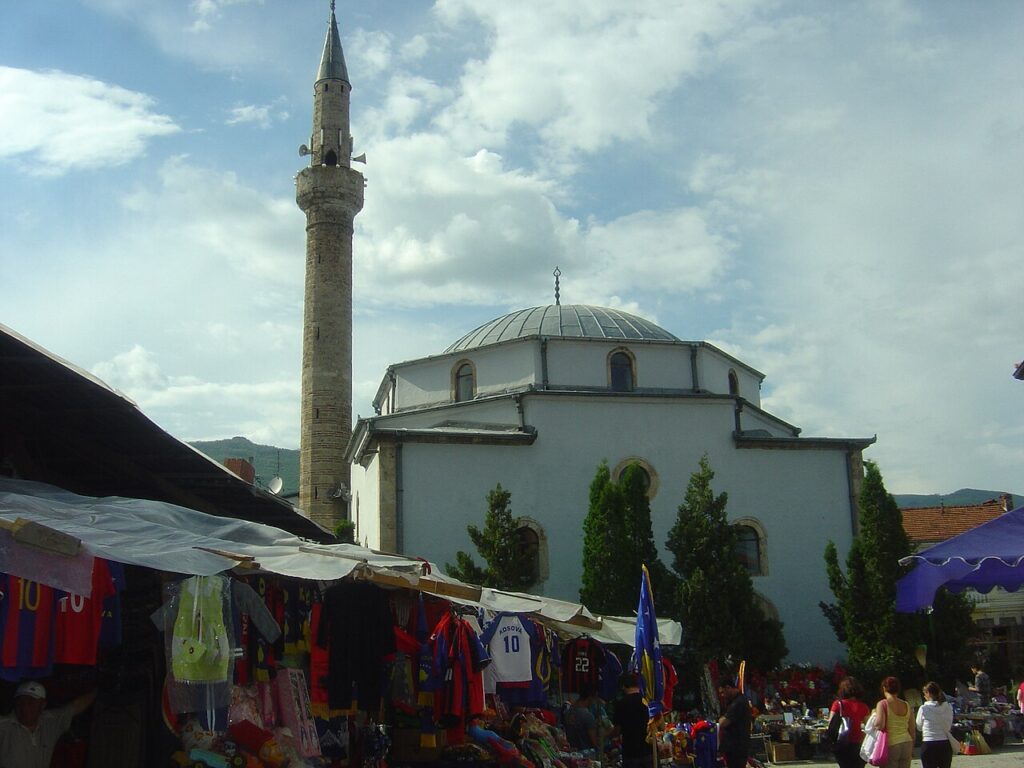
Peja, Kosovo Weekend: Rugova Canyon, Ottoman Bazaars & The Sizzle of Grilled Perfection (2026)
The first thing you notice is the faint crackle of charcoal beneath a dozen metal skewers, merging with the distant rush of the Lumbardhi River tumbling from the Rugova Canyon. You’re standing in Peja’s old bazaar at dusk, and the air carries the clean, mineral scent of mountain water alongside the warm, smoky promise of lamb qebapa. Forty-eight hours here feels like falling into a living postcard where the past and present share a single sip of strong black tea.
Quick Facts Before You Go
- Best Months: May–September (warm days, cool nights; the canyon is lush and the bazaar stays lively until late); October for golden foliage but shorter days.
- Currency: Euro (€1 = approx. $1.05 USD). ATMs are plentiful on Mother Teresa Street.
- Language: Albanian and Serbian; English is widely understood among younger locals and in tourist-oriented spots, but a faleminderit (thank you) goes a long way.
- Budget: €35–55 per day for a mid-range traveler (meals, local transport, entry fees). You can stretch to €70–90 if you add a guided canyon tour and a multi-course dinner.
- Getting There: Fly into Pristina International Airport (PRN) – roughly 90 minutes east by shuttle bus (€25) or taxi (€45). Direct flights from major hubs like Vienna, Istanbul, or Zurich take about 1.5–2 hours. Book at Skyscanner
Day 1: Bazaar Blisters & the Scent of Charcoal
You check into your guesthouse just off Rruga e Kënetës and immediately feel the city’s pulse. The old bazaar, Çarshia e Madhe, unfurls like a treasure map of brass‑smiths, spice piles, and carpet sellers. You let the rhythm guide you: the clatter of baklava knives, the murmur of older men playing dominoes under a plane tree. Your first mission is simple – to eat your weight in grilled meat and understand why Peja is considered the kebab capital of the Balkans.
- Morning (8–11am): Start with a slow, caffeinated walk to Kulla e Zenel Beut, a restored 19th‑century Ottoman tower house on the riverbank (entry €2). Inside, you’ll see intricate wooden ceilings, original frescoes, and a small ethnographic collection. By 10am, the sun is warm enough to sit on the terrace café next door – order a Turkish coffee (€0.80) and watch the Lumbardhi swirl over smooth stones.
- Lunch: Head straight for Te Radoja, a wooden‑table grill spot tucked behind the mosque at the end of the bazaar. The owner, a third‑generation butcher, grills qebapa (€4.50 for a portion of ten) with nothing but salt, fat, and fire. Locals recommend you ask for extra ajvar – the roasted red‑pepper paste is a silent partner here. No menu; you just nod when he points to the sizzling platter.
- Afternoon (1–5pm): Immerse yourself in the bazaar itself. Start at the Hamam of Peja (1400s, restored but not yet a bathhouse – entry free) for a glimpse of Ottoman engineering. Then wander the covered lanes of the Tradita Çarshia market: a copper coffee pot costs €8–15, a hand‑woven kilim €40–80. Savvy visitors know to haggle gently – a 10–20% discount is expected. Around 3:30pm, take a 10‑minute taxi to the Patriarchate of Peć (€3 entry), a UNESCO World Heritage site that served as the medieval seat of the Serbian Orthodox Church. Inside, the 13th‑century frescoes blush with colours so vivid you’ll think they were painted yesterday.
- Evening: Dinner is at Hani i Vjetër, a stone‑vaulted restaurant inside a former caravanserai. Order the mixed grill platter for two (€15) – it arrives with fluffy pite (Albanian flatbread), grilled peppers, and a bowl of kajmak. The atmosphere is smoky, lively, and soundtracked by live folk music that starts around 8:30pm. Afterward, stroll through the bazaar again – you’ll catch the scent of charcoal drifting from late‑night grills, and the call to prayer from the Bajrakli Mosque mixing with laughter from café terraces.

Peć, Kosovo, Peja, Kosovo
Day 2: Into the Throat of the Canyon & the Whistle of the Train
Day two belongs to the mountains. The Rugova Canyon is Peja’s backyard, and travelers often discover that the best way to experience it is less as a tourist attraction and more as a living playground – you’ll hike through pine forests, peer into 300‑meter‑deep gorges, and wander a sleepy Serbian enclave that feels frozen in time. The air is thinner here, and the light strikes the white limestone walls like burnished gold.
- Morning: Breakfast at Burektore Shqiponja (Rruga e Kënetës) – you can’t miss the steam curling from their metal trays. Grab a slice of burek me mish (meat pie, €1.20) or the spinach‑cheese version, and a glass of cold kefir (€0.60). By 8am you’re in a shared taxi (€2 per person) heading up the canyon road to the Rugova Cable Car (€7 round trip). The six‑minute ride lifts you 500 vertical meters to Qafa e Shtogut, a ridge trail that offers sweeping views of the ravine. Spend an hour walking the loop – you’ll see jagged peaks, eagles circling, and, if you listen closely, the faint splash of the river hundreds of meters below.
- Midday: The secret to avoiding the small crowds (mostly hikers from Tirana and day‑trippers from Pristina) is to detour to Lëpusha, a tiny village at the end of the canyon road. Take a local minibus from the cable‑car base (€1.50, runs hourly until 2pm). The road turns to gravel as you climb, and after 25 minutes you reach Lëpusha’s main square, where an elderly farmer sells honey and wild‑blueberry jam (€3‑5). Walk the 15‑minute path to the White Drin Waterfall (free) – a 25‑meter curtain of icy water that drops into a pool surrounded by old stone houses. Most tourists skip this, so you’ll likely have it to yourself.
- Afternoon: Return to Peja around 2pm and dive into the Mëhalla e Katërt (Fourth Quarter), the historic Serbian Orthodox neighborhood near the river. Cobblestone alleys twist between 19th‑century stone houses painted faded ochre and sage. Stop at the 15th‑century Church of the Holy Unmercenaries (free entry, but women are asked to cover their hair with a scarf provided at the door). The frescoes here are older than those at the Patriarchate and feel eerily intimate. For a snack, seek out Peshku i Lumbardhit – a kiosk that grills trout fresh from the river (€5 per whole fish, served with a lemon wedge and bread).
- Final Evening: Your farewell dinner deserves a view. Restaurant Alpia, perched on the edge of the canyon road (15 minutes by taxi, €4), serves grilled lamb and oven‑baked vegetables with a panorama of the gorge. Order the jagnjetina në turshi (lamb slowly cooked in a pot with pickled vegetables, €9) – it’s a dish that tastes of the mountain herbs that grow everywhere here. The terrace catches the last gold light, and you’ll hear the river far below like a constant promise. If you have energy left, finish the night at Bar Bunker – a converted Cold‑War bunker (the real thing) now serving cocktails for €3; you sip a gin‑and‑tonic while standing inside a concrete underground room, artillery graffiti still visible on the walls.
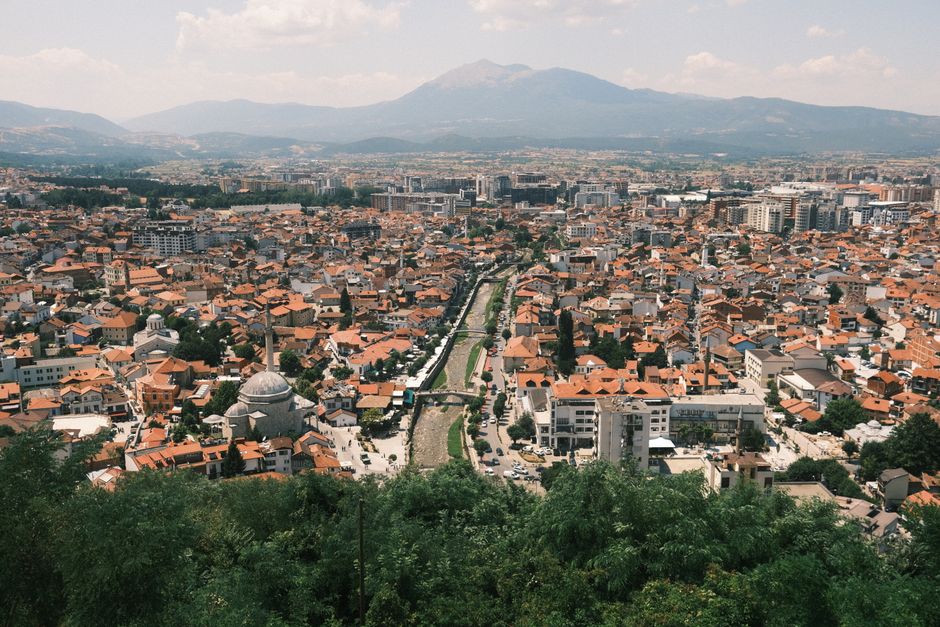
Explore the vibrant cityscape of Prizren with a stunning mountain backdrop., Peja, Kosovo
The Food You Can’t Miss
Kosovo is a nation that cooks with fire and memory, and Peja is its grill‑master. You’ll find qebapa (small seasoned sausages of lamb and beef) at nearly every corner, but the real artistry is in the charcoal management – the best places, like Te Radoja and Vëllezërit Gërvalla, use a mix of beech and oak that burns slow and even. Locals recommend you never order “mixed grill” until you’ve tried the single‑meat version first; the purity of the lamb here is a revelation. For street food, grab a pite with cheese and spinach from Pite Bar Peja (€1.80) – the dough is stretched so thin you can see through it, then slathered in butter and baked until it crackles.
Don’t leave without tasting flija, a layered pancake‑style dish that’s traditionally cooked over an open fire during family celebrations. Restaurant Shtepia e Llapatarëve in the old town offers a version (€4.50 for a generous plate) drizzled with honey and topped with walnuts. For something sweet, walk to Ëmbëltore “Aroma” on Mother Teresa Street: their kadaif – shredded phyllo soaked in syrup and studded with pistachios – costs €2 for a portion that will ruin you for all other pastries. The Kosovar coffee culture is serious: you order Turkish coffee (kafe turke) which arrives in a copper pot with a glass of water and sometimes a cube of sugar on the side. It’s strong, sediment‑heavy, and meant to be sipped slowly while sitting on a curb and watching the city pass.
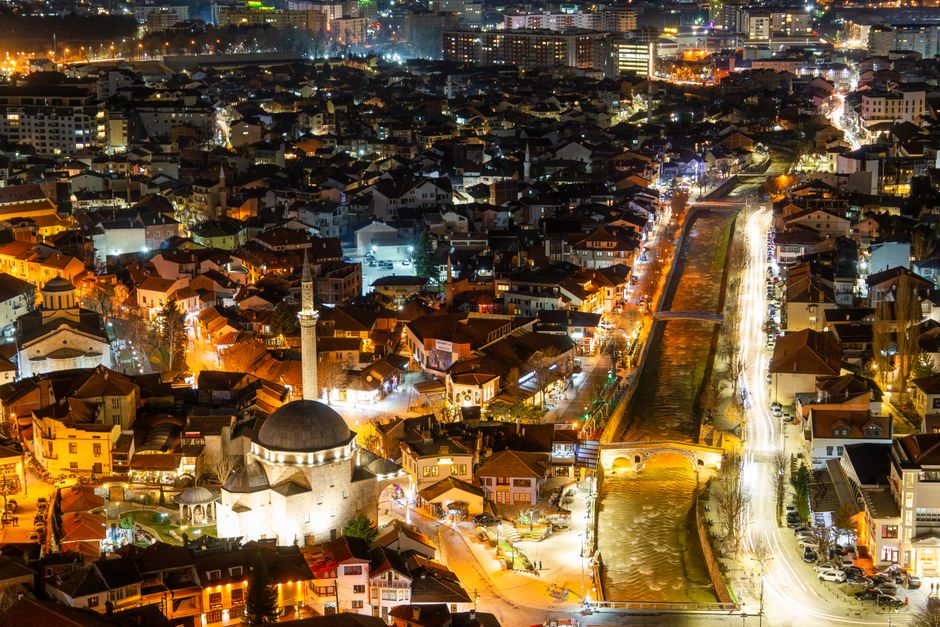
Captivating aerial view of Prizren at night showcasing illuminated streets …, Peja, Kosovo
Where to Stay for the Weekend
Your weekend budget is best spent in the old‑bazaar area. Centrum Hotel Peja (Rruga e Kënetës, double rooms from €50/night) sits just steps from the Çarshia – you step out of the lobby into the heart of the market action. The rooms are clean, modern, and the staff speak good English; ask for a room on the upper floor to avoid the morning noise from the mosque loudspeakers (the 5am call is a rude awakening). If you prefer quiet, book Guesthouse Lumbardhi (€35/night, including breakfast) on a side street near the river. It’s a converted family home with high ceilings, a small garden, and a host who may offer you homemade rakija on arrival. For budget travelers, Hostel Peja (dorm bed €10) on Rruga Skënderbeu offers basic bunk beds but a social common room and free walking tours on Saturdays. Book via Booking.com or check Airbnb for private apartments in the old town (around €30–45/night).
Before You Go: Practical Tips
- Getting Around: Peja is walkable – the bazaar, museums, and riverfront are within a 15‑minute radius. For the canyon, shared taxis (€2–3 per person) wait near the main square and leave when full. A private taxi to the cable car costs €5. The city bus network is sparse; you’ll rely on your feet and friendly drivers.
- What to Pack: A light jacket (canyon evenings drop to 10°C even in summer); sturdy hiking sandals or sneakers (the bazaar’s cobbles are ancient and uneven); a scarf (to cover your head at the Patriarchate and smaller churches); and a reusable water bottle (tap water is safe and crystalline from the mountain spring).
- Common Tourist Mistakes: Don’t confuse Peja with Peć – it’s the same place, but stick to the Albanian name when asking directions. Also, avoid flashing cash at the bazaar; bargaining is acceptable but should be done with a smile, not aggression. Most tourists overlook the Serbian enclaves – the Fourth Quarter is a must, but respect the quiet, especially near churches.
- Money‑Saving Tip: Buy a day‑pass for the Rugova Canyon minibuses from the ticket office near the cable car (€4). This saves you a random taxi fare, and the driver will stop at all viewpoints. Also, many museums (including the Patriarchate) offer student or group discounts – carry a student ID if you have one.

