
Pando, Bolivia’s Stunning Rainforests, Rivers & Remote Adventure (2025)
While crowds flock to the Uyuni Salt Flats, Pando, Bolivia delivers an unfiltered, wild Amazonian experience without a single tour bus in sight. This vast, roadless department—where over 90% of the land is pristine rainforest—is Bolivia’s final frontier. Here, your transport is a dugout canoe, your soundtrack is a howler monkey chorus, and your itinerary is written by the flow of the river. This is where the Amazon feels truly immense and untouched.
Why Pando, Bolivia Stands Out

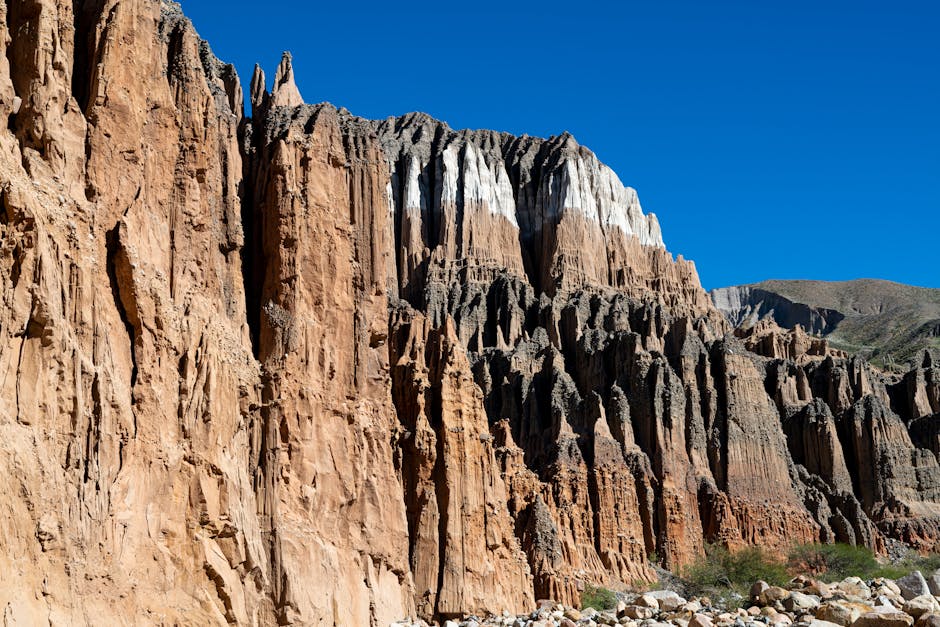
Breathtaking view of unique rock formations against a clear blue sky, Pando, Bolivia
- Historic Architecture: The Fortín (Little Fort) in Cobija, built in 1906 during the Acre War, stands as a quiet testament to a turbulent border conflict fought over rubber.
- Cultural Scene: The annual Feria Exposición Amazónica in Cobija each October transforms the city with rodeos, agricultural shows, and vibrant music celebrating frontier life.
- Local Specialties: You must try *sajta de gallina*, a hearty, spicy chicken stew served with rice and chuño (freeze-dried potato), a staple of local comfort food.
Pro Tip: The absolute best time to visit is during the dry season, from May to September. River levels are lower, making navigation more predictable, and mosquito populations are reduced. Avoid the peak rainy months of January and February when many remote communities become completely isolated.
Map of Pando, Bolivia
Use these interactive maps to explore Pando, Bolivia and plan your route:
📍 View Pando, Bolivia on OpenStreetMap
🗺️ Open Pando, Bolivia in Google Maps
Planning Your Trip: Practical Essentials
Getting There and Around
- By Air: The main gateway is Capitán Aníbal Arab Airport (CIJ) in Cobija. Boliviana de Aviación (BoA) and EcoJet operate flights from La Paz (approx. 1.5 hours). Book flights at Skyscanner for best deals.
- By Train: There are no passenger train services to or within Pando. The famous “Death Train” from Santa Cruz to Quijarro does not serve this region.
- By Car: Overland access is challenging. The main route is a rough, seasonal road from Riberalta (in Beni department). A 4×4 is mandatory. Compare car rentals in La Paz at RentalCars.com if attempting this journey.
- Local Transport: Within Cobija, *mototaxis* (motorcycle rickshaws) are the standard, costing 5-10 BOB per short trip. For river travel, you must hire boats with local guides in towns like Cobija, Porvenir, or Puerto Rico.
Best Time to Visit
Pando’s tropical climate dictates all travel plans. The dry season offers accessibility, while the wet season reveals a dramatically different, flooded forest landscape that is harder to navigate but incredibly lush.
| Season | Weather | Highlights |
|---|---|---|
| Dry (May–Sep) | Warm, 25-35°C (77-95°F), low rainfall, lower humidity. | Best for river travel, hiking, and community visits; peak tourist season (though still minimal). |
| Wet (Dec–Mar) | Hot, humid, 28-38°C (82-100°F), daily heavy downpours. | Rivers are high, some areas inaccessible; the forest is at its most vibrant and dramatic. |
| Shoulder (Apr/Oct–Nov) | Transitional, unpredictable showers, warm temperatures. | Good balance, fewer visitors, but be prepared for sudden rain; ideal for photographers. |
Budgeting for Pando, Bolivia

Dramatic aerial shot of Valle de las Animas in La Paz Department, Pando, Bolivia
| Category | Budget | Mid-range | Luxury |
|---|---|---|---|
| Accommodation | 80-150 BOB (hostal) | 250-400 BOB (decent hotel) | 500+ BOB (best in town) |
| Meals | 20-40 BOB (market/menu del día) | 50-80 BOB (local restaurant) | 100+ BOB (hotel restaurant) |
| Transport | 5-10 BOB (mototaxi) | 300-800 BOB/day (boat hire) | 1000+ BOB/day (private guide/boat) |
| Activities | Free (city walks, plaza) | 150-300 BOB (guided walk) | 500+ BOB (multi-day river expedition) |
| Daily Total | 150-250 BOB | 700-1500 BOB | 2000+ BOB |
Top Attractions and Must-See Sights
| Attraction | Description | Hours | Entry Fee |
|---|---|---|---|
| Manuripi-Heath Amazonian Wildlife National Reserve | A vast protected area of flooded forest, home to giant otters, black caimans, and countless bird species. | Access via guided tour only | Tour dependent (300-600 BOB) |
| Bahuaja-Sonene National Park (Pando sector) | Remote, pristine rainforest accessible by river, offering unparalleled wildlife spotting and immersion. | Access via guided tour only | Park fee ~50 BOB + guide costs |
| El Fortín de Cobija | The historic 1906 fort offering a glimpse into the region’s rubber boom-era conflicts and strategic importance. | Daylight hours | Free |
| Río Acre & River Communities | A journey along this lifeblood river to visit Tacana and other indigenous communities for cultural exchange. | Full day tours | Boat hire + guide (400-800 BOB) |
3-Day Itinerary: Pando, Bolivia’s Highlights & Hidden Gems
Day 1: Cobija & Riverfront Immersion
- Morning (7-9 AM): Start with a walk along the Río Acre malecón (boardwalk) in Cobija. Watch the river come to life with fishermen in dugout canoes. Your best bet is to grab a fresh pastry and coffee from Panadería Cobija near the main plaza.
- Afternoon (12-3 PM): Visit El Fortín for a quiet history lesson, then head to the Mercado Modelo for lunch. Find stall #12 for a massive plate of *sajta de gallina* for about 25 BOB. Browse the stalls selling Brazil nuts, local crafts, and jungle fruits.
- Evening (6-8 PM): As the heat breaks, join locals in Plaza Principal de Cobija. For dinner, try Restaurant El Puente for excellent grilled river fish (*surubí* or *pacú*), expecting to pay around 60 BOB.
Day 2: Amazonian Waterways & Wildlife
- Morning (6 AM): Depart early with a local guide (arrange the day before, approx. 500 BOB for two) for a boat trip on the Río Acre. You’ll likely spot herons, kingfishers, and perhaps capybaras along the banks.
- Afternoon (12-3 PM): Disembark at a small riverside community. With your guide facilitating, learn about subsistence fishing and farming. Enjoy a simple lunch prepared by a local family—likely fish and plantains cooked over an open fire.
- Evening (6-8 PM): Return to Cobija. For a relaxed evening, savvy visitors know to head to Heladería La Paz for incredible tropical fruit ice cream (try the *marañón* or cashew fruit flavor).
Day 3: Frontier Towns & Brazil Connection
- Morning (8 AM): Take a *mototaxi* (10 BOB) to the Bolivian immigration office, then walk across the “Bridge of Integration” into Brasileia, Brazil. It’s a unique chance to experience two Amazonian cultures in one morning. No visa needed for many nationalities for day visits.
- Afternoon (12-3 PM): Have lunch in Brasileia at a *churrascaria* for a Brazilian-style buffet. Return to Bolivia and visit the smaller, more local Mercado 10 de Febrero in Cobija for last-minute souvenirs like hand-woven baskets.
- Evening (6-8 PM): For your final dinner, locals recommend Pizzería El Hornero for surprisingly good wood-fired pizza—a testament to the Italian influence in the region. A final stroll along the river is the perfect farewell.
Cultural Insights & Etiquette
- Language: Spanish is official. In remote communities, indigenous languages like Tacana are spoken. Learn basics: “Buenos días” (Good morning), “¿Cuánto cuesta?” (How much?), “Gracias” (Thank you).
- Customs: Life moves slowly (*poco a poco*). Be patient. Always greet people before asking questions. In communities, ask permission before taking photos of people or homes.
- Tipping: Not widely expected but appreciated for good service. Round up taxi fares, leave 5-10% in sit-down restaurants, and tip guides directly based on satisfaction.
- Dress Code: Light, breathable, quick-dry clothing is essential. Long sleeves and pants protect from insects. Modest dress is respectful, especially in communities. Sturdy, waterproof footwear is a must.
- Business Hours: Typical hours are 8:30 AM-12:30 PM and 2:30-6:30 PM, with a long siesta. Everything closes on Sundays. Government offices often operate only in the mornings.
Where to Eat: Pando, Bolivia’s Best Bites
Dining in Pando is about hearty, no-fuss Amazonian cuisine centered around river fish, chicken, rice, plantains, and the bounty of the jungle. Don’t expect fancy presentation; expect robust flavors that fuel a frontier life.
Must-Try Local Specialties
- Sajta de Gallina: A spicy, turmeric-colored chicken stew with peas, potatoes, and *chuño*. Find it in market food stalls or comedores populares.
- Asado de Pacú: Grilled *pacú*, a large, delicious river fish with fatty, flavorful meat. Best at simple riverside eateries or Restaurant El Puente.
- Majao: A dish of shredded, dried beef (*charque*) cooked with rice and spices, often served with fried plantains. A true cowboy meal from the Beni plains that’s popular here.
Restaurant Recommendations by Budget
| Type | Restaurant | Specialty | Price Range |
|---|---|---|---|
| Budget | Mercado Modelo Food Stalls (Cobija) | Daily lunch menus, *sajta*, soups | 15-30 BOB |
| Mid-range | Restaurant El Puente (Av. Internacional, Cobija) | Grilled river fish, Brazilian-Bolivian fusion | 50-90 BOB |
| Fine dining | Restaurant La Casona (Hotel Coblija) | The most upscale dining in town, international & local dishes | 80-150 BOB |
Where to Stay
Accommodation in Pando is functional rather than luxurious. In Cobija, you’ll find basic hotels and hostels. For true jungle immersion, you’ll need to arrange homestays or camping through guides. Compare prices and book at Booking.com or Airbnb for apartments.
Best Neighborhoods for Accommodation
- Central Cobija (near Plaza Principal): The most convenient area, with easy access to restaurants, markets, and transport. Can be noisy. Best for first-time visitors and short stays.
- Along Avenida Internacional (near the bridge): Quieter, with some of the better hotels. Close to the Brazilian border. Ideal for those wanting a calmer base or planning cross-border visits.
- Riverside Areas: A few basic lodgings offer direct river views. You’ll trade some convenience for atmosphere and the sounds of the Amazon. Perfect for nature lovers.
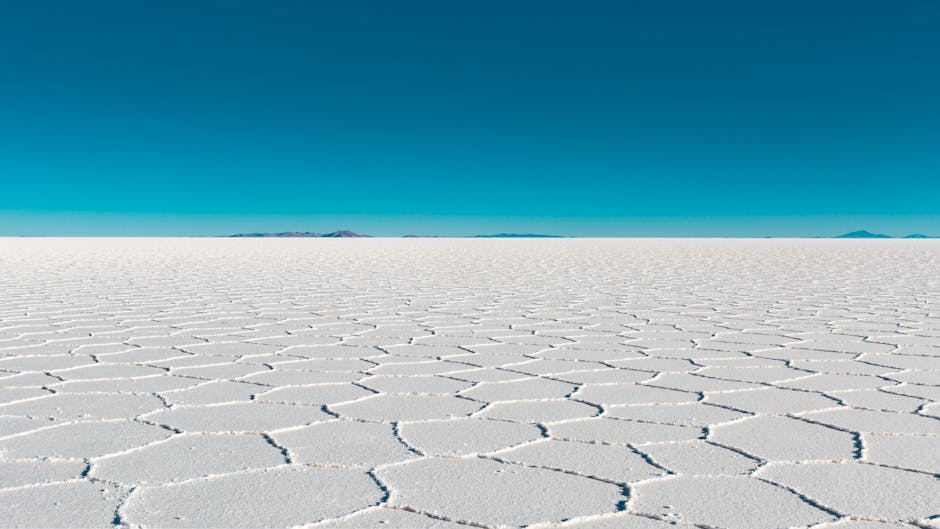
Vast salar with geometric patterns under a clear blue sky in Bolivia’s Uyuni., Pando, Bolivia
FAQs: Your Pando, Bolivia Questions Answered
1. Is Pando, Bolivia safe at night?
Central Cobija is generally safe for walking in the early evening around main areas like the plaza. As in any place, exercise common sense: avoid isolated, dark streets, don’t flash valuables, and take a registered *mototaxi* if traveling longer distances at night. In the wilderness, your guide’s advice is law regarding wildlife and terrain.
2. What currency is used and are credit cards accepted?
The Bolivian Boliviano (BOB) is the currency. Carry ample cash in small denominations, as credit cards are rarely accepted outside of the few major hotels in Cobija. ATMs are available in Cobija but can be unreliable; it’s wise to bring cash from La Paz or Riberalta. US dollars can sometimes be exchanged but at poor rates.
3. How do I get from the airport to the city center?
Capitán Aníbal Arab Airport is very close to town. Your best bet is to take a waiting *mototaxi* for about 10-15 BOB for a 5-10 minute ride. There are no official taxis or buses. For peace of mind, you can pre-arrange a pickup through your hotel. Book airport transfers at GetYourGuide for convenience, though options may be limited.
4. Do I need to speak the local language?
Basic Spanish is extremely helpful, if not essential, especially for arranging travel, guides, and in markets. English is not widely spoken. Learning key phrases will greatly enhance your experience and is seen as a sign of respect. In indigenous communities, your guide will act as an interpreter.
5. What’s the appropriate dress code?
Practicality rules. Dress for a hot, humid, and potentially wet climate with insects. Lightweight long pants, long-sleeved shirts, a wide-brimmed hat, and sturdy shoes are recommended for the jungle. In Cobija town, shorts and t-shirts are acceptable. Always dress modestly when visiting local communities.
Final Thoughts: Pando, Bolivia Awaits
Pando is not a destination for checklist tourism; it’s for the traveler seeking the raw pulse of the Amazon. You won’t find curated Instagram backdrops, but you will find the profound silence of the rainforest, the generosity of frontier communities, and the humbling scale of an untamed river system. It demands flexibility, respect, and a spirit of adventure. Your reward is an authentic connection to a part of South America that few ever witness. Plan to disconnect from the digital world and reconnect with
Related Guides
Explore more destinations similar to Pando:
- Kazan, Russia’s Best Minarets, Tatar Culture & Volga River Majesty (2026)
- Tacuarembó, Uruguay: Stunning Gaucho Culture, Vast Landscapes & Authentic Asado (2025)
- Gippsland, Australia’s Ultimate Coastlines, Cheese & Untamed Wilderness (2026)
- Sudbury, Canada’s Ultimate Science, Lakes & Nickel-Sized Surprises (2026)

