
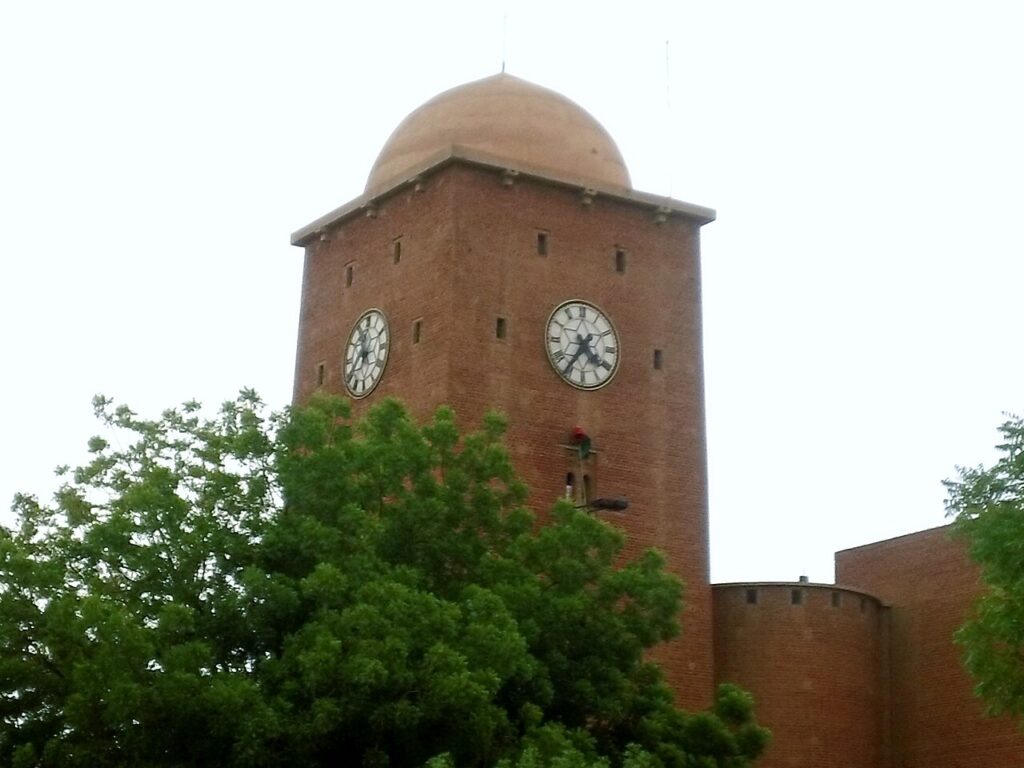
Omdurman, Sudan for Adventurers: 7 Camel-Back & Desert Thrills That Will Make Your Heart Race (2026)
Dust explodes under the hooves of a dozen racing camels as they thunder past you at the Omdurman Camel Market. The roar of the crowd mixes with the rhythm of pounding feet, the sun baking the sand beneath your boots. Your heart pounds in your chest as the lead camel crosses the makeshift finish line—a raw, pulse-pounding introduction to the wild side of Sudan that no tourist brochure will ever capture.
The Main Event: Friday Camel Racing at the Camel Market
You’ll find your adrenaline fix at the world’s largest camel market, the Omdurman Camel Market (Suq al-Jimal), located about 10 kilometers north of the city center. Every Friday morning at 7:00 a.m., traders, locals, and adventurous visitors gather for impromptu camel races that erupt spontaneously when tempers flare or cash is laid down. The races are not official—they’re raw tradition. You’ll see young herders sprinting alongside their dromedaries, whipping the air, and shouting encouragement. The best viewing spot is at the eastern edge of the market, where the track stretches for about 500 meters along a flat dirt path. Duration: 2–3 hours if you want to catch multiple races. Difficulty: Easy (spectating), but you can join a race if you’re brave—locals recommend renting a camel from a trader for 50 SDG (about $1 USD) and attempting a short sprint. Cost: Entry to the market is free; camel rental for riding is 100–200 SDG ($2–4 USD). Best time: Friday, arrive no later than 6:30 a.m. to secure a spot. What to bring: a sun hat, water, and a camera with a telephoto lens—you’ll want to capture the dust clouds. Insider tip: Don’t wear open-toed sandals. The camel dung and dust will ruin them. Instead, bring sturdy boots and a scarf to cover your nose and mouth.
Activity #1: Sufi Whirling Dervishes Ceremony – A Spiritual Adrenaline
You might not think of a religious ritual as an adrenaline activity, but the Sufi Whirling Dervishes ceremony at the Al-Hamidiyya Mosque (also called the Tomb of Sheikh Hamed al-Nil) delivers a different kind of high. Every Friday evening, just before sunset, hundreds of Sudanese men and women gather to perform the dhikr (remembrance of God) with feverish drumming and hypnotic spinning. You’ll find yourself drawn into the ecstatic crowd, the beat vibrating through your chest. The ceremony starts around 5:00 p.m. and continues for two hours. Cost: free, but you can tip the drummers 50–100 SDG. Best time: arrive by 4:30 p.m. to get a spot near the front. What to bring: remove your shoes before entering the prayer area; women should cover their heads and wear long sleeves. Insider tip: Watch from the rooftop of the nearby café for a stunning overhead view of the whirling dancers against the setting sun. Travelers often discover that this is the most intense cultural experience in Sudan.
Activity #2: Felucca Sailing to Tuti Island – River Rush
If you crave water-based adventure, step aboard a traditional felucca from the Omdurman Nile Corniche and sail across the White Nile to Tuti Island, a lush spot where the Blue and White Niles meet. The journey takes about 20 minutes each way, but you’ll negotiate with the boat captains at the dock—expect to pay 300–500 SDG per boat (up to 4 people). You can also ask for a longer voyage upriver toward the Mogran (confluence point), where the current swirls and the winds pick up. The best time is late afternoon, when the breeze is strongest and the heat fades. Difficulty: easy, but you might get splashed. Bring: sunscreen, a hat, and water shoes (the wooden deck gets hot). Insider tip: Ask the captain to drop you off on Tuti Island for an hour to explore the small farms and have chai at a village café before returning. Locals recommend doing this before sunset for the golden light.

White Nile bridge at night, link between Omdurman and Khartoum, Omdurman, Sudan
Refuel: Where Adventurers Eat
After a dusty morning at the camel market, you’ll need serious fuel. Head to Sofra Omdurman (Al-Souk Al-Sha’abi, near the main roundabout) for a massive plate of kisra (spongy flatbread) with ful medames (fava bean stew) and a side of lamb shaiya (grilled skewers). Costs 200–300 SDG per person. For something quicker, Al-Mokh Grill (Al-Salam Street) serves the best kofta kebab in town—juicy, spiced, and served with fresh tomato salad and flatbread (150 SDG). Travelers often rave about Omdurman Nile Restaurant (Nile Street), a floating restaurant where you can order grilled Nile perch caught that morning (400–600 SDG). The menu also has asida (porridge) and chicken stew. Save room for Shai Al-Bawadi (teahouse on Corniche) for sweet, spiced shai (tea) with camel milk—only 20 SDG.
Base Camp: Where to Stay
For adventurers, location and convenience matter. Al Haramain Hotel (Al-Amat Street, Omdurman) offers basic but clean rooms starting at 15,000 SDG ($300 USD) per night. It’s a 10-minute taxi ride from the camel market and has secure storage for gear. For a more social vibe, Omdurman Backpackers Lodge (near Al-Hamidiyya Mosque) has dorm beds for 5,000 SDG ($100 USD) and organizes group trips to the desert. Book via Booking.com to secure early check-in for sunrise activities. Alternatively, Khartoum Marriott (50 km away across the bridge) offers luxury with early breakfast bags—perfect if you don’t mind the commute. Most accommodations can arrange taxi pickups for the camel market (100 SDG each way).
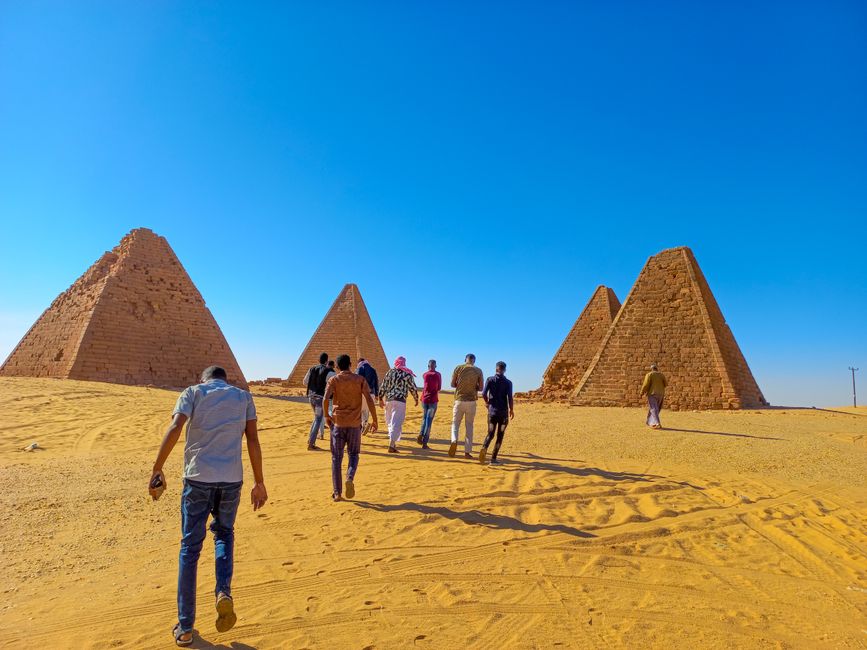
Tourists walk towards ancient pyramids in the Sudanese desert under a clear…, Omdurman, Sudan
Gear & Prep Checklist
- Sun hat, sunglasses, and high-SPF sunscreen (UV index often 11+).
- Sturdy, closed-toe boots or trail shoes (sandals will be ruined by dung and sand).
- Lightweight, long-sleeved shirt and trousers (protects from sun and dust).
- Water bottle (2 liters minimum per person; refill at markets).
- Fitness requirement: No special fitness needed for most activities, but sandboarding and quad biking require basic balance and core strength.
- Safety consideration: Avoid drinking tap water; carry purification tablets or buy bottled water. Also respect local customs—women should cover arms and legs, and always ask permission before photographing people.
Getting There & Around
- Flights: Fly into Khartoum International Airport (KRT). Ethiopian Airlines, Turkish Airlines, and Sudan Airways operate flights. Book at Skyscanner. From the airport, you can take a taxi to Omdurman (30 minutes, 500–800 SDG).
- Local Transport: The best way to reach activities from town is by tuk-tuk (rickshaw) or yellow taxi. Tuk-tuks charge 50 SDG per short ride; taxis are 100–200 SDG for longer trips. For the camel market, hire a taxi for a half-day (500 SDG).
- Best Season: November to February is optimal—days are warm (25–30°C) and nights are cool. Avoid May to September (extreme heat, 45°C).

Explore the magnificent ancient ruins of Naqa, Omdurman, Sudan
Is Omdurman, Sudan Worth It?
Honestly, Omdurman isn’t a tourist hub—and that’s what makes it perfect for real adventurers. You’ll get dusty, dodgy toilet situations, and stares, but you’ll also experience the raw authenticity of Sudan. Travelers who love the unexpected will thrive here. If you need polished infrastructure and guided tours, skip Omdurman for the Pyramids of Meroe. But if you want to race camels, whirl with dervishes, and eat grilled Nile perch while watching the sun set over the White Nile, this is your place. Give it three days: one for the camel market and desert, one for the Sufi ceremony and felucca, and one for sandboarding or quad biking. You’ll leave with memories no Instagram filter can replicate.
Related Guides
Explore more destinations similar to Omdurman:
- Kampot, Cambodia: Ultimate Riverside Charm, Pepper Plantations & French Colonial Heritage (2025)
- Chukotka Autonomous Okrug, Russia
- Koudougou, Burkina Faso: Stunning Artisan Crafts, Cultural Festivals & Authentic West African Life (2025)
- Bukhara, Uzbekistan (lesser-known than Samarkand): Best Silk Road Mystique, Living History & Architectural Grandeur (2025)

