
Novo Airão, Brazil for Adventurers: Paddling Among Pink Dolphins and Sleeping in the Jungle – 5 Adrenaline-Pumping Experiences That Beat Any Beach Vacation (2026)
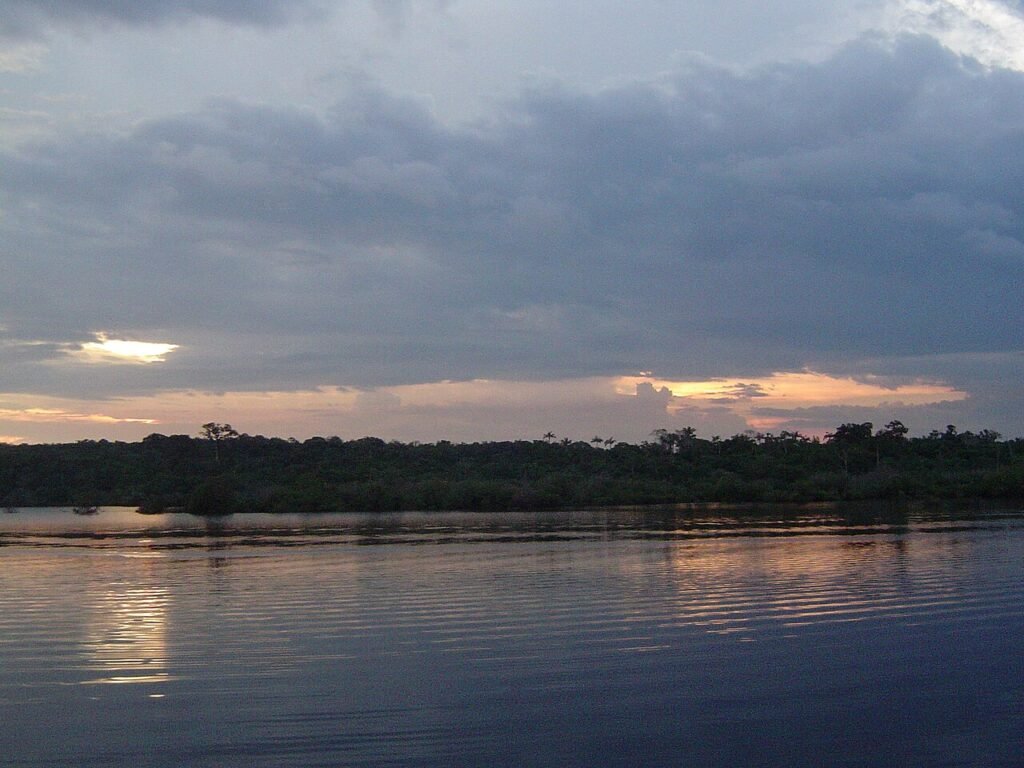
Your canoe slices through the inky black water of the Rio Negro at dawn, and suddenly the surface erupts – not with a splash, but with a soft, whistling exhale. A pink dolphin surfaces three feet from your kayak, its bulbous head and curious eye locking with yours. The air smells of wet earth and orchids. You’re not dreaming – you’re in Novo Airão, the Amazon’s best-kept adventure secret, and your heart is already racing before breakfast.
The Main Event: Kayaking the Anavilhanas Archipelago at Sunrise
This is the non-negotiable bucket-list experience of any trip to Novo Airão. The Anavilhanas Archipelago is one of the largest freshwater island complexes in the world – over 400 islands, channels, and lagoons that shift and reshape with the river’s moods. You’ll launch your kayak from the Anavilhanas Jungle Lodge dock or from the town’s riverfront at 5:30 AM sharp (locals recommend the Putiriri landing area, about 8 km from the town center). The guided tour runs about 4 hours total, covering roughly 6–8 km of paddling through flooded forest and narrow igarapés (stream channels). The difficulty is moderate – you don’t need whitewater skills, but you’ll need upper-body stamina for passages through current and fallen trees.
Cost is around R$ 200–R$ 250 (about $40–$50 USD) per person for the kayak rental and guide, including life vests and waterproof bags. Your best bet is to book through Amazon Extreme (amazonextreme.com.br) or Ivan Pereira’s local guiding service – both offer bilingual guides and proper safety gear. The secret that savvy visitors know: bring a dry bag with a thermos of strong Brazilian coffee and a banana-and-peanut-butter wrap, because your arms will be trembling by the time you reach the dolphin zone. Insider tip: ask your guide to pause at the “Ponta do Ceu” sandbar for a 20-minute break – you’ll spot three species of monkeys overhead, and the water is shallow enough to hop out and stretch your legs.
Activity #1: Jungle Trek to the Giant Water Lilies & Sloth Spotting (Moderate–Hard)
Put on your sturdiest hiking boots and expect mud – lots of mud. This trek starts at the Tupé Landing, about 12 km north of Novo Airão town. You’ll follow old rubber-tapper trails through primary rainforest, crossing small streams on fallen logs and wading through shallow igapó (flooded forest) during wet season (December–May). The goal: a hidden lagoon the size of a football field, carpeted with Victoria amazonica – the giant water lilies whose leaves can grow up to 3 meters across and support a small child’s weight (though guides will ask you to please, for the love of the ecosystem, not test that). The trek covers about 5 km round-trip, takes 3–4 hours at a steady pace, and the difficulty lies in the humidity and uneven ground, not elevation. Cost is R$150–R$220 per person, including a local Ribeirinho guide who knows the calls of howler monkeys and can spot a three-toed sloth from 50 meters away.
Seasoned travelers prefer to go at 7:30 AM – the forest is cooler, the birds are loudest, and you’ll likely spot toucans and parrots before the midday heat drives everything into the canopy shade. Bring at least 2 liters of water, insect repellent with DEET, and a pair of gaiters if you own them (leeches are a real thing here, though harmless). The local guide cooperative ACONA (Associação Comunitária de Novo Airão) runs these treks and also offers a combined tour with a visit to a rubber-tapper’s hut where you can taste freshly made açaí from the tree. Most tourists overlook this trek in favor of dolphin tours – but the silence under the emergent kapok trees, punctuated by the bark of a saki monkey, is the true Amazonian adrenaline.
Activity #2: Nighttime Caiman Spotting by Canoe (Easy)
When the sun drops behind the Rio Negro’s blackwater horizon, the jungle comes alive – and so do the caimans. This is an “easy” activity in the sense that you don’t need any special skills, but your nerves will be tested. You and your guide (plus up to 3 other adventurers) set out in a wooden canoe with a small outboard motor at 6:30 PM, just as the light fades. The guide sweeps a powerful flashlight across the river surface, and you’ll see dozens of pairs of glowing red or orange eyes – the reflections of juvenile spectacled caimans (the smaller, more docile species – the anacondas and black caimans prefer deeper channels). The tour costs R$100–R$150 per person and runs about 2–3 hours, depending on how many caimans you find (usually 15–30). Your guide might even let you hold a small caiman (under 1 meter) for a photo – locals recommend you wear long sleeves for this, as their claws can scratch even if they’re calm.

NAVEGANDO EM ANAVILHANAS NOVO AIRÃO, Novo Airão, Brazil
The best operators are Amazon Biking & Adventures (yes, they also do water tours) and Guia do Rio Negro, both based in Novo Airão’s town center near the waterfront. The secret that repeat visitors know: book the “late shift” departure at 8 PM – the moon is lower, the caimans are more active, and you’ll likely see fishing bats skimming the water. Bring a red headlamp (white light spooks the caimans) and a waterproof camera. This is not a physically demanding activity – you sit in the canoe the whole time – but the adrenaline of having a 1.5-meter reptile slide under your canoe’s hull is real and unforgettable.
Refuel: Where Adventurers Eat
After a morning on the water or in the jungle, you’ll need serious fuel. Here’s where locals and guides go:
1. Restaurante do Seu Jorge – hidden on a side street off Rua 7 de Setembro, this family-run spot serves the best tambaqui na folha de bananeira (river fish baked in banana leaves) in the region. A full plate with rice, farofa, and salad costs R$30–R$40. The owner, Seu Jorge himself, spent 20 years as a river guide and knows every trail in the Anavilhanas – ask him for off-the-map recommendations. Open daily 11:30 AM–3 PM and 6:30 PM–9 PM.
2. Pizzaria do Pescador – yes, pizza in the Amazon. This place sits on the waterfront and serves a wood-fired pie topped with local cheese, dried shrimp, and a drizzle of tucupi (sour cassava sauce). A large pizza costs R$45, feeds two ravenous kayakers, and is the perfect post-canoeing indulgence. Try the “Amazoniana” – it has shredded pirarucu (the giant river fish) and heart of palm. Open 6 PM–11 PM.
3. Padaria e Café do Rio – your morning base. Opens at 5:30 AM (crucial for your sunrise kayak), and you’ll find pão de queijo (cheese bread), tapioca crepes with banana and chocolate, and strong black coffee. A hearty breakfast costs R$12–R$18. The owner, Dona Maria, will pack you a sandwich for the trail if you ask nicely.
Base Camp: Where to Stay
1. Anavilhanas Jungle Lodge – this is the top-tier option for active travelers. Located 20 minutes by boat from town, it offers direct access to kayak launch points, a private trail network, and gear storage. Rates run R$450–R$700 per night (double occupancy, full board), and you can book via Booking.com. The lodge also has a mandatory early-breakfast service (5:30 AM) for guests doing dawn paddles – just mention it at reception. The rooms are spacious, with mosquito nets and ceiling fans (no AC needed since you’re on the river).
2. Pousada do Rio – in the town center, this is the budget-friendly base for independent adventurers. A double room with fan costs R$120–R$180 per night. They have a secure area for bike storage, and the owner, Paulo, is a former park ranger who gives free advice on the best hiking routes. Breakfast (included) starts at 6 AM, but they’ll leave a tray outside your door at 5 AM if you request it. Book via Booking.com or by calling directly (+55 92 99123-4567).
3. Amazon Jungle Camp – for the true “sleep in the jungle” experience. This is an eco-camp 45 minutes upriver with hammock dorms and tent platforms. You’ll wake up to howler monkeys and the smell of wood smoke. Rates are R$250–R$350 per person full board, and you’ll need to arrange transport through the camp. This is for hardcore adventurers who don’t mind cold showers and zero phone signal.

Explore the breathtaking aerial view of Cidade Balneária Novo Mundo II, Novo Airão, Brazil
Gear & Prep Checklist
- Wide-brimmed hat & polarized sunglasses – the sun reflects off the black water brutally; locals wear a chapéu de palha (straw hat) and polarized lenses to spot caimans and dolphins under the surface.
- Waterproof dry bag (15–20 liters) – for your phone, wallet, and snacks. A backpack will get soaked on any boat or kayak trip.
- Insect repellent with 30%+ DEET – apply before and during activities. The mosquitoes can be fierce near the igapó at dawn and dusk.
- Fitness preparation – you don’t need to be a triathlete, but you should be comfortable with 4–5 hours of moderate to high physical effort. Walk 5 km carrying a light pack on flat terrain and do some upper-body rows (to simulate kayaking) before your trip.
- Safety consideration – the Rio Negro is a blackwater river (acidic, tea-colored) with submerged logs and branches. Always wear your life vest on any boat, and never swim in the river at night or during flood season without a guide. Also, note that the region has jaguars – extremely rare to see, but guides recommend staying close to the group in the forest.
Getting There & Around
- Flights: fly into Manaus (MAO) – the city with the most international and domestic connections in the Amazon. Book at Skyscanner. From Manaus, you have two options to reach Novo Airão: the road (115 km northwest on AM-070 and BR-319 – about 2.5 hours by bus or taxi) or by boat (a 3-hour trip on the Rio Negro, departing from Manaus’s Porto da Ceasa). The road is easier and cheaper – a taxi costs around R$250–R$350, and you can share with other travelers.
- Local Transport: once in Novo Airão, most activities start from the town’s main waterfront (Praça da Bíblia). For the Anavilhanas trek and kayak spots, you’ll need a taxi or mototáxi (R$10–R$20 per ride). Many lodges include transfers, and guides often pick you up from your pousada. For the mountain biking route, you can rent bikes from Pedala Novo Airão on Rua Getúlio Vargas (R$50 per day).
- Best Season: June to November is the dry season, meaning lower water levels, easier jungle trekking, and better caiman spotting. December to May is the wet season – brilliant for kayaking deep into the flooded forest but tougher for hiking. If you’re serious about rappelling and canyoning, go between July and October when Cachoeira do Iracema is fully accessible and not underwater.

Stunning mountain view at dawn in Alto Rio Novo, Novo Airão, Brazil
Is Novo Airão, Brazil Worth It?
Honest answer: it depends on what you’re after. Novo Airão is not for travelers looking for nightlife, luxury resorts, or easy beach days. It’s a small frontier town with dirt roads, limited restaurants, and a pace that revolves around sunrise and sunset. But if you’re an adventurer who wants to kayak among pink dolphins without fighting crowds, trek through rainforest where you might not see another tourist all day, and sleep to the sound of monkeys and frogs – this is the single most underrated Amazon destination in Brazil. Travelers often compare it to Manaus’s tourist hubs and find Novo Airão far more authentic, with local guides who actually live in the forest. The best part? You can do a full week of activities here for the price of two days in Manaus. If you’re a true adventure traveler, Novo Airão is non-negotiable – book it before the secret gets out.

