
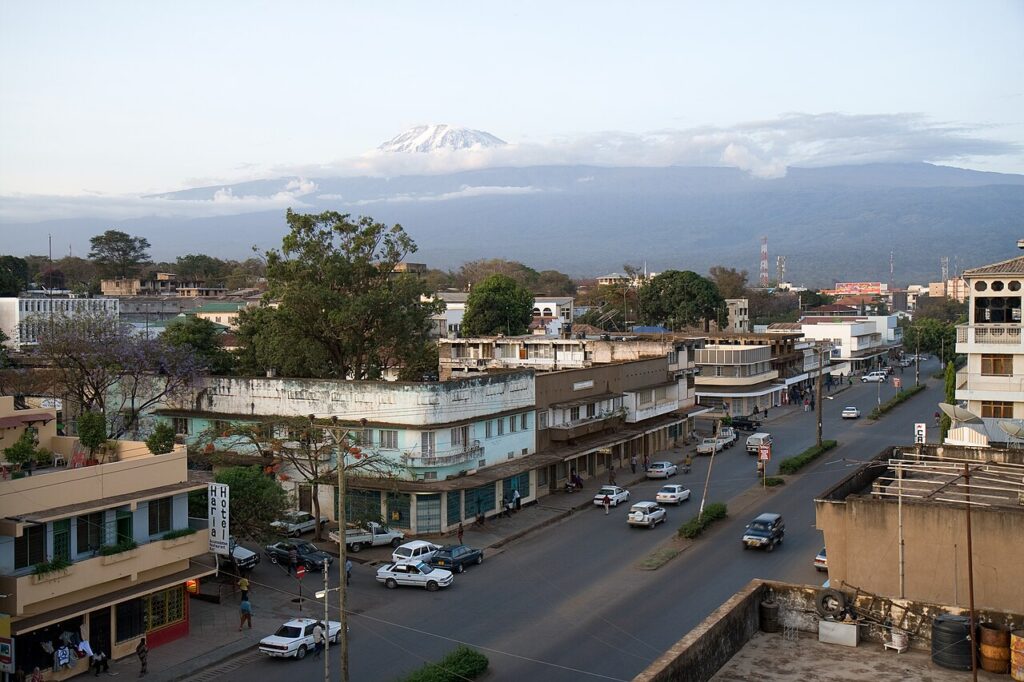
Moshi, Tanzania on a Budget: How to Live Like a King for $35/Day (2026)
While a single day of trekking on Mount Kilimanjaro can set you back $200 or more, Moshi, Tanzania offers the same jaw-dropping views of Africa’s highest peak, vibrant local culture, and heart-pumping adventure for a fraction of the cost. You’ll find that a full day of delicious street food, a comfy guesthouse bed, and free walking tours costs less than a mediocre meal in a safari lodge. Travelers often discover that Moshi is the ultimate budget gateway to East Africa, where your dollar stretches like magic.
7 Free Things to Do in Moshi, Tanzania
- Climb the Moshi Viewpoint (Moshi Hill): Start your day early by heading to the top of Moshi Hill, a 30-minute walk from the town center. You’ll find a small, unmarked path behind the Kilimanjaro Christian Medical Centre. The reward? A panoramic view of Mount Kilimanjaro’s snowy peak on a clear morning, plus the entire town sprawled below. It’s a favorite sunrise spot for locals, and you’ll often see joggers and families enjoying the cool air. Bring water and wear sturdy shoes—the trail is steep in parts.
- Explore the Moshi Central Market (Soko Kuu): Every day from 6 AM to 6 PM, the market buzzes with life. You’ll wander through stalls piled high with fresh mangoes, avocados, bananas, and spices like cinnamon and cloves. Travelers often discover that the market is a free cultural immersion—watch women weave baskets, haggle for a hand-carved wooden spoon, and observe the rhythm of daily trade. It’s located on Market Street, just off the main roundabout. Locals recommend going early (before 8 AM) for the best produce and fewer crowds.
- Walk the Old Moshi Railway Station: Built in 1910 by German colonial forces, this historic station sits on Station Road. You can stroll the platform and peek at the vintage steam engines parked on the tracks. While the train service is defunct, the station is a living museum. You’ll see old ticket booths and a fading sign that reads “Moshi Station.” It’s a quiet spot for photos, and if you’re lucky, a friendly station keeper might share stories of the line that once connected Moshi to Tanga and the coast.
- Visit the Moshi Cathedral (St. Joseph’s Cathedral): Located on the main road near the clock tower, this Catholic cathedral was built in 1950 and is a stunning example of modernist architecture adapted for tropical climes. You can step inside for free from 8 AM to 6 PM daily. The interior features vibrant stained glass depicting African saints, and the quiet, cool atmosphere offers a peaceful break from the heat. Travelers often discover that Sunday mass at 9 AM is a beautiful experience, with choir singing in Swahili and English.
- Hike to the Ndoro Waterfall (Self-Guided): About 45 minutes from town by foot, follow the dirt road past the Moshi Technical School to the village of Majengo. You’ll find a small, 20-foot waterfall that locals call Ndoro. It’s not as famous as Materuni, but it’s free and rarely visited by tourists. You can swim in the shallow pool at the base—just watch for slippery rocks. The hike passes through coffee farms and banana groves, and you’ll likely be greeted with friendly “Jambo!” from farmers.
- Watch the Sunset from the Railway Bridge: At the end of Station Road, a pedestrian bridge crosses the railway tracks. At 6 PM, you’ll see locals gathering here to watch the sun dip behind Mount Meru and the Shira Plateau. The sky turns shades of orange and pink, and the silhouette of Kilimanjaro looms in the distance. It’s a simple, free moment that travelers often remember as the highlight of their trip.
- Tour the Kilimanjaro Coffee Cooperative (KNCU): The KNCU, established in 1932, is one of Africa’s oldest coffee cooperatives. You can visit their small office on Boma Road (near the post office) and ask for a free tour of the processing area. You’ll see coffee beans being sorted, dried, and bagged. The staff are happy to explain the process, and you’ll learn that Moshi’s coffee is grown on the slopes of Kilimanjaro, giving it a distinct, fruity flavor. No tasting is included for free, but you can buy a bag of beans for $5.
Cheap Eats: Where Locals Actually Eat
You’ll find the best value for your money on the streets and in the small eateries that locals call “mama lishe” (mother’s food). Start your day at Mama Fatuma’s Chapati Stand on Market Street (near the bus stop). For just $0.50, you get a warm, flaky chapati stuffed with spiced potatoes and a drizzle of tomato sauce. It’s served from 6:30 AM to 10 AM, and you’ll see taxi drivers and market vendors lining up. For lunch, head to Kiboko Lodge on Old Moshi Road, where a plate of “ugali na samaki” (cornmeal porridge with fish) costs $1.50. The fish is grilled over charcoal and comes with a tangy kachumbari salad of tomatoes and onions. Locals recommend the “chipsi mayai” (fried egg and chips) from Mama Shida’s Food Stall on the corner of Boma Road and Station Road. For $1, you get a giant, crispy omelet layered with french fries and a side of chili sauce. It’s served from 11 AM to 9 PM. For dinner, try The Local Pot on Rengua Road—a small, unmarked restaurant with a green awning. You’ll get a heaping plate of “nyama choma” (grilled beef) with rice and beans for $3.50. The meat is marinated in ginger and garlic, then slow-grilled over coals. It’s open from 5 PM to 10 PM, and you can watch the chef work the grill from your seat.

Moshi, Tanzania
Getting There Without Going Broke
- Cheapest Route: From Arusha, take a dala-dala (shared minibus) from the Central Bus Station to Moshi. The journey takes 1.5 hours and costs $2.50. Buses run every 30 minutes from 6 AM to 6 PM. For longer distances, the overnight bus from Dar es Salaam (via the Dar Express bus company) costs $15 and takes 8 hours, arriving in Moshi at dawn. Travelers often discover that booking your bus ticket a day in advance ensures a seat.
- Pro Tip: If you’re flying into Kilimanjaro International Airport (JRO), avoid the $30 taxi into town. Instead, take the free shuttle to the airport’s bus stop (a 5-minute walk from the terminal) and catch the dala-dala to Moshi for $1. The shuttle runs every hour from 8 AM to 6 PM. Your best bet is to arrive during daylight hours, as the bus service stops at sunset.
- From the Airport: The cheapest transfer is the dala-dala from the airport bus stop to Moshi’s central market. The ride takes 45 minutes and costs $1. A taxi from the airport to town costs $30, but you can negotiate to $20 if you share with other travelers. Locals recommend using the “Boda Boda” (motorcycle taxi) from the market to your accommodation for $0.50.
Compare flights at Skyscanner

Elephant and herd of wildebeest grazing in savanna, Moshi, Tanzania
Budget Accommodation Guide
Your best bet for budget stays is the area around the central market and Station Road. Kilimanjaro Backpackers Hostel on Rengua Road offers dorm beds for $8 per night, with a shared kitchen, free Wi-Fi, and a rooftop terrace with views of the mountain. For a private room, Springlands Hotel on Boma Road charges $15 for a room with shared bathroom and a fan. It’s clean, safe, and a 10-minute walk from the market. If you want a bit more comfort, Keys Hotel on Old Moshi Road offers en suite rooms for $35, including breakfast and a swimming pool. The cheapest area is the “Majengo” neighborhood, where guesthouses like Moshi Inn charge $10 for a basic private room (shared toilet, cold water only). Travelers often discover that staying near the market means you’re close to cheap eats and transport. Book ahead on Booking.com for the best deals, or check Airbnb for local homestays starting at $12 per night.

Snow-capped mountain peak under a blue sky, Moshi, Tanzania
Money-Saving Tips Specific to Moshi, Tanzania
- Eat street food for breakfast and lunch: You’ll save at least $5 per day by avoiding tourist cafes. A chapati from a street stall costs $0.50, while a similar breakfast at a cafe runs $3.50. Stick to busy stalls with high turnover—the food is fresh, and you’ll see locals eating there.
- Use dala-dalas, not taxis: A dala-dala ride across town costs $0.20, while a taxi is $3. You’ll save $2.80 per trip. The dala-dala routes are numbered—route #1 goes from the market to the bus station, route #2 to the outskirts. Locals recommend using the “Boda Boda” for short hops (under 1 km) for $0.10.
- Buy water from local shops, not hotels: A 1.5-liter bottle of water costs $0.30 at a shop on Market Street, but $1 at a hotel. You’ll save $0.70 per bottle. Bring a reusable bottle and refill at your accommodation if they have filtered water.
- Negotiate at the market: Vendors often quote double the local price for tourists. For example, a hand-carved wooden giraffe might be quoted at $15, but you can haggle to $5. Start by offering 30% of the asking price, then meet in the middle. Travelers often discover that smiling and using the Swahili phrase “Bei gani?” (What price?) helps build rapport.
- Skip the safari and hike for free: A day safari to Arusha National Park costs $65, but a free hike to Materuni Waterfall offers similar views of Kilimanjaro and the green foothills. You can also visit Lake Chala for $10 entry (self-guided), versus a $50 tour. Your best bet is to ask at your hostel for a group hike—locals often guide for tips.
Is Moshi, Tanzania Worth It on a Budget?
Honestly, yes. You won’t miss much by going cheap in Moshi. The free activities—like climbing Moshi Hill, exploring the market, and hiking to Ndoro Waterfall—offer authentic experiences that paid tours often rush through. What you miss by skipping a safari is the chance to see the Big Five, but you’ll still see baboons, monkeys, and colorful birds on your free hikes. The food is just as delicious at a street stall as at a fancy restaurant, and the local guesthouses are clean and friendly. Compared to nearby Arusha, where prices are 20% higher for similar experiences, Moshi is a steal. Travelers often discover that the real value is in the people—you’ll be welcomed with warmth, and your budget buys you more than just a trip; it buys you a story. So pack your walking shoes, bring a sense of adventure, and get ready to discover that Moshi on a budget is not just possible—it’s a joy.
Explore More Destinations
- Jozani, Tanzania on a Budget: an Ancient Forest for $35/Day (2026)
- Nsumbu, Zambia on a Budget: Wild Africa for $40/Day (2026)
- Semporna, Malaysia on a Budget: Paradise for $35/Day (2026)
- Khuzestan, Iran on a Budget: Ancient Empires for $30/Day (2026)
- Ngerulmud, Palau on a Budget: Island Majesty for $45/Day (2026)
Ready to Visit Moshi?
Start planning your trip today. Compare hotels, find the best tours, and get insider tips.
Your adventure in Moshi starts here →
Related Guides
Explore more destinations similar to Moshi:

